Thymus Coccineus Group (Red Creeping Thyme)
In the world of landscape architecture and garden design, Thymus Coccineus Group, better known as Red Creeping Thyme, stands out as a popular choice for.
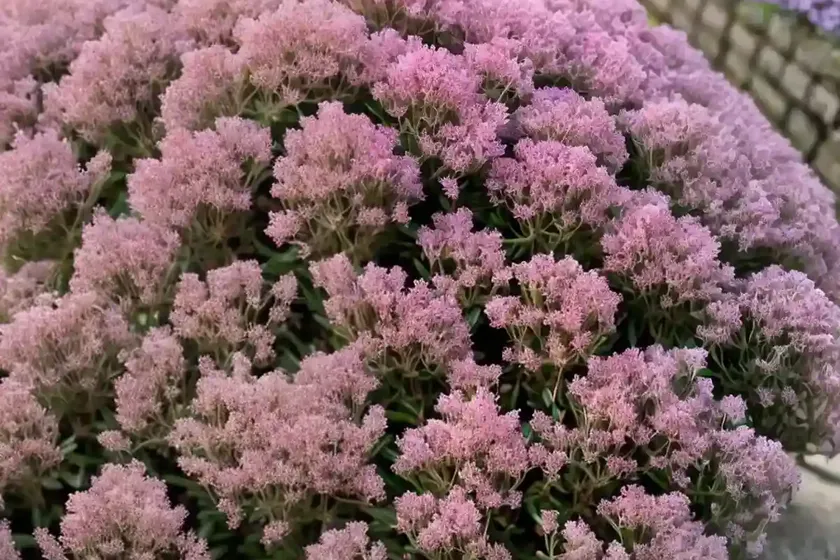
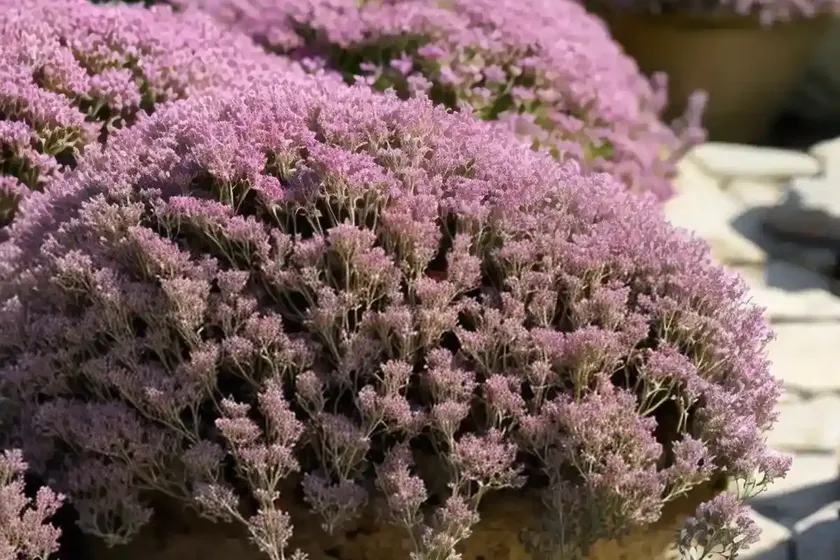
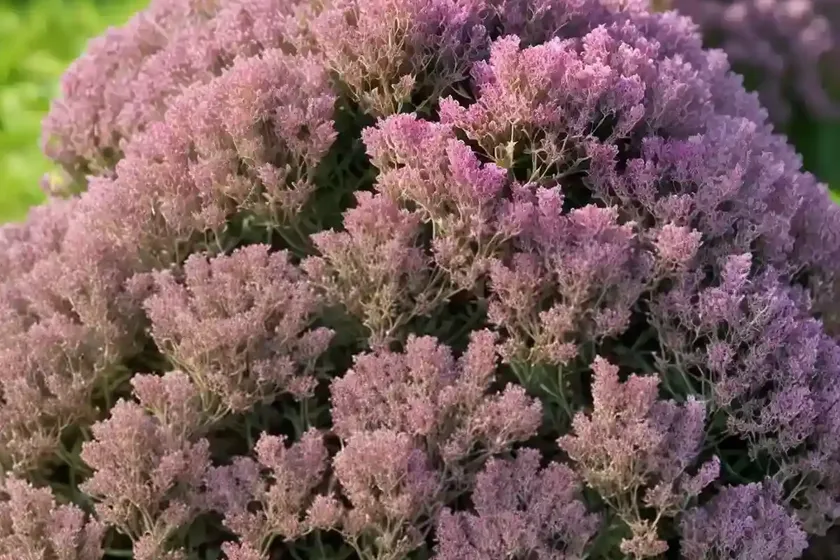
In the world of landscape architecture and garden design, Thymus Coccineus Group, better known as Red Creeping Thyme, stands out as a popular choice for ground cover. This evergreen perennial herb is valued for its vibrant red blossoms, aromatic foliage, and suitability for a variety of landscaping purposes. Whether you’re considering incorporating it into your garden, or are already cultivating this charming plant, this comprehensive guide will provide you with all the essential information you need to ensure the optimal growth and maintenance of Thymus Coccineus Group.
What is Thymus Coccineus Group (Red Creeping Thyme)?
Thymus Coccineus Group, commonly known as Red Creeping Thyme, is a low-growing perennial herb that belongs to the mint family, Lamiaceae. This plant is native to southern Europe and is renowned for its creeping habit, creating a ground-hugging carpet of luscious green foliage adorned with stunning red flowers during the flowering season. Red Creeping Thyme is highly valued for its ornamental appeal, ease of maintenance, and versatility in various landscaping and gardening applications.
Key Takeaways – Thymus Coccineus Group (Red Creeping Thyme)
Culture
- Scientific Name: Thymus Coccineus Group
- Common Name: Red Creeping Thyme
- Family: Lamiaceae
- Type: Perennial, Evergreen
- Height: 2-3 inches
- Spread: 12-18 inches
- Hardiness: Zones 4-9
- Bloom Time: Late spring to early summer
Uses
- Landscape Design: Ground cover, rock gardens, borders, edging paths, between pavers, erosion control, slopes
- Culinary: While Red Creeping Thyme is less commonly used in cooking than other thyme varieties, it still possesses aromatic qualities and can be used as a culinary herb.
Water
- Watering Needs: Low to moderate
- Watering Frequency: Water thoroughly when the soil is dry to the touch, but avoid waterlogging the roots.
Sunlight
- Light Requirements: Full sun to partial shade
- Optimal Sun Exposure: 6-8 hours of direct sunlight per day
Fertilizer
- Fertilization: Minimal to no fertilization required
- Soil Enrichment: Incorporate organic matter into the soil during initial planting
Soil
- Soil Type: Well-draining, sandy to loamy soil
- pH: Neutral to slightly alkaline (pH 6.5-7.5)
Pruning
- Pruning Needs: Light pruning after blooming to maintain compact growth
- Deadheading: Trim back spent flowers to encourage new growth and prolong blooming
Propagation
- Propagation Methods: Division, stem cuttings, seeds
- Propagation Time: Spring or fall
Container Popularity
- Container Gardening: Well-suited for container planting
- Container Size: Choose shallow, wide containers to accommodate the plant’s spreading nature
Common Diseases
- Disease Susceptibility: Generally resistant to diseases
- Common Diseases: Root rot in waterlogged soils
Disease Diagnosis
- Symptoms: Wilting, yellowing, or browning of foliage, and overall decline in plant health
- Preventative Measures: Ensure proper soil drainage and avoid overwatering
Common Pests
- Pests: Spider mites, aphids
- Pest Control: Regular inspection and use of insecticidal soap
Botanist’s Tips
- Growing Tip: Provide well-draining soil and ample sunlight for optimal growth
- Design Tip: Use Red Creeping Thyme to complement and accentuate garden borders and pathways
Fun Facts
- Red Creeping Thyme is an essential plant for pollinators, attracting bees and butterflies with its vibrant blooms and aromatic foliage.
Links to External Resources
For further information on Thymus Coccineus Group (Red Creeping Thyme) and related topics, you can explore the following resources:
– Royal Horticultural Society
– University of Florida IFAS Extension
– Missouri Botanical Garden
Continued in the next message…


