Plant Scientist’s Guide to Rhododendron ‘Narcissiflorum’ Care and Cultivation
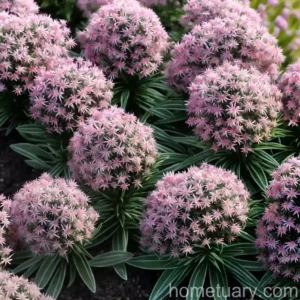
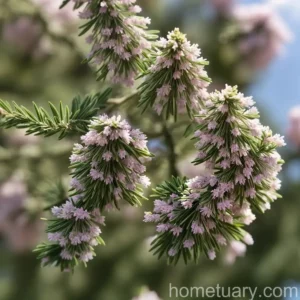
Rhododendron ‘Narcissiflorum’, a stunning deciduous shrub known for its elegant blooms, belongs to the popular Rhododendron genus. This plant, with its vibrant flowers and lush foliage, is a favorite among gardeners and landscaping enthusiasts. In this comprehensive guide, we will delve into the fascinating world of Rhododendron ‘Narcissiflorum’, exploring its culture, uses, maintenance, and much more.
What is Rhododendron ‘Narcissiflorum’?
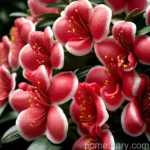
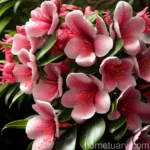
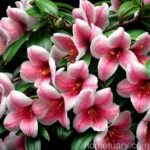
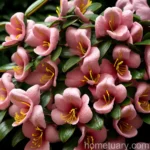
Rhododendron ‘Narcissiflorum’ is a species of rhododendron that belongs to the Ericaceae family. This stunning plant is characterized by its beautiful clusters of vibrant flowers, making it a prominent feature in gardens and landscapes. With its distinct charm and ornamental appeal, Rhododendron ‘Narcissiflorum’ is a popular choice for adding color and visual interest to outdoor spaces.
Key Takeaways
Here are some key takeaways about Rhododendron ‘Narcissiflorum’:
– Known for its vibrant blooms and lush foliage
– Belongs to the Rhododendron genus
– Part of the Ericaceae family
Now, let’s explore the various aspects of caring for and cultivating Rhododendron ‘Narcissiflorum’ to ensure its optimal growth and thriving presence in your garden or landscape.
Culture
Understanding the cultural requirements of Rhododendron ‘Narcissiflorum’ is essential for creating a favorable environment for its growth. From planting tips to soil requirements, let’s delve into the cultural aspects of nurturing this beautiful shrub.
Uses
- Ornamental Purposes: Rhododendron ‘Narcissiflorum’ is primarily cultivated for its ornamental value, adding vibrant colors and visual appeal to gardens, parks, and landscapes.
Water
- Hydration Needs: Rhododendron ‘Narcissiflorum’ thrives in moist, well-drained soil. It’s essential to maintain adequate moisture levels, especially during the growing season, while ensuring proper drainage to prevent waterlogging.
Sunlight
- Sun Exposure: This species thrives in partial shade to full shade, making it suitable for shaded areas in gardens. While it can tolerate some sun, excessive exposure to intense sunlight should be avoided.
Fertilizer
- Nutrient Requirements: Rhododendron ‘Narcissiflorum’ benefits from a well-balanced, acidic fertilizer, specially formulated for acid-loving plants. Applying a suitable fertilizer in moderation can support healthy growth and vibrant blooms.
Soil
- Acidic Soil Preferences: This plant thrives in well-drained, acidic soil with a pH level between 4.5 and 6.0. Amending the soil with organic matter can enhance its texture and acidity, creating an optimal growing environment for the shrub.
Pruning
- Pruning Techniques: Regular pruning is essential to maintain the desired shape, remove dead or damaged branches, and promote healthy growth. Pruning should be carried out after the flowering period to avoid disrupting the next season’s blooms.
Propagation
- Propagation Methods: Rhododendron ‘Narcissiflorum’ can be propagated through methods such as layering, cutting, and seeds. Each method offers unique advantages and may be chosen based on the specific requirements and preferences of the grower.
Container Popularity
- Container Gardening: While Rhododendron ‘Narcissiflorum’ is often grown in traditional garden beds, it can also thrive in containers, offering versatility in landscaping and gardening arrangements.
Now that we have explored the cultural aspects of caring for Rhododendron ‘Narcissiflorum’, let’s move on to understanding common diseases and pests that may affect this plant, as well as some botanist’s tips for optimal care.
Common Diseases
Understanding and diagnosing common diseases that may affect Rhododendron ‘Narcissiflorum’ is essential for implementing effective prevention and management strategies to ensure the plant’s health.
Disease Diagnosis
- Leaf Spot: Rhododendron ‘Narcissiflorum’ is susceptible to leaf spot diseases, which can be identified by the appearance of discolored spots on the leaves. Proper sanitation and preventive fungicidal treatments can help mitigate this issue.
Common Pests
Being aware of common pests that may target Rhododendron ‘Narcissiflorum’ is crucial for early detection and intervention to prevent potential damage to the plant.
Botanist’s Tips
Incorporating expert tips and best practices can further enhance the care and cultivation of Rhododendron ‘Narcissiflorum’, ensuring its optimal growth and vibrant presence in outdoor spaces.
Fun Facts
Discover some fascinating and intriguing facts about Rhododendron ‘Narcissiflorum’ that showcase its unique characteristics and appeal.
Links to External Resources
Explore additional resources and information about Rhododendron ‘Narcissiflorum’ from reliable and reputable sources.
Conclusion
In conclusion, Rhododendron ‘Narcissiflorum’ stands out as a captivating and versatile species, offering vibrant blooms, lush foliage, and ornamental charm. By understanding its cultural requirements, addressing common diseases and pests, and implementing effective maintenance practices, enthusiasts can cultivate thriving and visually stunning Rhododendron ‘Narcissiflorum’ plants in their gardens and landscapes.
Through this comprehensive guide, we have explored the various facets of caring for and cultivating Rhododendron ‘Narcissiflorum’, equipping enthusiasts with valuable insights and knowledge to foster the optimal growth and well-being of this magnificent species.
References:
1. “Rhododendron” – Royal Horticultural Society. Link
2. “Rhododendron and Azalea News” – American Rhododendron Society. Link