The Beauty of Azalea (Rhododendron ‘George Hyatt’)
Azaleas are a stunning addition to any garden, known for their vibrant colors and their ability to thrive in different climates. The Rhododendron ‘George Hyatt’ is a specific variety that has gained popularity among gardening enthusiasts due to its unique characteristics. In this comprehensive guide, we will delve into the various aspects of the azalea plant, specifically focusing on the Rhododendron ‘George Hyatt’ variety, and provide valuable insights into its culture, care, maintenance, and much more.
What is an Azalea Plant?
The azalea plant belongs to the genus Rhododendron and is renowned for its colorful and elaborate flowers. These flowering shrubs are part of the Ericaceae family and are native to several continents, including Asia, Europe, and North America. Azaleas are admired for their ability to thrive in various climates, from the humid subtropics to the cooler regions, making them a versatile and popular choice for landscapers and gardeners.
Key Takeaways – Azalea (Rhododendron ‘George Hyatt’)
Before delving into the specifics of the Rhododendron ‘George Hyatt’ variety, let’s take a look at some key takeaways regarding azaleas in general:
- Scientific Name: Rhododendron
- Variety: George Hyatt
- Family: Ericaceae
- Climate: Versatile, can thrive in various climates
- Flowers: Elaborate and vibrant
- Landscape Use: Popular for landscaping and gardens
- Native Habitat: Found in Asia, Europe, and North America
Now that we have a general understanding of the azalea plant, let’s shift our focus to the specific variety, Rhododendron ‘George Hyatt’.
Rhododendron ‘George Hyatt’
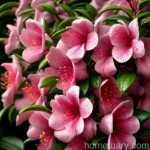
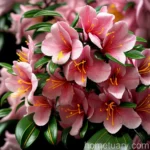
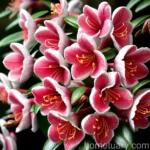
Rhododendron ‘George Hyatt’ is a hybrid variety of azalea known for its stunning clusters of flowers and its compact, mounded growth habit. This particular cultivar is highly prized for its vibrant display of blossoms, which typically appear in the spring, adding a pop of color to any garden. The Rhododendron ‘George Hyatt’ is a deciduous shrub, and its foliage can also provide visual interest, especially during the fall season when it takes on warm hues.
Let’s take a closer look at the key characteristics and requirements for cultivating and maintaining the Rhododendron ‘George Hyatt’.
Culture
Cultivating the Rhododendron ‘George Hyatt’ requires an understanding of its cultural needs, including its preferences for water, sunlight, fertilizer, soil, and maintenance practices.
Uses
The Rhododendron ‘George Hyatt’ can be utilized in various ways within a garden or landscape, including:
- Garden Beds: Adds a splash of color to garden beds
- Borders: Defines garden borders with its vibrant blooms
- Containers: Thrives in containers, suitable for patio or balcony gardens
- Landscaping: Enhances landscaped areas with its compact growth habit and colorful flowers
- Companion Planting: Can be paired with other shrubs or flowering plants for visual contrast
Water
Proper watering is crucial for the health and vitality of the Rhododendron ‘George Hyatt’. Here are some essential points to consider:
- Consistent Moisture: Requires consistent moisture, especially during the growing season
- Mulching: Mulching around the base of the plant helps retain soil moisture
- Avoid Overwatering: While azaleas require adequate moisture, waterlogging should be avoided to prevent root rot
Sunlight
The sunlight requirements of the Rhododendron ‘George Hyatt’ play a significant role in its overall health and blooming potential:
- Partial Shade: Thrives in partial shade, offering protection from intense midday sun
- Morning Sunlight: Prefers exposure to morning sunlight, while benefiting from shade in the afternoon
- Filtered Light: Can tolerate filtered light conditions, making it suitable for various garden settings
Fertilizer
Proper fertilization supports the growth and flowering capabilities of the Rhododendron ‘George Hyatt’:
- Acidic Fertilizer: Requires acidic fertilizer to maintain soil pH suitable for azaleas
- Balanced Formulation: Utilize a balanced, slow-release fertilizer designed for acid-loving plants
- Application Timing: Fertilize in early spring before new growth emerges and again in late spring if necessary
Soil
The soil composition is crucial for the overall health and vigor of the Rhododendron ‘George Hyatt’:
- Well-Draining: Requires well-draining, acidic soil for optimal growth
- Organic Matter: Incorporating organic matter such as peat moss or compost improves soil structure and fertility
- Avoid Wet Feet: Ensuring the soil does not become waterlogged is essential for preventing root diseases
Pruning
Pruning is an essential aspect of maintaining the shape and promoting flower production in the Rhododendron ‘George Hyatt’:
- After Flowering: Prune immediately after flowering to encourage new growth and bud development for the following year
- Deadheading: Removing spent flowers can prolong the blooming period and maintain a tidy appearance
- Overall Maintenance: Conduct light pruning throughout the growing season to control the shape and size of the shrub
Propagation
Propagating the Rhododendron ‘George Hyatt’ allows for the expansion of its presence in a garden or landscape setting. Here are some common propagation methods:
- Stem Cuttings: Utilize semi-hardwood cuttings during the summer for propagation
- Layering: Encourage root formation on a low branch by employing the layering technique
- Division: Divide large, established plants to create new, independent specimens
Container Popularity
The Rhododendron ‘George Hyatt’ is well-suited for container cultivation, making it a popular choice for balcony gardens, patios, and small outdoor spaces. The compact growth habit and vibrant blooms make it an attractive addition to container gardens. When cultivating azaleas in containers, ensure proper drainage and utilize acidic potting mix to mimic their preferred soil conditions.
Common Diseases
Like any plant, the Rhododendron ‘George Hyatt’ is susceptible to certain diseases that can impact its overall health and vigor. Being aware of common diseases and their symptoms is crucial for early intervention and effective management. Some common diseases that may affect the Rhododendron ‘George Hyatt’ include:
- Powdery Mildew: Characterized by a powdery white growth on the leaves, often caused by poor air circulation and high humidity
- Leaf Spot: Manifests as dark spots on the foliage, potentially leading to leaf yellowing and drop
- Petal Blight: Affects the flowers, causing browning and deterioration of the petals
- Root Rot: Caused by excessively wet soil conditions, leading to root decay and overall decline of the plant
Disease Diagnosis
Accurately diagnosing diseases that affect the Rhododendron ‘George Hyatt’ involves observing and identifying specific symptoms. It also requires an understanding of the plant’s cultural requirements and potential stressors that may contribute to disease development. Timely diagnosis allows for the implementation of targeted treatment and management strategies to mitigate the impact of diseases on the plant’s health.
Common Pests
Pests can pose a threat to the well-being of the Rhododendron ‘George Hyatt’, affecting its foliage, flowers, and overall vitality. Some common pests that may target azaleas include:
- Spider Mites: Tiny arachnids that feed on the plant’s sap, causing stippling and webbing on the leaves
- Azalea Lace Bug: Characterized by the presence of small, delicate insects that feed on the undersides of the leaves, leading to discoloration and damage
- Caterpillars: Certain caterpillar species may feed on azalea foliage, leading to defoliation and reduced photosynthetic capacity
Understanding the life cycles and feeding habits of these pests enables gardeners to implement integrated pest management strategies, encompassing both preventive and curative measures to safeguard the Rhododendron ‘George Hyatt’.
Botanist’s Tips
As a plant scientist with expertise in azaleas and rhododendrons, I have gathered valuable insights and tips for cultivating and caring for the Rhododendron ‘George Hyatt’. Here are some expert tips to enhance the success of growing this stunning azalea variety:
- Soil Testing: Conduct regular soil tests to monitor pH levels and nutrient content, ensuring the soil is conducive to azalea growth
- Mulch Application: Apply a layer of organic mulch around the base of the plant to retain moisture and regulate soil temperature
- Pruning Techniques: Employ precision pruning to shape the shrub and promote robust flowering, ensuring to prune at the appropriate times to avoid cutting off potential blooms
- Integrated Pest Management: Adopt a holistic approach to pest management, incorporating natural predators, cultural practices, and targeted treatments to address pest issues
- Seasonal Care: Adjust care practices in accordance with the changing seasons, providing additional protection during winter and adjusting watering and fertilization in response to seasonal demands
Fun Facts
Uncovering interesting and captivating facts about the Rhododendron ‘George Hyatt’ adds to the allure of this remarkable plant. Here are some fun facts that highlight the unique characteristics and qualities of this azalea variety:
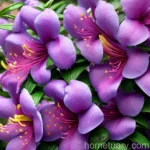
- Bloom Diversity: Rhododendron ‘George Hyatt’ displays an array of bloom colors, ranging from soft pinks to vibrant magentas, creating a captivating visual display
- Attracts Pollinators: The vibrant blooms of the Rhododendron ‘George Hyatt’ attract pollinators such as bees and butterflies, contributing to the biodiversity of the garden
- Enhanced Fall Foliage: In addition to its striking spring blooms, the foliage of the Rhododendron ‘George Hyatt’ exhibits rich autumn colors, adding seasonal interest to the landscape
- Versatile Landscaping: The compact growth habit and vibrant blooms make the Rhododendron ‘George Hyatt’ a versatile choice for various landscaping styles, from formal gardens to naturalistic settings
Links to External Resources
To further enrich your knowledge and understanding of the Rhododendron ‘George Hyatt’ and azaleas in general, here are valuable external resources that offer in-depth insights and practical information:
- American Rhododendron Society: An authoritative source for comprehensive information on rhododendrons and azaleas, including cultivation advice, plant profiles, and regional resources.
- The Azalea Society of America: A dedicated organization providing resources, publications, and community connections for enthusiasts of azaleas and related plants.
- University Cooperative Extension Services: Access your local cooperative extension’s resources for region-specific advice on azalea cultivation, care, and pest management.
By leveraging these resources, you can further expand your expertise and appreciation for the captivating world of azaleas and rhododendrons.
In conclusion, the Rhododendron ‘George Hyatt’ stands as a testament to the beauty and elegance of azaleas, offering a dazzling display of color and a compact growth habit that enhances any garden or landscape. By understanding its cultural requirements, maintenance practices, and unique attributes, you can cultivate and celebrate the enchanting allure of this exceptional azalea variety in your own outdoor spaces.
Remember, the beauty of azaleas lies not only in their exquisite blooms but also in the joy and wonder they bring to the garden and the hearts of those who admire them.
Happy gardening!