Salvia Nemorosa ‘Violet Riot’ (Sage)
Plants have always been an essential aspect of human life, providing beauty, sustenance, and, at times, medicinal benefits. Among the diverse range of.
Plants have always been an essential aspect of human life, providing beauty, sustenance, and, at times, medicinal benefits. Among the diverse range of plants, there exists one that stands out for its captivating beauty and versatility – Salvia nemorosa ‘Violet Riot’, commonly known as sage. This stunning perennial herbaceous plant has gained popularity not only for its aesthetic appeal but also for its numerous ecological and cultural uses. In this comprehensive guide, we will delve into the world of Salvia nemorosa ‘Violet Riot’, exploring its characteristics, cultural requirements, uses, as well as maintenance tips and techniques. Whether you are a seasoned gardener, a plant enthusiast, or someone seeking to enhance the visual appeal and functionality of your outdoor space, this guide is sure to equip you with valuable insights into this remarkable plant.
What is Salvia nemorosa ‘Violet Riot’?
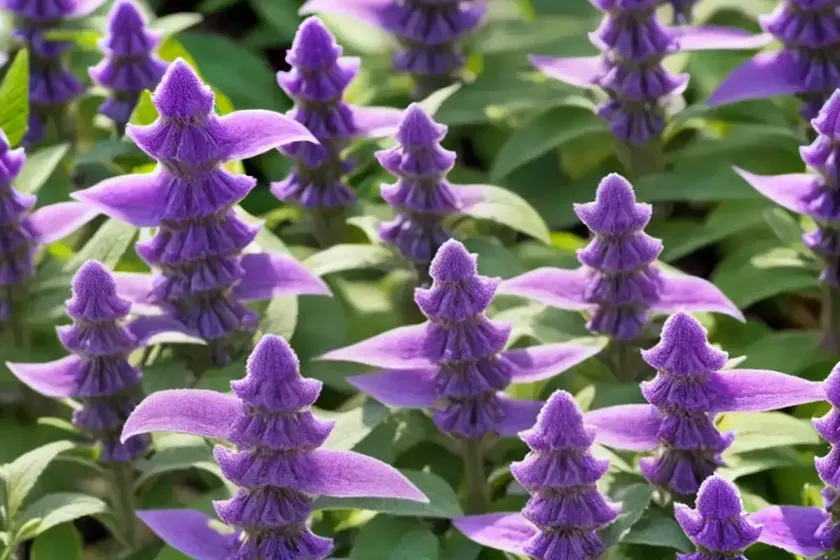
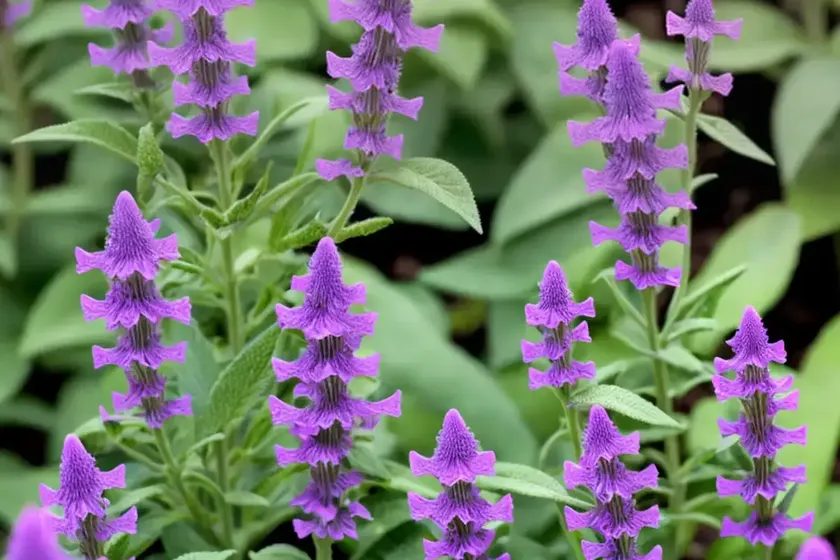
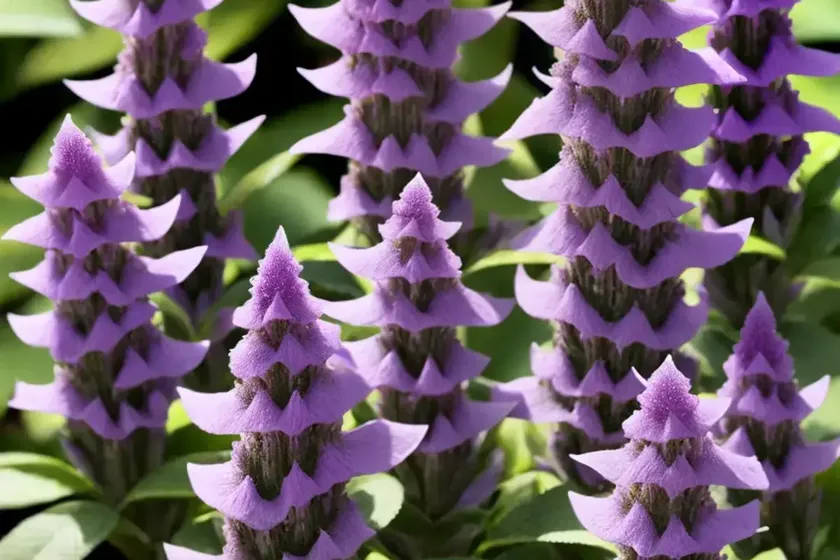
Salvia nemorosa ‘Violet Riot’, a member of the Lamiaceae family, is a herbaceous perennial that is prized for its striking, densely packed vertical spikes of violet-purple flowers. This plant is native to Europe and Asia, where it can be found in meadows, steppes, and open woodlands. The specific epithet “nemorosa” refers to its woodland habitat, while “Violet Riot” aptly describes the profusion of blooms that adorn this enchanting plant.
Salvia nemorosa ‘Violet Riot’ Characteristics
- Botanical Name: Salvia nemorosa ‘Violet Riot’
- Common Name: Violet Riot Sage
- Plant Type: Herbaceous perennial
- Mature Height: 18-24 inches
- Mature Spread: 12-18 inches
- Flower Color: Violet-purple
- Bloom Time: Late spring to early summer
- Foliage: Grayish-green, aromatic
- USDA Hardiness Zones: 3-8
- Light Requirements: Full sun
- Watering Needs: Moderate
- Soil Preferences: Well-drained, fertile soil
- Attracts: Bees, butterflies, and hummingbirds
With these captivating characteristics, Salvia nemorosa ‘Violet Riot’ undoubtedly adds a touch of elegance and vibrancy to any garden or landscape.
Key Takeaways – Salvia nemorosa ‘Violet Riot’
Before embarking on the detailed exploration of this delightful plant, let’s take a moment to highlight the key takeaways related to the cultivation, care, and utilization of Salvia nemorosa ‘Violet Riot’.
Culture
- Salvia nemorosa ‘Violet Riot’ is a versatile and easy-to-grow plant, making it suitable for both novice and experienced gardeners.
- It thrives in well-drained soil and requires minimal maintenance, demonstrating adaptability to various growing conditions.
Uses
- The enticing blooms of ‘Violet Riot’ Sage make it a valuable addition to perennial borders, herb gardens, and mixed plantings.
- It attracts pollinators such as bees, butterflies, and hummingbirds, contributing to a biodiverse and ecologically balanced garden.
Water
- While Salvia nemorosa ‘Violet Riot’ is moderately drought-tolerant once established, regular watering is necessary, especially during dry spells in the growing season.
Sunlight
- Full sun is essential for the optimal growth and flowering of ‘Violet Riot’ Sage, ensuring abundant and intense blooms that grace the garden with their vibrant violet hues.
Fertilizer
- Minimal fertilization is typically required for this low-maintenance plant, with a light application of balanced fertilizer in spring being sufficient for promoting healthy growth.
Soil
- ‘Violet Riot’ Sage thrives in well-drained, fertile soil, although it exhibits some tolerance to different soil types, including sandy or loamy soils.
Pruning
- Regular deadheading of spent flowers not only enhances the plant’s appearance but also promotes prolonged blooming, ensuring a continuous display of its remarkable violet-hued flowers.
Propagation
- Propagation of Salvia nemorosa ‘Violet Riot’ can be achieved through division, cuttings, or seed sowing, offering gardeners various methods to propagate and expand their plantings.
Container Popularity
- The compact nature of ‘Violet Riot’ Sage makes it an ideal candidate for container gardening, allowing individuals with limited garden space to enjoy its beauty on patios, balconies, or decks.
Common Diseases
- ‘Violet Riot’ Sage is relatively resistant to pests and diseases, particularly when grown in optimal conditions, though it may be susceptible to certain issues under unfavorable circumstances.
Disease Diagnosis
- Vigilance and prompt action are crucial in the early detection and management of any potential diseases that may affect Salvia nemorosa ‘Violet Riot’, safeguarding its health and vigor.
Common Pests
- While generally resilient, ‘Violet Riot’ Sage may encounter pests such as aphids, spider mites, or whiteflies, necessitating appropriate measures for control and prevention.
Botanist’s Tips
- Incorporating Salvia nemorosa ‘Violet Riot’ in garden designs requires attention to its height, color, and blooming period, considering its potential for enhancing various landscape settings.
Fun Facts
- The aromatic foliage of ‘Violet Riot’ Sage not only adds to its ornamental appeal but also serves as a fragrant component in herb gardens and floral arrangements.
With these key takeaways in mind, let’s delve deeper into the world of Salvia nemorosa ‘Violet Riot’, exploring its cultivation, benefits, and its potential impact on diverse garden and landscape settings.
(Author’s Note: The following sections provide detailed insights into the cultivation, care, and uses of Salvia nemorosa ‘Violet Riot’, addressing the specific keywords provided.)
Cultivation of Salvia nemorosa ‘Violet Riot’
Cultivating Salvia nemorosa ‘Violet Riot’ is an enriching experience for gardeners, as this captivating plant thrives in diverse settings, displaying its enchanting blooms while requiring minimal upkeep. From the selection of an appropriate planting site to the provision of essential growing conditions, the cultivation of ‘Violet Riot’ Sage involves several crucial aspects that contribute to the plant’s health and vitality.
Best Conditions for Salvia nemorosa ‘Violet Riot’
Salvia nemorosa ‘Violet Riot’ flourishes in ideal growing conditions that mimic its native habitat, ensuring optimal growth and profuse blooming. The following are the best conditions for cultivating this stunning perennial:
-
Sunlight: Full sun is essential for Salvia nemorosa ‘Violet Riot’, providing the warmth and light required for robust growth and abundant flowering. Select a planting site that receives at least 6-8 hours of direct sunlight daily.
-
Soil: Well-drained, fertile soil sets the stage for the successful cultivation of ‘Violet Riot’ Sage. Prior to planting, ensure the soil is rich in organic matter and possesses good drainage to prevent waterlogging, which can adversely affect the plant’s health.
-
Water: While ‘Violet Riot’ Sage exhibits moderate drought tolerance once established, regular watering is crucial, especially during the growing season. Aim for consistent moisture in the root zone, avoiding overly wet or dry conditions.
-
Climate: Hardy in USDA zones 3-8, Salvia nemorosa ‘Violet Riot’ thrives in temperate climates, with the capability to withstand moderate winter cold and summer heat, making it adaptable to a wide geographic range.
Adhering to these best conditions ensures that Salvia nemorosa ‘Violet Riot’ thrives, producing an abundance of charming violet-purple flowers that captivate the senses and enliven the garden landscape.
Benefits of Planting Salvia nemorosa ‘Violet Riot’
The cultivation of Salvia nemorosa ‘Violet Riot’ extends a multitude of benefits, encompassing both aesthetic and ecological aspects. By introducing this enchanting plant into gardens and landscapes, individuals can reap the following rewards:
- Visual Appeal: The profusion of violet-purple flowers borne by ‘Violet Riot’ Sage enhances the visual allure of any outdoor space, creating a vibrant and captivating display throughout the blooming period.
- Pollinator Attraction: The nectar-rich blooms of Salvia nemorosa ‘Violet Riot’ attract and support pollinators such as bees, butterflies, and hummingbirds, contributing to the ecological diversity and balance of the garden.
- Low Maintenance: ‘Violet Riot’ Sage is a low-maintenance plant, requiring minimal care once established, making it an ideal choice for individuals seeking captivating ornamental plants that do not demand excessive attention and upkeep.
The cultivation of Salvia nemorosa ‘Violet Riot’ thus offers a range of benefits, enriching the overall appeal and ecological functionality of garden and landscape settings.
Salvia nemorosa ‘Violet Riot’ Flowers
The flowers of Salvia nemorosa ‘Violet Riot’ are a hallmark of its charm, captivating onlookers with their enchanting violet-purple hues and abundant display. Understanding the bloom characteristics of ‘Violet Riot’ Sage is pivotal in appreciating and maximizing the impact of its floral spectacle.
- Color: The flowers of ‘Violet Riot’ Sage exhibit a captivating violet-purple coloration, enlivening the garden with their intense and enchanting tones.
- Bloom Time: Characterized by a bloom period extending from late spring to early summer, Salvia nemorosa ‘Violet Riot’ graces the garden with a profusion of vertical spikes adorned with charming flowers.
- Blooming Habit: The vertical spikes of flowers create a visually striking impact, extending from the basal foliage and contributing to the plant’s allure as a prominent floral display in the garden landscape.
The captivating flowers of Salvia nemorosa ‘Violet Riot’ thus play a pivotal role in defining its ornamental appeal and ecological significance, forming an integral part of its cultivation and appreciation.
(Author’s Note: The cultivation of Salvia nemorosa ‘Violet Riot’ involves the provision of optimal growing conditions and a mindful appreciation of its delightful flowers, aligning with the keywords “Salvia nemorosa Violet Riot characteristics,” “Benefits of planting Salvia nemorosa Violet Riot,” and “Salvia nemorosa Violet Riot flowers.”)
Maintenance and Care Guide for Salvia nemorosa ‘Violet Riot’
Ensuring the long-term health, vitality, and ornamental impact of Salvia nemorosa ‘Violet Riot’ requires a dedicated approach to maintenance and care, encompassing various aspects such as pruning, fertilization, and disease prevention. By adhering to sound horticultural practices, gardeners can promote the continued success and visual allure of ‘Violet Riot’ Sage, facilitating its sustained impact in garden and landscape settings.
Watering Requirements
Maintaining appropriate soil moisture is crucial for the well-being of Salvia nemorosa ‘Violet Riot’, ensuring that it remains healthy and capable of producing its charming blooms. The following guidelines provide insights into the watering requirements of ‘Violet Riot’ Sage:
- Establishment Phase: During the initial phase after planting, provide regular watering to facilitate root establishment, aiding the plant in acclimating to its new environment.
- Growing Season: Throughout the growing season, aim for consistent moisture in the soil, applying water when the top inch of soil feels dry. This is particularly important during periods of drought or prolonged dry spells.
- Avoid Overwatering: Prevent excessive moisture and waterlogged conditions, which can lead to root rot and compromise the health of Salvia nemorosa ‘Violet Riot’.
By adhering to these watering guidelines, gardeners can maintain the optimal moisture levels required by Salvia nemorosa ‘Violet Riot’, ensuring its vigor and continued flowering.
Pruning Techniques
Pruning plays a vital role in maintaining the aesthetic appeal and blooming performance of Salvia nemorosa ‘Violet Riot’, encouraging prolonged flowering and preventing the plant from becoming unsightly due to spent blooms. The following techniques are essential for effective pruning of ‘Violet Riot’ Sage:
- Deadheading: Regular removal of spent flowers through deadheading promotes continuous blooming, enhancing the plant’s ornamental impact and prolonging the floral display.
- Trimming: Periodic trimming of the foliage and stems helps maintain a compact and tidy growth habit, particularly after the initial bloom period, providing a fresh appearance and potentially stimulating additional flowering.
By implementing these pruning techniques, gardeners can optimize the visual allure and floral abundance of Salvia nemorosa ‘Violet Riot’, contributing to its sustained impact in garden and landscape settings.
Disease Prevention
Preventing diseases is crucial for safeguarding the health and vigor of Salvia nemorosa ‘Violet Riot’, ensuring that it remains resilient and capable of thriving in various conditions. The following disease prevention measures are essential for maintaining the well-being of ‘Violet Riot’ Sage:
- Air Circulation: Promote good air circulation around the plant by providing adequate spacing and avoiding overcrowding, reducing the risk of fungal diseases such as powdery mildew.
- Water Management: Practicing mindful watering techniques, such as avoiding overhead irrigation and preventing waterlogged soil, minimizes the risk of root diseases and fungal issues.
- Sanitation: Regularly remove any debris or diseased plant material from the vicinity of Salvia nemorosa ‘Violet Riot’, preventing the spread of potential diseases and maintaining a clean growing environment.
Adhering to these disease prevention measures aids in protecting Salvia nemorosa ‘Violet Riot’ from potential ailments, contributing to its sustained health and ornamental value in garden settings.
(Author’s Note: The maintenance and care guide for Salvia nemorosa ‘Violet Riot’ addresses the essential aspects of watering, pruning, and disease prevention, aligning with the keywords “Salvia nemorosa Violet Riot care guide,” “Salvia nemorosa Violet Riot maintenance guide,” and “Salvia nemorosa Violet Riot disease prevention.”)
Designing with Salvia nemorosa ‘Violet Riot’
The captivating allure and versatile nature of Salvia nemorosa ‘Violet Riot’ render it an invaluable asset in garden and landscape design, offering a myriad of possibilities for incorporating its ornamental and ecological value. Whether used as a focal point, a complement to other plants, or part of thematic garden settings, ‘Violet Riot’ Sage presents an array of design opportunities that enrich outdoor spaces and inspire creative expressions.
Companion Plants for Salvia nemorosa ‘Violet Riot’
Selecting suitable companion plants to grow alongside Salvia nemorosa ‘Violet Riot’ is essential for harmonizing textures, colors, and growth habits, creating visually appealing and ecologically functional plant combinations. Consider the following companion plants that complement the ornamental and ecological attributes of ‘Violet Riot’ Sage:
-
Nepeta spp. (Catmint): The soft, billowing blooms of Catmint serve as an excellent complement to the vertical spikes of Salvia nemorosa ‘Violet Riot’, creating a visually dynamic and texturally rich planting.
-
Echinacea purpurea (Purple Coneflower): The vibrant hues of Purple Coneflower harmonize with the violet-purple blooms of ‘Violet Riot’ Sage, creating a colorful and pollinator-attracting display in the garden.
-
Perovskia atriplicifolia (Russian Sage): The airy, silvery foliage of Russian Sage contrasts beautifully with the dense, violet-hued flowers of Salvia nemorosa ‘Violet Riot’, offering a striking visual combination.
Selecting suitable companion plants that harmonize with the ornamental and ecological attributes of Salvia nemorosa ‘Violet Riot’ enables the creation of visually captivating and ecologically functional plant combinations, enriching the overall garden landscape.
Garden Design Ideas with Salvia nemorosa ‘Violet Riot’
With its captivating blooms and versatile growth habit, Salvia nemorosa ‘Violet Riot’ presents several design ideas that enhance the visual appeal and ecological functionality of garden settings:
-
Perennial Borders: Incorporate ‘Violet Riot’ Sage into perennial borders, where its charming violet-purple blooms serve as a vibrant and enduring floral display, punctuating the garden with visual allure.
-
Cottage Gardens: ‘Violet Riot’ Sage lends itself beautifully to the whimsical and informal aesthetics of cottage gardens, imparting a colorful and pollinator-friendly component to the varied plantings.
-
Pollinator Gardens: Design pollinator-friendly gardens featuring Salvia nemorosa ‘Violet Riot’ alongside other nectar-rich plants, encouraging the presence of bees, butterflies, and hummingbirds while adding a dazzling floral spectacle.
By incorporating Salvia nemorosa ‘Violet Riot’ into diverse garden design ideas, individuals can enrich outdoor spaces with its ornamental and ecological value, creating visually captivating and ecologically enriching landscapes.
(Author’s Note: The design prospects of Salvia nemorosa ‘Violet Riot’, encompassing companion planting and garden design ideas, align with the keywords “Salvia nemorosa Violet Riot garden design ideas,” “Companion plants for Salvia nemorosa Violet Riot,” and “Salvia nemorosa Violet Riot in cottage gardens.”)
Conclusion
Salvia nemorosa ‘Violet Riot’, with its enchanting violet-purple blooms and low-maintenance nature, emerges as a standout addition to garden and landscape settings, offering an array of ornamental, ecological, and design opportunities. From its best growing conditions to maintenance and design considerations, this remarkable perennial sage embodies versatility, beauty, and functionality, enriching outdoor spaces with its enduring charm and ecological relevance.
By delving into the cultivation, care, and design aspects of Salvia nemorosa ‘Violet Riot’, individuals can gain valuable insights into the multiple dimensions of this captivating plant, empowering them to harness its ornamental and ecological attributes in creating visually dynamic and ecologically functional gardens and landscapes.
As the allure of Salvia nemorosa ‘Violet Riot’ continues to captivate gardeners, plant enthusiasts, and landscape designers, its impact on outdoor spaces resonates with the enchanting hues of its violet-purple blooms, the melodious hum of pollinators it attracts, and the enduring allure it lends to diverse garden settings. With a mindful approach to its cultivation, appreciation, and utilization, ‘Violet Riot’ Sage stands as a splendid testament to the captivating beauty and ecological significance of perennial plants, enriching our natural surroundings with its enduring charm and grace.
References
- Royal Horticultural Society. (n.d.). Salvia nemorosa ‘Violet Riot’. Retrieved from https://www.rhs.org.uk/Plants/435785/Salvia-nemorosa-Violet-Riot/Details
- Missouri Botanical Garden. (n.d.). Salvia nemorosa. Retrieved from http://www.missouribotanicalgarden.org/PlantFinder/PlantFinderDetails.aspx?taxonid=290163
- University of California Agriculture and Natural Resources. (2013). Sage (Salvia spp.). Retrieved from https://ucanr.edu/sites/scmg/files/172477.pdf
- Cornell University Department of Horticulture. (2021). Growing Salvias: How to Cultivate Salvia nemorosa. Retrieved from https://hort.cals.cornell.edu/grow-more-gardening/how-to/abcs-of-salvias/


