All About Rhododendron ‘Hino Crimson’
Rhododendrons are one of the most beloved and beautiful flowering shrubs, known for their stunning blooms and easy care. Among the many varieties of rhododendrons, Rhododendron ‘Hino Crimson’ stands out for its vibrant crimson flowers and compact growth habit. In this comprehensive guide, we will delve into the key aspects of understanding, growing, and caring for Rhododendron ‘Hino Crimson’.
What is Rhododendron ‘Hino Crimson’?
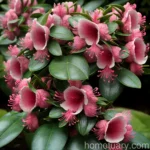
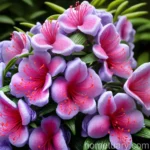
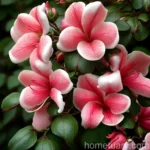
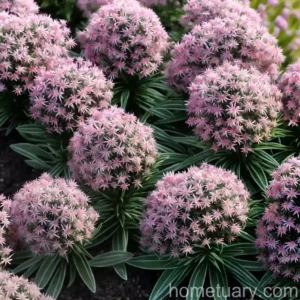
Rhododendron ‘Hino Crimson’ is a compact evergreen shrub that belongs to the Rhododendron genus. It is a hybrid variety that displays an abundance of vibrant crimson flowers in early spring, making it a popular choice for gardens and landscapes. This charming shrub is known for its broad, glossy green leaves and its ability to thrive in temperate climates.
Key Takeaways
- Scientific Name: Rhododendron ‘Hino Crimson’
- Common Name: Hino Crimson Azalea
- Family: Ericaceae
- Growth Habit: Compact, rounded
- Mature Size: 2-3 feet in height and spread
- Flower Color: Crimson
- Bloom Time: Early spring
- Sunlight: Partial shade to full sun
- USDA Hardiness Zones: 5-8
Culture
Cultivating Rhododendron ‘Hino Crimson’ involves understanding its cultural requirements, including water, sunlight, fertilizer, soil, pruning, and propagation.
Uses
Rhododendron ‘Hino Crimson’ is a versatile shrub that can be used in various ways:
- Landscape Planting: Its compact size and stunning blooms make it an excellent choice for landscape beds and borders.
- Container Planting: Due to its manageable size, it can be grown in containers on patios, porches, or balconies.
- Rock Gardens: It provides a colorful accent in rock gardens and mixed borders.
- Foundation Planting: Its dense foliage and vibrant flowers make it a great choice for foundation plantings.
Water
Proper watering is essential for the health and vigor of Rhododendron ‘Hino Crimson’. Here are some key considerations:
- Moisture: Maintain consistently moist, well-draining soil, especially during the active growing season.
- Avoid Waterlogging: Ensure that the plant is not sitting in waterlogged soil, which can lead to root rot.
- Mulching: Apply a layer of mulch around the base of the plant to conserve soil moisture and regulate temperature.
Sunlight
While Rhododendron ‘Hino Crimson’ thrives in partial shade, it also benefits from adequate sunlight:
- Partial Shade: Ideally, provide dappled or partial shade, especially in regions with hot summers.
- Morning Sun: Morning sunlight is preferable, as it is less intense and helps to dry the foliage, reducing the risk of diseases.
Fertilizer
Fertilizing Rhododendron ‘Hino Crimson’ supports its growth and flowering ability:
- Acidic Fertilizer: Use a balanced, slow-release fertilizer specifically formulated for acid-loving plants.
- Timing: Apply the fertilizer in early spring before new growth begins, and avoid fertilizing late in the growing season.
Soil
The right soil conditions are crucial for the successful cultivation of Rhododendron ‘Hino Crimson’:
- Acidic Soil: It thrives in moist, well-draining, acidic (pH 4.5-6) soil rich in organic matter.
- Soil Amendments: Incorporate organic matter like peat moss, compost, or pine bark into the soil to improve its structure and acidity.
Pruning
Pruning is an essential maintenance task that helps shape the plant and promote healthy growth:
- Timing: Prune right after flowering to avoid cutting off next year’s flower buds.
- Deadheading: Remove spent flowers to encourage new growth and future blooms.
- Shaping: Trim back any straggly or wayward branches to maintain a compact, tidy appearance.
Propagation
Rhododendron ‘Hino Crimson’ can be propagated through various methods:
- Softwood Cuttings: Take softwood cuttings in early summer and root them in a moist, well-draining rooting medium.
- Layering: Encourage new roots to form on a low-hanging branch by bending it to the ground and covering it with soil until roots develop.
Container Popularity
The compact size and attractive blooms of Rhododendron ‘Hino Crimson’ make it a popular choice for container gardening:
- Container Selection: Choose a large, sturdy container with drainage holes to provide ample space for root growth.
- Potting Mix: Use a well-draining, acidic potting mix that mimics the natural soil conditions of the plant’s native habitat.
- Maintenance: Container-grown rhododendrons may require more frequent watering and fertilization than those planted in the ground.
Common Diseases
Understanding common diseases that affect Rhododendron ‘Hino Crimson’ is essential for proactive management and maintenance:
- Powdery Mildew: A fungal disease that appears as a white, powdery coating on the leaves, often caused by poor air circulation and high humidity.
- Phytophthora Root Rot: This soil-borne disease causes root rot and can be fatal to the plant if not addressed promptly.
- Leaf Spot: Circular, dark spots on the leaves are typically indicative of fungal infections.
Disease Diagnosis
If you notice any signs of disease, it is important to diagnose and address the issue promptly:
- Consult a Specialist: Seek guidance from a local horticulturist or extension service to accurately diagnose the problem.
- Cultural Practices: Improve cultural conditions by enhancing drainage, reducing humidity, and promoting good air circulation to prevent disease development.
Common Pests
Dealing with pests is an inevitable aspect of gardening, and Rhododendron ‘Hino Crimson’ is susceptible to certain insect pests:
- Azalea Lace Bug: These tiny insects feed on the sap of the leaves, resulting in stippling and discoloration.
- Weevils: Weevils may feed on the edges of the leaves, causing notching and damage to the foliage.
- Spider Mites: These tiny pests can cause stippling and webbing on the undersides of the leaves.
Botanist’s Tips
- Companion Planting: Pair Rhododendron ‘Hino Crimson’ with other acid-loving plants like azaleas, camellias, and ferns for a harmonious garden display.
- Seasonal Mulching: Mulch around the base of the plant with pine needles or pine bark to maintain soil moisture and acidity while suppressing weed growth.
- Winter Protection: In colder regions, provide winter protection by wrapping the plant with burlap or creating a windbreak to shield it from harsh winds.
Fun Facts
- The name “Rhododendron” is derived from the Greek words “rhodon,” meaning rose, and “dendron,” meaning tree.
- Rhododendrons belong to the Ericaceae family, which also includes blueberries, cranberries, and heathers.
- The genus Rhododendron comprises over 1,000 species, ranging from low-growing ground covers to tall trees.
Links to External Resources
For further information about Rhododendron ‘Hino Crimson’ and its care, consider exploring the following resources:
- American Rhododendron Society
- The Rhododendron Species Foundation & Botanical Garden
- University Extension Services
In conclusion, Rhododendron ‘Hino Crimson’ is a delightful addition to any garden, offering vibrant blooms, evergreen foliage, and relatively low maintenance requirements. By understanding its cultural needs, addressing potential issues, and appreciating its beauty, gardeners can enjoy the charm of Rhododendron ‘Hino Crimson’ throughout the seasons.
In case you have any further queries or need additional information about Rhododendron ‘Hino Crimson’, I’d be glad to assist. Happy gardening!