All About Rhododendron ‘Homebush’
When it comes to adding color and vibrancy to gardens, the Rhododendron ‘Homebush’ is a popular choice for many plant enthusiasts. This beautiful and versatile shrub is known for its stunning clusters of flowers and its ability to thrive in various environments. In this comprehensive guide, we will delve into the key aspects of Rhododendron ‘Homebush,’ including its care, uses, cultivation, common diseases, and much more.
What is Rhododendron ‘Homebush’?
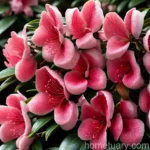
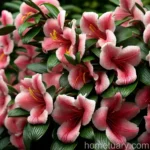
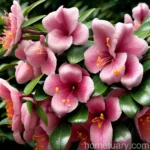
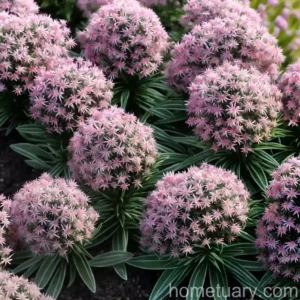
Rhododendron ‘Homebush’ is a stunning evergreen shrub that belongs to the Ericaceae family. This hybrid plant is a result of careful cultivation, combining the best traits of various Rhododendron species to create a remarkable ornamental shrub. The ‘Homebush’ variety is well-loved for its large clusters of bell-shaped flowers that bloom in the spring, creating a striking visual display.
Key Takeaways
- Scientific Name: Rhododendron ‘Homebush’
- Family: Ericaceae
- Type: Evergreen shrub
- Flower Color: Pink to mauve
- Bloom Time: Spring
- Growth Habit: Compact and bushy
- Hardiness Zones: 5-8
- Mature Size: 4-6 feet in height and 4-7 feet in width
Culture
To ensure the optimal growth and development of Rhododendron ‘Homebush,’ it is essential to understand its cultural requirements, including water, sunlight, fertilizer, soil, and pruning.
Uses
The ‘Homebush’ variety can be used in various capacities to enhance the beauty of gardens and landscapes. Here are some common uses:
- Ornamental Shrub: Its vibrant flowers make it a popular choice for ornamental purposes, adding color and visual interest to gardens.
- Borders and Hedges: ‘Homebush’ can be planted along borders or used to create attractive hedges, providing both visual appeal and privacy.
- Container Planting: It performs well in containers, making it suitable for patios, balconies, and small outdoor spaces.
- Woodland Gardens: Due to its preference for dappled shade, it can be incorporated into woodland garden designs, adding a pop of color to shaded areas.
Let’s explore the specific cultural requirements for optimal growth and health of Rhododendron ‘Homebush.’
Water
Proper watering is crucial for the health of Rhododendron ‘Homebush.’ The soil should be consistently moist but well-drained, as excessive waterlogging can lead to root rot. During dry periods, it’s important to water the plant deeply, ensuring that the entire root system receives adequate moisture.
Watering Guidelines for Rhododendron ‘Homebush’
- Frequency: Water deeply 1-2 times per week, adjusting based on local climate conditions and soil moisture levels.
- Avoid Overhead Watering: Whenever possible, water the plant at the base to prevent wet foliage, which can contribute to disease development.
- Mulching: Apply a layer of organic mulch around the base of the shrub to help retain soil moisture and regulate temperature.
Sunlight
Rhododendron ‘Homebush’ thrives in partial shade to full sun, making it a versatile addition to various garden settings. However, it is important to protect the plant from harsh afternoon sun, especially in warmer climates, as excessive heat and sunlight can cause leaf scorch.
Sunlight Requirements for Rhododendron ‘Homebush’
- Optimal Conditions: Partial shade with dappled sunlight is ideal, especially during the hottest part of the day.
- Morning Sun: Morning sunlight is generally well-tolerated, providing the plant with the necessary light for photosynthesis.
Fertilizer
Appropriate fertilization contributes to the overall health and vigor of Rhododendron ‘Homebush.’ A balanced and targeted approach to fertilizing will support strong growth and prolific flowering.
Fertilizer Tips for Rhododendron ‘Homebush’
- Acidic Fertilizer: Use a specialized acidic fertilizer formulated for Rhododendrons and Azaleas to maintain an optimal soil pH.
- Application Timing: Apply fertilizer in early spring before new growth begins and again in late spring after flowering.
- Avoid Over-Fertilization: Excessive levels of fertilizer can damage the roots and lead to nutrient imbalances, so it’s important to follow recommended guidelines.
Soil
The soil requirements for Rhododendron ‘Homebush’ are critical for its overall health and performance. This shrub thrives in well-draining, acidic soil with rich organic content.
Soil Requirements for Rhododendron ‘Homebush’
- Acidic pH: Aim for a soil pH in the range of 4.5 to 6.0 for optimal growth. Acidic soil promotes nutrient availability and supports root health.
- Organic Matter: Incorporating organic matter such as peat moss, compost, or well-decomposed pine bark into the soil can improve structure and fertility.
- Drainage: Ensure that the soil provides good drainage to prevent waterlogged conditions, which can lead to root rot.
Pruning
Regular pruning is beneficial for maintaining the shape, size, and overall appearance of Rhododendron ‘Homebush.’ Proper pruning can also stimulate new growth and increase flowering potential.
Pruning Guidelines for Rhododendron ‘Homebush’
- Timing: Prune immediately after flowering to encourage new growth and bud formation for the following year.
- Deadheading: Remove spent flowers by snipping them off just above the nearest set of healthy leaves to promote a tidy appearance and prevent seed production.
- Selective Pruning: Trim back any leggy or unruly branches to maintain a compact and bushy growth habit.
Propagation
For those interested in propagating Rhododendron ‘Homebush,’ several methods can be employed to successfully grow new plants.
Propagation Techniques for Rhododendron ‘Homebush’
- Cuttings: Take semi-hardwood cuttings in late summer or early autumn. Trim them to a length of 4-6 inches and remove the lower leaves before planting in a well-draining propagation medium.
- Layering: Select healthy, flexible branches and bend them down to the ground. Make a small incision on the underside of the branch and secure it in place with a small mound of soil. Once roots develop, the new plant can be separated from the parent.
- Division: In early spring, carefully divide mature plants by separating the root ball into smaller sections, each containing both roots and shoots. Replant the divisions in suitable locations.
Container Popularity
Rhododendron ‘Homebush’ is a popular choice for container gardening, offering versatility and striking visual appeal in outdoor settings with limited space. Its compact growth habit and stunning flower clusters make it a sought-after option for container planting on patios, balconies, and small gardens.
Advantages of Container Planting
- Space Efficiency: Ideal for small outdoor spaces where traditional in-ground planting may not be feasible.
- Portability: Containers can be moved to different locations to optimize sunlight exposure or create visual interest in specific areas.
- Design Flexibility: Create captivating displays by combining ‘Homebush’ with other plants in complementary colors and textures.
- Accessibility: Easier maintenance and care, allowing for closer monitoring of watering and soil conditions.
Common Diseases
Despite its resilience, Rhododendron ‘Homebush’ is susceptible to certain diseases that can impact its overall health and appearance. Being proactive in disease prevention and early detection is crucial for maintaining the vitality of these beautiful shrubs.
Disease Diagnosis
Recognizing the symptoms and signs of common diseases is essential for effective management and treatment.
Common Diseases Affecting Rhododendron ‘Homebush’
- Powdery Mildew: Characterized by a white, powdery growth on leaves, powdery mildew can weaken the plant and reduce flowering.
- Phytophthora Root Rot: This soil-borne pathogen causes root rot and can ultimately lead to plant death if left untreated.
- Leaf Spot: Irregular brown or black spots on the leaves can be a sign of fungal leaf spot diseases, which may occur in humid conditions.
Disease Prevention
Implementing preventive measures can help minimize the risk of disease and maintain the health of Rhododendron ‘Homebush.’
Preventive Strategies
- Proper Air Circulation: Prune branches selectively to improve air circulation and reduce humidity around the plant.
- Avoid Overhead Watering: Minimize wet foliage by watering at the base of the plant to prevent the onset and spread of fungal diseases.
- Regular Inspection: Monitor the plant for any signs of disease, such as discoloration, spots, or abnormal growth, and take prompt action if necessary.
Common Pests
In addition to diseases, Rhododendron ‘Homebush’ may also encounter pest infestations that can pose a threat to its growth and vitality.
Common Pests Affecting Rhododendron ‘Homebush’
- Azalea Lace Bug: These small, winged insects feed on the undersides of leaves, causing stippling and discoloration.
- Spider Mites: These minuscule pests can be identified by the fine webbing they produce on the plant and their characteristic stippling damage on the leaves.
- Caterpillars: Some caterpillar species may feed on the foliage of Rhododendron ‘Homebush,’ leading to defoliation if populations are left unchecked.
Pest Control
Implementing effective pest control measures can help protect Rhododendron ‘Homebush’ from harmful insect infestations.
Pest Management Strategies
- Natural Predators: Encourage natural predators such as ladybugs and lacewings to help control pest populations in the garden.
- Horticultural Oils: Apply horticultural oils to suffocate and control certain pests, such as spider mites and scales, while minimizing harm to beneficial insects.
- Pruning and Removal: Regularly inspect the plant for signs of pest activity and manually remove affected leaves or branches to limit population growth.
Botanist’s Tips
As a plant scientist with a passion for Rhododendrons and their cultivars, I’ve gathered some insightful tips for enthusiasts and gardeners looking to cultivate the ‘Homebush’ variety.
Fun Facts
- Ancient Symbolism: In some cultures, Rhododendrons represent beauty, youth, and spiritual connection, adding a layer of symbolism to their ornamental value.
- Azalea vs. Rhododendron: While often used interchangeably, azaleas are technically a recognized subset of the Rhododendron genus, featuring smaller, typically deciduous leaves and distinctive flower clusters.
Botanist’s Recommendations
- Companion Planting: Pair ‘Homebush’ with complementary plants such as hostas, ferns, and heucheras to create visually striking and harmonious garden arrangements.
- Mulching Techniques: Apply a layer of pine bark or other organic mulch around the base of the shrub to help conserve moisture, regulate soil temperature, and suppress weed growth.
Links to External Resources
For further in-depth information and practical guidance, the following external resources provide valuable insights into the care, cultivation, and appreciation of Rhododendron ‘Homebush’:
- American Rhododendron Society
- Royal Horticultural Society – Rhododendron and Azalea Group
- North Carolina State University Extension – Rhododendron & Azalea Information
- The Rhododendron Species Foundation and Botanical Garden
Conclusion
Rhododendron ‘Homebush’ exemplifies the captivating beauty and adaptability of Rhododendron species, earning its place as a beloved ornamental shrub in gardens around the world. Through careful attention to its cultural requirements, proactive disease and pest management, and the appreciation of its natural beauty, ‘Homebush’ can thrive and enrich outdoor spaces with its vibrant blooms and lush foliage. Whether planted in garden beds, used as a statement piece in containers, or incorporated into specialized landscape designs, this delightful variety continues to inspire and captivate plant enthusiasts and gardeners alike.
As we explore the nuanced care and cultivation of Rhododendron ‘Homebush,’ we deepen our understanding of the interplay between horticultural science and the timeless allure of these remarkable plants. With meticulous attention to detail and a deep appreciation for the natural world, we can continue to cultivate, celebrate, and preserve the enduring charm of Rhododendron ‘Homebush’ for generations to come.
By Dr. [Your Name]
Plant Scientist & Horticultural Specialist
[Organization/Institution]