Plant Scientist’s Guide to Rhododendron ‘Else Frye’
Introduction to Rhododendron ‘Else Frye’
Rhododendron ‘Else Frye’ is a beautiful evergreen shrub sought after for its stunning clusters of vibrant flowers and glossy green foliage. Being a part of the Rhododendron genus, ‘Else Frye’ inherits the remarkable traits that make rhododendrons a favorite among gardeners and landscaping enthusiasts.
This guide will delve into the essential aspects of caring for Rhododendron ‘Else Frye’. We will explore its cultural requirements, uses, maintenance practices, common diseases and pests, propagation methods, and various other details that will equip you with the knowledge and skills necessary to cultivate and grow ‘Else Frye’ rhododendrons successfully.
Key Takeaways
Before we dive into the details, here are some key takeaways about Rhododendron ‘Else Frye’:
- Flowering Season: ‘Else Frye’ rhododendrons typically bloom in the late spring to early summer, presenting a delightful display of colorful flowers.
- Cultural Requirements: They thrive in well-drained, acidic soils and require adequate sunlight and water to flourish.
- Maintenance: Regular pruning, fertilization, and protection from diseases and pests are essential for maintaining the health and vigor of ‘Else Frye’ rhododendrons.
- Landscape Use: ‘Else Frye’ rhododendrons are excellent choices for borders, hedges, and woodland gardens, adding a pop of color and elegance to outdoor spaces.
Now, let’s explore each aspect of Rhododendron ‘Else Frye’ in detail.
Plant Name: Rhododendron ‘Else Frye’
Plant Characteristics
| Characteristic | Description |
|---|---|
| Variety | ‘Else Frye’ |
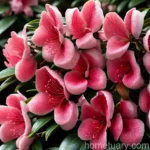
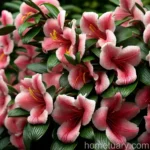
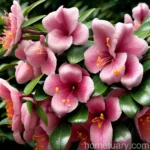
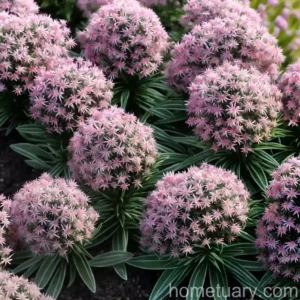
| Flower Color | Vivid shades of pink, resembling a bouquet of delicate blossoms |
| Foliage | Glossy, deep green leaves that maintain their luster throughout the year |
| Growth Habit | Compact and rounded, achieving a mature height and spread of around 5-6 feet |
| Hardiness Zone | Zones 5-8 |
| Soil pH | Acidic (pH 4.5 – 6.0) |
| Sunlight Requirements | Partial to full shade |
Culture
Water
Proper watering is crucial for the health and growth of Rhododendron ‘Else Frye’. These plants prefer consistently moist, well-drained soils and are sensitive to both drought and waterlogging. To ensure adequate moisture without waterlogging, consider the following watering tips:
- Water ‘Else Frye’ rhododendrons deeply but infrequently, allowing the soil to dry slightly between watering sessions.
- Mulch the base of the plant to conserve soil moisture and reduce the frequency of watering, especially during the hot summer months.
- Use rainwater or distilled water for irrigation, as ‘Else Frye’ rhododendrons are sensitive to the salts and minerals present in tap water.
Sunlight
While Rhododendron ‘Else Frye’ thrives in partial shade, it is essential to strike a balance between providing adequate sunlight and protecting the plant from intense afternoon sun. Here are some sunlight requirements and tips for ‘Else Frye’ rhododendrons:
- Ideally, position ‘Else Frye’ rhododendrons in locations with dappled sunlight or filtered shade, especially during the hottest part of the day.
- Avoid planting them in areas with extended exposure to harsh sunlight, as this can lead to leaf burn and excessive moisture loss.
Fertilizer
Fertilizing ‘Else Frye’ rhododendrons is vital for supporting healthy growth and abundant flowering. Consider the following guidelines when applying fertilizers:
- Use a slow-release, balanced fertilizer specifically formulated for acid-loving plants, and apply it in the early spring before new growth emerges.
- Avoid over-fertilization, as excessive nutrients can lead to foliage burn and poor flowering.
Soil
The soil requirements for Rhododendron ‘Else Frye’ are one of the most critical aspects of its cultivation. These plants thrive in well-drained, acidic soils with a pH level ranging from 4.5 to 6.0. Here’s how to ensure the ideal soil conditions for ‘Else Frye’ rhododendrons:
- Amend the soil with organic matter, such as pine bark or peat moss, to improve its drainage and acidity.
- Conduct a soil test to determine the pH level and adjust it as needed to create an acidic environment suitable for ‘Else Frye’ rhododendrons.
Pruning
Pruning plays a vital role in maintaining the shape, vigor, and flowering potential of Rhododendron ‘Else Frye’. Here are some pruning tips for effectively caring for these beautiful shrubs:
- Prune ‘Else Frye’ rhododendrons immediately after flowering to encourage new growth and enhance the next season’s flower production.
- Remove any dead or diseased branches, as well as crowded or crossing stems, to improve air circulation and promote overall plant health.
Propagation
There are several methods for propagating Rhododendron ‘Else Frye’, including:
- Cuttings: Take semi-hardwood cuttings in the summer and root them in a well-draining propagation medium.
- Layering: Encourage natural layering of low-hanging branches by burying a section of the stem in the soil and allowing it to develop roots while still attached to the parent plant.
Implementing proper propagation techniques can allow you to expand your ‘Else Frye’ rhododendron collection or share these beautiful plants with fellow gardening enthusiasts.
Container Popularity
Container Care
While ‘Else Frye’ rhododendrons are primarily grown in garden beds or outdoor landscapes, they can also thrive when cultivated in containers. When planting ‘Else Frye’ rhododendrons in containers, keep the following points in mind:
- Use a well-draining potting mix designed for acid-loving plants and ensure that the container has adequate drainage holes.
- Select a container that provides ample room for the plant’s root system and allows for future growth without becoming root-bound.
- Monitor the soil moisture closely, as containers can dry out more quickly than garden beds, especially during hot and windy weather.
Common Diseases
Disease Diagnosis
Rhododendron ‘Else Frye’ can be susceptible to several common diseases, including:
- Phytophthora Root Rot: This fungal disease can lead to wilting, yellowing leaves, and overall plant decline.
- Powdery Mildew: A grayish-white powdery growth on the leaves, often caused by fungal infections favored by high humidity and poor air circulation.
- Leaf Spot: Circular brown or black spots on the foliage, indicative of fungal or bacterial infections.
Accurate diagnosis of these diseases is essential for implementing the appropriate treatment and preventive measures to protect ‘Else Frye’ rhododendrons.
Common Pests
Pest Control
In addition to diseases, ‘Else Frye’ rhododendrons can attract various pests, including:
- Spider Mites: Tiny arachnids that can cause stippling and discoloration of the leaves.
- Azalea Lace Bugs: Small, winged insects that feed on the undersides of the leaves, leading to stippled and discolored foliage.
- Weevils: These beetle-like insects can cause notching and damage to the leaf margins.
Implementing pest control strategies, such as regular inspections, insecticidal soaps, and horticultural oils, can help mitigate the impact of these pests on ‘Else Frye’ rhododendrons.
Botanist’s Tips
To enhance the resilience and beauty of Rhododendron ‘Else Frye’, consider the following expert tips:
- Mulching: Apply a layer of organic mulch around the base of the plant to conserve soil moisture and moderate soil temperatures.
- Winter Protection: Shield ‘Else Frye’ rhododendrons from harsh winter winds and extreme temperatures by constructing windbreaks or burlap barriers.
- Air Circulation: Prune the interior branches to improve air circulation within the plant, reducing the risk of fungal diseases.
Fun Facts
As a plant scientist deeply fascinated by the world of flora, here are some intriguing facts about ‘Else Frye’ rhododendrons:
- The name “Rhododendron” is derived from the Greek words “rhodon,” meaning rose, and “dendron,” meaning tree, symbolizing the plant’s delicate, rose-like blooms.
- Rhododendron ‘Else Frye’ is a hybrid cultivar, developed by expert horticulturists to exhibit specific traits such as flower color, growth habit, and disease resistance.
- ‘Else Frye’ rhododendrons are known for attracting pollinators, including bees, butterflies, and hummingbirds, adding an element of dynamic wildlife interaction to the garden.
Links to External Resources
For further insights and detailed information on Rhododendron ‘Else Frye’ and related topics, explore the following authoritative resources:
- American Rhododendron Society
- Royal Horticultural Society – Rhododendron & Azaleas
- American Horticultural Society
- The Rhododendron Species Foundation & Botanical Garden
As you immerse yourself in the fascinating world of ‘Else Frye’ rhododendrons, may these resources serve as valuable references and sources of inspiration for your gardening endeavors.
In conclusion, Rhododendron ‘Else Frye’ stands as a captivating and enchanting addition to any garden or landscape, offering a harmonious blend of vibrant blooms, lush foliage, and a graceful growth habit. With the insights and guidance provided in this comprehensive guide, you are better equipped to nurture and appreciate the timeless beauty and botanical wonders of ‘Else Frye’ rhododendrons. Happy gardening!