The Beautiful Rhododendron ‘April Rose’: A Comprehensive Plant Care Guide
The Rhododendron ‘April Rose’ is an exquisite flowering plant that captivates with its stunning blooms and vibrant colors. As a plant scientist, I have delved deep into understanding this plant’s unique characteristics, growing requirements, and care strategies to offer you an all-encompassing guide. In this comprehensive plant care article, we will explore everything you need to know about the Rhododendron ‘April Rose’ – from its cultural significance to its propagation, pruning, and potential diseases and pests. Whether you are a seasoned gardener or a novice enthusiast, this guide will equip you with essential insights to nurture and showcase the splendor of the Rhododendron ‘April Rose’ in your garden.
What is Rhododendron ‘April Rose’?
Plant Name: Rhododendron ‘April Rose’
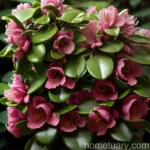
The Rhododendron ‘April Rose’ is a flowering shrub known for its abundant clusters of showy, rose-colored flowers that bloom in the spring. This cultivar belongs to the Rhododendron genus and is prized for its ornamental value, making it a popular choice for gardens, landscapes, and ornamental plantings. With its captivating beauty and relatively manageable care requirements, the ‘April Rose’ variety has garnered a dedicated following among gardening enthusiasts and landscape designers.
Key Takeaways
Before we dive into the specifics of caring for the Rhododendron ‘April Rose’, let’s highlight some key takeaways that will guide our exploration of this captivating plant:
- The ‘April Rose’ variety of Rhododendron is prized for its stunning rose-colored blooms and ornamental value.
- Understanding the cultural requirements, including water, sunlight, fertilizer, soil, and pruning, is crucial for nurturing healthy and vibrant Rhododendron ‘April Rose’ plants.
- Propagation techniques play a significant role in expanding your Rhododendron collection, and we will explore propagation methods tailored to this specific cultivar.
- Being aware of common diseases and pests that may affect the ‘April Rose’ variety will help you identify and address potential issues, preserving the health and beauty of your plants.
Now, let’s embark on a comprehensive journey to uncover the best practices for cultivating and caring for the striking Rhododendron ‘April Rose’.
Culture
Cultivating the Rhododendron ‘April Rose’ involves understanding and respecting its cultural requirements. From providing the right growing conditions to addressing its specific needs, a thoughtful approach to cultural practices is essential for nurturing healthy and thriving plants.
Water
Proper watering is crucial for the health and vitality of the Rhododendron ‘April Rose’. While it is essential to ensure an adequate water supply, it is equally important to prevent waterlogged conditions that can lead to root rot and other moisture-related issues. The following watering guidelines will help you maintain optimal soil moisture for your ‘April Rose’ plants:
-
Regular Watering: During the growing season, maintain consistent soil moisture by watering the Rhododendron ‘April Rose’ regularly. Be mindful of dry spells and adjust your watering frequency based on the plant’s needs and environmental conditions.
-
Well-Draining Soil: Ensure that the planting site or container provides good drainage to prevent water accumulation around the roots. Consider amending the soil with organic matter to improve its water retention and drainage properties.
-
Mulching: Apply a layer of mulch around the base of the ‘April Rose’ plants to conserve soil moisture and protect the roots from temperature fluctuations. Organic mulches, such as pine bark or wood chips, are excellent choices for Rhododendron cultivation.
-
Monitor Moisture Levels: Regularly check the soil moisture levels to prevent under- or overwatering. While the ‘April Rose’ appreciates moist soil, it is essential to avoid waterlogged conditions that can lead to root diseases.
By adhering to these watering guidelines, you can establish a balanced and effective watering routine for your Rhododendron ‘April Rose’, promoting healthy growth and abundant flowering.
Sunlight
Proper sunlight exposure is essential for the Rhododendron ‘April Rose’ to thrive and produce its iconic blooms. Understanding its sunlight requirements is pivotal for selecting an ideal planting location and ensuring optimal growing conditions for this exquisite cultivar:
-
Partial Shade: The ‘April Rose’ variety thrives in partial shade or dappled sunlight. When choosing a planting site, prioritize locations that offer protection from intense midday sun while providing gentle sunlight exposure throughout the day.
-
Filtered Light: If growing the ‘April Rose’ in a container or planning its placement in a garden bed, consider providing filtered light by situating it near taller plants or under the canopy of deciduous trees. This will allow the plant to receive the light it needs while being shielded from direct, harsh sunlight.
-
Morning Sun: Morning sunlight is generally well-tolerated by the ‘April Rose’ cultivar. Locations that receive gentle morning sun and shade during the hottest parts of the day offer an ideal balance for promoting healthy growth and abundant flowering.
Understanding the sunlight preferences of the Rhododendron ‘April Rose’ will guide you in selecting the most suitable planting locations and creating optimal growing conditions to showcase its magnificent blooms.
Fertilizer
Providing essential nutrients through fertilization is a vital aspect of caring for the Rhododendron ‘April Rose’. By implementing a well-balanced fertilization regimen, you can support the plant’s growth, enhance its flowering potential, and maintain overall health and vigor. Consider the following fertilizer strategies to ensure the optimal nourishment of your ‘April Rose’ plants:
-
Acidic Fertilizer: Rhododendrons, including the ‘April Rose’ variety, thrive in acidic soil conditions. Use a specialized acidic or azalea/rhododendron fertilizer to provide the necessary nutrients while maintaining the desired soil pH.
-
Seasonal Fertilization: Apply fertilizer in early spring before new growth emerges, and again in late spring to support flower bud development. Avoid fertilizing in late summer and fall to prevent stimulating late-season growth that can be vulnerable to frost damage.
-
Even Application: Distribute the fertilizer evenly around the root zone of the ‘April Rose’ plants, avoiding direct contact with the stems or foliage. Follow the manufacturer’s recommended application rates to prevent over-fertilization and potential harm to the plants.
-
Organic Options: Consider incorporating organic fertilizers, such as compost or well-decomposed manure, to enrich the soil and provide a gradual release of nutrients beneficial to the ‘April Rose’ cultivar.
By adhering to these fertilizer guidelines and selecting suitable products tailored to the needs of Rhododendrons, you can ensure that your ‘April Rose’ plants receive the essential nutrients for robust growth and prolific flowering.
Soil
The soil composition and structure play a pivotal role in the overall health and performance of the Rhododendron ‘April Rose’. Creating an optimal soil environment by addressing its acidity, drainage, and texture requirements is essential for fostering thriving plants. Consider the following soil-related best practices when cultivating the ‘April Rose’ variety:
-
Acidic Soil pH: Rhododendrons, including the ‘April Rose’ cultivar, thrive in acidic soil with a pH range of 4.5 to 6.0. Test the soil pH and amend it as needed to create a suitable acidic environment for your plants.
-
Well-Draining Soil: Ensure that the soil provides excellent drainage to prevent waterlogging and promote healthy root development. Incorporating organic matter, such as peat moss or compost, can improve the soil’s drainage and water retention capabilities.
-
Loose and Aerated Texture: Rhododendrons benefit from loose, well-aerated soil that allows the roots to access oxygen and essential nutrients. Avoid compacted or heavy clay soils, and consider incorporating perlite or coarse sand to improve the soil’s texture and structure.
-
Mulching Benefits: The application of organic mulch around the base of the ‘April Rose’ plants not only conserves soil moisture but also contributes to the gradual improvement of the soil structure and fertility as the mulch decomposes.
By addressing the soil requirements of the Rhododendron ‘April Rose’ and creating an environment tailored to its preferences, you can lay the foundation for healthy growth and prolific flowering, showcasing the plant’s ornamental appeal to its full potential.
Pruning
Pruning is an essential aspect of the care regimen for the Rhododendron ‘April Rose’. Strategic pruning not only helps maintain the plant’s desired size and shape but also contributes to promoting vigorous growth, enhancing flowering, and rejuvenating older specimens. Here are some key pruning techniques and considerations for the ‘April Rose’ variety:
-
Deadheading: After the flowering period, promptly remove spent blooms by deadheading the ‘April Rose’ plants. This practice encourages the plant to allocate its resources to new growth and flowering rather than seed production.
-
Selective Thinning: Periodically inspect the ‘April Rose’ shrubs and selectively remove crowded or crossing branches to improve air circulation and light penetration. This helps reduce the risk of disease and promotes the development of healthy, well-structured plants.
-
Size Control: If necessary, perform light pruning to maintain the desired size and shape of the ‘April Rose’ plants. Avoid heavy pruning outside the recommended timeframes to prevent compromising the plant’s ability to produce flowers for the following season.
-
Rejuvenation Pruning: For older or overgrown Rhododendron specimens, consider rejuvenation pruning to stimulate new growth and revitalization. This involves selectively removing older branches to encourage fresh, vigorous shoots and a rejuvenated appearance.
-
Timing and Technique: Conduct pruning activities immediately after the flowering period to minimize the impact on next season’s blooms. Use clean, sharp pruning tools and make precise cuts to promote rapid healing and minimize the risk of disease transmission.
By incorporating these pruning techniques into your care routine, you can manage the growth and appearance of the Rhododendron ‘April Rose’ while supporting its overall health and vitality, ensuring that it remains a focal point of beauty in your garden or landscape.
Propagation
The propagation of the Rhododendron ‘April Rose’ offers an opportunity to expand your collection of these captivating plants and share their beauty with fellow gardening enthusiasts. By understanding and implementing suitable propagation methods, you can cultivate new ‘April Rose’ specimens that inherit the desirable traits of the parent plant. Explore the following propagation strategies customized for the ‘April Rose’ cultivar:
-
Softwood Cuttings: Propagate the ‘April Rose’ variety using softwood cuttings taken in early summer when the new growth is just beginning to mature. Prepare the cuttings with a clean, sharp tool, and treat them with a rooting hormone for improved success rates.
-
Propagation Medium: Root the softwood cuttings in a well-draining, porous propagation medium, such as a mix of peat moss and perlite or vermiculite. Maintain consistent moisture and provide gentle bottom heat to promote root development.
-
High Humidity: Create a humid environment by covering the cuttings with a transparent dome or utilizing a propagation tray with a clear lid. This helps prevent excessive moisture loss and encourages the formation of healthy roots.
-
Monitoring and Transplanting: Regularly monitor the cuttings for signs of root development, such as new growth and resistance to gentle tugs. Once the roots have established, carefully transplant the rooted cuttings into individual pots and continue their care as young ‘April Rose’ plants.
By mastering these propagation techniques tailored to the ‘April Rose’ variety, you can effectively propagate new plants with the same captivating beauty and characteristics as the parent specimens, allowing you to expand your collection and share the allure of the ‘April Rose’ with others.
Container Popularity
The Rhododendron ‘April Rose’ holds strong appeal for container gardening enthusiasts, offering an opportunity to showcase its stunning blooms and ornamental value in a versatile and portable setting. By selecting suitable containers, providing optimal growing conditions, and implementing appropriate care practices, you can successfully cultivate the ‘April Rose’ variety in containers and adorn your outdoor spaces with its captivating presence. Explore the following container-related considerations for the ‘April Rose’ plants:
-
Container Selection: Choose spacious containers with adequate drainage holes and a capacity that accommodates the growth potential of the ‘April Rose’ plants. Select durable, weather-resistant materials, such as terracotta, fiberglass, or high-quality plastic, to ensure the longevity of the containers.
-
Growing Medium: Fill the containers with a well-draining, acidic potting mix formulated for azaleas and rhododendrons. Consider adding perlite or coarse sand to improve the soil’s structure and aeration, promoting healthy root development in the confined environment.
-
Watering Management: Monitor the soil moisture levels closely, especially during periods of active growth and flowering. Container-grown ‘April Rose’ plants may require more frequent watering to maintain optimal soil moisture, considering the limited volume and potential for faster moisture evaporation.
-
Sunlight Considerations: Position the containers in locations that provide partial shade or filtered light, protecting the ‘April Rose’ plants from intense sunlight and heat stress. Consider moving the containers to sheltered areas during extremely hot or windy conditions to prevent potential damage.
-
Overwintering Precautions: In regions with harsh winter conditions, provide protection for containerized ‘April Rose’ plants by situating them in sheltered areas or insulating the containers to minimize temperature fluctuations and protect the roots from freezing.
By embracing container gardening and tailoring your care practices to the specific needs of container-grown ‘April Rose’ plants, you can amplify the visual impact of this captivating cultivar, infusing your outdoor spaces with its radiant beauty and ornamental charm.
Common Diseases
As with any plant, the Rhododendron ‘April Rose’ is susceptible to certain diseases that can impact its health and vitality. Being aware of common diseases and their associated symptoms will enable you to identify and address potential issues promptly, implementing effective control measures to safeguard the well-being of your ‘April Rose’ plants. Familiarize yourself with the following prevalent diseases that may affect Rhododendron cultivars, including the ‘April Rose’ variety:
-
Phytophthora Root Rot: This fungal disease can cause root rot, wilting, and decline in affected plants. Signs include yellowing or browning foliage, wilting despite adequate soil moisture, and a general lack of vigor. Implementing proper drainage and avoiding overwatering can help prevent this disease.
-
Powdery Mildew: Powdery mildew presents as a white, powdery coating on the leaves and stems of the ‘April Rose’ plants. It thrives in humid conditions and can affect overall plant health. Improving air circulation, maintaining proper spacing, and avoiding overhead watering can help mitigate powdery mildew.
-
Azalea Lace Bug: These tiny insects can cause stippling and discoloration on the foliage of Rhododendron and azalea plants, including the ‘April Rose’ variety. Regular inspection and the application of horticultural oils or insecticidal soaps can help manage lace bug populations and minimize damage.
-
Phytophthora Dieback: This disease can lead to dieback of shoots and branches, affecting the appearance and growth of the ‘April Rose’ plants. Proper sanitation, prompt pruning of affected parts, and improving soil drainage can contribute to controlling and preventing phytophthora dieback.
By staying vigilant and monitoring your ‘April Rose’ plants for any signs of disease, you can promptly implement appropriate management strategies, such as cultural modifications, targeted treatments, and preventive measures, to protect your plants from the detrimental effects of common diseases.
Disease Diagnosis
Diagnosing and addressing diseases affecting the Rhododendron ‘April Rose’ requires a systematic approach that involves identifying symptoms, assessing potential causes, and implementing effective control measures. By following a structured process when diagnosing plant diseases, you can accurately pinpoint the issue and take informed steps to mitigate its impact. Consider the following steps for diagnosing diseases in the ‘April Rose’ plants:
-
Symptom Identification: Observe the ‘April Rose’ plants closely, looking for symptoms such as discoloration, wilting, abnormal growth, or the presence of pests. Note the specific characteristics of the symptoms, including their location, pattern, and severity.
-
Environmental Assessment: Evaluate the growing conditions, including sunlight exposure, soil moisture, drainage, and overall plant care practices. Determine if any environmental factors may be contributing to the observed symptoms, such as waterlogged soil or excessive humidity.
-
Pest Inspection: Check for the presence of pests, such as lace bugs or caterpillars, that may be causing damage to the ‘April Rose’ plants. Identify the type of pest, its typical feeding patterns, and any associated signs, such as stippling or leaf distortion.
-
Soil and Root Examination: Assess the soil moisture levels and inspect the roots of the ‘April Rose’ plants for signs of rot, discoloration, or damage. Consider conducting a soil pH test to determine if the soil acidity is within the optimal range for Rhododendrons.
-
Disease Confirmation: Consult references, extension resources, or diagnostic tools to narrow down potential diseases based on the observed symptoms and findings. Look for specific disease characteristics, such as fungal growth, leaf spots, or powdery residues, to aid in the identification process.
-
Treatment Plan: Based on the diagnosed disease, develop a targeted treatment plan that addresses the root cause of the issue. This may involve cultural modifications, such as adjusting watering practices, as well as the application of appropriate pesticides or fungicides if necessary.
By systematically diagnosing diseases affecting the Rhododendron ‘April Rose’ and addressing their underlying causes, you can effectively manage and mitigate the impact of diseases, preserving the health and beauty of your plants and ensuring their continued vibrancy in your garden or landscape.
Common Pests
Pests can pose a threat to the health and appearance of the Rhododendron ‘April Rose’, feeding on its foliage, sap, or roots and causing damage that can compromise the plant’s overall vigor. Familiarizing yourself with the common pests that may target the ‘April Rose’ variety will empower you to detect early signs of infestation and implement effective pest control measures. Consider the following prevalent pests that can affect Rhododendron cultivars, including the ‘April Rose’ variety:
-
Azalea Lace Bug (Stephanitis pyrioides): These small, winged insects feed on the underside of the foliage, causing stippling and discoloration. Infestations can affect the overall health and appearance of the ‘April Rose’ plants, warranting the implementation of targeted pest management strategies.
-
Caterpillars: Various caterpillar species may feed on the leaves of the ‘April Rose’ plants, causing irregular feeding patterns, holes, and defoliation. Regular inspection and the application of biological or targeted insecticides can help control caterpillar populations.
-
Spider Mites: These tiny arachnids can infest the foliage of Rhododendron plants, including the ‘April Rose’ variety, leading to stippled, discolored leaves and a general decline in plant health. Maintaining proper humidity levels and utilizing miticides can help manage spider mite infestations.
-
Weevils: Certain weevil species may target the Rhododendron ‘April Rose’, causing damage to the leaves and tender growth. Employing physical barriers, such as sticky traps, and applying targeted insecticides can aid in controlling weevil populations