Rheum x hybridum ‘Victoria’ (Rhubarb): A Comprehensive Guide to Cultivation and Care
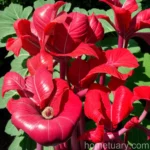
Rhubarb, scientifically known as Rheum x hybridum ‘Victoria’, is a perennial plant that is widely celebrated for its culinary uses and ornamental values. Its large, lush green leaves and vibrant red stalks make it a delightful addition to any garden. In this comprehensive guide, we will explore the characteristics, cultivation practices, care tips, and various aspects of growing and utilizing the Rheum x hybridum ‘Victoria’ plant.
What is Rheum x hybridum ‘Victoria’?
Rheum x hybridum ‘Victoria’ belongs to the family Polygonaceae. It is a hybrid rhubarb variety that resulted from the crossbreeding of Rheum rhabarbarum and Rheum rhaponticum. This plant is known for its robust growth and its ability to produce ample, flavorful stalks that are commonly used in cooking and baking. Traditionally, rhubarb is used in making pies, jams, and sauces, and it has also been recognized for its medicinal properties.
Characteristics of Rheum x hybridum ‘Victoria’
- Height: Rheum x hybridum ‘Victoria’ typically grows to a height of 2 to 3 feet.
- Leaf: The leaves are large, with a crinkled texture and a vibrant green color.
- Stalk: The stalks are thick and sturdy, with a bright red or pinkish hue.
- Flower: Rhubarb plants produce small, inconspicuous flowers in a clustered formation on tall stems.
Key Takeaways – Rheum x hybridum ‘Victoria’
Before delving into the specific aspects of cultivating and caring for Rheum x hybridum ‘Victoria’, it is important to highlight the key takeaways that will guide us through this comprehensive guide.
- Cultural Requirements: Understanding the ideal conditions and cultural practices that promote the optimal growth of Rheum x hybridum ‘Victoria’.
- Uses: Exploring the diverse uses of rhubarb, from culinary applications to medicinal purposes.
- Watering: Establishing the appropriate watering routines to sustain healthy growth.
- Sunlight: Identifying the sunlight preferences of Rheum x hybridum ‘Victoria and ensuring adequate exposure.
- Fertilizer: Implementing suitable fertilization practices to enrich the soil and nourish the plant.
- Soil: Understanding the soil requirements and composition that support the growth of rhubarb.
- Pruning: Implementing effective pruning techniques to enhance the plant’s productivity.
- Propagation: Exploring methods for propagating Rheum x hybridum ‘Victoria’ for expanding the plant population.
- Container Cultivation: Delving into the potential of cultivating rhubarb in containers.
- Popularity and Common Varieties: Recognizing the widespread popularity of rhubarb and the common varieties available.
- Diseases and Pests: Identifying common diseases and pests that affect Rheum x hybridum ‘Victoria’ and implementing suitable control measures.
- Botanist’s Tips: Incorporating expert tips and insights into the cultivation and care of Rheum x hybridum ‘Victoria’.
- Fun Facts: Uncovering intriguing and lesser-known facts about Rheum x hybridum ‘Victoria’.
With these key takeaways in mind, let us embark on a comprehensive exploration of the cultivation, care, and utilization of Rheum x hybridum ‘Victoria’.
Culture
Understanding the cultural requirements of Rheum x hybridum ‘Victoria’ is essential for ensuring its healthy growth and productivity. Several aspects, including water, sunlight, fertilizer, soil, and pruning, play a pivotal role in the plant’s cultural needs.
Water
Consistent and adequate watering is crucial for the thriving growth of Rheum x hybridum ‘Victoria’ plants. However, it is important to strike a balance, as excessive moisture can lead to root rot while insufficient watering can hinder the plant’s growth and yield.
- Watering Tips:
- Frequency: Water the plants regularly, ensuring that the soil remains consistently moist but not waterlogged.
- Deep Watering: Apply water deeply, ensuring that it reaches the root zone.
- Avoid Overhead Watering: Minimize overhead watering to prevent fungal diseases and foliar issues.
Sunlight
Rheum x hybridum ‘Victoria’ thrives in locations with ample sunlight, although it can tolerate partial shade. Optimal exposure to sunlight is crucial for stimulating robust growth and vibrant stalk production.
- Sunlight Preferences:
- Full Sun: Aim to provide at least 6 to 8 hours of direct sunlight for the rhubarb plants.
- Partial Shade: While Rheum x hybridum ‘Victoria’ prefers full sun, it can tolerate partial shade, especially in regions with intense heat.
Fertilizer
Applying the right balance of nutrients is essential for fostering the vigorous growth of Rheum x hybridum ‘Victoria. Fertilization should be tailored to meet the specific needs of rhubarb plants throughout their growth stages.
- Fertilization Guidelines:
- Balanced Fertilizer: Use a balanced, all-purpose fertilizer to provide essential nutrients, including nitrogen, phosphorus, and potassium.
- Timing: Apply fertilizer in early spring as new growth emerges and again in midsummer to support ongoing growth and stalk development.
- Avoid Excessive Nitrogen: While nitrogen is crucial for leafy growth, excessive nitrogen can result in lush foliage at the expense of robust stalks.
Soil
The soil composition significantly influences the growth and development of *Rheum x hybridum ‘Victoria’. It is important to ensure that the soil provides adequate drainage, fertility, and pH levels conducive to the plant’s well-being.
- Soil Requirements:
- Well-Draining: Rhubarb plants thrive in well-draining soil that prevents waterlogging.
- Fertility: Enrich the soil with organic matter, such as compost, to enhance fertility and provide essential nutrients.
- pH Levels: Aim for slightly acidic to neutral soil with a pH range of 6.0 to 7.0. Conduct a soil test to determine the pH and make necessary amendments.
Pruning
Pruning plays a vital role in maintaining the productivity and vigor of Rheum x hybridum ‘Victoria’ plants. It helps in the removal of old, decaying foliage and stimulates the plant to channel its energy into producing fresh, healthy growth.
- Pruning Practices:
- Remove Flower Stalks: Eliminate flower stalks to redirect the plant’s energy into stalk production and leaf development.
- Dead Leaf Removal: Trim and remove dead or yellowing leaves to maintain plant hygiene and aesthetic appeal.
- Seasonal Pruning: Conduct pruning in early spring when new growth emerges and in late fall after the plant goes dormant.
Uses
The uses of Rheum x hybridum ‘Victoria’ extend beyond its striking appearance; it is a versatile plant with diverse applications, ranging from culinary uses to medicinal and ornamental purposes.
Culinary Uses
Rhubarb is celebrated for its culinary versatility, particularly in the creation of delectable desserts, preserves, and savory dishes. The bright red stalks impart a unique tart flavor that adds character to various recipes.
- Recipes:
- Pies and Crumbles: Rhubarb is a popular choice for making pies, crumbles, and cobblers, where its tartness beautifully complements sweet ingredients.
- Jams and Preserves: The rich color and flavor of rhubarb make it ideal for preparing jams, preserves, and fruit compotes.
- Sauces: Rhubarb is used to make tangy sauces that pair well with meats and savory dishes.
- Baking: Incorporate rhubarb into muffins, cakes, and bread for a delightful twist in baked goods.
Medicinal Uses
Beyond its culinary appeal, rhubarb has a long history of use in traditional medicine. The plant’s roots are particularly valued for their potential health benefits, including digestive and anti-inflammatory properties.
- Traditional Remedies:
- Digestive Aid: In traditional medicine, rhubarb has been used to promote digestion and alleviate gastrointestinal discomfort.
- Anti-Inflammatory: Compounds present in rhubarb roots have been associated with anti-inflammatory properties, offering potential relief from certain conditions.
Ornamental Purposes
The bold foliage and visually striking stalks of Rheum x hybridum ‘Victoria’ render it an attractive addition to garden landscapes. Its ornamental value is further accentuated by its large, textured leaves and the vibrant coloration of its edible stalks.
- Landscape Accent: Plant rhubarb in garden beds or borders to introduce an eye-catching element to the landscape.
- Container Planting: Cultivate rhubarb in large containers to adorn patios, decks, and balconies with its foliage and stalks.
Water
Proper watering is essential for the well-being of Rheum x hybridum ‘Victoria’ plants. Maintaining an appropriate watering schedule and method ensures that the plant receives sufficient moisture without being susceptible to waterlogging or drought stress.
Watering Guidelines
- Thorough Watering: When watering, ensure that the soil is thoroughly moistened, allowing the water to penetrate the root zone.
- Frequency: Water rhubarb plants regularly, especially during dry periods, to prevent the soil from drying out completely.
- Avoid Overwatering: While it is crucial to maintain adequate moisture, overwatering should be avoided to prevent root rot and other related issues.
Sunlight
Rheum x hybridum ‘Victoria’ thrives in locations with ample sunlight, although it can tolerate partial shade. Optimal exposure to sunlight is crucial for stimulating robust growth and vibrant stalk production.
Sunlight Preferences
- Full Sun: Aim to provide at least 6 to 8 hours of direct sunlight for the rhubarb plants.
- Partial Shade: While Rheum x hybridum ‘Victoria’ prefers full sun, it can tolerate partial shade, especially in regions with intense heat.
Fertilizer
Applying the right balance of nutrients is essential for fostering the vigorous growth of Rheum x hybridum ‘Victoria. Fertilization should be tailored to meet the specific needs of rhubarb plants throughout their growth stages.
Fertilization Guidelines
- Balanced Fertilizer: Use a balanced, all-purpose fertilizer to provide essential nutrients, including nitrogen, phosphorus, and potassium.
- Timing: Apply fertilizer in early spring as new growth emerges and again in midsummer to support ongoing growth and stalk development.
- Avoid Excessive Nitrogen: While nitrogen is crucial for leafy growth, excessive nitrogen can result in lush foliage at the expense of robust stalks.
Soil
The soil composition significantly influences the growth and development of Rheum x hybridum ‘Victoria. It is important to ensure that the soil provides adequate drainage, fertility, and pH levels conducive to the plant’s well-being.
Soil Composition
- Well-Draining: Rhubarb plants thrive in well-draining soil that prevents waterlogging.
- Fertility: Enrich the soil with organic matter, such as compost, to enhance fertility and provide essential nutrients.
- pH Levels: Aim for slightly acidic to neutral soil with a pH range of 6.0 to 7.0. Conduct a soil test to determine the pH and make necessary amendments.
Pruning
Pruning plays a vital role in maintaining the productivity and vigor of Rheum x hybridum ‘Victoria’ plants. It helps in the removal of old, decaying foliage and stimulates the plant to channel its energy into producing fresh, healthy growth.
Pruning Techniques
- Remove Flower Stalks: Eliminate flower stalks to redirect the plant’s energy into stalk production and leaf development.
- Dead Leaf Removal: Trim and remove dead or yellowing leaves to maintain plant hygiene and aesthetic appeal.
- Seasonal Pruning: Conduct pruning in early spring when new growth emerges and in late fall after the plant goes dormant.
Propagation
Expanding the population of Rheum x hybridum ‘Victoria’ can be achieved through various propagation methods. Understanding the techniques for propagating rhubarb enables gardeners to multiply their plant stock and propagate desirable traits.
Propagation Methods
- Division: Divide mature rhubarb plants by separating the crowns and root systems to create new plantings.
- Root Cuttings: Propagate rhubarb by taking root cuttings and planting them in suitable growing medium to induce new growth.
- Offspring Separation: Separate and transplant the offspring produced by mature rhubarb plants to establish new plants.
Container Cultivation
While traditionally grown in garden beds, Rheum x hybridum ‘Victoria’ can also thrive when cultivated in containers. Container gardening offers flexibility and convenience, particularly for individuals with limited garden space.
Container Requirements
- Size: Choose large containers that provide ample space for the rhubarb’s robust root system and accommodate its mature size.
- Drainage: Ensure that the containers have sufficient drainage holes to prevent waterlogging and promote healthy root development.
- Quality Growing Medium: Use a well-balanced and fertile growing medium that offers adequate aeration and moisture retention.
Popularity and Common Varieties
Rhubarb enjoys widespread popularity among gardeners and culinary enthusiasts, and there are several common and noteworthy varieties available that cater to diverse preferences and growing conditions.
Common Varieties
- Rheum x hybridum ‘Timperley Early’: Known for its early harvesting, this variety produces tender, pink stalks with a sweet flavor.
- Rheum x hybridum ‘Glaskins Perpetual’: A reliable, robust variety that yields long, thick stalks with a traditional tart taste.
- Rheum x hybridum ‘Champagne’: Notable for its delicate, pale pink stalks that possess a particularly sweet flavor.
Diseases and Pests
Rheum x hybridum ‘Victoria’ is susceptible to certain diseases and pests that can impact its health and productivity. Understanding these potential issues and implementing appropriate control measures is crucial for maintaining plant vigor.
Common Diseases
- Leaf Spot: Fungal infections can lead to the development of leaf spot, characterized by dark spots on the foliage.
- Crown Rot: Excessive moisture and poor drainage can contribute to crown rot, which manifests as the decay of the plant’s crown and roots.
- Powdery Mildew: Humid and crowded conditions can foster the development of powdery mildew on the leaves, appearing as a white, powdery growth.
Disease Diagnosis
- Visual Symptoms: Regularly inspect the plants for any signs of discoloration, spotting, or unusual growth on the leaves and stems.
- Soil Analysis: Conduct a soil analysis to assess the soil’s drainage and pH, as certain diseases may be linked to soil conditions.
- Fungal Testing: If fungal infections are suspected, consider sending samples to a diagnostic lab for accurate identification of the pathogens.
Common Pests
- Aphids: These tiny insects feed on the sap of rhubarb plants, potentially causing stunted growth and leaf distortion.
- Slugs and Snails: These pests can inflict damage by feeding on the foliage and causing irregular holes and shredding on the leaves.
- Spider Mites: Spider mite infestations can lead to the development of fine webbing on the leaves and a decline in plant health.
Pest Control Measures
- Natural Predators: Encourage the presence of natural predators, such as ladybugs and predatory mites, to manage aphid and spider mite populations.
- Cultural Practices: Promote good hygiene and air circulation to deter pest infestations, and manually remove slugs and snails from the plants.
- Organic Sprays: Utilize organic insecticidal soaps and neem oil to control aphids and spider mites while minimizing harm to beneficial insects.
Botanist’s Tips
Drawing from the expertise of botanists and seasoned gardeners provides valuable insights and practical tips for successfully cultivating and caring for Rheum x hybridum ‘Victoria’.
Expert Recommendations
- Soil Preparation: Ensure thorough soil preparation, incorporating organic matter and amendments to create a nutrient-rich and well-draining growing environment.
- Mulching: Apply an appropriate layer of mulch around the plants to suppress weed growth, retain moisture, and maintain consistent soil temperatures.
- Companion Planting: Explore companion planting with rhubarb to promote biodiversity and natural pest control while maximizing garden space.
Fun Facts
Discovering intriguing and lesser-known facts about Rheum x hybridum ‘Victoria’ adds a layer of fascination and appreciation for this remarkable plant.
- Historical Significance: Rhubarb has been cultivated for culinary and medicinal uses for centuries, with historical records of its consumption dating back to ancient China.
- Edible Stalks: While the stalks are widely used in cooking, it is important to note that the leaves are toxic and should not be consumed.
- Forced Rhubarb: In certain regions, rhubarb is cultivated in heated, darkened environments to produce “forced” stalks that are notably tender and sweet.
As we’ve navigated through the comprehensive guide to cultivating and caring for Rheum x hybridum ‘Victoria’, it becomes evident that this plant offers a rich tapestry of culinary, ornamental, and medicinal contributions. Embracing the best practices and insights shared in this guide will undoubtedly empower gardeners and enthusiasts to nurture thriving Rheum x hybridum ‘Victoria’ plants while savoring its many delights.
Links to External Resources
For further exploration and in-depth information on Rheum x hybridum ‘Victoria’, consider referring to the following resources:
- Royal Horticultural Society – Growing Rhubarb
- University of Illinois Extension – Rhubarb
- The Ohio State University – Growing Rhubarb in the Home Garden
Incorporating insights from these reputable sources will augment your understanding and proficiency in cultivating Rheum x hybridum ‘Victoria’.
In conclusion, Rheum x hybridum ‘Victoria’ stands as a captivating and multifaceted plant that enriches gardens, kitchens, and beyond. By embracing the cultivation practices, care tips, and diverse applications elucidated in this guide, individuals can embark on a rewarding journey of nurturing and savoring the many facets of this exceptional plant.