Rheum palmatum (Chinese Rhubarb): A Fascinating Plant with Many Uses
Rheum palmatum, commonly known as Chinese Rhubarb, is a fascinating plant that has been cherished for centuries for its medicinal, culinary, and ornamental uses. In this comprehensive guide, we will explore the diverse aspects of Rheum palmatum, including its cultural significance, traditional uses, growing requirements, common diseases and pests, and much more. Whether you are a gardening enthusiast, a herbal medicine advocate, or simply intrigued by the wonders of nature, there is much to discover about this remarkable plant.
What is Rheum palmatum (Chinese Rhubarb)?
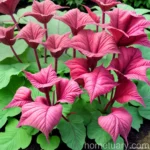
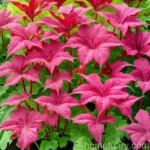
Rheum palmatum is a perennial herbaceous plant that belongs to the family Polygonaceae. It is native to the regions of western China, Tibet, and Mongolia, where it thrives in diverse ecological conditions. The plant is characterized by its large, palmate leaves and sturdy, fleshy rhizomes, which are the primary source of its medicinal properties. Chinese Rhubarb has a long history of traditional use in Chinese medicine and is also valued for its tart, tangy-flavored stalks, which are used in culinary preparations.
Key Takeaways – Rheum palmatum (Chinese Rhubarb)
Before delving into the specifics of Rheum palmatum, it is essential to highlight some key takeaways about this remarkable plant. These takeaways provide a snapshot of the various aspects that will be discussed in detail throughout this guide.
- Cultural Significance: Rheum palmatum holds significant cultural and historical importance, particularly in traditional Chinese medicine and culinary traditions.
- Medicinal Properties: The roots of Rheum palmatum are prized for their medicinal properties, which include digestive benefits and potential therapeutic applications.
- Culinary Uses: The stalks of Chinese Rhubarb are used in a variety of culinary preparations, adding a distinctive tartness to dishes such as pies, jams, and sauces.
- Growing Requirements: Rheum palmatum has specific requirements for water, sunlight, soil, and fertilizer, which are crucial for its successful cultivation.
- Propagation and Pruning: Understanding effective propagation and pruning techniques is essential for maintaining healthy and productive Rheum palmatum plants.
- Common Diseases and Pests: Like all plants, Chinese Rhubarb is susceptible to certain diseases and pests, and recognizing and addressing these issues is important for plant health.
With these key takeaways in mind, let’s delve deeper into the various aspects of Rheum palmatum, ranging from its cultural uses to practical gardening tips and techniques.
Culture
History and Traditional Uses
Rheum palmatum has a rich and diverse cultural history, particularly in the regions where it is indigenous. In traditional Chinese medicine, Chinese Rhubarb has been valued for thousands of years for its purgative and digestive properties. The roots of the plant, known as “dà huáng” in Chinese, have been used to address various health concerns, including constipation, gastrointestinal discomfort, and liver issues. Chinese Rhubarb is also renowned for its potential anti-inflammatory and antioxidant properties, which have sparked interest in modern scientific research.
Aside from its medicinal significance, Rheum palmatum has made its mark in culinary traditions as well. The tart, tangy flavor of its stalks has led to their widespread use in a range of dishes, from sweet desserts to savory sauces. In traditional Chinese cuisine, Rhubarb is often used as an ingredient in compotes, preserves, and stir-fries. It is also used to prepare a traditional tonic known as “Rhubarb sour soup,” which is believed to have digestive benefits.
Symbolism and Folklore
In addition to its practical uses, Chinese Rhubarb holds symbolic and folklore significance in various cultures. In traditional Chinese folklore, Rheum palmatum is associated with qualities such as strength, resilience, and vitality. The robust growth of the plant and the rejuvenating properties attributed to its roots have contributed to its symbolism as a plant of endurance and renewal.
Moreover, in some traditional belief systems, Rheum palmatum is associated with protection and warding off negative energies. It is often planted near entranceways or incorporated into protective talismans as a symbol of safeguarding against harm. These symbolic associations highlight the deep-rooted cultural significance of Chinese Rhubarb beyond its tangible uses.
Uses
Medicinal Uses
One of the most well-known and extensively documented uses of Rheum palmatum is its medicinal applications. The roots and rhizomes of the Chinese Rhubarb plant contain a complex array of bioactive compounds, including anthraquinones, tannins, and flavonoids, which are credited with its therapeutic properties.
Rheum palmatum Benefits
- Digestive Health: Chinese Rhubarb is primarily recognized for its beneficial effects on digestive health. It has been traditionally used to alleviate constipation, promote bowel regularity, and support overall gastrointestinal function.
- Liver Support: Some traditional practices and modern studies suggest that Chinese Rhubarb may have hepatoprotective properties, potentially aiding in the protection and detoxification of the liver.
- Anti-Inflammatory Action: Certain components of Rheum palmatum have shown anti-inflammatory properties, which may be beneficial in addressing inflammatory conditions and promoting overall wellness.
Chinese Rhubarb has also been used in traditional medicine systems beyond China, with similar applications in Ayurveda and Tibetan medicine. The plant’s deep-rooted history as a digestive aid and purgative has contributed to its widespread recognition in the realm of natural remedies.
Rheum palmatum Therapeutic Properties
While traditional uses of Chinese Rhubarb have focused on its role in digestive health, contemporary research has shed light on its potential therapeutic properties in various health domains. Some of the potential therapeutic properties associated with Rheum palmatum include:
- Antioxidant Activity: Compounds found in Chinese Rhubarb may exhibit antioxidant effects, which are valuable for combating oxidative stress and cellular damage.
- Anti-Microbial Potential: Certain constituents of the plant have displayed antimicrobial properties, suggesting potential applications in addressing microbial infections and promoting microbial balance.
- Anticancer Effects: Preliminary studies have explored the potential anticancer properties of Rheum palmatum components, with promising results in preclinical models.
These findings underscore the diverse and multifaceted nature of the therapeutic properties associated with Chinese Rhubarb, prompting ongoing scientific exploration into its potential medicinal applications.
Culinary Uses
Beyond its medicinal significance, the tart and tangy stalks of Chinese Rhubarb are prized for their culinary versatility. While the roots are the primary focus in traditional medicine, the stalks lend themselves to a wide range of culinary creations. Some common culinary uses of Rhubarb include:
- Desserts: Rhubarb is a popular ingredient in dessert preparations, such as pies, tarts, crumbles, and cakes. Its distinctive flavor adds a delightful tanginess to sweet treats, often complemented by fruits such as strawberries and raspberries.
- Preserves and Jams: The tartness of Rhubarb makes it an ideal candidate for making preserves, jams, and fruit compotes. Its natural acidity contributes to creating well-balanced and flavorful preserves.
- Sauces and Chutneys: Rhubarb’s unique flavor profile is well-suited for making savory sauces and chutneys, which can accompany meats, cheeses, and other dishes.
- Beverages: The stalks of Rhubarb can be used to prepare refreshing beverages, including homemade juices, syrups, and even alcoholic infusions.
In various cuisines around the world, Rhubarb has established a place in both sweet and savory culinary traditions, offering a distinct and memorable flavor experience.
Plant Care
Successfully growing and maintaining Rheum palmatum requires attention to various factors, including water, sunlight, soil, fertilizer, pruning, and propagation. By understanding and addressing these specific care requirements, you can cultivate healthy and thriving Chinese Rhubarb plants.
Water
Proper watering is essential for the health and vitality of Rheum palmatum. While the plant prefers consistently moist soil, it is crucial to avoid waterlogging, as excessive moisture can lead to root rot. Here are some watering guidelines to consider:
- Consistent Moisture: Chinese Rhubarb thrives in soil that is consistently moist but well-draining. Regular, deep watering is preferable to frequent, shallow watering, as it encourages the development of a robust root system.
- Avoid Waterlogging: Ensure that the soil has adequate drainage to prevent waterlogging, which can compromise the health of the plant.
- Monitor Soil Moisture: Regularly check the moisture levels in the soil to determine when watering is necessary. Adjust your watering frequency based on environmental factors such as temperature and humidity.
Sunlight
Rheum palmatum thrives in locations with ample sunlight, though it can also tolerate partial shade. When selecting a site for planting, consider the following sunlight requirements:
- Full Sun to Partial Shade: Chinese Rhubarb performs best in full sun, receiving at least six hours of direct sunlight each day. However, it can also thrive in partial shade, particularly in regions with hot summers.
- Protection from Intense Afternoon Sun: In areas with extremely hot summers, providing some protection from intense afternoon sun can prevent stress on the plant.
To optimize the growth and productivity of Chinese Rhubarb, ensure that it is planted in a location that receives appropriate sunlight based on the local climate and environmental conditions.
Fertilizer
While Chinese Rhubarb is adaptable to various soil types, it benefits from the addition of organic matter and balanced fertilization. Consider the following fertilizer recommendations for optimal plant growth:
- Organic Amendments: Incorporate well-rotted compost or aged manure into the soil before planting to provide essential nutrients and improve soil structure.
- Balanced Fertilizer Application: Once established, apply a balanced, slow-release fertilizer in early spring to support healthy growth. Avoid excessive nitrogen, as it may lead to lush foliage at the expense of root development.
- Mulching: Mulch around the base of the plant with organic materials to conserve moisture, suppress weeds, and gradually release nutrients into the soil.
By providing adequate nutrition through organic amendments and balanced fertilization, you can promote vigorous growth and resilience in Chinese Rhubarb plants.
Soil
Chinese Rhubarb thrives in well-drained, fertile soil with a slightly acidic to neutral pH. When preparing the soil for planting or maintaining established plants, keep the following soil considerations in mind:
- Loose and Fertile Soil: Ensure that the soil is loose, well-draining, and rich in organic matter to support healthy root development and nutrient uptake.
- pH Range: Aim for a slightly acidic to neutral pH range between 6.0 and 7.0, as this provides an optimal growing environment for Chinese Rhubarb.
- Soil Amendments: Incorporate organic compost, well-rotted manure, or peat moss into the soil to improve its structure, fertility, and moisture retention capacity.
By preparing and maintaining suitable soil conditions, you can create an optimal growing environment for Rheum palmatum, supporting its long-term health and productivity.
Pruning
Pruning plays a crucial role in managing the growth and vitality of Rheum palmatum, particularly in relation to the stalks and foliage. When engaging in pruning activities, consider the following practices:
- Stalk Harvesting: When harvesting the stalks for culinary use, cut them at the base using a sharp, clean blade. Avoid removing more than two-thirds of the stalks at once to ensure the plant’s vigor and regrowth.
- Foliage Maintenance: Remove any damaged, yellowing, or diseased foliage to maintain the plant’s overall health and aesthetics. Prune away spent flower stalks to redirect the plant’s energy towards growth and root development.
Pruning activities should be undertaken with care and consideration for the plant’s natural growth patterns, aiming to promote its longevity and productivity.
Propagation
In order to expand your Chinese Rhubarb garden or share the plant with others, effective propagation techniques are essential. Rheum palmatum can be propagated through division, seeds, or root cuttings, each method offering unique advantages and considerations:
- Division: Divide established clumps of Rheum palmatum in early spring or late autumn to create new plants. Ensure that each division has a healthy portion of rhizome and sufficient buds for regrowth.
- Seeds: While Chinese Rhubarb seeds require stratification for germination, they offer a reliable and cost-effective method for propagating the plant. Sow seeds indoors in early spring or directly in the garden after the last frost.
- Root Cuttings: Take root cuttings from mature plants in late autumn or early winter, ensuring that each cutting is approximately 3 to 4 inches long. Plant the cuttings horizontally in prepared soil and keep them moist until new growth emerges.
By utilizing appropriate propagation methods and providing favorable environmental conditions, you can successfully propagate Chinese Rhubarb and expand its presence in your garden.
Container Popularity
While Chinese Rhubarb is commonly grown in garden beds or larger outdoor spaces, it can also thrive in container gardens, making it a popular choice for urban and small-space gardening. When grown in containers, consider the following factors for success:
- Container Size: Use large, deep containers to accommodate the extensive root system of Rheum palmatum and provide ample space for growth.
- Well-Draining Soil: Select a high-quality potting mix that provides good drainage and aeration for the plant’s roots.
- Sunlight Requirements: Place the container in a location that receives adequate sunlight, ensuring that the plant receives at least six hours of direct sunlight each day.
By adapting to container gardening, Chinese Rhubarb can be enjoyed in a variety of settings, including patios, balconies, and other confined spaces, without compromising its growth and productivity.
Common Diseases
As with any plant, Chinese Rhubarb is susceptible to certain diseases, which, if left unmanaged, can compromise its health and productivity. Some common diseases that may affect Rheum palmatum include:
- Root Rot: Prolonged periods of waterlogging or overly moist conditions can lead to root rot, characterized by yellowing, wilting, and decay of the roots.
- Powdery Mildew: Fungal infections such as powdery mildew can affect the foliage of Chinese Rhubarb, leading to a powdery white coating on the leaves and potential stunted growth.
- Bacterial Leaf Spot: This disease manifests as round, dark lesions on the leaves, often leading to leaf yellowing and defoliation over time.
Early detection and prompt management are essential for mitigating the impact of these diseases and preserving the health of Rheum palmatum.
Disease Diagnosis
Accurately diagnosing and identifying plant diseases is critical for implementing effective management strategies. When observing abnormalities in Chinese Rhubarb, consider the following diagnostic steps:
- Visual Inspection: Examine the leaves, stems, and roots for any signs of discoloration, lesions, wilting, or abnormal growth patterns.
- Symptom Analysis: Note the specific symptoms exhibited by the plant, such as leaf spots, yellowing, or decay, and assess their extent and severity.
- Laboratory Analysis: When in doubt, consider seeking professional assistance or laboratory analysis to identify the underlying cause of the observed symptoms.
By diagnosing diseases accurately, you can take targeted steps to address the specific issues affecting Chinese Rhubarb and prevent their escalation.
Common Pests
In addition to diseases, certain pests can pose a threat to the health and vigor of Rheum palmatum. Being vigilant about pest management is essential for safeguarding the plant from potential infestations. Some common pests that may affect Chinese Rhubarb include:
- Aphids: These small, sap-sucking insects can congregate on the foliage and stems of the plant, leading to stunted growth and potentially causing the distortion of new growth.
- Slugs and Snails: These voracious feeders can damage the leaves and stalks of Chinese Rhubarb, particularly in areas with high humidity and moisture.
- Rhubarb Curculio: This specialized weevil targets the stems of Rhubarb plants, creating characteristic feeding scars and causing significant damage to the stalks.
Implementing proactive pest management strategies can help protect Chinese Rhubarb from the detrimental effects of pest infestations and minimize their impact.
Botanist’s Tips
As a plant enthusiast or botanist seeking to cultivate and appreciate the magnificence of Rheum palmatum, incorporating the following tips into your approach can enhance your experience with this exceptional plant:
- Cultural Appreciation: Delve into the cultural and historical significance of Chinese Rhubarb, exploring its traditional uses, folklore, and symbolism to gain a comprehensive understanding of its value.
- Selective Cultivation: Consider cultivating specific varieties of Rheum palmatum or exploring different ecotypes to appreciate the diverse characteristics and adaptations of the plant.
- Research and Experimentation: Stay curious and engaged with ongoing research and experimentation related to Chinese Rhubarb, whether in the realms of herbal medicine, culinary innovation, or horticultural techniques.
By embracing these tips, you can deepen your connection with Chinese Rhubarb and enrich your experience as a plant enthusiast and advocate.
Fun Facts
Myth and Legend
In traditional folklore, Chinese Rhubarb has been associated with various myths and legends that highlight its esteemed status in cultural narratives. One such legend describes the origins of Chinese Rhubarb as a gift from the gods, symbolizing the plant’s divine qualities and enduring significance in human culture.
Historical Significance
Rheum palmatum has been documented in historical texts and records dating back thousands of years, underscoring its enduring presence and relevance in human history. Its representation in ancient writings and accounts offers insights into its role as a plant of profound cultural and medicinal importance.
Cultural Practices
In various cultures where Chinese Rhubarb has been embraced, specific cultural practices and rituals have revolved around the plant, reflecting its status as a revered botanical entity. From ceremonial plantings to traditional harvest celebrations, the cultural practices associated with Chinese Rhubarb highlight the deep respect and admiration accorded to the plant.
Links to External Resources
To further expand your knowledge and exploration of Rheum palmatum, consider exploring the following external resources:
- The Royal Horticultural Society – Rhubarb
- Chinese Rhubarb: Its Medicinal Use And Recent Research
- Culinary Uses of Rhubarb
- Traditional and Medicinal Uses of Rheum palmatum
In conclusion, Rheum palmatum, or Chinese Rhubarb, exemplifies the intricate interplay between cultural, medicinal, and horticultural dimensions. Its enduring significance in traditional Chinese medicine, culinary traditions, and cultural narratives underscores its multifaceted role as a plant of profound importance. By understanding and engaging with the rich tapestry of uses, cultivation practices, and historical connotations associated with Chinese Rhubarb, we gain a deeper appreciation for the nuanced and captivating world of plants. Whether as a source of medicinal remedies, a culinary delight, or a botanical gem, Rheum palmatum continues to captivate and inspire enthusiasts and scholars alike with its remarkable attributes and diverse contributions to human well-being and cultural heritage.