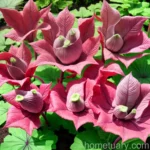
Rheum x hybridum ‘Crimson Red’ (Rhubarb): A Comprehensive Guide
Rhubarb, scientifically known as Rheum x hybridum ‘Crimson Red’, is a versatile and intriguing plant with a rich history and a wide array of uses. From culinary delight to medicinal applications, this plant has captured the interest of gardeners, chefs, and herbalists alike.
In this comprehensive guide, we will delve into the intricate details of caring for Rheum x hybridum ‘Crimson Red’, exploring its culture, uses, propagation, common diseases, pests, and much more. Whether you are a seasoned gardener or a beginner with a green thumb, this guide aims to provide you with all the essential information you need to unlock the full potential of this remarkable plant.
What is Rheum x hybridum ‘Crimson Red’ (Rhubarb)?
Rheum x hybridum ‘Crimson Red’, commonly known as rhubarb, is a perennial plant prized for its edible stalks and ornamental foliage. Belonging to the family Polygonaceae, this hybrid species is a result of complex breeding involving several rhubarb species, primarily Rheum rhabarbarum and Rheum palmatum. This crossbreeding has given rise to numerous cultivars, with ‘Crimson Red’ being a popular and esteemed variety.
The iconic feature of Rheum x hybridum ‘Crimson Red’ is its thick, red stalks and large, textured leaves. While the stalks are the sought-after edible part, the leaves are not consumed due to their high levels of oxalic acid, which can be toxic if ingested in large quantities.
The plant is known for its robust growth and hardiness, often thriving in various climates and soil conditions. With the right care and attention, it can become a prolific producer of delectable rhubarb stalks, making it a valuable addition to any garden or kitchen.
Key Takeaways – Rheum x hybridum ‘Crimson Red’
Before delving deeper into the specifics of caring for Rheum x hybridum ‘Crimson Red’, let’s highlight some key takeaways about this fascinating plant:
- Genus and Species: Rheum x hybridum ‘Crimson Red’
- Common Name: Rhubarb
- Plant Type: Herbaceous perennial
- Primary Usage: Edible stalks for culinary purposes
- Ornamental Features: Large, textured leaves and thick, red stalks
- Growth Habit: Vigorous and clump-forming
- Hardiness: Generally hardy, varying by cultivar
- Primary Cultivar: ‘Crimson Red’ – known for its vibrant red stalks
- Caution: Leaves contain oxalic acid and are not edible
Rheum x hybridum ‘Crimson Red’ is renowned for its distinct visual appeal and multifaceted uses, making it a compelling specimen for both gardeners and enthusiasts of culinary and alternative medicine.
Now, let’s proceed to explore the detailed care guidelines for this remarkable plant across various aspects such as culture, water, sunlight, fertilizer, soil, pruning, propagation, and more.
Culture of Rheum x hybridum ‘Crimson Red’
Cultivating Rheum x hybridum ‘Crimson Red’ entails understanding its specific cultural requirements to ensure optimal growth and bountiful harvests. From suitable climate conditions to planting considerations, the culture of this plant plays a pivotal role in its overall well-being.
Climate
Rheum x hybridum ‘Crimson Red’ typically thrives in temperate climates, with a preference for cool, moist conditions. Adequate winter chilling is often necessary to prompt vigorous growth and robust stalk production in the following season. While the plant can withstand colder temperatures, prolonged exposure to extreme frost may impact its vitality.
Planting
When selecting a planting site for Rheum x hybridum ‘Crimson Red’, it is essential to choose an area with well-drained soil and ample sunlight. The plant benefits from fertile, loamy soil with good moisture retention capabilities. Additionally, providing sufficient space between individual plants is crucial to accommodate their expansive growth and ensure proper air circulation.
Watering Rheum x hybridum ‘Crimson Red’
Effective watering practices are integral to the health and productivity of Rheum x hybridum ‘Crimson Red’. Understanding the plant’s water requirements, along with appropriate irrigation strategies, is essential for maintaining optimal moisture levels in the soil and preventing water-related stress.
Water Needs
Rheum x hybridum ‘Crimson Red’ exhibits moderate water requirements, with a preference for consistent moisture throughout the growing season. Adequate hydration is particularly crucial during periods of active growth and stalk development. While the plant benefits from regular watering, it is equally important to avoid waterlogged conditions, as excessively wet soil can lead to root rot and other detrimental consequences.
Irrigation Practices
When irrigating Rheum x hybridum ‘Crimson Red’, a thorough yet controlled approach is advisable. Deep, infrequent watering sessions, allowing moisture to penetrate the root zone, promote robust root development and reduce the likelihood of surface-level drying. Mulching around the base of the plants can also aid in moisture retention and minimize evaporation, contributing to more efficient water utilization.
Sunlight Requirements for Rheum x hybridum ‘Crimson Red’
Sunlight serves as a vital energy source for Rheum x hybridum ‘Crimson Red’, influencing its growth, photosynthetic processes, and overall vigor. Understanding the plant’s sunlight requirements enables gardeners to optimize its exposure and harness the benefits of adequate light for robust stalk production and foliar development.
Sun Exposure
Rheum x hybridum ‘Crimson Red’ thrives in locations with ample sunlight, preferably receiving at least 6 to 8 hours of direct sun exposure each day. Positioning the plants in an area with unobstructed access to sunlight facilitates optimal photosynthesis, enabling the production of energy-rich compounds essential for growth and metabolic processes.
Partial Shade Considerations
While sunlight is crucial for the productivity of Rheum x hybridum ‘Crimson Red’, the plant can also tolerate partial shade, especially in regions with intense midday sun or high temperatures. Providing partial shade during the hottest part of the day can offer protection against excessive heat stress and mitigate the risk of sunscald on the leaves and stalks.
Fertilizer Requirements for Rheum x hybridum ‘Crimson Red’
Nourishing Rheum x hybridum ‘Crimson Red’ with suitable fertilizers is instrumental in supporting its growth, enhancing stalk production, and fortifying overall plant health. By understanding the plant’s fertilizer needs and employing appropriate feeding regimens, gardeners can foster strong, resilient plants capable of yielding abundant harvests.
Nutrient Preferences
Rheum x hybridum ‘Crimson Red’ benefits from a balanced supply of essential nutrients, with an emphasis on nitrogen, phosphorus, and potassium. Nitrogen supports vigorous vegetative growth and lush foliage, phosphorus contributes to robust root development and flowering, and potassium aids in overall plant vigor and disease resistance.
Feeding Schedule
Feeding Rheum x hybridum ‘Crimson Red’ with a well-rounded fertilizer, such as a balanced 10-10-10 formulation or organic alternatives, is recommended during the early spring months. Additionally, a supplemental application before the onset of flowering can bolster stalk development and fortify the plant for the growing season.
Soil Requirements for Rheum x hybridum ‘Crimson Red’
The soil in which Rheum x hybridum ‘Crimson Red’ is cultivated plays a pivotal role in its overall well-being and productivity. By ensuring the presence of key soil attributes and addressing potential deficiencies, gardeners can create an optimal growing environment that promotes vigorous growth and abundant rhubarb yields.
Soil Type
Rheum x hybridum ‘Crimson Red’ thrives in fertile, well-drained soil with a slightly acidic to neutral pH range, typically ranging from 6.0 to 7.0. Loamy soils, rich in organic matter and conducive to moisture retention, provide an ideal foundation for the plant’s root development and nutrient uptake.
Soil Amendments
Incorporating organic matter, such as compost or well-rotted manure, into the soil before planting Rheum x hybridum ‘Crimson Red’ can enhance its nutrient content and improve soil structure. Additionally, conducting periodic soil tests to assess nutrient levels and pH balance enables gardeners to make informed decisions regarding targeted soil amendments and corrective measures.
Pruning Rheum x hybridum ‘Crimson Red’
Pruning plays a significant role in the maintenance and productivity of Rheum x hybridum ‘Crimson Red’, influencing the plant’s overall vigor, stalk production, and aesthetic appeal. By mastering the art of proper pruning techniques, gardeners can guide the growth of the plant and optimize its performance throughout the growing season.
Stalk Harvesting
The primary form of “pruning” for Rheum x hybridum ‘Crimson Red’ involves the selective harvest of mature stalks, typically starting in the second year after planting. Utilizing a sharp, clean knife or shears, stalks can be cut at the base and gently twisted to facilitate their removal without causing damage to the plant. It is crucial to avoid harvesting more than two-thirds of the total stalks at any given time, allowing the plant to maintain vital energy reserves for sustained growth.
Leaf Removal
In instances where the leaves of Rheum x hybridum ‘Crimson Red’ exhibit signs of disease, damage, or excessive senescence, selective removal of affected foliage is beneficial. This preventive measure helps mitigate the spread of potential diseases and promotes improved air circulation within the plant canopy, reducing the risk of moisture-related issues.
Propagation of Rheum x hybridum ‘Crimson Red’
Multiplying Rheum x hybridum ‘Crimson Red’ through effective propagation methods allows gardeners to expand their rhubarb collection and cultivate new plants with desired traits. Understanding the various propagation techniques suitable for this plant empowers enthusiasts to propagate Rheum x hybridum ‘Crimson Red’ successfully and diversify their garden or growing space.
Division
Dividing established clumps of Rheum x hybridum ‘Crimson Red’ is a common and reliable propagation method, typically carried out during the plant’s dormant season or early spring. By carefully separating the rhizomes and ensuring that individual divisions possess healthy buds or crowns, gardeners can create viable segments for replanting and initiating new growth.
Seed Propagation
Growing Rheum x hybridum ‘Crimson Red’ from seeds allows for the introduction of novel genetic variations and the development of new cultivars. Sowing freshly harvested seeds in a prepared seedbed or containers, followed by consistent moisture and suitable environmental conditions, facilitates the germination and establishment of young rhubarb seedlings.
Rheum x hybridum ‘Crimson Red’ in Containers
While Rheum x hybridum ‘Crimson Red’ is commonly cultivated in garden beds and open spaces, it also exhibits adaptability to container-based growing systems, offering versatility and convenience for gardeners with limited space or specific growing requirements.
Container Selection
When selecting containers for cultivating Rheum x hybridum ‘Crimson Red’, opting for spacious, durable receptacles with adequate drainage facilities is crucial. Large pots or planters provide ample room for root development and accommodate the robust growth habit of the plant, fostering an environment conducive to optimal development.
Soil and Positioning
Filling the containers with well-drained, nutrient-rich potting mix formulated for perennial plants establishes a favorable substrate for Rheum x hybridum ‘Crimson Red’. Additionally, positioning the containers in locations receiving ample sunlight and providing suitable protection from excessive heat or inclement weather promotes reliable growth and abundant stalk production.
Popularity of Rheum x hybridum ‘Crimson Red’
Rheum x hybridum ‘Crimson Red’ garners widespread popularity among gardeners, culinary enthusiasts, and individuals with an interest in herbal medicine. The plant’s captivating appearance, culinary versatility, and traditional medicinal uses have contributed to its enduring appeal and cultivation in diverse settings.
Culinary Significance
The edible stalks of Rheum x hybridum ‘Crimson Red’ hold a revered status in culinary circles, featuring prominently in an array of delectable dishes such as pies, jams, compotes, and sauces. Renowned for their distinctive tartness and vibrant color, rhubarb stalks infuse a unique flavor profile into both sweet and savory creations, capturing the imagination of chefs and home cooks worldwide.
Medicinal Applications
Beyond its culinary allure, Rheum x hybridum ‘Crimson Red’ has historical associations with traditional medicinal practices, where extracts and preparations derived from the plant have been used to address various health concerns. From digestive support to potential anti-inflammatory properties, the plant’s medicinal legacy continues to intrigue herbalists and advocates of natural remedies.
Common Diseases Affecting Rheum x hybridum ‘Crimson Red’
Like all living organisms, Rheum x hybridum ‘Crimson Red’ is susceptible to a range of diseases that can compromise its health and vitality. Familiarizing oneself with common diseases affecting this plant empowers gardeners to implement preventive measures and responsive actions to safeguard their rhubarb plants.
Disease Diagnosis
Detecting and identifying diseases affecting Rheum x hybridum ‘Crimson Red’ is pivotal in formulating effective disease management strategies and minimizing potential impact. Observing the foliage, stalks, and overall growth patterns of the plant enables timely diagnosis of prevalent diseases, facilitating targeted interventions as warranted.
Fungal Diseases
Fungal diseases, such as rhizoctonia crown rot and powdery mildew, can manifest as discolored lesions, powdery growth, or overall decline in plant vigor. Close inspection of affected plant parts, coupled with environmental assessments and cultural practices, aids in confirming the presence of fungal diseases and strategizing appropriate treatment measures.
Bacterial Infections
Bacterial infections, including bacterial leaf spot and crown gall, may manifest as necrotic lesions, abnormal growths, or leaf discoloration. By closely monitoring the plant for symptoms indicative of bacterial infections and conducting selective pruning or targeted treatments, gardeners can mitigate the impact of these diseases and promote recovery.
Viral Afflictions
Viral diseases, such as mosaic viruses and yellows, can cause distinct patterns of mottling, leaf distortion, and stunted growth in affected plants. Employing preventive measures, such as controlling vector populations and eliminating infected plants, is essential in managing viral diseases and preventing their spread within the growing area.
Common Pests Affecting Rheum x hybridum ‘Crimson Red’
In addition to diseases, Rheum x hybridum ‘Crimson Red’ is susceptible to various pests that can compromise its vitality and diminish its productivity. Identifying and addressing common pests affecting this plant enables gardeners to implement targeted pest control measures and safeguard the well-being of their rhubarb specimens.
Insect Pests
Insect pests, such as aphids, caterpillars, and beetles, can inflict damage on Rheum x hybridum ‘Crimson Red’ through feeding activities, foliage consumption, and transmission of diseases. Monitoring the plant for signs of pest presence, deploying physical barriers or natural predators, and considering targeted insecticidal treatments aids in mitigating pest pressures effectively.
Mite Infestations
Mites, including spider mites and blister mites, pose potential threats to Rheum x hybridum ‘Crimson Red’ by puncturing plant tissues and extracting fluids, resulting in stippled leaves and diminished vigor. Utilizing proactive cultural practices, such as regular plant inspections and optimized growing conditions, serves as a valuable preventative approach against mite infestations.
Rodent and Wildlife Concerns
Rodents and wildlife, such as rabbits and deer, can cause damage to Rheum x hybridum ‘Crimson Red’ by browsing on tender shoots, stems, and foliage. Implementing physical deterrents, such as fencing and netting, bolsters the plant’s defenses against these animal-related threats, safeguarding its growth and minimizing potential losses.
Botanist’s Tips for Rheum x hybridum ‘Crimson Red’
Armed with insights from experienced botanists and plant specialists, aspiring gardeners can glean valuable guidance and practical wisdom for nurturing Rheum x hybridum ‘Crimson Red’ and overcoming potential challenges. The following botanist’s tips offer valuable perspectives for enhancing the cultivation and care of this exceptional plant:
-
Seasonal Care: Adhering to seasonally appropriate care practices, tailored to the specific needs of Rheum x hybridum ‘Crimson Red’, fosters consistent growth and resilient plant health.
-
Integrated Pest Management: Embracing an integrated approach to pest management, incorporating natural controls, cultural practices, and selective interventions, promotes balanced ecosystem dynamics and mitigates pest-related concerns.
-
Varietal Considerations: Recognizing the unique attributes and growth habits of various Rheum x hybridum ‘Crimson Red’ cultivars enables gardeners to tailor their care regimens and expectations to align with the specific traits of their chosen plants.
-
Soil Health: Prioritizing soil health through organic amendments, regular testing, and mindful cultivation practices establishes an optimal growth environment that supports the long-term vitality and productivity of Rheum x hybridum ‘Crimson Red’.
Fun Facts about Rheum x hybridum ‘Crimson Red’
Delving into the fascinating world of Rheum x hybridum ‘Crimson Red’ uncovers a treasure trove of captivating facts and intriguing tidbits that showcase the plant’s richness and allure. Here are some compelling fun facts about this remarkable rhubarb variety:
-
Rheum x hybridum ‘Crimson Red’ exhibits a striking color transition during stalk development, with immature stalks displaying green hues that gradually transform into vibrant red shades as they mature.
-
The tangy, tart flavor of Rheum x hybridum ‘Crimson Red’ stalks is attributed to the presence of malic acid, citric acid, and other organic compounds that contribute to its distinct taste profile.
-
This hybrid rhubarb variety has historical roots in traditional Chinese medicine, where rhubarb preparations derived from specific species were utilized for their potential medicinal properties.
-
Rheum x hybridum ‘Crimson Red’ serves as a valuable companion plant in certain garden settings, contributing to the overall ecosystem dynamics and providing natural benefits to neighboring plant species.
Links to External Resources
To further enrich your understanding of Rheum x hybridum ‘Crimson Red’ and its intricacies, explore these comprehensive resources from trusted sources:
- [Rhubarb: A Guide to Growing and Harvesting](https://extension.umn.edu/planting-and