Plant Scientist’s Guide to Rheum x hybridum ‘Valentine’ (Rhubarb)
Rhubarb, scientifically known as Rheum x hybridum ‘Valentine’, is a plant that has gained popularity not only for its culinary uses but also for its ornamental value. In this comprehensive guide, we will delve into the various aspects of cultivating and caring for this plant, including its culture, uses, water and sunlight requirements, fertilizer needs, soil preferences, pruning techniques, propagation methods, common diseases, pest control, and more. Whether you are an experienced gardener or someone looking to start their first rhubarb plant, this guide will provide you with all the essential knowledge you need. Let’s start by understanding what exactly a rhubarb plant is.
What is a Plant – Rheum x hybridum ‘Valentine’ (Rhubarb)
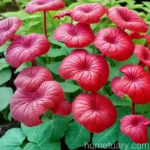
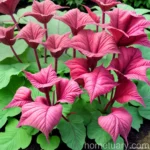
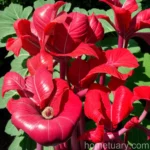
Rheum x hybridum ‘Valentine’, commonly known as rhubarb, is a perennial plant that belongs to the family Polygonaceae. It is a hybrid species resulting from the crossbreeding of different species within the Rheum genus. Rhubarb is characterized by its large, triangular, somewhat sour-tasting leaf stalks, which are often red, pink, or green in color, depending on the variety. The plant produces large, elongated, and deeply lobed leaves with a thick, fleshy petiole that is the edible part used in culinary preparations.
Key Takeaways – Rheum x hybridum ‘Valentine’ (Rhubarb)
Before we delve into the specifics of cultivating and caring for Rheum x hybridum ‘Valentine’, let’s quickly highlight the key takeaways about this plant.
- Scientific Name: Rheum x hybridum ‘Valentine’
- Common Name: Rhubarb
- Plant Type: Perennial
- Family: Polygonaceae
- Culinary Uses: Edible stalks used in cooking and baking
- Ornamental Value: Large, lobed leaves and colorful stalks
- Growth Habit: Clump-forming, large-sized plant
- Hardiness Zone: Widely adaptable, depending on the variety
Now that we have a basic understanding of the plant, let’s explore the essential aspects of its cultivation and maintenance.
Culture
The culture of Rheum x hybridum ‘Valentine’ encompasses various aspects of its care, including its water, sunlight, fertilizer, soil, and pruning requirements. Understanding these cultural aspects is crucial for the successful growth and harvest of rhubarb.
Uses
Culinary Uses
The primary use of rhubarb is in culinary preparations. The edible stalks of the plant are widely used in cooking and baking, adding a deliciously tangy flavor to a range of dishes. From pies and crumbles to jams and sauces, rhubarb is a versatile ingredient that is highly valued in the kitchen.
Ornamental Value
In addition to its culinary uses, Rheum x hybridum ‘Valentine’ also holds ornamental value in garden landscapes. The large, textured leaves and vibrant stalks make it an attractive addition to garden beds and borders, adding visual interest and a pop of color.
Water
Proper watering is essential for the healthy growth of Rheum x hybridum ‘Valentine’. While rhubarb plants require consistent moisture, they are susceptible to root rot if the soil becomes waterlogged. Therefore, it is important to maintain a balanced approach to watering, ensuring that the soil remains evenly moist without becoming excessively wet.
Watering Needs
- Established Plants: Once established, rhubarb plants generally require around 1 to 1.5 inches of water per week, including rainfall.
- Watering Frequency: Water the plants deeply once a week, particularly during dry spells, allowing the soil to dry out slightly between waterings.
Sunlight
As a perennial plant, rhubarb has specific sunlight requirements for optimal growth and productivity. Adequate exposure to sunlight is crucial for the development of healthy leaf stalks and overall plant vigor.
Sunlight Requirements
- Full Sun: Rheum x hybridum ‘Valentine’ thrives in full sun to partial shade, although it tends to produce the best yields when grown in full sun.
- Sunlight Duration: Aim to provide the plant with at least 6 to 8 hours of direct sunlight daily for robust growth and ample stalk production.
Fertilizer
Fertilizing rhubarb plants is an important aspect of their care, as it ensures that they receive the necessary nutrients for vigorous growth and abundant harvests. Understanding the specific fertilizer needs of Rheum x hybridum ‘Valentine’ is essential for maintaining the plant’s health and productivity.
Fertilizer Recommendations
- Timing: Apply a balanced fertilizer in early spring, just as the plant begins to emerge from dormancy.
- Nitrogen Needs: Rhubarb benefits from a fertilizer with a higher nitrogen content to support strong leaf and stalk development.
Soil
The type and quality of the soil play a significant role in the growth and performance of Rheum x hybridum ‘Valentine’. Understanding the soil preferences of rhubarb plants is crucial for creating an optimal growing environment.
Soil Type
- Well-Draining Soil: Rhubarb thrives in well-draining, fertile soil that is rich in organic matter.
- pH Level: The ideal soil pH for rhubarb ranges between 5.5 and 6.5, indicating slightly acidic to neutral conditions.
Pruning
Pruning is an essential cultural practice for ensuring the long-term health, vigor, and productivity of Rheum x hybridum ‘Valentine’. Proper pruning helps in the removal of old growth, promotes air circulation, and encourages the development of new, healthy stalks.
Pruning Techniques
- Spring Pruning: In early spring, remove any dead or damaged stalks, as well as any flower stalks that emerge to direct the plant’s energy towards leaf and stalk production.
- Periodic Maintenance: Throughout the growing season, continue to remove any yellowing or withered leaves to maintain plant vitality.
Propagation
Understanding the various methods of propagating Rheum x hybridum ‘Valentine’ is beneficial for those looking to expand their rhubarb garden or share plants with others. Rhubarb can be propagated through division, crowns, and even from seeds, each method offering its own set of advantages and considerations.
Propagation Methods
Division
- Digging and Dividing: Divide established rhubarb crowns in early spring or late autumn, ensuring that each division has at least one healthy bud or “eye” along with a portion of the root system.
- Transplanting: Replant the divided crowns in prepared soil, providing adequate spacing between plants for optimal growth.
Crowns
- Established Crowns: Obtain healthy, disease-free crowns from established rhubarb plants, and transplant them into prepared garden beds or containers.
- Planting Depth: Plant the crowns at a depth where the buds are just above the soil surface, ensuring proper establishment and growth.
Seed Propagation
- Seed Starting: Start rhubarb seeds indoors in early spring, providing consistent moisture, warmth, and light for successful germination.
- Transplanting Seedlings: Once the seedlings have developed several true leaves, transplant them into individual pots or directly into the garden after the last frost date.
Container Popularity
The popularity of growing Rheum x hybridum ‘Valentine’ in containers has been on the rise, particularly among urban and space-constrained gardeners. Cultivating rhubarb in containers offers several advantages, including ease of maintenance, space efficiency, and the ability to control the growing environment.
Container Growing Benefits
- Space Utilization: Containers allow individuals with limited garden space to grow rhubarb on patios, balconies, and other confined areas.
- Portability: Containers enable gardeners to move the plants to ideal sunlight and temperature conditions, particularly in regions with erratic weather patterns.
- Soil Control: Using high-quality potting mix allows for precise control over soil composition and drainage, promoting healthier plant growth.
Container Considerations
Pot Size
- Large Containers: Select spacious containers with a minimum diameter of 18 to 24 inches to accommodate the vigorous growth habit of rhubarb plants.
- Depth: Opt for containers that are at least 12 to 18 inches deep to provide ample room for the development of the plant’s extensive root system.
Soil Requirements
- Well-Draining Mix: Use a high-quality potting mix that provides excellent drainage while retaining moisture, promoting healthy rhubarb growth in containers.
Watering Needs
- Regular Moisture: Monitor the moisture levels in container-grown rhubarb to ensure the soil remains consistently moist, particularly during the growing season.
Common Diseases
Like any other plant, Rheum x hybridum ‘Valentine’ is susceptible to certain diseases that can impact its overall health and productivity. Being able to identify, prevent, and manage these diseases is crucial for ensuring the long-term success of rhubarb cultivation.
Disease Diagnosis
Crown Rot
- Symptoms: Wilted, yellowing leaves and a foul odor from the base of the plant indicate the presence of crown rot, often caused by waterlogging and poorly draining soil.
- Management: Improving soil drainage and ensuring proper watering practices can help prevent crown rot. Remove affected plants to prevent the spread of the disease.
Leaf Spot
- Symptoms: Small, dark spots with yellow halos develop on the leaves, potentially leading to premature defoliation and reduced plant vigor.
- Prevention: Avoid overhead watering and overcrowding of plants to minimize leaf spot incidence. Applying fungicidal sprays can help manage the disease in severe cases.
Common Pests
In addition to diseases, rhubarb plants can also be affected by various pests that feed on the foliage, stalks, and roots, compromising the plant’s health and productivity. Understanding the common pests and implementing effective control measures is essential for preserving the vitality of Rheum x hybridum ‘Valentine’.
Pest Identification
Aphids
- Identification: Small, soft-bodied insects that cluster on the undersides of leaves, sucking sap and causing leaf distortion.
- Control: Use insecticidal soaps or neem oil to manage aphid infestations. Introducing natural predators such as ladybugs can also help keep aphid populations in check.
Rhubarb Curculio
- Identification: This weevil species attacks rhubarb plants, leaving distinctive feeding notches and causing significant damage to leaf stalks.
- Prevention: Regularly inspect plants for signs of weevil activity and handpick the pests if their population is manageable. Applying insecticidal treatments may be necessary in severe infestations.
Botanist’s Tips
As a plant scientist with a deep understanding of Rheum x hybridum ‘Valentine’, I would like to share some invaluable tips for successful cultivation and maintenance. These tips are based on scientific knowledge and practical experience in working with rhubarb plants.
Expert Recommendations
- Soil Test: Conduct a soil test prior to planting rhubarb to determine the soil pH and nutrient levels, allowing for targeted amendments that promote optimal plant growth.
- Mulching: Apply a layer of organic mulch, such as compost or well-rotted manure, around rhubarb plants to conserve soil moisture, suppress weed growth, and add nutrients to the soil as it decomposes.
- Companion Planting: Pair Rheum x hybridum ‘Valentine’ with beneficial companion plants such as garlic, onions, and beans to naturally repel pests and enhance overall garden health.
Fun Facts
Did you know that rhubarb has a fascinating history and several unique characteristics? Here are some fun facts about Rheum x hybridum ‘Valentine’ that may surprise you!
Intriguing Tidbits
- Forced Rhubarb: In certain regions, rhubarb is traditionally “forced” by growing the plants in complete darkness, resulting in tender, pale stalks that are highly prized for their delicate flavor.
- Artificial Crispy Delight: During the 1940s and 1950s, a shortage of fresh fruits led to the creation of artificial rhubarb made from flavored gelatin and finely chopped stalks, often used in pies and desserts.
Links to External Resources
To further enhance your knowledge of Rheum x hybridum ‘Valentine’ and explore additional insights, resources, and practical tips, I have curated a selection of valuable external links for your reference.
- Rhubarb: Planting, Growing, and Harvesting Rhubarb Plants
- Growing Rhubarb in the Home Garden
- Rhubarb Compendium
- Rhubarb: A Potent Plant with a Colorful Past
In conclusion, Rheum x hybridum ‘Valentine’, commonly known as rhubarb, is a captivating plant that offers a blend of culinary utility and ornamental beauty. By understanding and implementing the recommended cultural practices, propagation techniques, disease and pest management strategies, and expert tips, you can cultivate thriving rhubarb plants and enjoy a bountiful harvest of delicious stalks. Whether you are a seasoned gardener or a novice enthusiast, this comprehensive guide serves as an invaluable resource for successful rhubarb cultivation and maintenance.
Remember, the journey of growing Rheum x hybridum ‘Valentine’ is not only about reaping the rewards of your efforts but also about savoring the unique flavors and historical legacy of this remarkable plant.
Happy gardening!