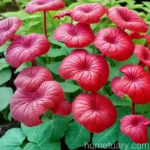
Rheum x hybridum ‘Canada Red’ (Rhubarb): A Comprehensive Guide
Rhubarb, known by its scientific name Rheum x hybridum ‘Canada Red,’ is a popular perennial vegetable known for its edible stalks. It is a hardy plant with a unique tart flavor, and it is often used in culinary preparations such as pies, jams, and sauces. In this comprehensive guide, we will explore the various aspects of cultivating and caring for the Rhubarb plant ‘Canada Red.’
What is Rheum x hybridum ‘Canada Red’?
Rheum x hybridum ‘Canada Red’ is a cultivated variety of rhubarb that belongs to the Polygonaceae family. It is a hybrid of Rheum rhabarbarum and Rheum rhaponticum, both of which are species of rhubarb. The plant is characterized by its large, triangular-shaped leaves and thick, fleshy stalks that can range in color from light pink to deep red.
Key Takeaways – Rheum x hybridum ‘Canada Red’ (Rhubarb)
Cultural Information
– Plant Type: Perennial vegetable
– Hardiness Zone: 3-8
– Mature Size: 2-3 feet in height and width
– Flowering: Inconspicuous flowers on tall stalks
– Fruiting: Rarely produces viable seeds
– Lifespan: Can live for many years with proper care
Uses
– Culinary: Stalks are used in pies, jams, sauces, and other recipes
– Medicinal: Some traditional medicinal uses, particularly the roots
Water
– Regular watering, especially in dry periods
– Avoid waterlogging to prevent root rot
Sunlight
– Full to partial sun, at least 6-8 hours of direct sunlight per day
– Can tolerate some shade but may lead to thinner stalks
Fertilizer
– Balanced fertilizer in spring before new growth appears
– Organic compost can be beneficial for soil health
Soil
– Well-draining, fertile soil with ample organic matter
– pH: 5.5-6.5
Pruning
– Minimal pruning required; remove flower stalks to promote leaf growth
– Remove any damaged or dead leaves and stalks
Propagation
– Division of crowns in early spring
– From seed (though rarely done due to seed sterility)
Container Popularity
– Can be grown in containers, provided sufficient space and drainage
Diseases
– Common diseases: Crown rot, leaf spot, and powdery mildew
– Good air circulation and proper sanitation can help prevent diseases
Pests
– Common pests: Aphids, snails, and slugs
– Can be managed through natural predators and organic pest control methods
Botanist’s Tips
– Rhubarb thrives in cool climates with well-drained soil
– Regular division of the plant helps maintain vigor and productivity
Fun Facts
– Rhubarb leaves are toxic due to oxalic acid and should not be consumed
– The vibrant red color of Rheum x hybridum ‘Canada Red’ makes it an attractive ornamental plant as well
Now, let’s delve deeper into each of these aspects to gain a comprehensive understanding of Rheum x hybridum ‘Canada Red (Rhubarb)’.
Culture
Uses
Rheum x hybridum ‘Canada Red’ is primarily cultivated for its edible stalks. The tart flavor of the stalks makes them a popular ingredient in a variety of culinary dishes. From traditional pies to modern innovations in cooking, rhubarb adds a unique tangy taste that sets it apart from other fruits and vegetables.
Apart from its culinary uses, rhubarb has historically been used in traditional medicine for its potential medicinal properties. The roots, in particular, have been utilized in traditional herbal remedies, although caution should be exercised due to the presence of certain compounds that can be toxic in high concentrations.
Water
Proper watering is essential for the health and vigor of Rheum x hybridum ‘Canada Red.’ While rhubarb is relatively drought-tolerant, consistent moisture is crucial, especially during dry periods. However, overwatering should be avoided to prevent waterlogging, which can lead to root rot and other issues.
Sunlight
Rhubarb plants thrive in full to partial sunlight. They require at least 6-8 hours of direct sunlight per day to ensure robust growth and development. While they can tolerate some shade, it may result in thinner stalks and reduced overall productivity.
Fertilizer
A balanced fertilizer application in the spring, before new growth appears, can provide the necessary nutrients for the robust development of Rheum x hybridum ‘Canada Red.’ Organic compost can also be beneficial for enriching the soil and supporting the plant’s nutritional needs.
Soil
Well-draining, fertile soil with ample organic matter is ideal for cultivating Rhubarb. A slightly acidic to neutral soil with a pH range of 5.5-6.5 is well-suited for the plant’s growth and productivity.
Pruning
Rhubarb generally requires minimal pruning. However, to promote the growth of large, healthy leaves, it is advisable to remove the flower stalks as soon as they appear. Additionally, any damaged or dead leaves and stalks should be promptly removed to maintain the overall health and appearance of the plant.
Propagation
The most common method of propagating Rheum x hybridum ‘Canada Red’ is through the division of crowns in early spring. While it is possible to grow rhubarb from seed, the plant’s natural sterility makes this method less common. Division of crowns allows for the creation of new plants from established ones and helps maintain the vigor and productivity of the rhubarb patch.
Container Growing
Due to its relatively compact size and manageable growth habit, Rheum x hybridum ‘Canada Red’ can be successfully grown in containers. However, when opting for container cultivation, certain considerations should be taken into account to ensure the plant’s health and productivity.
Container Popularity
Rhubarb is increasingly being grown in containers, particularly in urban and limited space settings. The vibrancy of Rheum x hybridum ‘Canada Red,’ with its deep red stalks and large, lush leaves, makes it an attractive addition to container gardens and patios. The ability to move containers to optimize sunlight and space usage further adds to the appeal of growing rhubarb in containers.
Common Diseases
When cultivating Rheum x hybridum ‘Canada Red’ in containers, particular attention should be paid to potential diseases that can affect the plant. While container cultivation can offer some level of protection from soil-borne diseases, certain issues such as crown rot, leaf spot, and powdery mildew can still arise and should be monitored and managed accordingly.
Disease Diagnosis
The early diagnosis of diseases is essential for preventing the spread of infections and protecting the overall health of the rhubarb plant. Regular inspection of the leaves, stalks, and soil can help identify any signs of disease, allowing for prompt intervention and management.
Common Pests
Container-grown Rheum x hybridum ‘Canada Red’ is susceptible to a range of pests that can impact its growth and productivity. These include aphids, snails, and slugs, among others. Implementing natural predators and organic pest control methods can help manage these pests effectively.
Botanist’s Tips
As a plant scientist, I can offer some valuable insights and tips for growing and caring for Rheum x hybridum ‘Canada Red’ based on scientific knowledge and practical experience.
Fun Facts
Rhubarb, particularly Rheum x hybridum ‘Canada Red,’ has several interesting and unique characteristics that make it a fascinating plant to cultivate and study. Here are some fun facts about this distinctive perennial vegetable:
- Toxic Leaves: The leaves of rhubarb contain oxalic acid and are toxic if ingested. Caution should be exercised, and they should not be consumed.
- Ornamental Value: Beyond its culinary uses, Rheum x hybridum ‘Canada Red’ is valued for its ornamental appeal, with its large, vibrant leaves and striking red stalks adding visual interest to gardens and landscapes.
- Culinary Versatility: Rhubarb is a versatile ingredient with a range of culinary applications, from sweet desserts like pies and crumbles to savory sauces and chutneys.
- Historical Significance: Rhubarb has a rich history and has been cultivated for centuries, with records of its cultivation dating back to ancient China and its medicinal uses documented in traditional European herbal medicine.
Links to External Resources
To further enrich your understanding of Rheum x hybridum ‘Canada Red’ and delve deeper into topics related to its cultivation, I have compiled a list of valuable external resources:
- Rhubarb: A Growing Guide
- Growing Rhubarb in the Home Garden
- Rheum x hybridum ‘Canada Red’: Care and Cultivation
- Rhubarb Recipes and Culinary Uses
- Medicinal Uses of Rhubarb
These resources offer a wealth of information on the cultivation, care, culinary uses, and historical significance of rhubarb, providing a valuable complement to the insights shared in this comprehensive guide.
In conclusion, Rheum x hybridum ‘Canada Red’ (Rhubarb) is a remarkable perennial vegetable with a rich history, diverse uses, and unique cultivation requirements. Whether grown in gardens, containers, or commercial farms, this distinctive plant continues to captivate and inspire enthusiasts and culinary aficionados alike. By understanding its cultural needs, diseases, pests, and botanical characteristics, gardeners and plant lovers can cultivate and enjoy the bountiful harvests and ornamental beauty that Rheum x hybridum ‘Canada Red’ has to offer.
Remember, the vibrant red stalks of Rheum x hybridum ‘Canada Red’ hold a world of culinary possibilities and ornamental charm, making it a valuable addition to any garden or landscape.
With the insights and tips provided in this comprehensive guide, you are well-equipped to embark on your journey of growing, caring for, and enjoying the unique pleasures of cultivating Rheum x hybridum ‘Canada Red’ (Rhubarb).
Keywords: Rhubarb plant ‘Canada Red’, Rheum x hybridum Canada Red information, Rhubarb (Rheum x hybridum ‘Canada Red’) care, Growing Rheum x hybridum ‘Canada Red’, Rhubarb varieties ‘Canada Red’, Rhubarb cultivation tips Canada Red, Rheum x hybridum ‘Canada Red’ characteristics, Canada Red rhubarb plant facts, Rheum x hybridum Canada Red planting guide, Canada Red rhubarb growth requirements, Rhubarb plant ‘Canada Red’ care instructions, Rheum x hybridum ‘Canada Red’ benefits, Rhubarb varieties for Canadian climate, Canada Red rhubarb disease resistance, Rheum x hybridum Canada Red harvesting tips, Canada Red rhubarb plant maintenance, Rhubarb ‘Canada Red’ garden tips, Rheum x hybridum ‘Canada Red’ propagation methods, Rhubarb varieties: Rheum x hybridum ‘Canada Red’, Canada Red rhubarb planting season, Rheum x hybridum ‘Canada Red’ culinary uses, Rhubarb ‘Canada Red’ medicinal properties, Tips for growing Rheum x hybridum Canada Red, Canada Red rhubarb plant hardiness, Rheum x hybridum ‘Canada Red’ pest control, Rhubarb ‘Canada Red’ companion planting, Canada Red rhubarb plant size, Rheum x hybridum Canada Red soil requirements, Canada Red rhubarb plant propagation techniques, Rhubarb uses: Rheum x hybridum ‘Canada Red’, Canada Red rhubarb plant pruning methods, Rheum x hybridum ‘Canada Red’ fertilization schedule, Rhubarb ‘Canada Red’ container gardening tips, Canada Red rhubarb plant water needs, Rheum x hybridum Canada Red sun exposure, Canada Red rhubarb plant maturity period, Rhubarb ‘Canada Red’ ornamental uses, Rheum x hybridum ‘Canada Red’ root system, Rhubarb ‘Canada Red’ seasonal care, Canada Red rhubarb plant growth stages, Rheum x hybridum ‘Canada Red’ winter protection, Rhubarb ‘Canada Red’ flavors and recipes, Canada Red rhubarb plant dividing techniques, Rheum x hybridum Canada Red pollination requirements, Canada Red rhubarb plant propagation tips, Rhubarb ‘Canada Red’ antioxidant properties, Rheum x hybridum ‘Canada Red’ edible stalks, Canada Red rhubarb plant disease prevention, Rheum x hybridum ‘Canada Red’ pruning guidelines, Rhubarb ‘Canada Red’ culinary innovations