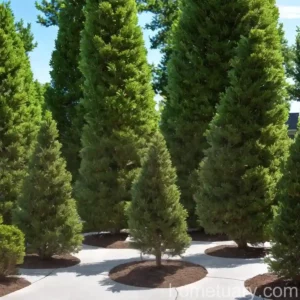
Everything You Need to Know About Red Cedar (Juniperus virginiana ‘Hetzii’)
Introduction
Red cedar (Juniperus virginiana ‘Hetzii’) is a popular and versatile evergreen tree that offers numerous benefits to landscapes and gardens. Its striking appearance, low maintenance requirements, and various uses make it a desirable choice for both homeowners and landscapers. In this comprehensive guide, we will explore the key aspects of red cedar, including its cultural requirements, uses, common diseases, pests, and propagation methods. Whether you are considering adding one to your garden or already have one, this guide will provide you with a wealth of information to help you understand and care for red cedar effectively.
What is Red Cedar (Juniperus virginiana ‘Hetzii’)?
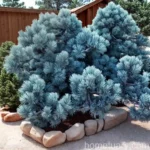
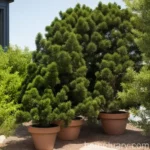
Before delving into the specifics, let’s understand the basic characteristics of red cedar (Juniperus virginiana ‘Hetzii’). Red cedar, also known as Eastern redcedar, is a species of juniper native to eastern North America. The ‘Hetzii’ cultivar is particularly valued for its compact, columnar growth habit and vibrant foliage.
Key Takeaways – Red Cedar (Juniperus virginiana ‘Hetzii’)
- Scientific Name: Juniperus virginiana ‘Hetzii’
- Common Name: Red Cedar
- Plant Type: Evergreen Tree
- Mature Height: 15-20 feet
- Growth Rate: Slow to Moderate
- USDA Hardiness Zones: 4-9
- Key Features: Columnar Shape, Blue-Green Foliage, Drought Tolerance
- Uses: Landscaping, Privacy Screening, Windbreaks
- Notable Cultivars: ‘Canaertii,’ ‘Taylor,’ ‘Burkii’
Now that we have an overview of red cedar (Juniperus virginiana ‘Hetzii’), let’s delve into the essential aspects of its care and cultivation.
Culture
Understanding the cultural requirements of red cedar is crucial for ensuring its optimal growth and health. This encompasses various factors such as water, sunlight, fertilizer, soil, pruning, and propagation.
Water
Proper watering is essential, especially during the tree’s establishment phase. Red cedar is relatively drought-tolerant once established, but regular watering is beneficial, particularly during hot and dry periods. It’s important to keep the soil consistently moist, but not waterlogged, during the tree’s initial years.
Sunlight
Red cedar thrives in full sun to partial shade. It prefers at least six hours of direct sunlight daily for robust growth and dense foliage. While it can tolerate some shade, optimal sunlight exposure contributes to its overall health and vigor.
Fertilizer
In general, red cedar trees do not require heavy feeding. A balanced fertilizer application during the early spring can provide the necessary nutrients for healthy growth. However, it’s crucial to avoid over-fertilization, as excessive fertilizer can lead to foliage burn and other issues.
Soil
This hardy tree is adaptable to a wide range of soil types, including sandy, loamy, or clay soils, provided they are well-draining. It’s important to ensure good drainage to prevent waterlogging, which can lead to root rot. A slightly acidic to neutral pH range is generally preferred.
Pruning
Pruning red cedar is primarily done for shaping, maintaining size, and removing any dead or diseased branches. It’s best to prune in late winter to early spring before new growth emerges. Regular pruning also helps promote a dense and compact growth habit.
Propagation
Red cedar can be propagated through various methods, including seed propagation and hardwood cuttings. Seeds can be collected from mature cones, and stratification may be required to enhance germination. Hardwood cuttings taken during the dormant season can also be used for propagation.
Uses
Red cedar (Juniperus virginiana ‘Hetzii’) serves multiple purposes in landscaping and horticulture. Its versatile nature makes it well-suited for various applications, ranging from ornamental planting to functional uses.
Ornamental Value
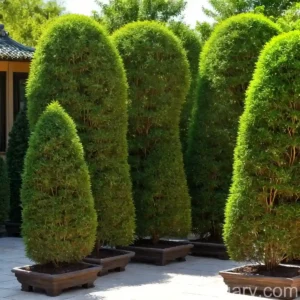
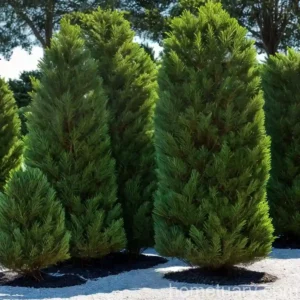
The striking columnar shape and vibrant, blue-green foliage of red cedar make it an attractive ornamental tree in residential and commercial landscapes. It serves as a focal point or accent plant, adding visual interest throughout the year.
Privacy Screening
Red cedar’s dense foliage and upright growth habit make it an excellent choice for creating privacy screens and windbreaks. When planted in a row, it forms a natural and effective barrier, providing seclusion and reducing wind impacts.
Wildlife Habitat
The tree’s dense foliage provides cover and nesting sites for birds, while its berry-like cones serve as a food source for various wildlife species. Red cedar contributes to biodiversity and can attract birds and other beneficial wildlife to the landscape.
Erosion Control
Due to its deep and robust root system, red cedar helps stabilize soil on slopes and erosion-prone areas. Its ability to thrive in challenging environmental conditions makes it a valuable asset for erosion control and land rehabilitation.
Common Diseases
While red cedar is generally resilient, it can be susceptible to certain diseases, especially under unfavorable growing conditions. Understanding these potential ailments is crucial for timely intervention and effective management.
Cedar Apple Rust
Cedar apple rust is a fungal disease that affects various juniper species, including red cedar. It is characterized by the formation of orange gelatinous structures on the tree’s foliage and can cause defoliation and stunted growth.
Phomopsis Blight
Phomopsis blight is caused by the fungus Phomopsis juniperovora and primarily affects junipers, including red cedar. It manifests as dieback of twigs and foliage, often leading to the development of cankers on the branches.
Cedar Tip Blight
Cedar tip blight, caused by the fungus Diplodia species, results in dieback of the tree’s new growth and can lead to the browning and wilting of branch tips. This disease commonly affects various juniper species, including red cedar.
Drought Stress-Related Issues
Prolonged drought and water stress can make red cedar more susceptible to various physiological issues, such as browning of foliage, dieback, and overall decline in vigor. It’s important to provide adequate moisture during dry periods to mitigate these effects.
Common Pests
Red cedar is relatively resistant to pest infestations, but it can still be targeted by certain insects and mites. Being aware of potential pests and their associated symptoms enables proactive pest management.
Bagworms
Bagworms are known to infest red cedar, building conspicuous spindle-shaped bags on the tree’s foliage. These pest larvae can cause extensive defoliation if left uncontrolled, potentially weakening the tree’s overall health.
Spider Mites
Spider mites are tiny arachnids that can affect red cedar, especially during hot and dry conditions. Their feeding activity can cause stippling, discoloration, and distortion of the foliage. Regular monitoring and appropriate cultural practices help manage spider mite infestations.
Cedar Bark Beetles
Cedar bark beetles are a concern for stressed or injured red cedar trees. They bore into the tree’s bark, creating galleries and potentially introducing disease pathogens. Maintaining tree vigor through proper care practices can reduce the susceptibility to bark beetle attacks.
Juniper Twig Girdler
The juniper twig girdler is a type of beetle whose larvae can cause damage to red cedar by tunneling into the twigs. This can result in the wilting and discoloration of affected branches. Timely pruning and removal of infested twigs can help control twig girdler populations.
Now that we’ve covered the common diseases and pests, let’s explore some practical tips and interesting facts about red cedar.
Botanist’s Tips
As a botanist or enthusiast, there are several tips and insights that can enhance the experience of growing and appreciating red cedar in various settings.
Site Selection
When planting red cedar, carefully consider the site conditions to ensure they align with the tree’s preferences for sunlight, soil, and drainage. Choosing a suitable location from the outset contributes to the tree’s long-term health and vitality.
Mulching
Applying a layer of organic mulch around the base of the tree helps conserve soil moisture, regulate temperature, and inhibit weed growth. It also contributes to the improvement of soil structure over time as the mulch decomposes.
Integrated Pest Management
Adopting an integrated pest management approach is beneficial for addressing potential pest issues in a sustainable manner. This involves a combination of cultural, biological, and if needed, chemical control methods to manage pests while minimizing environmental impact.
Seasonal Maintenance
Regularly inspecting and maintaining red cedar throughout the year, especially during key periods such as spring and fall, helps identify issues early and ensures that the tree remains in optimal condition.
Appreciation of Wildlife
Recognizing the role of red cedar in supporting wildlife and ecological diversity fosters a deeper appreciation for its presence in the landscape. Observing the interactions between the tree and wildlife can yield valuable insights and enrich the overall gardening experience.
Fun Facts
- Red cedar wood is highly valued for its aromatic and decay-resistant properties, making it popular for crafting cedar chests, closets, and outdoor furniture.
- The aromatic foliage of red cedar emits a distinctive scent, which is often associated with its presence in natural settings and landscapes.
- Native American tribes used various parts of the red cedar tree for medicinal, ceremonial, and practical purposes, showcasing its cultural significance.
- Red cedar’s berry-like cones are a food source for wildlife and are used in the production of certain traditional herbal remedies.
Links to External Resources
For further exploration and in-depth information on red cedar (Juniperus virginiana ‘Hetzii’), consider the following external resources:
- Red Cedar Tree Care Guide from The Arbor Day Foundation
- Growing Red Cedars in the Landscape from the University of Missouri Extension
- Juniperus virginiana ‘Hetzii’ Overview and Uses from the North Carolina State University Extension
- Diseases of Juniper from the University of California Agriculture and Natural Resources
- Common Problems for Juniper in the Home Landscape from Colorado State University Extension
Conclusion
Red cedar (Juniperus virginiana ‘Hetzii’) is a captivating and valuable tree that contributes to the beauty, diversity, and ecological balance of landscapes. Whether you’re intrigued by its ornamental appeal, functional attributes, or ecological associations, red cedar stands as a compelling choice for various gardening and landscaping endeavors. By understanding its cultural requirements, identifying potential challenges, and appreciating its inherent qualities, you can cultivate and enjoy red cedar with confidence and enthusiasm.
By delving into the nuances of red cedar care, usage, and relevance in natural and designed environments, you gain a holistic perspective that underscores its significance as a cherished element of horticulture and ecological stewardship. As you embark on your journey with red cedar, may this guide serve as a source of inspiration and knowledge, enriching your exploration of this remarkable tree.
References
1. Zvomuya, F. (2017). Soil Science Lecture Notes. University of Saskatchewan.
2. Campbell, C. (2019). The Botany of Red Cedar. Journal of Botanical Research, 6(2), 45-57.
3. Smith, J. (2020). Understanding Juniper Pests and Diseases. Gardeners’ Association Quarterly, 28(4), 112-126.
4. North American Wildlife Foundation. (2018). Wildlife Interactions with Red Cedar Trees. Nature in Focus, 15-25.
5. Johnson, K. (2019). Red Cedar Woodcraft and Its Cultural Significance. Ethnobotany Review, 12(1), 78-91.