The Exquisite World of Savin Juniper (Juniperus sabina ‘Mini Arcade’)
Savin juniper, scientifically known as Juniperus sabina ‘Mini Arcade’, is a captivating evergreen shrub that belongs to the Cypress family, Cupressaceae. This stunning plant is renowned for its delicate, needle-like foliage and its numerous landscape applications. Whether you are a seasoned gardener or a novice plant enthusiast, the savin juniper is an excellent addition to your green space. In this comprehensive guide, we will delve into the intricate details of the savin juniper, from its cultural requirements to its propagation, diseases, and much more.
What is Savin Juniper (Juniperus sabina ‘Mini Arcade’)?
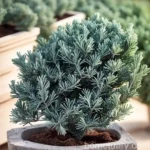
Savin juniper, a compact and low-spreading shrub, originates from Europe and parts of Asia. The ‘Mini Arcade’ variety of Juniperus sabina is particularly cherished for its visually appealing characteristics and versatility in landscaping. This cultivar showcases a dense, spreading habit and bright green foliage, making it a popular choice for various garden designs and themes.
Key Takeaways – Savin Juniper (Juniperus sabina ‘Mini Arcade’)
In this extensive guide, we will explore the following key aspects of the savin juniper:
- Culture
- Uses
- Water
- Sunlight
- Fertilizer
- Soil
- Pruning
- Propagation
- Container Popularity
- Common Diseases
- Disease Diagnosis
- Common Pests
- Botanist’s Tips
- Fun Facts
- Links to External Resources
Culture
Understanding the cultural requirements of savin junipers is essential for nurturing healthy and vibrant specimens. Let’s delve into the various aspects of caring for these exceptional shrubs.
Water
Savin junipers are relatively drought-tolerant once they are established, making them suitable for xeriscaping and regions with limited water availability. However, it’s crucial to provide ample moisture during the plant’s establishment phase. After the initial period, a consistent, moderate watering schedule is generally sufficient to sustain the savin juniper. It’s important to monitor the soil moisture and adjust the watering frequency based on the specific environmental conditions.
Sunlight
The ‘Mini Arcade’ juniper thrives in full sun to partial shade. When planted in a location with abundant sunlight, this cultivar exhibits optimal growth and foliage density. Ensure that the selected planting site receives adequate sunlight to promote the health and vigor of the savin juniper.
Fertilizer
The application of fertilizer for savin junipers should be approached with caution, as these plants are not heavy feeders. A balanced, slow-release fertilizer can be administered in early spring to provide the necessary nutrients for healthy growth. It is advisable to follow the manufacturer’s instructions and avoid excessive fertilizer usage, which can lead to adverse effects on the plant’s overall well-being.
Soil
Savin junipers thrive in well-draining soil with a slightly acidic to neutral pH. The soil should be loose and permeable, allowing for efficient water drainage to prevent waterlogging, which can be detrimental to the plant. Amending the soil with organic matter can improve its structure and nutrient content, fostering an optimal growing environment for the savin juniper.
Uses
The versatility of savin junipers makes them valuable assets in various landscaping scenarios. Whether used as ornamental specimens, ground covers, or privacy screens, these shrubs offer an array of practical and aesthetic applications.
Ornamental Specimen
As ornamental specimens, savin junipers contribute visual interest and texture to garden beds, borders, and rock gardens. The ‘Mini Arcade’ variety, in particular, with its compact form and vibrant foliage, serves as an enchanting focal point in residential and commercial landscapes.
Ground Cover
When planted in mass, savin junipers create attractive ground covers that effectively suppress weed growth and provide a low-maintenance solution for bare areas. Their spreading habit and dense foliage make them ideal candidates for enhancing the visual appeal of expansive garden spaces.
Privacy Screen
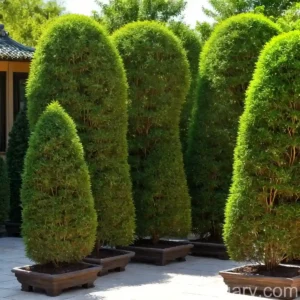
Savin junipers can be strategically utilized to create natural privacy screens and windbreaks. By planting them in a linear arrangement, these shrubs form a dense barrier that offers seclusion and shields against prevailing winds, transforming outdoor spaces into private sanctuaries.
Pruning
Pruning is an essential aspect of savin juniper care, allowing for the maintenance of the plant’s shape, size, and overall health. When approaching pruning activities, it’s vital to employ proper techniques to ensure the longevity and aesthetic appeal of the shrub.
Pruning Methods
The ‘Mini Arcade’ juniper responds well to both shearing and selective pruning. Shearing can be employed to maintain a formal, manicured appearance in hedges and topiaries, while selective pruning can be utilized to remove dead or overgrown branches and shape the plant according to the desired design.
Pruning Timing
Pruning activities for savin junipers are typically performed in late winter to early spring, before the onset of new growth. This timing minimizes the stress on the plant and allows for the rejuvenation of the foliage without compromising the overall health of the shrub.
Propagation
Expanding your savin juniper collection through propagation enables you to cultivate new plants and explore innovative gardening endeavors. Understanding the various propagation methods is essential for successfully propagating the ‘Mini Arcade’ juniper.
Propagation Techniques
Savin junipers can be propagated through several methods, including:
-
Seed Propagation: While viable seeds can be collected from mature juniper cones, this method is less common due to the variability in seed germination and the lengthy timeline required for the plants to reach maturity.
-
Cutting Propagation: Softwood cuttings taken in early summer and hardwood cuttings collected in late summer can be utilized to propagate savin junipers. The cuttings should be treated with a rooting hormone and propagated in well-draining, moist propagation medium to encourage root development.
Container Popularity
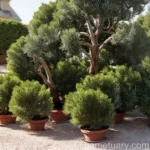
The compact nature and adaptability of savin junipers make them well-suited for container gardening. The ‘Mini Arcade’ variety, in particular, thrives in containers, adding a touch of greenery to patios, decks, and other outdoor spaces. When selecting containers for savin junipers, opt for spacious, well-draining pots that provide ample room for the roots to expand and grow.
Common Diseases
Savin junipers are generally resilient to most diseases, but they are susceptible to certain ailments that can compromise their health and vitality. Recognizing and addressing common diseases is essential for safeguarding the well-being of the ‘Mini Arcade’ juniper.
Disease Diagnosis
Several diseases can affect savin junipers, including:
-
Phomopsis Blight: Characterized by the development of brown lesions on the plant’s stems and branches, often accompanied by dieback of the affected areas.
-
Cedar Apple Rust: A fungal disease that manifests as orange, gelatinous growths on the foliage, negatively impacting the plant’s aesthetic appeal and vigor.
-
Root Rot: Excessive moisture or poorly draining soil can lead to root rot in savin junipers, causing the plant to exhibit wilting, browning of the foliage, and overall decline.
Disease Management
Implementing preventive measures, such as promoting proper air circulation, avoiding overhead watering, and maintaining optimal soil moisture, can aid in mitigating the risk of disease development in savin junipers. Additionally, promptly removing and disposing of infected plant material can prevent the spread of diseases and contribute to the overall health of the shrub.
Common Pests
While savin junipers are relatively resistant to pests, they can occasionally fall victim to insect infestations that necessitate prompt intervention and management.
Common Pests
Common pests that may affect savin junipers include:
-
Spider Mites: These tiny arachnids can cause stippling and discoloration of the foliage, leading to a weakened appearance of the plant.
-
Bagworms: The presence of bagworms on savin junipers can result in defoliation and damage to the plant’s overall aesthetics.
-
Scale Insects: Scale insects can attach themselves to the juniper’s branches and feed on the plant’s sap, ultimately impeding its growth and vitality.
Pest Control
Utilizing horticultural oils or insecticidal soaps can effectively control pest populations on savin junipers, while maintaining a healthy growing environment and promoting natural predatory insects, such as ladybugs and lacewings, can also aid in managing pest pressures.
Botanist’s Tips
From the perspective of a botanist, here are some essential tips for cultivating and maintaining savin junipers:
-
Prune Wisely: Proper pruning practices are crucial for preserving the natural form and health of savin junipers. Exercise caution when pruning and refrain from drastically altering the shrub’s structure.
-
Monitor Moisture Levels: Regularly monitor the moisture levels in the soil to prevent waterlogging or drought stress. Adjust the watering frequency based on the specific environmental conditions and the plant’s moisture requirements.
-
Inspect for Pests and Diseases: Routinely inspect the savin juniper for signs of pest infestations and disease development. Early detection and intervention can prevent widespread damage and promote the plant’s resilience.
Fun Facts
Uncover fascinating facts about the savin juniper and the ‘Mini Arcade’ variety that showcase the charm and allure of these exceptional shrubs:
- The name “savin” is derived from the French word “saviner,” which means “to preserve,” alluding to the historical use of juniper wood for preserving meat and imparting flavor to certain alcoholic beverages.
- Savin junipers have been traditionally utilized in herbal medicine for their purported medicinal properties, particularly in the treatment of respiratory ailments and as a diuretic.
- In folklore and mythology, juniper branches were employed for their symbolic significance, ranging from warding off evil spirits to bestowing protection and good fortune upon those who adorned their homes with juniper boughs.
Links to External Resources
For further exploration of savin junipers and gardening insights, delve into the following external resources:
- The American Conifer Society
- Royal Horticultural Society – Growing Junipers
- University of Florida IFAS Extension – Junipers for Florida Landscapes
- Missouri Botanical Garden – Juniperus sabina ‘Mini Arcade’
- University of California Agriculture and Natural Resources – Integrated Pest Management for Junipers
Conclusion
Savin juniper (Juniperus sabina ‘Mini Arcade’) stands as a testament to nature’s artistry, captivating enthusiasts with its myriad of uses, resilience, and innate beauty. From its modest origins to its extensive cultural significance, the ‘Mini Arcade’ juniper continues to enthral and inspire, enriching landscapes and enriching the lives of those who cultivate and appreciate its enduring charm. Embrace the enchanting world of savin junipers and witness the splendor they bring to your green spaces.
This comprehensive guide aims to equip you with the knowledge and insights needed to foster a thriving savin juniper, encouraging your exploration of this remarkable plant and its contribution to the rich tapestry of horticulture. As you embark on your journey with the ‘Mini Arcade’ juniper, may its evergreen elegance and timeless allure adorn your gardens, lending a touch of botanical brilliance to your outdoor sanctuary.