Rocky Mountain Juniper (Juniperus scopulorum ‘Wichita Blue’)
Introduction
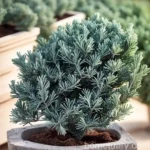
Rocky Mountain juniper, scientifically known as Juniperus scopulorum ‘Wichita Blue’, is a stunning evergreen conifer celebrated for its striking blue foliage. This robust and resilient tree is a native of the Rocky Mountain region, where it thrives in harsh and challenging environmental conditions. The ‘Wichita Blue’ cultivar, in particular, stands out due to its captivating blue-grey foliage, making it a popular choice for landscaping and ornamental purposes.
This blog post will delve into the fascinating world of the Rocky Mountain juniper, exploring its cultural significance, uses, care requirements, and much more. By the end of this comprehensive guide, you will have gained a deep understanding of this remarkable species and how to effectively incorporate it into your gardening and landscaping endeavors.
What is Rocky Mountain Juniper (Juniperus scopulorum ‘Wichita Blue’)?
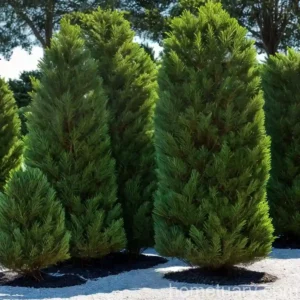
The Rocky Mountain juniper, also known as Juniperus scopulorum ‘Wichita Blue’, is a species of juniper native to western North America. It is a slow-growing, long-lived tree that can reach heights of 20 to 35 feet, with a spread of 15 to 20 feet. This evergreen conifer is noted for its distinctive blue-green to silvery-blue foliage, which provides year-round visual interest in the landscape. The ‘Wichita Blue’ cultivar, in particular, is prized for its intense blue hue, setting it apart from other varieties of Juniperus scopulorum.
Key Takeaways – Rocky Mountain Juniper (Juniperus scopulorum ‘Wichita Blue’)
Before we delve into the in-depth aspects of the Rocky Mountain juniper, let’s highlight some key takeaways:
- Scientific Name: Juniperus scopulorum ‘Wichita Blue’
- Common Names: Rocky Mountain juniper tree, Wichita Blue juniper
- Growth: Slow-growing, reaching heights of 20 to 35 feet with a spread of 15 to 20 feet
- Foliage: Intensely blue-green to silvery-blue, providing year-round visual interest
- Cultivar: ‘Wichita Blue’ known for its striking blue hue
Culture
Understanding the cultural requirements of the Rocky Mountain juniper is essential for its successful cultivation and maintenance. Let’s explore the various aspects of its culture, including its water, sunlight, fertilizer, soil, and pruning needs.
Water
Rocky Mountain junipers are known for their exceptional drought tolerance once established. However, during the initial establishment period, it is crucial to provide regular watering to promote healthy root development.
- Young Trees: Water newly planted junipers regularly, ensuring the soil remains consistently moist but not waterlogged.
- Mature Trees: Once established, rocky mountain junipers are highly drought-tolerant and require minimal supplemental watering, relying on natural precipitation to meet their moisture needs.
Sunlight
Juniperus scopulorum ‘Wichita Blue’ thrives in full sun, where it can bask in direct sunlight for the majority of the day. Adequate sunlight is crucial for promoting the development of its vibrant blue foliage and ensuring healthy growth.
- Full Sun: Plant Rocky Mountain junipers in locations with full sun exposure, providing at least 6 to 8 hours of direct sunlight daily.
Fertilizer
Rocky Mountain junipers generally thrive in nutrient-poor, well-draining soils, making them less reliant on fertilization compared to many other landscape plants. However, in certain cases, applying a balanced fertilizer can support their growth.
- Fertilization: If necessary, apply a balanced, slow-release fertilizer in early spring, following the manufacturer’s guidelines for application rates.
Soil
The soil conditions play a crucial role in the health and vitality of Rocky Mountain junipers. They prefer well-draining soil and are tolerant of a wide range of soil types, including rocky and sandy soils.
- Soil Type: Plant junipers in well-draining, slightly acidic to slightly alkaline soil for optimal growth.
- Soil Amendments: If soil quality is poor, incorporate organic matter such as compost to improve soil structure and fertility.
Pruning
Pruning can help maintain the attractive form of Rocky Mountain junipers and control their size. Proper pruning techniques should be employed to avoid damaging the tree and to encourage healthy growth.
- Pruning Time: Perform light pruning as needed throughout the growing season to shape the tree and remove any dead or damaged branches.
- Avoid Over-Pruning: While pruning can be beneficial, avoid excessive pruning and never remove more than one-third of the total foliage in a single pruning session.
Uses
The Rocky Mountain juniper holds significant value in landscaping and horticulture due to its versatile uses. Let’s explore the various ways in which Juniperus scopulorum ‘Wichita Blue’ is utilized in outdoor spaces.
Landscaping
The striking blue foliage and distinctive form of the ‘Wichita Blue’ cultivar make it an exceptional choice for landscaping applications. Here are some common landscaping uses of Rocky Mountain junipers:
- Specimen Tree: Plant as a standalone specimen tree to showcase its unique color and texture.
- Privacy Screen: Use multiple junipers as a dense privacy screen or windbreak, taking advantage of their dense foliage.
- Rock Gardens: Incorporate Rocky Mountain junipers into rock gardens, where their rugged, natural appearance complements the rocky landscape.
Ornamental Purposes
In addition to its landscaping uses, the Rocky Mountain juniper is valued for its ornamental qualities, adding visual interest and texture to garden spaces.
- Blue Foliage: The intense blue-green to silvery-blue foliage of Juniperus scopulorum ‘Wichita Blue’ adds a striking contrast to the surrounding plantings.
- Year-Round Interest: As an evergreen species, the juniper provides year-round visual interest, making it a valuable addition to the garden.
Wildlife Habitat
The rugged and resilient nature of the Rocky Mountain juniper also contributes to its role in supporting wildlife in natural habitats.
- Wildlife Shelter: The dense foliage provides shelter and nesting sites for birds and small mammals.
- Food Source: The juniper’s berries serve as a food source for various bird species, further enhancing its ecological value.
Propagation
Propagating Rocky Mountain junipers allows for the expansion of their presence in gardens and landscapes. There are several methods of propagation that can be employed to propagate Juniperus scopulorum ‘Wichita Blue’.
Seed Propagation
Growing junipers from seed is a straightforward propagation method, although patience is required due to their slow germination and growth rate.
- Seed Collection: Harvest mature juniper berries from the tree in the fall when they are fully ripened.
- Seed Preparation: Clean the berries and remove the seeds, then cold-stratify them in the refrigerator for 60 to 90 days to break dormancy.
- Sowing: Sow the stratified seeds in containers filled with well-draining potting mix and place them in a bright, warm location.
- Transplanting: Once the seedlings have developed several sets of true leaves, they can be transplanted into individual pots or directly into the garden.
Cutting Propagation
Taking stem cuttings from existing juniper plants is an effective way to propagate new specimens that are genetically identical to the parent plant.
- Cutting Collection: Select healthy, non-flowering shoots for cutting propagation during the active growing season.
- Preparation: Prepare the cuttings by removing the lower set of needles and treating the cut end with a rooting hormone to encourage root development.
- Planting: Place the cuttings in a well-draining rooting medium and keep them consistently moist while they develop roots.
- Transplanting: Once the cuttings have established roots, they can be transplanted into individual pots or directly into the garden.
Layering
Layering is another propagation method that can be employed to produce new juniper specimens by encouraging the development of roots on stems that are still attached to the parent plant.
- Stem Selection: Identify a low-hanging or flexible stem that can be bent to ground level without breaking.
- Wounding: Make a small incision or remove a section of bark on the underside of the stem to encourage root formation.
- Positioning: Bury the wounded section of the stem in the soil, ensuring it remains in contact with the ground.
- Root Development: The buried stem will gradually develop roots, at which point it can be separated from the parent plant and transplanted.
Container Popularity
The adaptability and striking visual appeal of Rocky Mountain junipers make them well-suited for container cultivation, allowing them to thrive in various outdoor and indoor settings.
Outdoor Containers
Potted Rocky Mountain junipers can serve as focal points in outdoor spaces, adding texture, color, and year-round interest to patios, decks, and gardens.
- Container Selection: Choose large, sturdy containers with drainage holes to support the robust root system of junipers.
- Care Requirements: Provide regular watering, adequate sunlight, and occasional fertilization to support healthy growth in containers.
- Design Opportunities: Junipers in containers can be used to create welcoming entryway plantings, frame outdoor seating areas, or add greenery to urban landscapes.
Indoor Containers
Selecting ‘Wichita Blue’ or other Rocky Mountain juniper varieties for indoor container cultivation allows for the introduction of natural beauty and visual interest within interior spaces.
- Light Requirements: Place indoor junipers in locations with bright, indirect light to promote healthy growth.
- Winter Care: Provide cooler temperatures during the winter months to simulate their natural dormancy period, ensuring they receive adequate light and moisture.
- Design Enhancement: Incorporate juniper plants into indoor décor to bring a touch of nature and greenery to living spaces.
Common Diseases
While Rocky Mountain junipers are generally resilient plants, they can be susceptible to certain diseases that may impact their health and vitality. Understanding common juniper diseases and their management is crucial for maintaining healthy trees.
Cedar-Apple Rust
Cedar-apple rust is a fungal disease that affects various juniper species, including the Rocky Mountain juniper. It is characterized by the development of orange, gelatinous spore horns on the juniper’s foliage, especially during wet weather conditions.
- Preventative Measures: Plant junipers away from susceptible host plants such as apple trees to reduce the risk of infection.
- Fungicide Applications: If necessary, apply fungicides to protect junipers from cedar-apple rust, especially during periods of high disease pressure.
Phomopsis Tip Blight
Phomopsis tip blight is a fungal disease that can impact the overall health and aesthetics of Rocky Mountain junipers, causing dieback and browning of branch tips.
- Sanitation: Prune and remove infected branch tips to prevent the spread of the disease within the juniper.
- Fungicide Treatment: In severe cases, consider applying fungicides to manage phomopsis tip blight and protect the tree from further damage.
Canker Diseases
Various canker diseases, caused by fungal pathogens, can affect junipers, leading to the development of sunken, discolored areas on the branches and stems.
- Pruning Practices: Employ proper pruning techniques to remove affected branches and reduce the spread of canker diseases.
- Fungicide Applications: In instances of severe canker infections, consider using fungicides to protect the juniper from further disease development.
Disease Diagnosis
Diagnosing diseases in Rocky Mountain junipers involves careful observation of symptoms and, in some cases, consulting with plant health professionals to accurately identify the underlying issues.
Visual Symptoms
When inspecting junipers for signs of disease, pay attention to the following visual symptoms that may indicate the presence of a disease:
- Foliage Changes: Look for discoloration, browning, or yellowing of the foliage, as well as the presence of abnormal growth.
- Branch Dieback: Note any areas of dieback or decline in the juniper’s branches, which may indicate disease.
- Lesions and Cankers: Inspect the stems and branches for the presence of lesions, cankers, or unusual growths.
Professional Consultation
If you are uncertain about the nature of a disease affecting your Rocky Mountain juniper, consider seeking the expertise of a plant health specialist or arborist who can provide accurate diagnosis and recommend appropriate treatment measures.
- Diagnostic Services: Many agricultural extensions and plant clinics offer diagnostic services to assist with the identification of tree diseases and disorders.
- Treatment Recommendations: Professional consultation can lead to targeted treatment strategies that effectively address the specific disease affecting the juniper.
Common Pests
Rocky Mountain junipers can be affected by several pests that may impact their health and aesthetics. Understanding common juniper pests and their management is essential for preserving the vitality of these trees.
Cedar Rust Mites
Cedar rust mites are tiny pests that feed on the foliage of junipers, causing stippling and discoloration of the needles.
- Signs of Infestation: Look for symptoms such as yellowing or bronzing of juniper foliage, indicating the presence of cedar rust mites.
- Miticide Applications: Apply appropriate miticides to control cedar rust mite populations and protect the juniper from further damage.
Bagworms
Bagworms are destructive pests that construct protective spindle-shaped bags on the juniper’s branches, feeding on the foliage and causing defoliation.
- Manual Removal: Handpick and remove bagworms from the juniper trees, especially during the winter months when the bags are most visible.
- Insecticidal Treatments: Apply insecticides targeted at bagworm larvae to control infestations and protect juniper foliage.
Juniper Scale
Juniper scale insects can infest the foliage and stems of Rocky Mountain junipers, leading to yellowing, wilting, and overall decline of the tree.
- Horticultural Oils: Use horticultural oils during the dormant season to suffocate scale insects and reduce their populations on junipers.
- Natural Predators: Encourage natural predators such as lady beetles and lacewings to control scale insect infestations in the landscape.
Botanist’s Tips
As a plant scientist and botanist with a passion for studying and preserving the natural world, I have gathered some valuable tips for cultivating and caring for Rocky Mountain junipers.
Selecting Planting Locations
When selecting planting locations for Rocky Mountain junipers, consider the following factors to ensure their long-term health and success in the landscape:
- Site Conditions: Choose sites with well-draining soil, good air circulation, and ample sunlight to promote healthy growth.
- Companion Plantings: Select companion plants that are compatible with junipers in terms of cultural requirements and aesthetic appeal.
Disease Prevention
Implementing proactive measures to prevent common juniper diseases is crucial for maintaining the overall health and vigor of these trees:
- Sanitation Practices: Regularly inspect junipers for signs of diseases and promptly prune and remove affected branches to minimize disease spread.
- Cultural Care: Provide optimal cultural conditions, including proper watering, sunlight, and soil management, to bolster the tree’s natural defenses against diseases.
Habitat Preservation
Given the ecological value of Rocky Mountain junipers in supporting wildlife, it is essential to consider their role in natural habitats and conservation efforts:
- Wildlife Benefits: Appreciate the wildlife benefits of junipers and their significance in providing shelter and food for various animal species.
- Conservation Initiatives: Support conservation initiatives aimed at preserving native habitats where Rocky Mountain junipers thrive, contributing to the overall biodiversity of the ecosystem.
Fun Facts
Exploring the intriguing and captivating aspects of Rocky Mountain junipers reveals a plethora of fun and fascinating facts that showcase the unique nature of this remarkable tree.
Symbolism
Junipers have held symbolic significance in various cultures and traditions, often representing qualities such as longevity, strength, and protection.
- Cultural Connections: Throughout history, junipers have been associated with spiritual beliefs, folklore, and ceremonial practices in different societies.
- Mythological Ties: In some mythological narratives, junipers are revered for their mystical and protective attributes, adding to their allure and symbolism.
Ecological Role
Rocky Mountain junipers play a vital ecological role in supporting diverse plant and animal species within their native habitats.
- Wildlife Support: The dense foliage and berries of junipers provide essential food and shelter for wildlife, contributing to the overall biodiversity of the ecosystem.
- Habitat Enhancement: Their presence in natural landscapes enhances the environmental balance, benefiting numerous flora and fauna species.
Historical Significance
Junipers have historical relevance, intertwining with human history and cultural traditions that span centuries.
- Cultural Heritage: Junipers have historical ties to indigenous cultures, ancient civilizations, and folklore, reflecting their enduring influence in human societies.
- Traditional Uses: Throughout history, people have utilized juniper wood, foliage, and berries for various practical, medicinal, and ceremonial purposes.
Links to External Resources
Explore further information and resources on Rocky Mountain junipers and related topics from reputable sources and organizations:
- USDA Plants Database
- Lady Bird Johnson Wildflower Center
- American Conifer Society
- National Parks Service – Rocky Mountain Juniper
Conclusion
The Rocky Mountain juniper, particularly the captivating ‘Wichita Blue’ cultivar, holds immense horticultural, ecological, and cultural significance. From its striking blue foliage to its resilience in challenging environmental conditions, this remarkable tree continues to enchant gardeners, botanists, and nature enthusiasts alike.
Through this comprehensive guide, you have delved into the world of Rocky Mountain junipers, exploring their cultural significance, versatile uses in landscaping, propagation methods, disease and pest management, and much more. By applying the insights and tips provided, you can cultivate and care for Rocky Mountain junipers with expertise and appreciation for their unique qualities.
As you embark on your journey of growing and nurturing Rocky Mountain junipers, remember the intrinsic value of these trees in shaping landscapes, supporting wildlife, and preserving the natural beauty of the Rocky Mountain region. Let the resilience and beauty of the ‘Wichita Blue’ juniper inspire your gardening endeavors and deepen your connection to the captivating world of plants.