Red Cedar (Juniperus virginiana ‘Canaertii’)
What is Red Cedar (Juniperus virginiana ‘Canaertii’)?
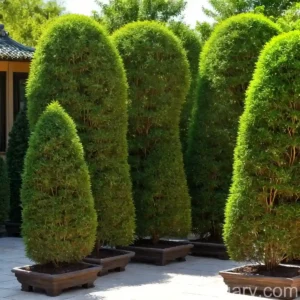
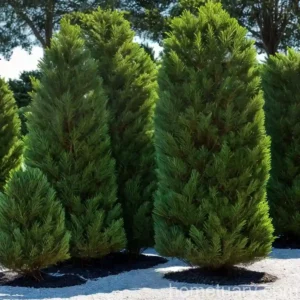
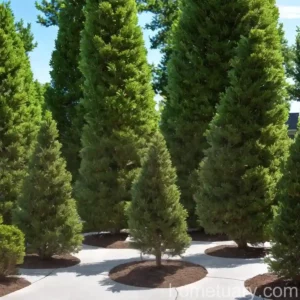
Red cedar, scientifically known as Juniperus virginiana ‘Canaertii’, is a popular evergreen tree that belongs to the cypress family (Cupressaceae). It is a variety of the species Juniperus virginiana, commonly known as the Eastern red cedar. The ‘Canaertii’ variation is highly valued for its tall, narrow growth habit, making it a sought-after choice for privacy screens, windbreaks, and ornamental plantings.
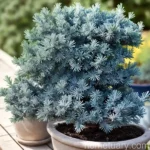
The red cedar is native to North America, particularly thriving in regions with well-drained soils and ample sunlight. It showcases dense, blue-green foliage, and produces small, bluish berries that are an essential food source for numerous wildlife species, including birds and mammals.
With its striking appearance and versatile applications, the red cedar tree has garnered significant attention from horticulturists, landscapers, and homeowners seeking to enhance their outdoor spaces with a resilient, aesthetically pleasing plant. In this comprehensive guide, we will explore the key aspects of red cedar (Juniperus virginiana ‘Canaertii’), including its cultural needs, uses, maintenance requirements, and much more.
Key Takeaways – Red Cedar (Juniperus virginiana ‘Canaertii’)
Culture
- Red cedar (Juniperus virginiana ‘Canaertii’) thrives in well-drained soil and full sunlight.
- It is a low-maintenance tree that is tolerant of drought conditions once established.
- Regular watering is essential during the initial years of growth to promote healthy establishment.
Uses
- Provides an effective privacy screen when planted closely together.
- Serves as a windbreak to protect against strong winds and create sheltered areas.
- Offers a visually appealing option for ornamental landscaping in both residential and commercial settings.
Water
- Requires adequate watering during initial establishment.
- Once mature, the red cedar is drought-tolerant and can withstand long periods of limited water.
Sunlight
- Flourishes in full sunlight, making it an ideal choice for open landscapes and sunny garden areas.
Fertilizer
- Performs well in various soil types and typically does not require frequent fertilization.
- Use a balanced fertilizer sparingly if necessary, particularly for trees showing signs of nutrient deficiencies.
Soil
- Flourishes in well-drained soils and is adaptable to a range of soil types, including sandy, loamy, and rocky soils.
- The pH level of the soil should ideally be slightly acidic to neutral (pH 5.0-7.0).
Pruning
- Pruning is recommended to maintain the desired shape and density of the tree.
- Typically, minimal pruning is needed, especially while the plant is still young and establishing its form.
Propagation
- Propagation can be achieved through seed germination or semi-hardwood cuttings.
- Seed propagation is a common method and can lead to the development of new red cedar trees with genetic variation.
Container
- While red cedar (Juniperus virginiana ‘Canaertii’) can be grown in containers when young, it is best suited for open landscapes once it matures.
- When grown in containers, adequate space and drainage are essential for optimal growth.
Popularity
- Due to its versatility and resilience, red cedar is a highly sought-after plant for landscape and horticultural applications.
- Its popularity is attributed to its adaptability, low-maintenance requirements, and striking visual appeal.
Common Diseases
- Red cedar is susceptible to certain diseases, including cedar-apple rust, kabatina tip blight, and phomopsis twig blight.
- Prolonged periods of high humidity and inadequate air circulation can contribute to disease development.
Disease Diagnosis
- Visual symptoms such as discoloration, dieback, and abnormal growth can indicate the presence of diseases in red cedar trees.
- Consulting with a plant health specialist or horticulturist can aid in accurately diagnosing and addressing potential diseases.
Common Pests
- Red cedar trees can attract specific pests such as bagworms, cedar-apple rust, and spider mites.
- Timely monitoring and appropriate pest management practices are crucial for preventing pest-related damage.
Botanist’s Tips
- Regular observation of foliage, growth patterns, and overall tree health facilitates early detection of potential issues.
- Proper cultural practices, including watering, pruning, and soil management, contribute to the long-term vitality of red cedar (Juniperus virginiana ‘Canaertii’).
Fun Facts
- The aromatic red cedar wood is valued for its natural insect-repellent properties, making it a preferred choice for crafting cedar chests and closets.
- Its berries are an important food source for various bird species, contributing to the ecological significance of the tree.
Links to External Resources
-
USDA Plant Guide: Eastern Redcedar – This resource provides detailed information on the Eastern red cedar (Juniperus virginiana), offering insights into its natural habitat, growth characteristics, and ecological importance.
-
Red Cedar Tree Care – The Arbor Day Foundation offers a comprehensive guide on red cedar tree care, including planting tips, growth requirements, and maintenance recommendations.
-
Insect Pests of Juniper – The University of Kentucky entomology department outlines common insect pests that affect juniper plants and provides insights into pest identification and management.
-
Phomopsis Blight of Juniper – The USDA Agricultural Research Service offers a detailed overview of Phomopsis blight, a common disease that affects juniper species, including red cedar, and provides guidance on disease management strategies.
-
Juniperus virginiana ‘Canaertii’ – Red Cedar – Oregon State University’s Landscape Plants resource provides valuable information on Juniperus virginiana ‘Canaertii’, including its cultural requirements, landscape uses, and growth characteristics.
Conclusion
Red cedar (Juniperus virginiana ‘Canaertii’) stands out as a resilient, visually appealing tree that serves multiple purposes in landscaping and horticulture. Its adaptability to diverse environmental conditions, low-maintenance attributes, and ornamental value make it a popular choice for both professional landscapers and gardening enthusiasts. By understanding its cultural needs, maintenance requirements, and potential challenges, individuals can foster the growth and vitality of red cedar trees, unlocking the numerous benefits they offer to outdoor spaces and the surrounding ecosystem. Whether used as a privacy screen, windbreak, or ornamental centerpiece, the red cedar (Juniperus virginiana ‘Canaertii’) exemplifies the enduring allure and practical functionality of carefully selected plant species.
Through ongoing care and appreciation for its unique characteristics, the red cedar tree continues to be a cherished element of diverse landscapes, enriching outdoor environments and providing ecological value for years to come.