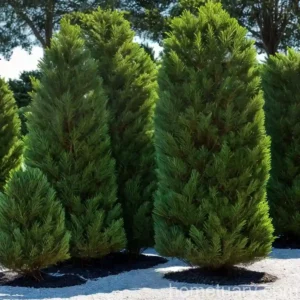
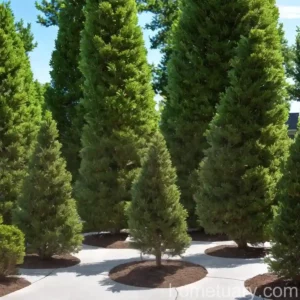
Savin Juniper (Juniperus sabina ‘Variegata’)
Savin juniper, scientifically known as Juniperus sabina ‘Variegata’, is a stunning evergreen shrub that belongs to the cypress family Cupressaceae. This beautiful plant is cherished for its striking variegated foliage and aromatic fragrance, making it a popular choice for landscape and garden enthusiasts. In this comprehensive guide, we will delve into the intricacies of the savin juniper, exploring its characteristics, cultivation techniques, uses, and much more.
What is Savin Juniper?
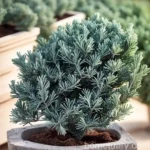
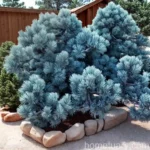
Savin juniper, also known as savin, Savin’s juniper, or variegated savin juniper, is a low-growing evergreen shrub characterized by its dense, mounding form and striking variegated foliage. It is a cultivar of the common juniper (Juniperus sabina), native to Europe and Asia. The ‘Variegata’ variety is recognized for its eye-catching needle-like leaves, which feature a stunning blend of green, cream, and sometimes pink hues. Its compact and spreading nature makes it an excellent choice for ground cover, rock gardens, or as an accent plant in landscape designs. Additionally, its hardiness and adaptability make it a valuable asset in various environmental conditions.
Key Takeaways – Savin Juniper (Juniperus sabina ‘Variegata’)
Before delving into the specific aspects of savin juniper, let’s outline the key takeaways regarding its care, characteristics, and uses.
- Savin Juniper Care: Understanding the requirements for cultivating and maintaining a healthy savin juniper.
- Juniperus Sabina ‘Variegata’ Characteristics: Exploring the unique features and attributes that define this variegated juniper cultivar.
- How to Grow Savin Juniper: Providing insights into the essential steps for successful cultivation and growth.
- Variegated Juniperus Sabina Care Tips: Offering valuable tips and strategies for nurturing the variegated form of Juniperus sabina.
- Best Practices for Juniperus Sabina ‘Variegata’: Outlining the optimal approaches and techniques for maximizing the potential of this captivating plant.
Culture
Cultivating savin juniper requires a good understanding of its cultural preferences, including its requirements for water, sunlight, soil, and fertilizer. Let’s delve into each of these aspects in detail.
Uses
Savin juniper holds a versatile range of uses in landscaping due to its ornamental appeal, low maintenance, and adaptability to various growing conditions. Its common uses include:
- Ground cover in rock gardens or mixed borders.
- Accent plant in landscape designs.
- Erosion control on slopes or embankments.
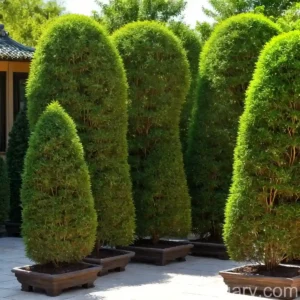
- Privacy screening or hedging.
- Container cultivation for patios or urban spaces.
- Pollinator gardens to attract beneficial insects.
- Wildlife habitat due to its dense foliage.
Each of these uses highlights the plant’s versatility and its ability to enhance the visual appeal and ecological value of outdoor spaces.
Water
Proper watering is essential for the health and vitality of savin juniper, especially during its establishment phase. Once established, it exhibits good drought tolerance, making it suitable for xeriscaping and arid landscapes.
- Newly Planted Savin Juniper: Water deeply immediately after planting to ensure the soil is moist. Subsequently, water regularly for the first few months to facilitate root establishment.
- Established Savin Juniper: Once the plant is well-rooted, it generally requires minimal supplemental watering, particularly in regions with regular rainfall or moderate moisture levels. However, during prolonged periods of drought or extreme heat, occasional deep watering can help maintain its vigor and vitality.
Sunlight
Savin juniper thrives in full sun to part shade, displaying its best growth and foliage coloration under abundant sunlight. When selecting a planting location, consider the following sunlight preferences:
- Full Sun: Provides the optimal conditions for vigorous growth and the most vibrant foliage colors.
- Part Shade: Tolerates partial shade but may result in slightly reduced growth and less intense variegation. However, it can still thrive and maintain its attractive appearance in these conditions.
Fertilizer
Fertilization plays a crucial role in promoting the growth and overall health of savin juniper. It is recommended to apply a balanced, slow-release fertilizer in spring to provide the necessary nutrients for robust growth and vibrant foliage.
- Application: Spread a granular fertilizer around the base of the plant, ensuring it is effectively incorporated into the soil.
- Frequency: Fertilize once a year in early spring, avoiding excessive application to prevent potential nutrient imbalances.
Soil
Savin juniper exhibits a preference for well-drained soil with a slightly acidic to neutral pH. Understanding its soil preferences is essential for creating an optimal growing environment.
- Well-Drained Soil: Ensure the planting site has good drainage to prevent waterlogging, which can lead to root rot and other moisture-related issues.
- pH Level: Aim for a pH range between 6.0 and 7.0, providing an ideal balance for nutrient uptake and overall plant health.
Pruning
Proper pruning is crucial in maintaining the desired shape, size, and overall appearance of savin juniper. Additionally, timely pruning can help rejuvenate the plant and promote vigorous new growth.
- Pruning Techniques: Utilize sharp, clean tools to trim the plant as needed, removing dead or damaged branches, shaping its form, or controlling its size.
- Timing: Late winter to early spring is an ideal period for pruning, as it allows the plant to recover and initiate new growth as the growing season begins.
Propagation
Propagating savin juniper can be achieved through various methods such as seeds, cuttings, or layering. Each technique offers unique advantages and challenges, allowing for flexibility in propagation approaches.
- Seed Propagation: Collect mature seeds from the plant and sow them in a suitable seed-starting mix. Provide adequate moisture and warmth to facilitate germination.
- Cutting Propagation: Take stem cuttings from healthy, established plants and root them in a well-draining propagation medium. Maintain consistent moisture and humidity to encourage root development.
- Layering: Encourage stem layering by burying a portion of a flexible stem in the soil, allowing it to develop roots while still attached to the parent plant. Once roots are established, the new plant can be separated and transplanted.
Container Popularity
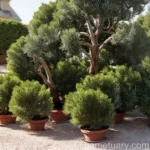
Savin juniper’s adaptability and low maintenance make it a popular choice for container cultivation, adding ornamental interest to patios, balconies, or small outdoor spaces. Its cascading form and variegated foliage create an attractive display in containers, often enhancing the visual appeal of urban or compact environments.
- Container Selection: Choose a spacious container with adequate drainage holes to ensure proper drainage and prevent waterlogging.
- Growing Medium: Use a well-draining potting mix suitable for evergreen shrubs to provide the necessary support and aeration for the plant’s roots.
- Maintenance: Regularly monitor the moisture levels in the container, ensuring the plant receives sufficient water without becoming waterlogged. Additionally, consider seasonal fertilization to support its growth and vitality.
Common Diseases
While savin juniper is generally resilient, it can occasionally encounter diseases that may affect its overall health and appearance. Understanding common diseases and their prevention is essential for effectively managing potential issues.
Disease Diagnosis
Identifying symptoms of diseases can aid in prompt diagnosis and targeted treatment. Common diseases that may affect savin juniper include:
- Phomopsis Blight: Recognized by brown or purplish stem discoloration and dieback of foliage. Proper sanitation and pruning can help manage and prevent this fungal disease.
- Kabatina Tip Blight: Characterized by brown or blackened needle tips and dieback. Regular inspection and proper pruning can mitigate the impact of this fungal disease.
- Cedar Apple Rust: Presents as orange to rust-colored spots on the foliage and can impact overall plant vigor. Monitoring and appropriate fungicidal treatments can help manage this disease.
Disease Prevention
Implementing preventative measures is key to minimizing the risk of diseases and preserving the plant’s health.
- Cultural Practices: Maintain proper spacing between plants to ensure adequate air circulation and reduce moisture retention. Additionally, practice cleanliness by removing and disposing of any diseased plant material.
- Monitoring: Regularly inspect the plant for any signs of disease, including changes in foliage color, texture, or overall appearance. Early detection allows for timely intervention and management.
- Optimal Growing Conditions: Provide the plant with suitable cultural conditions, including sufficient sunlight, well-drained soil, and proper water management, to promote robust growth and resilience against potential diseases.
Common Pests
Savin juniper may face challenges from various pests, including insects and mites, which can impact its foliage and overall vigor.
Botanist’s Tips
As a botanist, here are some valuable tips for cultivating and caring for savin juniper:
- Regular Monitoring: Keep a close eye on the plant’s health, observing for any signs of stress, disease, or pest activity. Prompt intervention can prevent issues from escalating.
- Cultural Adaptability: Recognize the plant’s adaptability to diverse environmental conditions, making it suitable for a range of landscape and garden settings.
- Pruning and Training: Utilize proper pruning techniques to maintain a compact, well-shaped form, enhancing the plant’s aesthetic appeal and health.
Fun Facts
- The name “savin” is derived from the French word “saviner,” referring to the plant’s aromatic foliage commonly utilized for its fragrance.
- Savin juniper has a rich history, with references to its use in traditional medicine and herbal remedies in various cultures.
- The plant’s striking variegated foliage makes it a captivating addition to winter landscapes, standing out against snow-covered backdrops with its contrasting colors.
Links to External Resources
For further exploration and in-depth information on savin juniper, the following external resources offer valuable insights and guidance:
In conclusion, the savin juniper (Juniperus sabina ‘Variegata’) stands as a captivating and adaptable evergreen shrub, offering ornamental appeal and ecological value in various garden and landscape settings. Understanding its care requirements, uses, and characteristics can empower gardeners and enthusiasts to cultivate and appreciate the beauty and resilience of this remarkable plant.
As we embrace the timeless allure of savin juniper, we acknowledge its role as a symbol of resilience and natural elegance, enriching outdoor spaces with its vibrant foliage and aromatic presence.