Red Cedar (Juniperus virginiana ‘Grey Owl’)
Red cedar, scientifically known as Juniperus virginiana ‘Grey Owl’, is a captivating evergreen shrub that has gained popularity for its ornamental and practical uses. This plant is among the most versatile and low maintenance landscape plants that thrive in various conditions. In this extensive guide, we will delve into the cultural aspects, uses, maintenance requirements, common diseases, and peculiar characteristics of the red cedar plant.
What is Red Cedar (Juniperus virginiana ‘Grey Owl’)?
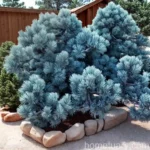
Red Cedar, or Juniperus virginiana ‘Grey Owl’, is a variety of Eastern red cedar. This evergreen plant can exhibit different shades of green and grey, with a dense, bushy, and compact form. The intricate foliage of ‘Grey Owl’ showcases an attractive silver-blue hue, making it a sought-after choice for landscape design. The botanical name ‘Juniperus virginiana’ refers to its classification in the Juniperus genus, while ‘Grey Owl’ signifies the specific cultivar.
Key Takeaways – Red Cedar (Juniperus virginiana ‘Grey Owl’)
Before we dive into the specifics of this majestic evergreen, here is a condensed overview of the key elements we will explore in this guide:
- Culture
- Uses
- Water
- Sunlight
- Fertilizer
- Soil
- Pruning
- Propagation
- Container
- Popularity
- Common Diseases
- Disease Diagnosis
- Common Pests
- Botanist’s Tips
- Fun Facts
- Links to External Resources
Culture of Red Cedar (Juniperus virginiana ‘Grey Owl’)
The red cedar, Juniperus virginiana ‘Grey Owl’, is a versatile plant that can thrive in diverse cultural conditions. Understanding its cultural requirements is essential for promoting its optimal growth and sustaining its ornamental appeal.
Water
Red cedar trees are known for their adaptability to diverse moisture levels, making them an ideal choice for various landscapes. These trees can withstand periods of drought once established. It is essential to provide young plants with adequate water until they develop a strong root system. Overwatering should be avoided, especially in poorly-drained soils, to prevent root rot.
Sunlight
‘Grey Owl’ red cedar thrives in full sun to partial shade. However, to achieve its full potential in terms of foliage color and density, it is preferable to plant it in locations that receive at least six hours of direct sunlight per day.
Fertilizer
One of the appealing aspects of the red cedar is its low maintenance nature, including minimal fertilizer requirements. These plants generally do not need additional fertilization if they are growing in a landscape with reasonably fertile soil. However, if necessary, a balanced, slow-release fertilizer can be applied during the spring to promote healthy growth.
Soil
Red cedar trees are adaptable to various soil types, including loamy, sandy, or clay soils, as long as they are well-drained. They are relatively tolerant of different pH levels but thrive in slightly acidic to neutral soils.
Uses of Red Cedar (Juniperus virginiana ‘Grey Owl’)
The red cedar has both practical and ornamental uses, making it a valuable addition to a range of landscaping projects.
Landscaping
The ‘Grey Owl’ red cedar is a popular choice for adding visual interest to landscapes, particularly in areas where a compact evergreen is desired. Its striking foliage and compact growth habit make it suitable for borders, mass plantings, or as a focal point in a garden or landscape design.
Privacy Screen
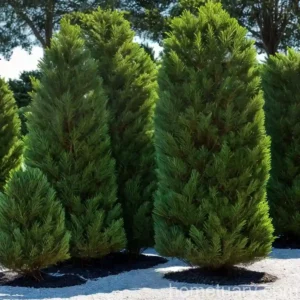
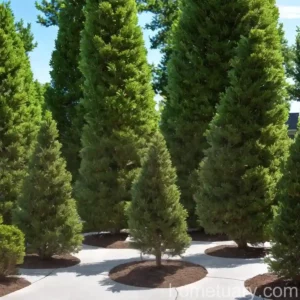
Due to its dense foliage and upright growth habit, red cedar varieties are often used to create privacy screens or windbreaks. ‘Grey Owl’ excels in this use, providing both visual and functional benefits.
Erosion Control
The extensive and fibrous root system of the red cedar helps in preventing soil erosion, making it an effective plant for stabilizing slopes and embankments.
Medicinal and Aromatic Purposes
Historically, various parts of the red cedar tree have been used by indigenous communities and herbalists for their medicinal properties. Its wood and foliage have been utilized for crafting various products, including essential oils and traditional remedies.
Pruning and Maintenance
Proper pruning and maintenance are crucial for ensuring the health and aesthetic appeal of red cedar trees. ‘Grey Owl’ is relatively low-maintenance, requiring minimal upkeep to sustain its natural form and density.
Pruning
Regular pruning is essential to maintain the desired shape and size of the red cedar. Pruning can be performed in late winter or early spring before the new growth emerges. It is important to remove any dead or diseased branches and gently shape the plant to encourage a dense and compact growth habit.
Winter Care
During the winter months, ‘Grey Owl’ red cedar may benefit from a layer of mulch around the base to insulate the roots and prevent moisture loss. Additionally, it is advisable to protect young plants from harsh winter winds.
Propagation of Red Cedar (Juniperus virginiana ‘Grey Owl’)
Propagating red cedar can be achieved through several methods, including seeds, cuttings, and layering. Each approach has its benefits and considerations.
Seed Propagation
Propagation from seeds is a simple and cost-effective method for expanding red cedar populations. The seeds should be collected from mature cones and sown in well-drained soil during the fall. They can take a few months to germinate, and the resulting seedlings will inherit the genetic traits of the parent plant.
Cuttings
Softwood cuttings can be taken in early summer and propagated in a moist and well-draining medium. By providing the right conditions and care, the cuttings can develop into new plants with genetic similarity to the parent plant.
Layering
Layering involves encouraging a branch to root while still attached to the parent plant. This method often results in a higher success rate, as the newly rooted section remains connected to the parent plant until it is ready for independent growth.
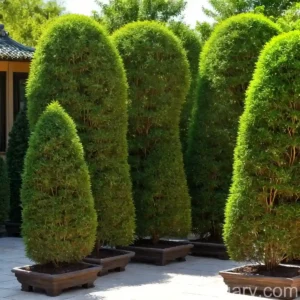
Red Cedar (Juniperus virginiana ‘Grey Owl’) in Containers
Growing ‘Grey Owl’ red cedar in containers can be a suitable option for individuals with limited garden space or those looking to create portable greenery.
Container Size
Selecting an appropriate container size is crucial to accommodate the plant’s root system and promote healthy growth. The container should provide ample room for the roots and have drainage holes to prevent waterlogging.
Soil and Fertilizer
Well-draining soil formulated for container plants should be utilized. Regular monitoring of soil moisture levels is essential, and periodic fertilization throughout the growing season can help meet the plant’s nutritional needs.
Sunlight and Watering
Place the container in an area that receives adequate sunlight, and ensure consistent watering to maintain soil moisture without waterlogging. Container plants may dry out more quickly, so it is important to monitor their water needs.
Popularity of Red Cedar (Juniperus virginiana ‘Grey Owl’)
The ‘Grey Owl’ variety of red cedar has gained popularity among gardeners, landscapers, and homeowners for several compelling reasons.
Ornamental Appeal
Its distinctive foliage color, compact form, and adaptability to various landscape settings have contributed to its widespread use as an ornamental plant. The ‘Grey Owl’ cultivar’s unique silver-blue foliage sets it apart as an eye-catching addition to gardens and landscapes.
Versatility
The red cedar’s versatility in terms of cultural adaptability, usage, and maintenance has made it an appealing choice for a wide range of landscaping applications. Its ability to thrive in different environmental conditions has contributed to its widespread popularity.
Low Maintenance
Minimal care requirements make the ‘Grey Owl’ red cedar an attractive option for busy homeowners and landscaping professionals. Its resilience and adaptability enhance its appeal as a low-maintenance, high-impact landscape plant.
Common Diseases of Red Cedar (Juniperus virginiana ‘Grey Owl’)
Like all plants, red cedars are susceptible to certain diseases that can impact their health and visual appeal. Understanding these potential issues is crucial for effective disease prevention and management.
Cedar Apple Rust
One of the notable diseases affecting juniper species is cedar apple rust, a fungal infection that can manifest as orange or rust-colored growths on the foliage. This disease requires an alternate host, such as apple or crabapple trees, to complete its life cycle.
Phomopsis Blight
Phomopsis blight, caused by the fungus Phomopsis juniperovora, can lead to dieback and discoloration of the plant’s foliage. Pruning out affected branches and promoting good air circulation can help manage this disease.
Cercospora Blight
Cercospora blight is characterized by the development of distinct brown spots on the foliage, often accompanied by premature defoliation. Maintaining proper plant hygiene and watering practices can contribute to disease prevention.
Tip Blight
Tip blight, caused by the fungal pathogen Didymascella thujina, can lead to browning and dieback of the branch tips. Pruning out affected areas and avoiding overhead watering can help manage this disease.
Disease Diagnosis and Management
It is essential to promptly identify and address potential diseases affecting red cedar plants to prevent their spread and minimize the impact on plant health.
Visual Symptoms
Observing the foliage for unusual discoloration, spots, or lesions can provide valuable insights into the plant’s health. Understanding the characteristic symptoms of common diseases can aid in accurate diagnosis.
Proper Hygiene
Maintaining proper plant hygiene by removing fallen leaves, debris, and any affected plant parts can minimize the risk of disease development and spread.
Cultural Practices
Implementing cultural practices that promote plant vigor, such as appropriate watering, pruning, and fertilization, can enhance the plant’s ability to resist and recover from diseases.
Disease-Specific Treatments
In cases where diseases are identified, targeted treatments such as fungicidal applications or pruning practices may be necessary to manage the issue effectively.
Common Pests Affecting Red Cedar (Juniperus virginiana ‘Grey Owl’)
In addition to diseases, red cedar plants can be susceptible to pest infestations that can compromise their health and aesthetic appeal. Identifying and addressing common pests is crucial for maintaining the vitality of ‘Grey Owl’ red cedars.
Spider Mites
Spider mites are tiny arachnids that can cause stippling and discoloration of the foliage. Regular inspections and the use of horticultural oils or insecticidal soaps can help manage spider mite populations.
Bagworms
Bagworms are caterpillars that construct protective bags from plant material, blending in with the foliage. Manual removal of the bags and the use of biological control agents can help address bagworm infestations.
Scale Insects
Scale insects can appear as small, immobile bumps on the foliage and stems, draining the plant’s sap and weakening its overall health. Targeted treatments with horticultural oils or insecticidal sprays can help manage scale populations.
Cedar-apple Rust Gall
As mentioned earlier in the section about diseases, cedar-apple rust requires an alternate host, but if both the cedar and apple host are present, it can lead to unsightly galls on the foliage. Management efforts should focus on disrupting the disease cycle by addressing potential alternate hosts.
Botanist’s Tips for Red Cedar (Juniperus virginiana ‘Grey Owl’) Care
Given the unique characteristics and maintenance requirements of ‘Grey Owl’ red cedar, botanist’s insights can offer valuable guidance for cultivating and preserving the plant’s health and ornamental appeal.
- Sunlight: Ensure that ‘Grey Owl’ red cedar receives ample sunlight to promote vibrant foliage color and compact growth.
- Watering: Monitor soil moisture levels and adjust watering frequency based on environmental conditions to prevent both drought stress and waterlogging.
- Pruning: Regular pruning in late winter or early spring helps maintain the desired shape and density while removing any dead or diseased branches.
- Disease Prevention: Implement cultural practices that promote good air circulation and reduce moisture on foliage to minimize the risk of disease development.
- Pest Management: Regularly inspect red cedar plants for signs of pest infestations, and promptly address any issues to prevent population build-up.
Fun Facts about Red Cedar (Juniperus virginiana ‘Grey Owl’)
Exploring the lesser-known aspects of ‘Grey Owl’ red cedar can offer fascinating insights into its botanical and historical significance.
- Wildlife Habitat: Red cedar trees provide valuable habitat and food sources for various wildlife, including birds and small mammals. Their dense foliage and berries contribute to the ecological biodiversity of their surroundings.
- Aromatic Qualities: The distinctive aroma of red cedar wood has made it a popular choice for crafting cedar chests, closets, and other storage solutions due to its natural insect-repelling properties.
- Historical Uses: Indigenous communities utilized various parts of red cedar for medicinal, ceremonial, and practical purposes, recognizing its cultural and traditional significance.
Links to External Resources
To delve deeper into the world of ‘Grey Owl’ red cedar, here are some valuable external resources for additional information and insights:
- Missouri Botanical Garden – Juniperus virginiana ‘Grey Owl’
- University of Florida IFAS Extension – Eastern Red Cedar
- USDA Plants Database – Juniperus virginiana
- North Carolina State University Extension – Juniperus virginiana: Eastern Redcedar
- The Morton Arboretum – Eastern Red Cedar
With a rich array of resources at your fingertips, you can further enhance your understanding and appreciation of the captivating red cedar, Juniperus virginiana ‘Grey Owl’.
In conclusion, the red cedar, Juniperus virginiana ‘Grey Owl’, embodies a harmonious blend of ornamental beauty and practical utility, making it a valuable asset in diverse landscapes and garden settings. By embracing its unique characteristics and meeting its cultural requirements, homeowners, landscape professionals, and gardening enthusiasts can revel in the enduring allure of this captivating evergreen shrub.