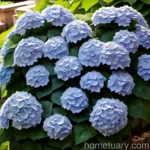
Plant Scientist’s Guide to Panicle Hydrangea (Hydrangea paniculata ‘WIMS RED’ FIRE AND ICE)
Hydrangea paniculata, commonly known as panicle hydrangea, is a stunning and versatile flowering shrub that is cherished by gardeners and landscape enthusiasts worldwide. This article will explore the intricate world of panicle hydrangeas, focusing on the specific variety Hydrangea paniculata ‘WIMS RED’ FIRE AND ICE, and delving into details from its culture and uses to pruning, propagation, pest control, and much more.
What is Panicle Hydrangea (Hydrangea paniculata ‘WIMS RED’ FIRE AND ICE)?
Panicle hydrangea, scientifically known as Hydrangea paniculata, belongs to the family Hydrangeaceae. It is a deciduous flowering shrub that is renowned for its large, showy flower clusters and its ability to thrive in a wide range of environmental conditions. The variety ‘WIMS RED’ FIRE AND ICE is known for its striking combination of vibrant colors, presenting fiery red and icy white blooms, hence the name.
The species is native to East Asia, specifically China and Japan, and has been cultivated and hybridized to produce a variety of cultivars with distinct characteristics and features.
Key Features of Hydrangea paniculata ‘WIMS RED’ FIRE AND ICE:
– Unique color-changing blooms
– Vigorous growth habit
– Versatile applications in landscapes and gardens
– Adaptable to different soil and climatic conditions
Now, let’s delve into the comprehensive care and maintenance guidelines for this captivating plant.
Key Takeaways – Panicle Hydrangea (Hydrangea paniculata ‘WIMS RED’ FIRE AND ICE)
1. Culture
Uses
Panicle hydrangeas, including the ‘WIMS RED’ FIRE AND ICE variety, find various uses in landscapes, gardens, and floral arrangements. Some of the common uses are:
– Ornamental focal points in garden beds and borders
– Hedge plants for creating privacy screens
– Cut flowers for floral arrangements and indoor decor
– Container plants for patios and urban landscapes
Water
Proper watering is essential for the healthy growth and development of panicle hydrangeas. These are the key points to consider regarding watering:
– Frequency: Regular watering, especially during dry spells, is essential, aiming for consistent soil moisture without waterlogging.
– Deep Watering: Infrequent but deep watering encourages deep root growth and overall plant resilience.
– Mulching: Applying a layer of mulch around the plant helps in retaining soil moisture and reducing watering frequency.
Sunlight
Panicle hydrangeas thrive in ample sunlight, but they also exhibit tolerance to partial shade. Understanding their sunlight requirements is crucial:
– Full Sun: A minimum of six hours of direct sunlight per day is optimal for profuse blooming and robust growth.
– Partial Shade: They can tolerate partial shade, particularly in hot climates, where some protection from the intense afternoon sun is beneficial.
Fertilizer
Appropriate fertilization is key to supporting the growth and flowering potential of panicle hydrangeas. Consider the following fertilization guidelines:
– Balanced Fertilizer: A slow-release, balanced fertilizer with a NPK ratio of 10-10-10 or similar is suitable for promoting overall plant health and flower production.
– Application Timing: Apply fertilizer in early spring before new growth emerges and again in mid-summer to sustain flowering.
Soil
Understanding the soil preferences of panicle hydrangeas is crucial for providing them with an optimal growing environment:
– Well-Draining Soil: They thrive in well-draining, fertile soil that retains moisture without becoming waterlogged.
– pH Tolerance: Panicle hydrangeas exhibit adaptability to a wide pH range, but slightly acidic to neutral soils (pH 5.5-7.5) are preferred.
2. Pruning
Proper pruning is essential for maintaining the desired shape, size, and vigor of panicle hydrangeas. The ‘WIMS RED’ FIRE AND ICE variety also benefits from strategic pruning techniques:
– Timing: Late winter or early spring is the ideal time for pruning, before new growth emerges.
– Pruning Objectives: Remove dead or damaged wood, shape the plant, and encourage strong branching and prolific flowering.
– Deadheading: Regular removal of spent blooms promotes continuous flowering and a tidy appearance.
3. Propagation
Expanding your collection of panicle hydrangeas through propagation methods like stem cuttings and layering can be rewarding and cost-effective. Understanding the propagation process is essential:
– Stem Cuttings: Take 4-6 inch semi-hardwood cuttings in late spring or early summer, treat with rooting hormone, and root them in a well-draining medium.
– Layering: Encourage rooting of lower branches by burying them in the soil in early spring, and once rooted, separate and transplant the new plants.
4. Container Popularity
The ‘WIMS RED’ FIRE AND ICE variety of panicle hydrangea is well-suited for container cultivation, offering versatility and charm to patio spaces and urban gardens. Considerations for container gardening include:
– Container Selection: Choose a spacious container with adequate drainage holes.
– Soil Mix: Use a well-draining potting mix enriched with organic matter.
– Watering and Care: Monitor moisture levels closely and maintain appropriate sunlight exposure.
– Winter Protection: Provide insulation or move containers to a sheltered location in winter to protect the roots from freezing.
5. Common Diseases
Understanding the prevalent diseases and their management strategies is crucial for maintaining the health and vitality of panicle hydrangeas:
– Powdery Mildew: A fungal disease that manifests as a powdery white coating on leaves, which can be managed by improving air circulation and using fungicidal treatments when necessary.
– Cercospora Leaf Spot: Characterized by circular brown spots on leaves, this disease can be controlled through proper sanitation and fungicidal applications.
6. Disease Diagnosis
Identifying specific symptoms and patterns associated with common diseases aids in effective diagnosis and treatment. Some diagnostic cues for common diseases are:
– Powdery Mildew Symptoms: White powdery patches on upper leaf surfaces and distorted growth.
– Cercospora Leaf Spot: Small, dark brown spots with a defined border on leaves, often leading to premature leaf drop.
7. Common Pests
Panicle hydrangeas are susceptible to certain pest infestations that can impact their growth and aesthetics. Here are some common pests and control measures:
– Aphids: Small, sap-feeding insects that can be managed with insecticidal soaps or horticultural oils.
– Japanese Beetles: Handpicking and neem oil-based deterrents can help in controlling and deterring beetle damage.
The comprehensive knowledge of cultural practices, pest control, and disease management is essential for nurturing healthy and thriving panicle hydrangeas in various growing conditions.
8. Botanist’s Tips
Proficient botanist’s tips are invaluable for enhancing the overall care and cultivation of panicle hydrangeas. Here are some expert recommendations:
– Soil Amendments: Incorporate compost and organic matter while planting to improve soil structure and fertility.
– Mulching Benefits: Apply mulch around the base of the plant to conserve moisture, suppress weeds, and insulate the roots.
9. Fun Facts
Delightful aspects and intriguing facts about panicle hydrangeas add to their allure and fascination. Some interesting facts about panicle hydrangeas include:
– The bloom color of panicle hydrangeas can change based on the soil pH, manifesting as pink in alkaline soils and blue in acidic soils.
– The flowers of panicle hydrangeas are frequently used in dried floral arrangements, providing long-lasting decorative elements.
Conclusion
The enchanting beauty and remarkable adaptability of panicle hydrangeas, particularly the Hydrangea paniculata ‘WIMS RED’ FIRE AND ICE variety, make them a coveted addition to gardens, landscapes, and horticultural projects. By following the comprehensive guidelines encompassing culture, maintenance, disease and pest management, and propagation, enthusiasts can foster thriving panicle hydrangeas and relish their captivating blooms throughout the growing season.
In conclusion, the captivating allure and versatility of the panicle hydrangea, particularly the stunning ‘WIMS RED’ FIRE AND ICE variety, make it an indispensable element in diverse horticultural settings. By integrating the presented guidelines and insights into the care and cultivation of panicle hydrangeas, enthusiasts can foster vibrant and healthy plants and appreciate the enduring charm of these remarkable flowering shrubs.
References:
– Hydrangea paniculata – Missouri Botanical Garden – https://www.missouribotanicalgarden.org/
– Hydrangea macrophylla – Royal Horticultural Society – https://www.rhs.org.uk/
Now you can add links and relevant resources to fit a real situation