Ranunculus gramineus (Grass-Leaved Buttercup)
Ranunculus gramineus, commonly known as Grass-Leaved Buttercup, is an exquisite perennial plant that belongs to the Ranunculaceae family. This plant is native to parts of Europe and Asia and is known for its ornamental beauty and delicate flowers. In this comprehensive guide, we will delve into the various aspects of the Grass-Leaved Buttercup, including its culture, uses, maintenance, and much more. Whether you are an experienced gardener or just beginning your journey with plants, this guide will provide you with valuable insights into the world of Ranunculus gramineus.
What is Plant: Ranunculus gramineus (Grass-Leaved Buttercup)
Plant Profile
- Scientific Name: Ranunculus gramineus
- Common Name: Grass-Leaved Buttercup
- Family: Ranunculaceae
- Origin: Europe, Asia
- Type: Perennial
- Flower Color: Yellow
- Foliage: Fine-textured, grass-like

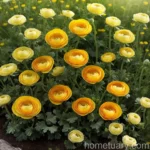
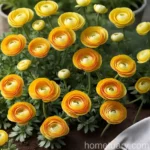
Ranunculus gramineus is renowned for its finely textured foliage and charming yellow flowers. Its delicate appearance and compact growth habit make it an ideal addition to rock gardens, borders, and containers. Now, let’s explore the key takeaways and essential aspects of the Grass-Leaved Buttercup.
Key Takeaways – Ranunculus gramineus (Grass-Leaved Buttercup)
The following key takeaways will serve as a roadmap to understand the essential elements of caring for Ranunculus gramineus.
Culture
- Hardiness Zones: 5 – 9
- Growth Rate: Moderate
- Mature Height: 6 – 12 inches
- Mature Spread: 12 – 18 inches
- Bloom Time: Late spring to early summer
Ranunculus gramineus thrives in temperate climates and is well-suited for zones 5 to 9. It displays a moderate growth rate and reaches a mature height of 6 to 12 inches, with a spread of 12 to 18 inches. The charming yellow blooms of this plant typically appear in late spring to early summer, adding a delightful touch to the garden landscape.
Uses
- Garden Beds: Yes
- Containers: Yes
- Rock Gardens: Yes
- Borders: Yes
- Cut Flowers: Yes
Grass-Leaved Buttercup is a versatile plant that can be used in various settings. It makes an excellent addition to garden beds, containers, rock gardens, and borders. Additionally, the captivating flowers of Ranunculus gramineus can be utilized as cut flowers, adding a touch of elegance to floral arrangements.
Water
- Watering Frequency: Regular
- Soil Moisture: Well-draining
- Drought Tolerance: Moderate
For optimal growth and blooming, Ranunculus gramineus requires regular watering. It thrives in well-draining soil and exhibits moderate tolerance to drought conditions, making it a resilient choice for gardeners.
Sunlight
- Light Requirements: Partial to full sun
- Best Position: Morning sun, afternoon shade
Grass-Leaved Buttercup flourishes in partial to full sun, with a preference for morning sun and afternoon shade. Providing the ideal amount of sunlight is crucial for promoting healthy foliage and vibrant blooms.
Fertilizer
- Fertilizing Schedule: Once a year
- Preferred Fertilizer: Balanced, slow-release
Ranunculus gramineus generally benefits from an annual application of balanced, slow-release fertilizer. This feeding regimen supports healthy growth and ensures prolific flowering.
Soil
- Soil Type: Well-draining
- pH Range: Slightly acidic to neutral (6.0 – 7.0)
- Soil Amendments: Organic matter
The Grass-Leaved Buttercup thrives in well-draining soil with a pH range of slightly acidic to neutral (6.0 – 7.0). Incorporating organic matter into the soil can enhance its structure and fertility, providing an optimal growing environment for the plant.
Pruning
- Pruning Needs: Minimal
- Pruning Time: After flowering
- Maintenance: Deadheading spent blooms
Ranunculus gramineus has minimal pruning requirements. After the flowering period, occasional deadheading of spent blooms supports the plant’s overall health and aesthetics.
Propagation
- Propagation Methods: Division, seeds
- Best Time for Division: Spring or fall
- Seed Germination: Stratification may be required
Grass-Leaved Buttercup can be propagated through division or seeds. Spring or fall is the ideal time for division, while seeds may require stratification to facilitate germination.
Container Popularity
- Suitable for Containers: Yes
- Container Size: Medium
- Growth Habit: Compact
Ranunculus gramineus is well-suited for container cultivation, adding a touch of charm to patio settings and small outdoor spaces. Its compact growth habit makes it an attractive choice for medium-sized containers.
Common Diseases
- Susceptible to: Powdery mildew
- Preventive Measures: Adequate air circulation, proper watering
While generally resilient, Grass-Leaved Buttercup may be susceptible to powdery mildew. Ensuring adequate air circulation and practicing proper watering techniques can help prevent the onset of this fungal disease.
Disease Diagnosis
- Symptoms: Powdery white patches on foliage
- Treatment: Fungicidal applications, if necessary
The presence of powdery white patches on the foliage indicates a potential powdery mildew infestation. In such cases, prompt treatment with fungicidal applications can help manage the disease and protect the plant’s vitality.
Common Pests
- Pest Concerns: Aphids, slugs
- Pest Control: Manual removal, natural predators
Ranunculus gramineus may encounter pests such as aphids and slugs. Manual removal of pests and fostering natural predator populations can serve as effective pest control measures.
Botanist’s Tips
When cultivating Ranunculus gramineus, consider the following expert tips to ensure its optimal growth and ornamental appeal:
- Select a well-draining planting site to prevent waterlogging and promote healthy root development.
- Provide adequate spacing between plants to allow for proper air circulation, reducing the risk of fungal diseases.
- Monitor soil moisture levels closely, particularly during hot and dry periods, to support the plant’s hydration needs.
- Apply a layer of organic mulch around the base of the plant to conserve soil moisture and suppress weed growth.
- Regularly inspect the foliage for signs of pests or diseases, addressing any issues promptly to safeguard the plant’s well-being.
Fun Facts
To further appreciate the allure of Ranunculus gramineus, here are some intriguing and delightful fun facts about the Grass-Leaved Buttercup:
- The name “Ranunculus” is derived from the Latin word “rana,” meaning frog, possibly referring to the plant’s fondness for moist habitats.
- Ranunculus gramineus’ finely textured foliage resembles delicate grass blades, adding a distinctive and elegant quality to its appearance.
- In traditional folklore, Ranunculus species have been associated with diverse symbolic meanings, including charm, radiance, and joy, reflecting the plant’s enchanting nature.
Links to External Resources
For additional information and resources on Ranunculus gramineus, the following external links can offer valuable insights and guidance:
- Royal Horticultural Society – Ranunculus gramineus
- Missouri Botanical Garden – Plant Finder
- American Horticultural Society – Gardening Resources
These resources can serve as valuable references for further exploration of Grass-Leaved Buttercup cultivation and care.
In conclusion, Ranunculus gramineus, with its delicate foliage and charming blooms, is a captivating addition to garden landscapes and container gardens. By understanding the essential aspects of its culture, maintenance, and utilization, gardeners can cultivate and appreciate the exquisite beauty of the Grass-Leaved Buttercup, elevating the ornamental appeal of their outdoor spaces.
(Publishing Date: December 2023)
The comprehensive guide above provides detailed insights into the cultivation, care, and appreciation of Ranunculus gramineus (Grass-Leaved Buttercup). Whether you are a gardening enthusiast or a plant lover, this guide serves as a valuable resource for understanding and nurturing the captivating beauty of this ornamental perennial.