Ribes Sanguineum (Red Flowering Currant)
Plants have an essential place in every ecosystem and are a fundamental source of life for humans and animals alike. Their diverse characteristics.
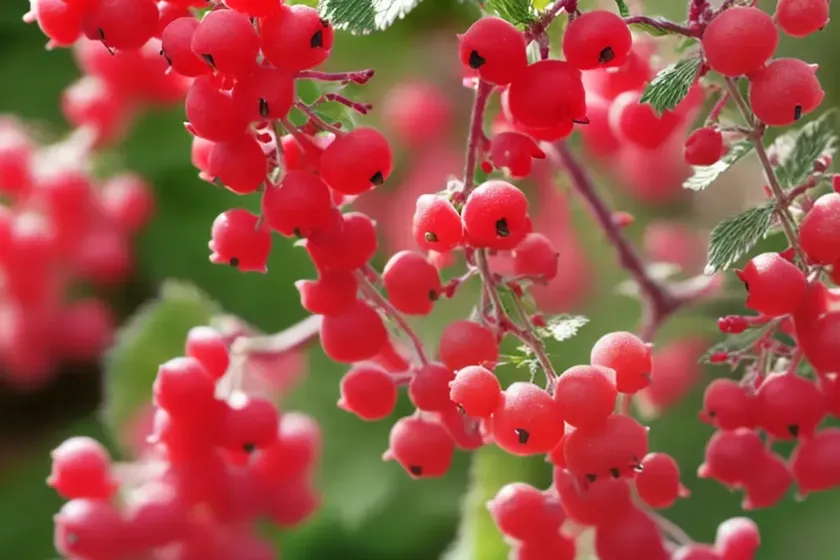
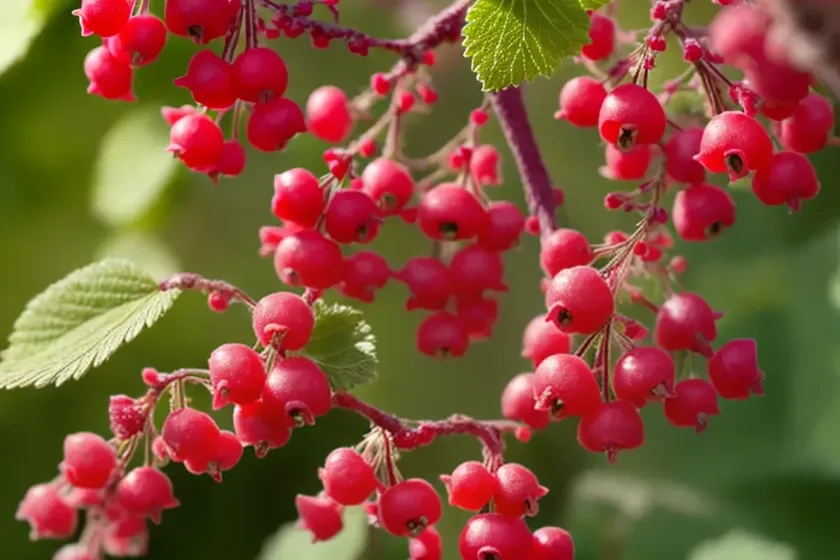
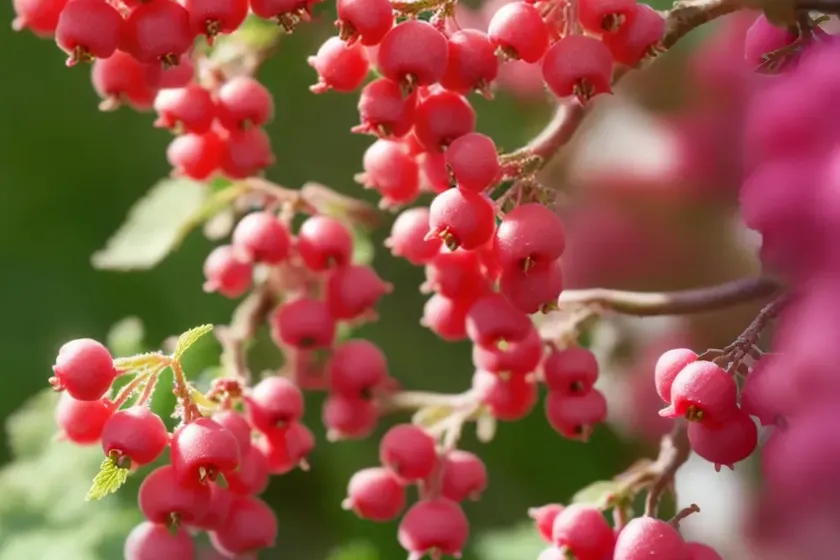
Plants have an essential place in every ecosystem and are a fundamental source of life for humans and animals alike. Their diverse characteristics, behaviors, and uses continue to fascinate botanists, gardeners, and nature enthusiasts. In this comprehensive guide, we will explore the captivating world of Ribes sanguineum, commonly known as Red Flowering Currant.
What is Ribes sanguineum?
Ribes sanguineum, or Red Flowering Currant, is a deciduous shrub that belongs to the Grossulariaceae family. It is native to western coastal North America, particularly the Pacific Northwest region. This beautiful plant is characterized by its vibrant and showy clusters of pink to deep red flowers, which bloom in early spring. The foliage of Ribes sanguineum is equally attractive, with delicate, lobed leaves that enhance its ornamental appeal.
Key Takeaways – Ribes sanguineum (Red Flowering Currant)
Before delving into the detailed aspects of Ribes sanguineum, let’s summarize the key takeaways about this captivating plant.
- Scientific Name: Ribes sanguineum
- Common Name: Red Flowering Currant
- Family: Grossulariaceae
- Native Habitat: Western coastal North America
- Blooming Season: Early spring
- Flower Color: Pink to deep red
- Foliage: Deciduous, lobed leaves
- Uses: Ornamental, wildlife-friendly, and medicinal
- Characteristics: Vibrant flowers, attractive foliage, and hardy nature
Now, let’s explore the various aspects of Ribes sanguineum in detail.
Culture
The cultural requirements of Ribes sanguineum play a crucial role in its successful cultivation and overall health. Understanding its needs in terms of water, sunlight, soil, and maintenance is essential for creating an environment where it can thrive.
Water
Water Requirements: Moderate
Ribes sanguineum generally prefers moderate watering, especially during the growing season. While it can tolerate some drought once established, regular irrigation during dry spells is beneficial for optimal flowering and overall vigor. However, it is essential to ensure well-draining soil to prevent waterlogged conditions, which can be detrimental to the plant’s health.
Sunlight
Sunlight Preferences: Full sun to partial shade
In terms of sunlight, Red Flowering Currant shows versatility and can adapt to various light conditions. While it prefers full sun for optimum blooming, it can also thrive in partial shade. However, it is important to provide adequate sunlight for healthy growth and prolific flowering.
Fertilizer
Fertilization Needs: Minimal to moderate
Ribes sanguineum is not demanding in terms of fertilization. A light application of a balanced, slow-release fertilizer in spring can support its growth and flowering. Organic compost or well-decomposed manure can also be used to enrich the soil and provide essential nutrients.
Soil
Soil Conditions: Well-draining, slightly acidic
This plant thrives in well-draining soil with a slightly acidic pH. Amending heavy or compacted soil with organic matter such as compost, peat moss, or leaf mold can improve its structure and ensure an ideal growing environment. Additionally, ensuring good aeration and moisture retention in the soil is beneficial for the plant’s root development.
Pruning
Pruning is an important aspect of maintaining the health, shape, and flowering potential of Ribes sanguineum. Proper pruning techniques can also help in rejuvenating older plants and preventing overcrowding.
Pruning Techniques
Timing: After flowering
Ribes sanguineum is best pruned immediately after flowering to avoid cutting off the next season’s flower buds. During the pruning process, it is advisable to remove dead or diseased wood, thin out crowded branches, and shape the plant as desired. Additionally, regular removal of old and weak growth can stimulate the production of vigorous, new shoots.
Propagation
The propagation of Ribes sanguineum can be achieved through several methods, including seeds, cuttings, and layering. Each approach has its own set of advantages and considerations, allowing gardeners to choose the most suitable method based on their preferences and resources.
Propagation Methods
1. Seeds: Propagating Red Flowering Currant from seeds is a viable option, although it may take longer to produce flowering plants compared to other methods. Sowing fresh, cleaned seeds in a well-prepared seedbed or containers during the fall can yield new plants in due course.
2. Cuttings: Softwood or hardwood cuttings can be used to propagate Ribes sanguineum. Softwood cuttings are typically taken in early summer and treated with a rooting hormone before being placed in a suitable medium for root development. Hardwood cuttings, on the other hand, are collected during the dormant season and require a longer establishment period.
3. Layering: Air layering or simple layering are effective methods for propagating Red Flowering Currant. Both techniques involve encouraging the development of roots on a stem while it is still attached to the parent plant. Once the roots have developed sufficiently, the new plant can be separated and transplanted.
Container Popularity
The versatility and ornamental appeal of Ribes sanguineum make it a popular choice for container gardening. This allows individuals with limited space, such as urban dwellers or those with small yards, to enjoy the beauty of this plant on patios, balconies, or other outdoor areas.
Container Considerations
1. Size: Choose a sufficiently large container that provides ample room for the plant’s root system to grow. This will support the overall health and vigor of the Red Flowering Currant.
2. Soil: Use a well-draining, high-quality potting mix to ensure proper moisture retention and aeration for the plant’s roots. Adding a layer of mulch on top can help in moisture regulation.
3. Sunlight: Place the container in a location that receives adequate sunlight, as per the plant’s requirements. Regularly rotate the container to promote uniform growth and flowering.
4. Watering: Maintain regular watering to ensure the soil remains evenly moist, avoiding both waterlogging and drought conditions.
Common Diseases
Like any other plant, Ribes sanguineum is susceptible to certain diseases and pests that can affect its health and vitality. Recognizing and effectively managing these issues is crucial for maintaining the plant’s appearance and overall well-being.
Disease Prevention
1. Powdery Mildew: This fungal disease can be prevented by ensuring proper air circulation around the plant and avoiding overhead watering. If detected, appropriate fungicidal sprays can be used for control.
2. Leaf Spot Diseases: Keeping the foliage dry, removing affected leaves, and applying fungicidal treatments as needed can help in preventing and managing various leaf spot diseases.
3. Botrytis Blight: Adequate spacing between plants, removal of dead or decaying plant material, and maintaining optimal air circulation can contribute to preventing this fungal disease.
Common Pests
In addition to diseases, certain pests can pose a threat to Ribes sanguineum. Vigilance and timely intervention are essential for mitigating pest infestations and minimizing their impact on the plant.
Pest Control
1. Aphids: Regular monitoring and the use of insecticidal soaps or horticultural oils can effectively control aphid populations without causing harm to beneficial insects.
2. Currant Clearwing Moth: Inspection of the plant for larval activity and appropriate insecticidal applications can help in managing this pest and preventing damage to the Red Flowering Currant.
3. Sawflies: Handpicking and disposing of sawfly larvae, especially during early infestations, can prevent extensive damage to the foliage.
Botanist’s Tips
To ensure the successful cultivation and enjoyment of Ribes sanguineum, consider the following botanist’s tips and recommendations.
-
Pollination: Red Flowering Currant is a valuable nectar source for pollinators, especially hummingbirds and butterflies. Planting it near other flowering species can enhance the overall ecological benefits and attractiveness to wildlife.
-
Wildlife Garden: Incorporating Ribes sanguineum into wildlife-friendly garden designs can contribute to creating a diverse and thriving habitat for various beneficial insects and birds.
-
Companion Plants: When planning the landscape, consider pairing Red Flowering Currant with companion plants that complement its growth requirements and aesthetic qualities. This can include other spring-blooming species and suitable shrubs for a harmonious blend.
-
Medicinal Properties: Historically, certain Native American tribes utilized parts of Ribes sanguineum for medicinal purposes. Exploring these traditional uses can provide valuable insights into the plant’s potential health benefits.
Fun Facts
As we continue to delve into the world of Ribes sanguineum, here are some intriguing and lesser-known facts about this captivating plant.
- The flowers of Ribes sanguineum are not only visually appealing but also emit a mild, pleasant fragrance, adding to their allure.
- Hummingbirds are particularly drawn to the nectar-rich blooms of Red Flowering Currant, making it a delightful addition to gardens aimed at attracting these fascinating birds.
- The berries of Ribes sanguineum are edible but are typically considered unpalatable when consumed raw. However, they can be used in jams, jellies, and culinary recipes after proper preparation.
Links to External Resources
For further exploration and in-depth information about Ribes sanguineum, the following external resources can provide valuable insights and guidance:
- The Royal Horticultural Society (RHS)
- University of California Agriculture and Natural Resources
- The American Phytopathological Society (APS)
- The Wildlife Trusts
In conclusion, Ribes sanguineum, or Red Flowering Currant, is a remarkable and versatile plant that offers an array of ornamental, ecological, and historical attributes. Whether admired for its vibrant flowers, valued for its wildlife-friendly nature, or explored for its traditional uses, this captivating species continues to capture the admiration of plant enthusiasts and conservationists alike. By incorporating it into diverse garden settings and appreciating its unique characteristics, we can celebrate the rich tapestry of nature and the vital role of plants in our lives.
Keywords: Ribes sanguineum characteristics, Red Flowering Currant plant profile, Growing Ribes sanguineum, Red Flowering Currant care tips, Ribes sanguineum varieties, Red Flowering Currant planting guide, Ribes sanguineum propagation methods, Red Flowering Currant pruning techniques, Ribes sanguineum maintenance requirements, Red Flowering Currant disease prevention, Ribes sanguineum pests and control, Red Flowering Currant landscape uses, Ribes sanguineum companion plants, Red Flowering Currant blooming season, Ribes sanguineum medicinal properties, Red Flowering Currant wildlife attraction, Ribes sanguineum native habitat, Red Flowering Currant water requirements, Ribes sanguineum sunlight preferences, Red Flowering Currant soil conditions, Ribes sanguineum garden design ideas, Red Flowering Currant color variations, Ribes sanguineum container gardening, Red Flowering Currant landscape maintenance, Ribes sanguineum winter care, Red Flowering Currant pruning schedule, Ribes sanguineum natural insect repellent, Red Flowering Currant pollinator plant, Ribes sanguineum unique features, Red Flowering Currant drought tolerance, Ribes sanguineum shade tolerance, Red Flowering Currant wildlife garden, Ribes sanguineum climate suitability, Red Flowering Currant garden border ideas, Ribes sanguineum native plant benefits, Red Flowering Currant seasonal interest, Ribes sanguineum fragrant blooms, Red Flowering Currant hedge plant, Ribes sanguineum landscaping ideas, Red Flowering Currant water-saving plant, Ribes sanguineum attracting butterflies, Red Flowering Currant deer-resistant plant, Ribes sanguineum coastal garden plants, Red Flowering Currant low-maintenance plant, Ribes sanguineum bird-friendly plant, Red Flowering Currant natural dye source, Ribes sanguineum spring bloomer, Red Flowering Currant wildlife shelter plant, Ribes sanguineum companion shrubs, Red Flowering Currant wildlife conservation


