Primula ‘Zebra Blue’ (Polyanthus Primrose): A Complete Guide to Cultivation and Care
What is a Primula ‘Zebra Blue’ (Polyanthus Primrose)?
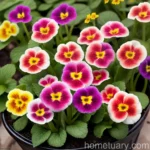
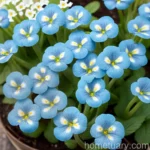
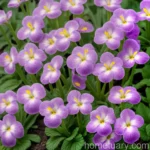
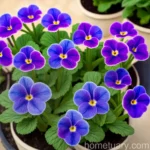
Primula ‘Zebra Blue’, commonly known as Polyanthus Primrose, is a beautiful and vibrant flowering plant that belongs to the Primulaceae family. This delightful plant is admired for its stunning, zebra-like patterned petals and vibrant colors, bringing a burst of life and color to any garden or indoor space. Primula ‘Zebra Blue’ is a versatile plant that can thrive in various growing environments, making it a popular choice among gardening enthusiasts.
Key Takeaways – Primula ‘Zebra Blue’ (Polyanthus Primrose)
Before delving into the specific care and cultivation guidelines for Primula ‘Zebra Blue’, let’s explore some key takeaways about this stunning plant:
Culture
- Scientific Name: Primula ‘Zebra Blue’ (Polyanthus Primrose)
- Family: Primulaceae
- Common Names: Zebra Blue Primula, Polyanthus Primrose
- Type: Perennial
- Origin: Cultivated hybrid
- Characteristics: Zebra-like patterned petals, vibrant colors, compact growth habit, early spring bloomer
Uses
- Garden Borders: Adds vibrancy and color to garden beds and borders
- Container Gardening: Well-suited for containers and pots
- Indoor Plants: Flourishes as a beautiful indoor potted plant
- Cut Flowers: Lovely as cut flowers in floral arrangements
Water
- Watering Requirements: Regular and consistent moisture, avoid waterlogging
- Watering Schedule: Keep the soil evenly moist, especially during active growth and flowering
Sunlight
- Sunlight Needs: Prefers partial shade to full shade, especially in regions with hot summers
- Indoor Lighting: Thrives in bright, indirect light when grown indoors
Fertilizer
- Fertilization: Benefits from regular feeding during the growing season
- Fertilizer Type: Balanced, water-soluble fertilizer suitable for blooming plants
Soil
- Soil Preferences: Well-draining, rich, and loamy soil
- Acidity: Slightly acidic to neutral pH level (pH 6.0-7.0)
- Soil Amendment: Incorporate organic matter for improved soil structure
Pruning
- Pruning Techniques: Deadheading spent flowers, removal of yellowing or damaged foliage
- Pruning Schedule: Throughout the growing season as needed
Propagation
- Propagation Methods: Division of clumps, seed propagation
- Division Time: Division is best done in early spring or after flowering
- Seed Starting: Sow seeds indoors in late winter for spring planting
Container Popularity
- Well-Suited Containers: Suitable for a wide range of container sizes and types
- Container Gardening: Thrives in containers on patios, balconies, and outdoor spaces
Common Diseases
- Disease Resistance: Generally resistant to most common diseases
- Common Issues: Potential susceptibility to powdery mildew and botrytis
Disease Diagnosis
- Symptoms: White powdery spots on leaves, gray mold on flowers, yellowing foliage
- Control Measures: Prune affected areas, improve air circulation, apply appropriate fungicides
Common Pests
- Pest Resistance: Tolerant to many garden pests
- Pest Control: Monitor for aphids, slugs, and snails
Botanist’s Tips
- Seasonal Care: Provide adequate protection during winter in colder climates
- Mulching: Mulch around the plants to conserve soil moisture and insulate roots
- Companion Plants: Pair with spring-blooming bulbs, ferns, and shade-loving perennials
- Zonal Requirements: Adapt to the specific climatic conditions of the planting zone
Fun Facts
- Primula ‘Zebra Blue’ is a cultivar that stands out for its unique and eye-catching appearance.
- The zebra-like patterns on the petals create an intriguing visual display in garden settings.
- This plant is a charming addition to shaded areas and woodland gardens, bringing life to underutilized spaces.
With these key takeaways in mind, let’s delve into the comprehensive care and cultivation guidelines for nurturing Primula ‘Zebra Blue’ (Polyanthus Primrose) to ensure its optimal growth and beauty.
Primula ‘Zebra Blue’ (Polyanthus Primrose) Care: A Detailed Guide
In this section, we will explore the essential care requirements for cultivating and maintaining Primula ‘Zebra Blue’ (Polyanthus Primrose) to ensure its health, vigor, and stunning floral displays.
1. Cultivation
When planting or cultivating Primula ‘Zebra Blue’, it is essential to create an environment that mimics its natural habitat, providing the ideal growing conditions for the plant to thrive. Here are some fundamental factors to consider:
Temperature Tolerance
Primula ‘Zebra Blue’ exhibits good cold tolerance, making it suitable for cultivation in cooler climates. It prefers moderate temperatures and benefits from protection during intense heat or drought conditions.
Soil Preferences
The soil should be well-draining and rich in organic matter to support the plant’s growth and blooming. A loamy and slightly acidic to neutral soil with a pH range of 6.0-7.0 is most suitable for Polyanthus Primrose.
Planting Depth
When planting Primula ‘Zebra Blue’, ensure that the crown of the plant is at the soil level, with the roots spread out and covered with soil. Proper planting depth is crucial for the establishment and health of the plant.
Natural Habitat
Primula ‘Zebra Blue’ is native to regions with cool, moist climates, such as woodlands and shaded areas. It thrives in environments with filtered sunlight and consistently moist soil, mimicking its natural habitat for optimal growth.
2. Watering Requirements
Proper watering is crucial for the health and vitality of Primula ‘Zebra Blue’. As a plant that prefers consistently moist soil, it is essential to establish a suitable watering routine to meet its moisture needs.
Watering Schedule
During the active growth and flowering periods, maintain a regular watering schedule to ensure that the soil remains evenly moist. However, it is essential to avoid overwatering, as waterlogging can lead to root rot and other issues.
Moisture Management
In regions with hot summers or extended dry periods, pay close attention to the moisture levels and provide supplemental watering as needed to prevent the soil from drying out excessively.
Drainage Considerations
Ensure that the planting area or container has proper drainage to prevent water from accumulating around the roots. Well-draining soil and containers with drainage holes are essential for managing moisture effectively.
3. Sunlight Needs
Primula ‘Zebra Blue’ flourishes in environments with partial to full shade, especially in settings with hot summers. Adequate sunlight is essential for the plant’s growth and blooming, and proper light exposure can significantly impact its overall health.
Natural Light Conditions
In outdoor settings, position Primula ‘Zebra Blue’ in areas with partial shade, where it receives filtered sunlight or dappled shade throughout the day. These conditions mimic its natural woodland habitat and support robust growth.
Indoor Lighting
When growing Primula ‘Zebra Blue’ indoors, provide bright, indirect light to ensure that the plant receives sufficient illumination for healthy growth. Placing the plant near a window with gentle, indirect sunlight is ideal for indoor cultivation.
4. Fertilizer
To support the vigorous growth and abundant blooming of Primula ‘Zebra Blue’, it is beneficial to provide periodic fertilization during the growing season. Selecting the appropriate fertilizer and feeding schedule is essential for promoting the plant’s health.
Fertilizer Selection
Choose a balanced, water-soluble fertilizer formulated for blooming plants to provide the necessary nutrients for Primula ‘Zebra Blue’. A fertilizer with a balanced NPK ratio, along with essential micronutrients, can support robust growth and vibrant blooms.
Feeding Frequency
Apply fertilizer to the plant every 2-4 weeks during the active growing season, following the manufacturer’s recommended dilution rates and application instructions. Avoid over-fertilization, as excessive nutrients can have adverse effects on the plant.
Soil Amendment
Incorporate organic matter, such as well-rotted compost or aged manure, into the soil during the planting or repotting process to enhance soil fertility and provide a continual source of nutrients for the plant.
5. Pruning Techniques
Pruning Primula ‘Zebra Blue’ is essential for maintaining its overall health, removing spent blooms, and managing the plant’s growth and appearance. Proper pruning techniques can enhance the plant’s vigor and encourage continuous flowering.
Deadheading
Regularly remove faded or spent flowers from Primula ‘Zebra Blue’ to promote additional blooming and prevent the plant from expending energy on seed production. Deadheading encourages the plant to redirect its resources toward new growth and flowering.
Foliage Maintenance
Monitor the plant for any yellowing or damaged foliage and promptly remove any affected leaves to maintain the plant’s aesthetic appeal and overall health. Pruning away diseased or damaged foliage can prevent the spread of diseases and pests.
6. Propagation Methods
Propagating Primula ‘Zebra Blue’ allows for the expansion of its presence in the garden or the creation of new plants for sharing with other gardening enthusiasts. Understanding the propagation techniques and timing is essential for successful reproduction.
Division of Clumps
In early spring or after the plant has finished flowering, gently divide the clumps of Primula ‘Zebra Blue’ to create new plantings. Ensure that each division contains healthy roots and foliage to support its establishment.
Seed Propagation
Collect seeds from mature Primula ‘Zebra Blue’ plants and sow them indoors in late winter to early spring. Provide the seeds with warm and consistent moisture for successful germination, and transplant the seedlings into individual containers once they have developed.
7. Container Care
Growing Primula ‘Zebra Blue’ in containers offers flexibility and versatility for showcasing the plant in various settings, including patios, balconies, and indoor spaces. Proper container care is essential for the plant to thrive in these environments.
Container Selection
Choose containers with adequate drainage holes and a suitable size to accommodate the root system of Primula ‘Zebra Blue’. Selecting containers made of durable materials and an attractive design can enhance the plant’s visual appeal.
Soil Considerations
Use a well-draining potting mix with added organic matter to provide the optimal growing medium for Primula ‘Zebra Blue’ in containers. Ensure that the soil medium offers sufficient aeration and moisture retention for the plant’s health.
Watering Guidelines
Monitor the moisture levels in the container-grown Primula ‘Zebra Blue’ and adjust the watering frequency as needed to maintain even moisture in the soil. Container plants may dry out more quickly than those in the ground, requiring diligent attention to watering.
Common Diseases and Pest Control
Despite its resilience, Primula ‘Zebra Blue’ can encounter specific diseases and pest issues that require attention and management to protect the plant’s health and vitality. Understanding the common problems and their control measures is essential for effective disease and pest management.
Common Diseases of Polyanthus Primrose
Primula ‘Zebra Blue’ exhibits good disease resistance but may face specific issues under unfavorable growing conditions. Two common diseases that can affect the plant are powdery mildew and botrytis.
Powdery Mildew
Symptoms of powdery mildew include the development of white, powdery spots on the foliage, often affecting the leaves and stems of Primula ‘Zebra Blue’. This fungal disease can impact the plant’s overall health and appearance if left unaddressed.
Botrytis
Botrytis, also known as gray mold, can infect the flowers and foliage of Primula ‘Zebra Blue’, leading to grayish mold development and potential decay. Preventative measures and early intervention are crucial for managing the effects of botrytis.
Disease Diagnosis and Control Measures
When identifying and addressing diseases affecting Primula ‘Zebra Blue’, it is important to recognize the symptoms and implement suitable control measures to mitigate their impact on the plant’s health and aesthetics.
Symptom Recognition
Regularly inspect the plant for signs of powdery mildew, such as the appearance of white, powdery patches on the leaves, and the presence of botrytis, characterized by gray mold and decay on the flowers and foliage.
Control Strategies
Prune affected areas of the plant, removing diseased foliage and flowers to prevent the spread of diseases. Improve air circulation around the plant, and consider applying appropriate fungicidal treatments to manage powdery mildew and botrytis.
Common Pests and Pest Control
While Primula ‘Zebra Blue’ exhibits good resistance to many garden pests, specific insects and snails can pose challenges to the plant’s health. Monitoring for pests and implementing pest control measures can safeguard the plant from potential damage.
Aphids
Aphids are common garden pests that may target Primula ‘Zebra Blue’, feeding on the sap of the plant and causing distorted growth or damage to the foliage. Monitoring for aphid activity and applying suitable pest control methods can effectively manage infestations.
Slugs and Snails
These mollusks can feed on the foliage of Primula ‘Zebra Blue’, causing unsightly damage and impacting the plant’s overall health. Implementing physical barriers, such as copper tape or diatomaceous earth, can help protect the plant from slug and snail activity.
Botanist’s Tips and Fun Facts
In addition to the essential care guidelines and disease management strategies, there are several botanist’s tips and fun facts about Primula ‘Zebra Blue’ that can further enhance the experience of cultivating and enjoying this remarkable plant.
Botanist’s Tips
Seasonal Care
Provide protection for Primula ‘Zebra Blue’ during winter in colder climates, employing mulching and insulation methods to shield the plant from extreme temperatures and frost.
Mulching Techniques
Apply a layer of organic mulch, such as shredded bark or compost, around the base of the plant to conserve soil moisture, suppress weeds, and insulate the root zone from temperature fluctuations.
Companion Planting
Pair Primula ‘Zebra Blue’ with spring-blooming bulbs, such as daffodils and tulips, to create visually appealing combinations in garden borders and containers.
Zonal Adaptation
Understand the specific hardiness zones and climate preferences of Primula ‘Zebra Blue’ to ensure its suitability for cultivation in a particular region.
Fun Facts
Unique Appearance
The zebra-like patterns on the petals of Primula ‘Zebra Blue’ create an intriguing and captivating visual display, making it a notable addition to garden settings.
Woodland Charm
Primula ‘Zebra Blue’ thrives in shaded areas and woodland gardens, bringing an element of charm and vibrancy to underutilized spaces in the landscape.
Indoor Elegance
When grown as an indoor plant, Primula ‘Zebra Blue’ adds a touch of elegance and color to interior spaces, brightening up homes and offices with its delightful blooms.
Links to External Resources
To expand your knowledge and explore additional information about Primula ‘Zebra Blue’ (Polyanthus Primrose), consider referring to the following external resources for in-depth insights and guidance:
- The Royal Horticultural Society (RHS): Primula
- University of Maryland Extension: Primula Diseases
- Missouri Botanical Garden: Primula Culture
- American Primrose Society: Polyanthus Primrose
By exploring these valuable resources, you can gain a deeper understanding of Primula ‘Zebra Blue’ and its cultural requirements, disease management, and overall care, empowering you to cultivate and enjoy this exceptional plant with confidence.
In conclusion, cultivating Primula ‘Zebra Blue’ (Polyanthus Primrose) offers a delightful and rewarding gardening experience, showcasing the plant’s unique beauty and charm. By following the comprehensive care and cultivation guidelines presented in this guide, you can nurture and enjoy the vibrant blooms and elegant foliage of Primula ‘Zebra Blue’ in your garden, containers, or indoor spaces.
Remember to tailor the care practices to the specific growing conditions and regional considerations of your location, ensuring that Primula ‘Zebra Blue’ thrives and flourishes in your unique gardening environment. With proper attention and care, this captivating plant will continue to enchant and delight with its zebra-like petals and vibrant personality, adding a touch of natural beauty to your surroundings.