Ranunculus californicus (California Buttercup)
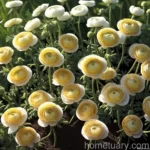
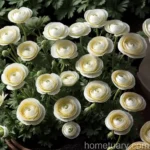
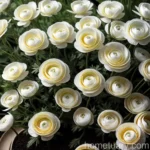
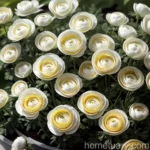
Ranunculus californicus, commonly known as California Buttercup, is a charming perennial plant that belongs to the Ranunculaceae family. This native Californian plant is renowned for its vibrant yellow flowers, which signify the arrival of spring in the region. In this blog post, you will explore the various facets of this delightful plant, including its culture, uses, habitat, and much more.
What is Ranunculus californicus?
Ranunculus californicus is a species of buttercup that is native to California. It can be found in various habitats such as grasslands, open meadows, and coastal scrub. The plant typically blooms from March to June, brightening up the landscapes with its cheery yellow flowers. These flowers are an important source of nectar for pollinators, further enhancing their ecological significance.
Key Takeaways – Ranunculus californicus (California Buttercup)
Let’s delve deeper into the details of Ranunculus californicus, exploring its culture, uses, habitat, and more.
Culture
Understanding the cultural requirements of Ranunculus californicus is crucial for successfully growing and maintaining this delightful plant.
Water
Ranunculus californicus thrives in well-drained soils and prefers moderate watering. It is essential to ensure that the soil is not waterlogged, as this can lead to root rot and other related issues. During the growing season, maintaining consistently moist soil is beneficial for the plant’s health and vigor.
Sunlight
In terms of sunlight, California Buttercup flourishes in partial shade to full sun. It adapts well to dappled sunlight, making it suitable for various garden settings. Ensuring that the plant receives adequate sunlight is essential for robust growth and abundant flowering.
Fertilizer
Applying a balanced, all-purpose fertilizer in spring can enhance the growth and blooming potential of Ranunculus californicus. However, it is important to follow the recommended application rates to prevent over-fertilization, which can be detrimental to the plant’s well-being.
Soil
Ranunculus californicus thrives in well-drained soils with a slightly acidic to neutral pH. Amending the soil with organic matter, such as compost, can improve its texture and fertility, creating an optimal growing environment for the plant.
Pruning
Pruning Ranunculus californicus primarily involves deadheading spent flowers to promote continuous blooming. Additionally, removing any damaged or diseased foliage helps maintain the plant’s overall health and aesthetic appeal.
Propagation
Ranunculus californicus can be propagated through seeds or division. Seeds can be collected from the plant after the flowering season, while division of established clumps can be performed in early spring. Both methods offer viable means of propagating this delightful species, allowing for its proliferation in various garden settings.
Container Popularity
Due to its compact growth habit and striking flowers, Ranunculus californicus is well-suited for container gardening. Its vibrant blooms can add a pop of color to patio containers, balconies, and other confined garden spaces, enhancing the visual appeal of the surroundings.
Common Diseases
Ranunculus californicus is generally resistant to major diseases, owing to its adaptability and resilience. However, like any plant, it may be susceptible to certain issues such as crown rot and powdery mildew under unfavorable conditions. Monitoring the plant for any signs of distress and promptly addressing any issues can help maintain its health and vitality.
Disease Diagnosis
When diagnosing potential diseases affecting Ranunculus californicus, it is important to closely inspect the plant for symptoms such as wilting, discolored foliage, or powdery residue on the leaves. By accurately identifying the issue, appropriate measures such as adjusting watering practices or applying fungicidal treatments can be taken to mitigate the problem.
Common Pests
While generally resilient, Ranunculus californicus may encounter occasional encounters with pests such as aphids, thrips, and snails. These pests can cause damage to the foliage and flowers, compromising the plant’s overall appearance. Regular monitoring and the use of eco-friendly pest control measures can help protect the plant from these potential threats.
Botanist’s Tips
- When planting Ranunculus californicus, ensure that the soil is well-drained to prevent waterlogging, which can be detrimental to the plant’s health.
- Regular deadheading of spent flowers can encourage continuous blooming and maintain the plant’s tidy appearance.
- Consider incorporating Ranunculus californicus in your garden designs to add a touch of vibrant color and attract pollinators.
Fun Facts
- The flowers of Ranunculus californicus are a valuable source of nectar for pollinators, contributing to the overall ecological well-being of the native habitats where it grows.
- Ranunculus californicus symbolizes cheerfulness and positivity, making it a delightful addition to garden spaces and landscapes.
Links to External Resources
To further explore Ranunculus californicus and its various aspects, refer to the following resources:
- California Native Plant Society – Ranunculus californicus
- UC Master Gardeners – Ranunculus californicus Profile
- Gardenia – Ranunculus californicus
By leveraging these resources, you can gain valuable insights and information about the cultivation, care, and ecological significance of Ranunculus californicus.
Conclusion
Ranunculus californicus, or California Buttercup, is a charming and ecologically valuable plant with much to offer in garden landscapes and native habitats. By understanding its cultural needs, uses, and ecological importance, you can appreciate the unique characteristics of this delightful species. Whether incorporated into garden designs or admired in its natural habitats, Ranunculus californicus continues to captivate with its cheerful blooms and ecological significance.