A Comprehensive Guide to Ranunculus Asiaticus ‘Tomer Yellow’ (Persian Buttercup)
Ranunculus Asiaticus, commonly known as the Persian Buttercup, is a stunning and vibrant flowering plant that adds a touch of elegance to any garden or landscape. With its intricate layers of delicate petals and vivid colors, the ‘Tomer Yellow’ variety of Ranunculus Asiaticus is a particularly captivating addition to any botanical collection.
In this in-depth guide, we will delve into the various aspects of this beautiful plant, including its cultural requirements, uses, propagation, common diseases, and much more. Whether you are a seasoned horticulturalist or a novice gardener, this article aims to provide you with valuable insights into the care and cultivation of the Ranunculus Asiaticus ‘Tomer Yellow’ (Persian Buttercup).
The Botanical Wonder: Ranunculus Asiaticus ‘Tomer Yellow’
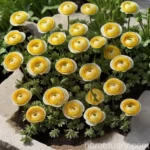
Ranunculus Asiaticus ‘Tomer Yellow’ is a member of the Ranunculaceae family, which includes more than 600 species of flowering plants. This particular variety is renowned for its vibrant, bowl-shaped flowers and deeply cut, lobed foliage. The ‘Tomer Yellow’ cultivar is celebrated for its bright yellow petals, which radiate warmth and cheerfulness in any garden setting.
Key Takeaways – Ranunculus Asiaticus ‘Tomer Yellow’ (Persian Buttercup)
Before we delve into the specific care and cultivation techniques for the Ranunculus Asiaticus ‘Tomer Yellow,’ let’s explore some key takeaways about this delightful plant:
- Botanical Name: Ranunculus Asiaticus ‘Tomer Yellow’
- Common Name: Persian Buttercup ‘Tomer Yellow’
- Color: Vivid Yellow
- Cultural Requirements: Well-draining soil, ample sunlight, regular watering
- Uses: Ornamental garden plant, cut flower arrangements
- Propagation: Seeds, tubers
- Diseases: Botrytis, powdery mildew
- Pests: Aphids, spider mites
With these fundamental insights in mind, let’s proceed to explore the detailed care techniques and fascinating characteristics of the Ranunculus Asiaticus ‘Tomer Yellow.’
Culture
The vibrant and captivating appearance of the Ranunculus Asiaticus ‘Tomer Yellow’ makes it a popular choice for gardeners and florists alike. Understanding the cultural requirements of this plant is crucial for ensuring its optimal growth and blooming potential.
Uses
Garden Ornamentation
Ranunculus Asiaticus ‘Tomer Yellow’ serves as a stunning ornamental plant, enhancing the visual appeal of gardens, landscapes, and floral arrangements. Whether cultivated in flower beds, borders, or containers, the ‘Tomer Yellow’ variety adds a cheerful and vibrant touch to any setting.
Cut Flower Production
The vibrant and long-lasting blooms of the Persian Buttercup ‘Tomer Yellow’ make it an ideal candidate for cut flower production. When harvested at the right stage, the flowers can be utilized in stunning floral arrangements, bouquets, and other decorative displays.
Water
Proper watering is essential for the healthy growth and blooming of Ranunculus Asiaticus ‘Tomer Yellow.’ While this plant requires consistent moisture, it is crucial to avoid overwatering, which can lead to root rot and other detrimental conditions.
- Watering Guidelines:
- Water the plant deeply, ensuring that the soil is moist but not waterlogged.
- Allow the soil to dry slightly between waterings to prevent waterlogged conditions.
- Water early in the morning to allow foliage to dry before evening, reducing the risk of fungal diseases.
Sunlight
Adequate sunlight is essential for the prolific blooming and overall vigor of Ranunculus Asiaticus ‘Tomer Yellow.’ Providing the plant with the right amount of sunlight is key to ensuring vibrant blooms and robust growth.
- Sunlight Requirements:
- Plant in a location that receives full sun to partial shade, with at least 6 hours of direct sunlight per day.
- In regions with hot summers, partial shade during the hottest part of the day may be beneficial.
- Ensure that the plant receives ample, indirect sunlight for balanced growth and prolific blooming.
Fertilizer
Strategic fertilization can greatly enhance the growth and blooming potential of Ranunculus Asiaticus ‘Tomer Yellow.’ By providing the plant with essential nutrients, you can promote lush foliage and vibrant, long-lasting flowers.
- Fertilization Tips:
- Use a balanced, water-soluble fertilizer with a formulation such as 10-10-10 or 20-20-20.
- Begin fertilizing in early spring when new growth emerges, and continue every 4-6 weeks throughout the growing season.
- Avoid over-fertilization, which can lead to excessive foliage growth at the expense of flower production.
Soil
The quality and composition of the soil play a critical role in the health and vitality of Ranunculus Asiaticus ‘Tomer Yellow.’ Understanding the soil requirements of this plant is essential for creating an optimal growing environment.
- Soil Requirements:
- Plant in well-draining, loamy soil with a slightly acidic to neutral pH level (pH 6.0-7.0).
- Incorporate organic matter such as well-rotted compost or peat moss to improve soil structure and fertility.
- Ensure good drainage to prevent waterlogging, which can lead to root rot and other issues.
Pruning
Pruning is an essential aspect of Ranunculus Asiaticus ‘Tomer Yellow’ care, contributing to plant health, vigor, and flowering performance. Proper pruning techniques can help maintain a tidy appearance and encourage continuous blooming.
- Pruning Guidelines:
- Deadhead spent flowers regularly to promote new blooms and prevent seed formation.
- Remove any yellowing or withered foliage to maintain the plant’s aesthetic appeal and prevent the spread of diseases.
- Prune back the stems to ground level after the blooming season to encourage renewed growth and flowering in the following season.
Propagation
The propagation of Ranunculus Asiaticus ‘Tomer Yellow’ can be achieved through various methods, including seeds and tubers. Understanding the propagation techniques enables gardeners to expand their plant population and enjoy an abundance of vibrant blooms.
- Propagation Methods:
- Seeds: Sow seeds indoors in early spring, and transplant seedlings outdoors after the last frost date. Seeds typically require a period of stratification for successful germination.
- Tubers: Divide mature tubers in the fall, and plant them in well-prepared soil for growth in the following season. This method allows for the rapid establishment of new plants.
Container Popularity
The compact growth habit and vibrant blooms of Ranunculus Asiaticus ‘Tomer Yellow’ make it a popular choice for container gardening. The plant’s versatility and visual appeal make it an excellent candidate for various container arrangements, including mixed planters and window boxes.
Container Planting Tips
- Container Selection: Choose a well-draining container with sufficient depth to accommodate the plant’s root system and promote healthy growth.
- Potting Mix: Use a high-quality, well-draining potting mix with added perlite or peat moss to ensure adequate aeration and moisture retention.
- Watering: Monitor soil moisture closely and water as needed to prevent the soil from drying out completely. Proper drainage is essential to prevent waterlogged conditions.
Common Diseases
Like many plants, Ranunculus Asiaticus ‘Tomer Yellow’ is susceptible to certain diseases that can affect its health and blooming potential. Recognizing these common diseases and understanding their management is crucial for maintaining plant vitality.
Disease Diagnosis
Botrytis (Gray Mold)
- Symptoms: Grayish mold on flowers and foliage, wilting, and decay.
- Management: Improve air circulation, avoid overhead watering, remove affected plant parts, and apply fungicidal sprays as needed.
Powdery Mildew
- Symptoms: White powdery patches on leaves and stems, distortion of new growth.
- Management: Ensure proper spacing for good air circulation, remove affected plant parts, and apply fungicidal sprays preventively.
Common Pests
In addition to diseases, certain pests can pose a threat to the health and vigor of Ranunculus Asiaticus ‘Tomer Yellow.’ Identifying and addressing these common pests is essential for protecting the plant and promoting its longevity.
- Common Pests:
- Aphids: Small, soft-bodied insects that cluster on new growth and flower buds, causing distortion and stunted growth.
- Spider Mites: Tiny arachnids that feed on plant sap, leading to stippled and discolored foliage.
Botanist’s Tips
As a plant scientist, I recommend the following tips for the successful cultivation and care of Ranunculus Asiaticus ‘Tomer Yellow’:
- Plant in a well-draining soil mix to prevent waterlogging and root rot.
- Deadhead spent flowers regularly to encourage continuous blooming and prevent seed formation.
- Provide adequate air circulation and water the plant at the base to minimize the risk of fungal diseases.
- Monitor for pest infestations and address them promptly to prevent damage to the plant.
Fun Facts
- The name “Ranunculus” is derived from the Latin word for “little frog,” possibly alluding to the plant’s preference for moist environments.
- In the Victorian language of flowers, Ranunculus symbolizes radiant charm and attractiveness, making it a popular choice in floral arrangements and bouquets.
Links to External Resources
For further information on Ranunculus Asiaticus ‘Tomer Yellow’ and related topics, consider exploring the following external resources: