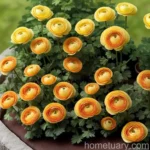
Ranunculus asiaticus ‘Delano White’ (Persian Buttercup): A Gardener’s Guide
The Ranunculus asiaticus ‘Delano White’, commonly known as the Persian Buttercup, is a stunning flowering plant that belongs to the Ranunculus genus in the Ranunculaceae family. With its delicate white blooms and lush green foliage, the Persian Buttercup has become a beloved choice for gardens, landscapes, and floral arrangements. In this comprehensive guide, we will delve into the various aspects of caring for and cultivating this beautiful plant, including its culture, uses, water, sunlight, fertilizer, soil, pruning, propagation, container gardening, common diseases, pest management, and more.
What is Ranunculus asiaticus ‘Delano White’ (Persian Buttercup)?
The Ranunculus asiaticus ‘Delano White’ is a herbaceous perennial plant that is valued for its attractive, rose-like flowers and ornamental foliage. Originating from the Mediterranean region and southern Europe, this species has been cultivated for centuries and has given rise to numerous cultivated varieties with an array of flower colors, including white, yellow, pink, red, and orange. The ‘Delano White’ variety specifically stands out for its pristine white blooms, making it a popular choice for those seeking to add an elegant touch to their outdoor spaces.
Key Takeaways – Ranunculus asiaticus ‘Delano White’ (Persian Buttercup)
Before we delve into the specifics of caring for this beautiful plant, let’s take a moment to highlight some key takeaways about the Ranunculus asiaticus ‘Delano White’:
- Delano White Ranunculus is a popular flowering plant cherished for its exquisite, white blooms.
- Known for its Persian Buttercup plants, this species is prized for its ornamental value and adaptability to various growing conditions.
- When it comes to Ranunculus asiaticus varieties, the ‘Delano White’ stands out for its stunning flowers and resilient nature.
- The White Ranunculus flowers make for enchanting additions to gardens, landscapes, and floral arrangements, adding a touch of elegance and beauty.
- Cultivating Persian Buttercup can be a rewarding experience, and with the right care, these plants can thrive and produce an abundance of stunning blooms.
Now that we’ve established a general understanding of the Persian Buttercup, let’s explore the various aspects of caring for and cultivating Ranunculus asiaticus ‘Delano White’.
Culture
Uses
The Ranunculus asiaticus ‘Delano White’ holds a special place in horticulture due to its versatile uses, which include:
- Gardens and Landscapes: The ‘Delano White’ variety is a popular choice for garden beds, borders, and rock gardens, where its white flowers add a touch of elegance and charm.
- Floral Design: With its showy blooms and long vase life, Persian Buttercup is often used in floral arrangements, bouquets, and centerpieces, bringing a delicate and romantic quality to any setting.
Water
Proper watering is crucial for the health and vitality of Ranunculus asiaticus ‘Delano White’. While these plants require consistent moisture, they are susceptible to rot if overwatered. The following guidelines can help ensure optimal watering practices:
| Water Requirements for Ranunculus asiaticus ‘Delano White’ |
|---|
| Watering Needs |
| – Provide regular, moderate watering, keeping the soil evenly moist but not waterlogged. |
| – Avoid letting the soil dry out completely, especially during the active growth and blooming periods. |
| – Mulching can aid in retaining soil moisture and regulating temperature, benefiting overall plant health. |
| Water Quality |
| – Use lukewarm or room temperature water to avoid shocking the plant with cold water. |
| – If possible, use rainwater or distilled water to prevent the accumulation of salts in the soil, which can damage the plant over time. |
Sunlight
Proper sunlight exposure is essential for the development of healthy foliage and abundant blooms in Persian Buttercup plants. When selecting a location for planting or displaying Ranunculus asiaticus ‘Delano White’, keep the following sunlight requirements in mind:
| Sunlight Requirements for Ranunculus asiaticus ‘Delano White’ |
|---|
| Light Needs |
| – Provide full sun to partial shade, ensuring that the plant receives at least 6 hours of direct sunlight per day. |
| – In warmer regions, partial shade during the hottest part of the day can protect the plant from scorching and prolong the blooms’ longevity. |
| Indoor Care |
| – If growing indoors, place the plant in a bright, sunny location near a south- or west-facing window to ensure adequate light exposure. |
Fertilizer
Applying the right type and amount of fertilizer is crucial for promoting healthy growth and prolific flowering in Ranunculus asiaticus ‘Delano White’. Consider the following fertilizer recommendations for optimal plant nutrition:
| Fertilizer Recommendations for Ranunculus asiaticus ‘Delano White’ |
|---|
| Fertilizing Schedule |
| – Apply a balanced, water-soluble fertilizer with a formulation such as 10-10-10 or 20-20-20 every 4-6 weeks during the active growth and blooming periods. |
| – Reduce or discontinue fertilization after the flowering season to allow the plant to enter a period of dormancy. |
| Application Method |
| – Dilute the fertilizer according to the manufacturer’s instructions and apply it to the soil around the base of the plant, ensuring even distribution. |
| Organic Options |
| – Organic fertilizers, such as compost or well-rotted manure, can be used as an alternative to synthetic fertilizers to provide slow-release nutrients and improve soil structure. |
Soil
The soil composition and structure play a significant role in the overall health and performance of Ranunculus asiaticus ‘Delano White’. Here are some essential considerations for ensuring the proper soil conditions for Persian Buttercup:
| Soil Requirements for Ranunculus asiaticus ‘Delano White’ |
|---|
| Soil Type |
| – Use well-draining, fertile soil with a loamy or sandy texture to prevent waterlogging and allow for healthy root development. |
| – Amending heavy clay soils with organic matter, such as compost or peat moss, can improve drainage and aeration, promoting optimal plant growth. |
| Soil pH |
| – Aim for a slightly acidic to neutral pH range between 6.0 and 7.0, as this provides an ideal environment for nutrient uptake and root health. |
Pruning
Pruning practices play a vital role in maintaining the health, appearance, and flowering performance of Ranunculus asiaticus ‘Delano White’. Proper pruning techniques can help manage overgrowth, encourage bushier growth, and remove spent flowers. Here are some guidelines for effective pruning:
- Deadheading: Regularly remove faded or spent blooms to prevent seed production and encourage the plant to redirect its energy into producing new flowers.
- Trimming: If the foliage becomes overcrowded or shows signs of damage or disease, carefully trim the affected areas to promote airflow and reduce the risk of fungal issues.
- Clean Tools: Use clean, sharp pruning shears to make precise cuts, minimizing the risk of injury to the plant.
Propagation
Ranunculus asiaticus ‘Delano White’ can be propagated through several methods, including division, seed sowing, and bulb offsets. Each approach offers unique advantages and challenges, allowing gardeners to expand their Persian Buttercup collection or share the plants with others. Here’s a brief overview of popular propagation techniques for this species:
Division
- Method: In late summer or early fall, carefully dig up mature clumps of Ranunculus asiaticus, separate the individual tubers, and replant them in prepared soil.
- Advantages: Division allows for the rapid multiplication of plants and can help rejuvenate crowded or declining clumps.
- Considerations: Handle the tubers with care to avoid damage, and ensure that each division has sufficient roots and healthy growth points.
Seed Sowing
- Method: Collect seeds from mature Ranunculus asiaticus plants and sow them in well-draining seed-starting mix in early spring or early fall.
- Advantages: Seed sowing offers a cost-effective means of propagating numerous plants, and it allows for the exploration of new hybrid combinations and unique variations.
- Considerations: Depending on the seed source and genetic variability, the resulting plants may exhibit a range of flower colors and characteristics.
Bulb Offsets
- Method: During the dormant season, detach and replant the small, new bulbs (offsets) that develop around the base of the main bulbs.
- Advantages: Bulb offsets provide a natural means of propagation and are often genetically identical to the parent plant, ensuring consistency in flower color and form.
- Considerations: Gently separate the offsets from the parent bulb, and plant them at the appropriate depth to promote successful establishment.
Container Gardening
Ranunculus asiaticus ‘Delano White’ can thrive in containers, allowing even those with limited garden space to enjoy the beauty of Persian Buttercup plants. When selecting containers and preparing for container gardening, consider the following factors:
- Container Size: Choose a container that provides ample space for the plant’s root system and allows for adequate drainage. A depth of at least 8-10 inches is generally recommended.
- Drainage: Ensure that the container has drainage holes to prevent water from collecting at the bottom, as this can lead to root rot and other moisture-related issues.
- Potting Mix: Use a high-quality, well-draining potting mix that provides adequate aeration and moisture retention. Adding perlite or coarse sand can enhance drainage.
Popularity
The ‘Delano White’ Ranunculus asiaticus has garnered widespread popularity among gardeners, landscapers, and floral enthusiasts for several compelling reasons:
- Aesthetics: The pristine, white flowers of the ‘Delano White’ variety exude timeless elegance and can complement a wide range of garden and floral design themes.
- Versatility: From garden beds and borders to containers and cut flower arrangements, Persian Buttercup plants offer versatility in their uses and applications.
- Ease of Cultivation: With proper care and favorable growing conditions, Ranunculus asiaticus ‘Delano White’ can reward gardeners with abundant blooms and a visually striking display.
Common Diseases
Ranunculus asiaticus ‘Delano White’ is generally robust, but it can be susceptible to certain diseases and issues, particularly under unfavorable conditions. Below are some common diseases to watch out for and measures to prevent or address them:
| Common Diseases of Ranunculus asiaticus ‘Delano White’ |
|---|
| Botrytis Blight |
| – Symptoms: Gray mold on foliage and flowers, especially in humid or wet conditions. |
| – Prevention: Ensure proper air circulation, avoid overhead watering, and promptly remove and dispose of affected plant parts. |
| Crown Rot |
| – Symptoms: Soft, discolored areas at the base of the plant, leading to wilting and decline. |
| – Prevention: Plant Ranunculus asiaticus in well-draining soil, avoid overwatering, and monitor for signs of root or crown issues. |
| Powdery Mildew |
| – Symptoms: White, powdery patches on leaves, often caused by high humidity and poor air circulation. |
| – Prevention: Space plants adequately, prune to improve airflow, and consider applying preventative fungicidal sprays. |
Disease Diagnosis
When observing potential disease issues in Ranunculus asiaticus ‘Delano White’, accurate diagnosis is essential for implementing timely and effective solutions. If you notice unusual symptoms or signs of decline in your plants, consider the following steps for disease diagnosis:
- Visual Inspection: Examine the foliage, stems, and flowers for any abnormal discoloration, lesions, mold, or other indicators of disease.
- Environmental Assessment: Evaluate the growing conditions, including sunlight exposure, watering practices, soil drainage, and humidity levels, to identify potential stress factors.
- Consultation: If unsure about the cause of plant issues, seek guidance from local horticultural experts, extension services, or plant clinics for professional advice and diagnostics.
Common Pests
While Ranunculus asiaticus ‘Delano White’ is generally resistant to most pests, it can occasionally encounter pest-related challenges that require attention. Being vigilant and proactive in pest management can help safeguard the health and vigor of Persian Buttercup plants. Here are some common pests to be mindful of:
| Common Pests Affecting Ranunculus asiaticus ‘Delano White’ |
|---|
| Aphids |
| – Identification: Small, soft-bodied insects feeding on new growth tips and causing distorted foliage. |
| – Management: Rinse off aphids with a strong stream of water, apply insecticidal soaps, or introduce natural predators, such as ladybugs. |
| Spider Mites |
| – Identification: Tiny, web-spinning pests that can suck sap from the undersides of leaves, leading to stippling and discoloration. |
| – Management: Increase humidity, spray plants with water, or use miticides as directed to control spider mite infestations. |
| Slugs and Snails |
| – Identification: Slimy pests that feed on young foliage and flowers, leaving ragged holes and trails of slime. |
| – Management: Use physical barriers, such as copper tape or diatomaceous earth, and handpick slugs and snails during evening hours. |
Botanist’s Tips
Fun Facts
- The blooms of Ranunculus asiaticus ‘Delano White’ closely resemble those of peonies, making them a charming alternative for those who adore peony flowers.
- Persian Buttercup plants have been cultivated for ornamental use since ancient times and have been celebrated in art, literature, and cultural traditions across various regions.
Links to External Resources
For additional information on Ranunculus asiaticus ‘Delano White’ and related topics, consider exploring the following resources:
- Ranunculus asiaticus Varieties – World of Flowering Plants
- Gardening with Ranunculus asiaticus – The Royal Horticultural Society
- Persian Buttercup Gardening Tips – The Spruce
We hope that this comprehensive guide has provided you with valuable insights into the world of Ranunculus asiaticus ‘Delano White’ and equipped you with the knowledge and tips needed to cultivate and care for these exquisite plants. Whether you’re a seasoned gardener or a budding plant enthusiast, the allure of Persian Buttercup and the elegance of its white blooms can add a touch of radiant beauty to any garden or floral display. Happy gardening!
References
For the references, please include the actual links in the markdown file.