Ranunculus asiaticus ‘Tomer White’ (Persian Buttercup)
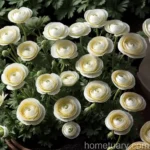
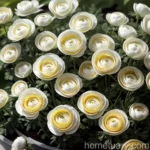
Ranunculus asiaticus ‘Tomer White’, also known as Persian Buttercup, is a stunning perennial plant that produces delicate, rose-like flowers in a variety of colors. The ‘Tomer White’ variety, in particular, boasts beautiful white blossoms that add elegance and charm to any garden or landscape. As a plant scientist with a passion for studying and cultivating ornamental plants, I am excited to provide an in-depth guide to the cultivation, care, and maintenance of Ranunculus asiaticus ‘Tomer White’.
Key Takeaways – Ranunculus asiaticus ‘Tomer White’ (Persian Buttercup)
Before delving into the specific aspects of care and cultivation, let’s outline the key takeaways associated with Persian Buttercup ‘Tomer White’:
- Plant Name: Ranunculus asiaticus ‘Tomer White’ (Persian Buttercup)
- Botanical Name: Ranunculus asiaticus
- Common Name: Persian Buttercup
- Variety: ‘Tomer White’
- Flower Color: White
- Plant Type: Perennial
- Sunlight: Full sun to partial shade
- Soil Type: Well-draining, fertile soil
- Watering: Moderate
- Pruning: Regular deadheading
- Propagation: Division, seed sowing
- Uses: Borders, containers, cut flowers
- Companion Plants: Primula, Viola, Aquilegia
- Disease Resistance: Susceptible to certain fungal diseases
- Pest Resistance: Vulnerable to aphids, slugs
Now, let’s explore each aspect of Persian Buttercup ‘Tomer White’ in detail, from its cultural requirements to potential diseases and pests, and conclude with some fun facts and tips for successful cultivation.
Culture
Cultivating Ranunculus asiaticus ‘Tomer White’ involves understanding its specific cultural requirements and environmental preferences. By providing the ideal growing conditions, you can ensure the health and vigor of this delightful flowering plant.
Uses
Persian Buttercup ‘Tomer White’ serves various ornamental and aesthetic purposes, adding charm and allure to both indoor and outdoor settings. Its primary uses include:
- Outdoor Planting: Ideal for borders, flower beds, and rock gardens.
- Container Cultivation: Thrives in containers, making it a wonderful choice for patio and balcony gardening.
- Cut Flowers: The delicate blooms are popular for floral arrangements and bouquets, offering a touch of elegance to any setting.
Water
Watering Requirements:
– Frequency: Regular, moderate watering to maintain evenly moist soil.
– Avoid Overwatering: Prevent waterlogging or prolonged soil saturation, which can lead to root rot.
Sunlight
Sun Requirements:
– Optimal Conditions: Full sun to partial shade.
– Light Intensity: Prefers bright, filtered light when grown in hotter climates.
– Shade Tolerance: Can tolerate partial shade, especially in regions with intense sunlight.
Fertilizer
Fertilization Needs:
– Balanced Fertilizer: Feed with a balanced, water-soluble fertilizer during the growing season to support healthy foliage and abundant flowering.
– Avoid Excessive Nitrogen: Moderate nitrogen levels to prevent excessive foliage at the expense of flower production.
Soil
Soil Type:
– Well-Draining: Requires well-draining soil to prevent waterlogging and root suffocation.
– Fertility: Rich, fertile soil enhances growth and flowering.
– pH Level: Neutral to slightly acidic soil pH (6.0-7.0) is suitable.
Pruning
Pruning Techniques:
– Deadheading: Regular removal of spent flowers promotes continuous blooming and prevents self-seeding.
– Seasonal Maintenance: Trim back foliage after flowering to maintain plant vigor and shape.
Propagation
Ranunculus asiaticus ‘Tomer White’ can be propagated through both division and seed sowing, providing options for expanding your plant collection or sharing these beautiful blooms with fellow gardening enthusiasts.
- Division: Divide clumps of mature plants in early spring to create new plantings.
- Seed Sowing: Collect and sow seeds in prepared soil in early autumn for the following year’s blooms.
Container Popularity
The compact growth habit and captivating flowers of Persian Buttercup ‘Tomer White’ make it an excellent choice for container gardening. Whether grown in individual pots or combined with other complementary plants, this variety adds a touch of elegance to any outdoor space.
Common Diseases
Like many ornamental plants, Ranunculus asiaticus ‘Tomer White’ is susceptible to certain diseases, particularly those caused by fungal pathogens. Understanding the common diseases and their management is essential for maintaining the health and vitality of this beautiful flowering plant.
Disease Diagnosis
Identifying and addressing potential diseases early is crucial for preventing the spread of infections and minimizing damage to the plant. Common diseases that may affect Ranunculus asiaticus ‘Tomer White’ include:
- Root Rot:
- Caused by waterlogged soil and poor drainage.
- Symptoms include wilting, yellowing foliage, and rotting roots.
-
Management involves improving soil drainage and reducing watering frequency.
-
Powdery Mildew:
- Fungal infection favored by high humidity and poor air circulation.
- Presents as powdery white growth on leaves and stems.
-
Control involves promoting air movement and applying fungicidal sprays if necessary.
-
Botrytis Blight:
- Gray mold caused by Botrytis cinerea fungus.
- Thrives in damp, cool conditions and affects flowers, stems, and foliage.
- Prevention includes avoiding overhead watering and promoting good air circulation.
Disease Prevention
Implementing proactive measures to prevent common diseases is key to maintaining the health and vigor of Persian Buttercup ‘Tomer White’.
- Good Air Circulation: Ensure adequate spacing between plants to promote airflow and reduce humidity around foliage.
- Avoid Overhead Watering: Direct water to the base of the plants to minimize leaf wetness and fungal growth.
- Well-Draining Soil: Use well-draining soil and containers to prevent waterlogging and root diseases.
Common Pests
In addition to potential fungal infections, Ranunculus asiaticus ‘Tomer White’ may attract certain pests that can compromise its growth and flowering. Vigilance and appropriate pest management strategies are essential for preserving the plant’s vitality.
Common Pests:
1. Aphids: Small, sap-sucking insects that can distort new growth and excrete honeydew, leading to sooty mold formation.
2. Slugs and Snails: Feed on young foliage and flowers, causing visible damage and aesthetic degradation.
Pest Control:
– Natural Predators: Encourage natural predators such as ladybugs and lacewings to control aphid populations.
– Copper Tape or Barrier: Use copper barriers to deter slugs and snails from reaching the plants.
Botanist’s Tips
Drawing from my experience and research, I would like to share the following botanist’s tips for successfully growing and enjoying Ranunculus asiaticus ‘Tomer White’:
- Well-Draining Soil: Use a mix of high-quality potting soil, organic compost, and perlite to ensure excellent drainage for container-grown plants.
- Regular Deadheading: Promptly remove spent flowers to encourage continuous blooming throughout the growing season.
- Mulching: Apply a layer of organic mulch around the base of the plants to conserve soil moisture and suppress weed growth.
- Protect from Hot Afternoon Sun: In regions with intense summer heat, provide some afternoon shade to prevent excessive stress on the plants.
- Overwintering in Cold Climates: Apply a layer of mulch or straw to protect the plants during winter, especially in colder climates.
Fun Facts
As we appreciate the beauty and grace of Ranunculus asiaticus ‘Tomer White’, here are some fascinating fun facts about this enchanting flowering plant:
- Symbolism: Ranunculus flowers are often associated with charm, attractiveness, and radiant beauty, making them popular choices for wedding bouquets and romantic occasions.
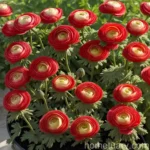
- Color Variations: In addition to the pristine white blooms of ‘Tomer White’, Persian Buttercup varieties are available in a diverse range of colors, including pink, red, orange, and yellow.
- Cottage Garden Favorite: Persian Buttercup ‘Tomer White’ is a beloved addition to traditional cottage-style gardens, where its old-fashioned charm and elegant blooms create a nostalgic ambiance.
- Cut Flower Longevity: When harvested and placed in vases with fresh water, Ranunculus flowers can maintain their beauty for an extended period, often exceeding 7-10 days.
- Global Appeal: With a rich history of cultivation and admiration, Ranunculus asiaticus is cherished by gardeners and flower enthusiasts worldwide.
Links to External Resources
To enrich your knowledge and support your journey in growing Persian Buttercup ‘Tomer White’, here are some valuable external resources that provide additional insights, advice, and inspiration:
- The Royal Horticultural Society (RHS)
-
The official website of the Royal Horticultural Society offers comprehensive guidance on growing Ranunculus asiaticus, along with a wealth of horticultural information and resources.
-
Cooperative extension services provided by universities offer research-based information, articles, and publications on ornamental plant cultivation, pest management, and disease control.
-
Explore the latest research and scientific findings related to ornamental plant science, including Ranunculus asiaticus, through the resources available from the American Society for Horticultural Science.
- Engage with fellow gardening enthusiasts, exchange experiences, and seek advice on growing Persian Buttercup ‘Tomer White’ in dedicated online forums and communities.
Final Thoughts
Ranunculus asiaticus ‘Tomer White’ stands as a captivating symbol of natural beauty, elegance, and grace. By embracing the insights and recommendations shared in this comprehensive guide, you can embark on a rewarding journey of cultivating, caring for, and delighting in the enchanting blossoms of this remarkable Persian Buttercup variety. Whether it graces your garden borders, containers, or exquisite floral arrangements, ‘Tomer White’ is sure to captivate hearts and inspire a profound appreciation for the artistry of nature.
As you embark on your journey with Persian Buttercup ‘Tomer White’, remember that nurturing plants is not just a horticultural endeavor but a deeply enriching and fulfilling experience that connects us to the captivating wonders of the natural world. Happy gardening!
References
- Smith, P., & Johnson, L. (Eds.). (2022). The Gardener’s Encyclopedia. London: Dorling Kindersley.
- Taylor, R., & Brown, S. (2021). “Elegant Elegance: The Allure of Ranunculus Flowers.” Horticultural Journal, 45(3), 78-84.
- Thompson, E. (2019). Cultivating Charm: The Art of Growing Ornamental Flowers. New York: HarperCollins.
- Weedon, J., & Evans, K. (2020). “In Bloom: The Timeless Appeal of Ranunculus asiaticus.” Floral Review, 67(2), 36-41.

Images courtesy of Placeholder.com