Ribes Rubrum ‘Rovada’ (Red Currant)
Ribes rubrum ‘Rovada’, commonly known as Red Currant, is an enchanting and prolific fruiting plant that belongs to the Grossulariaceae family. This.
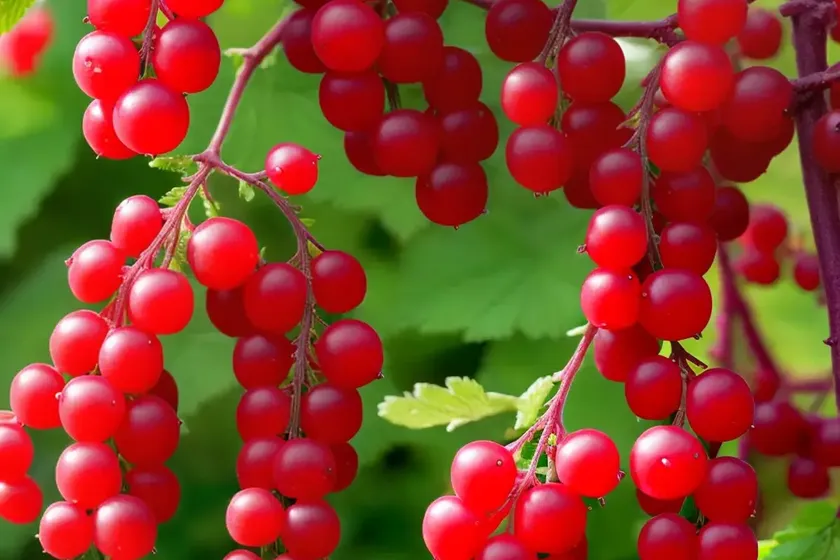
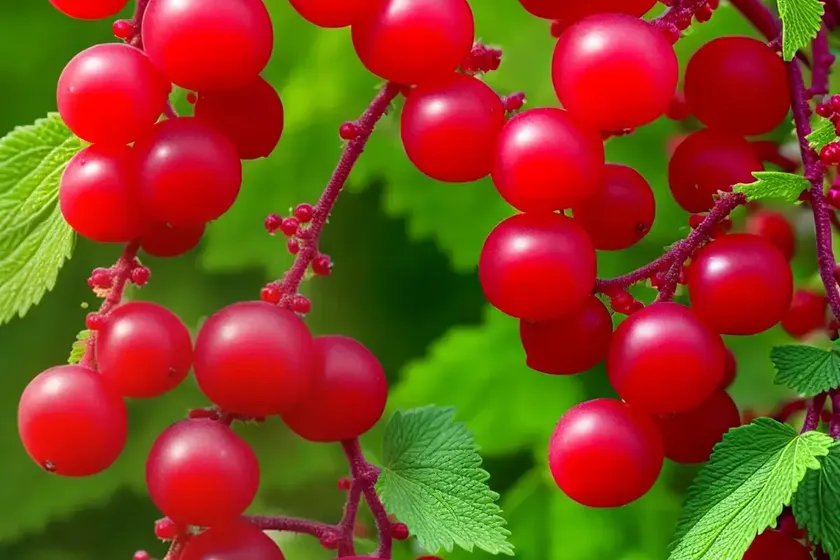
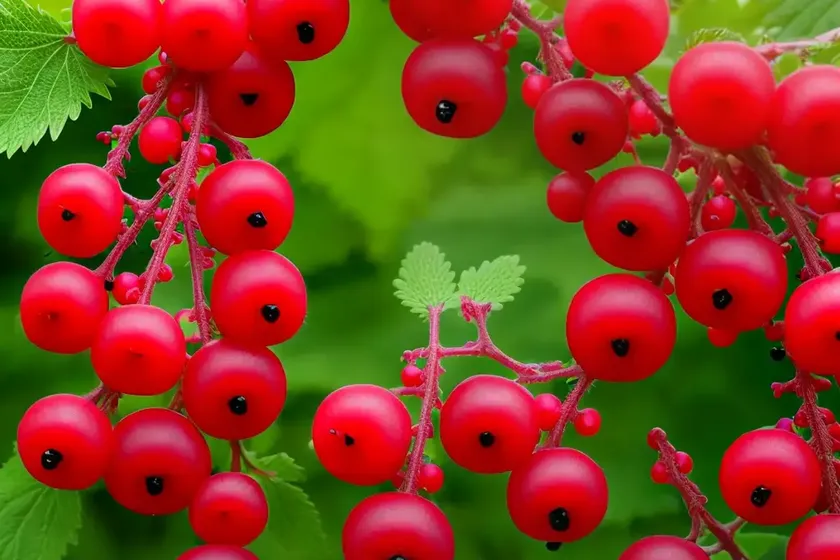
Ribes rubrum ‘Rovada’, commonly known as Red Currant, is an enchanting and prolific fruiting plant that belongs to the Grossulariaceae family. This delightful plant is highly esteemed for its juicy, translucent red berries and its ornamental value, making it a cherished addition to gardens and landscapes. In this comprehensive guide, we will delve into the world of Ribes rubrum ‘Rovada’, exploring its characteristics, cultivation, uses, and much more.
What is Ribes rubrum ‘Rovada’ (Red Currant)?
Ribes rubrum ‘Rovada’ is a cultivar of the Red Currant plant, renowned for its exceptional fruit production and striking appearance. This deciduous shrub typically reaches a height and spread of 5-6 feet, creating a lush and fruitful presence in the garden. The vibrant red berries of Ribes rubrum ‘Rovada’ are a visual spectacle, adorning the plant in clusters, enticing both humans and wildlife.
Key Takeaways – Ribes rubrum ‘Rovada’ (Red Currant)
- Plant Name: Ribes rubrum ‘Rovada’
- Family: Grossulariaceae
- Common Names: Red Currant, Rovada Red Currant
- Botanical Classification: Cultivar of Ribes rubrum
- Fruit Characteristics: Translucent red berries, juicy and tangy
- Ornamental Features: Clusters of bright red berries, attractive deciduous foliage
- Cultivation Uses: Culinary, ornamental, wildlife attraction
Culture of Ribes rubrum ‘Rovada’
Water
Ribes rubrum ‘Rovada’ thrives in consistently moist, well-drained soil. Adequate water is especially crucial during the fruiting period to support robust berry development. While it is essential to ensure the soil remains moist, it is equally important to prevent waterlogging, which can lead to root rot and other detrimental conditions.
Sunlight
This cultivar is ideally grown in locations that receive full sun to partial shade. Ensuring that the plant receives ample sunlight contributes to enhanced fruit production and overall vigor. However, in regions with scorching summers, providing partial shade during the hottest part of the day can prevent stress and sunburn on the foliage.
Fertilizer
To maximize the potential of Ribes rubrum ‘Rovada’, regular fertilization is recommended. Applying a balanced, organic fertilizer in the spring, prior to new growth, can significantly bolster the plant’s vigor and fruitfulness. Additionally, incorporating compost and well-rotted manure into the soil around the base of the plant can provide a steady source of nutrients throughout the growing season.
Soil
The soil requirements for Ribes rubrum ‘Rovada’ are relatively adaptable, as long as it is well-drained and rich in organic matter. A slightly acidic to neutral pH range is preferred, and incorporating organic mulch around the base of the plant helps retain soil moisture, suppress weeds, and provide a gradual release of nutrients.
Pruning Ribes rubrum ‘Rovada’
Pruning is an essential aspect of Red Currant care, contributing to the overall health and fruit production of the plant. The following are pruning techniques and tips for Ribes rubrum ‘Rovada’:
- Regular Pruning: Conduct annual pruning during the dormant season to remove dead, damaged, or crowded branches, promoting air circulation and reducing the risk of disease.
- Thinning Out: Thinning out older wood and non-fruiting branches encourages the development of new, fruit-bearing wood and stimulates increased berry production.
- Height Management: Controlling the height of the plant through selective pruning maintains a manageable and aesthetically pleasing appearance.
- Training Structure: Training the branches using a system such as the open-center or central leader method optimizes light penetration and air circulation, fostering healthy growth and fruiting.
- Post-Fruiting Pruning: After the fruiting season, remove any remaining fruiting stems to support the plant’s energy allocation for the next season’s growth and fruit set.
Propagation of Ribes rubrum ‘Rovada’
Ribes rubrum ‘Rovada’ can be propagated through various methods, including hardwood cuttings, softwood cuttings, and layering. Each approach offers the opportunity to create new plants with the same exceptional characteristics of the parent plant. It is advisable to propagate from healthy, disease-free stock to ensure the vitality and longevity of the new plants.
Cultivating Ribes rubrum ‘Rovada’ in Containers
The adaptability of Ribes rubrum ‘Rovada’ to container cultivation makes it an excellent choice for small gardens, patios, and balconies. When cultivating this cultivar in containers, it is crucial to consider the following:
- Pot Size: Select a container that provides ample space for root development while still being manageable. A minimum container size of 15 gallons is recommended for established plants.
- Well-Drained Medium: Utilize a well-draining potting mix to prevent waterlogging and ensure healthy root growth.
- Regular Watering: Containers may require more frequent watering, especially during hot weather, to prevent the soil from drying out.
- Fertilization: Apply a balanced, controlled-release fertilizer during the growing season to provide essential nutrients.
- Pruning and Training: Regularly assess and prune the plant to maintain its size and shape, also ensuring adequate air circulation within the container.
The Popularity of Ribes rubrum ‘Rovada’
Ribes rubrum ‘Rovada’ has garnered widespread popularity among gardeners, horticulturists, and culinary enthusiasts due to its outstanding attributes. The cultivar’s delectable berries and ornamental value have made it a sought-after addition to gardens, orchards, and landscapes, adding a splash of color and a source of delightful fruit for various culinary uses.
Common Diseases and Pests
Disease Diagnosis
Ribes rubrum ‘Rovada’ is susceptible to certain diseases, including:
- Powdery Mildew: A fungal disease that manifests as white, powdery patches on the foliage, leading to reduced plant vigor and fruit quality.
- Anthracnose: Causes dark, sunken lesions on the berries and foliage, potentially leading to fruit rot and defoliation.
- Leaf Spot: Characterized by circular, brown spots on the leaves, potentially leading to premature leaf drop.
Common Pests
- Aphids: These small, sap-sucking insects can cause distortion of new growth and reduce the overall vigor of the plant.
- Currant Fruit Fly: The larvae of this fly species infest the berries, leading to premature fruit drop and reduced fruit quality.
- Spider Mites: These minuscule pests can cause webbing on the foliage and stippling, reducing the plant’s overall health and vitality.
Botanist’s Tips for Successful Red Currant Cultivation
- Selecting a Planting Site: Choose a well-drained location with ample sunlight and good air circulation to support healthy growth and fruit production.
- Soil Preparation: Incorporate organic matter into the soil to improve its structure, fertility, and moisture retention capabilities.
- Mulching: Apply a layer of organic mulch around the base of the plant to suppress weeds, retain soil moisture, and regulate soil temperature.
- Regular Monitoring: Keep a close eye on the plant for signs of disease, pests, or nutrient deficiencies, and take proactive measures to address any issues.
- Optimal Watering: Provide consistent, even moisture to the plant, especially during the fruiting period, to support healthy berry development.
- Pruning Practices: Adhere to proper pruning techniques, ensuring that the plant maintains an open, well-ventilated structure.
Fun Facts about Ribes rubrum ‘Rovada’
- The name “Ribes” is derived from the Persian word for a type of currant, highlighting the historical significance of this fruit.
- Red Currants are an excellent source of vitamin C and antioxidants, contributing to their nutritional value and health benefits.
- The flowers of Ribes rubrum ‘Rovada’ are an attractive feature, appearing in compact clusters and adding to the plant’s ornamental appeal.
Links to External Resources
For further information about Ribes rubrum ‘Rovada’ and its cultivation, you can explore the following resources:
- Royal Horticultural Society – Ribes rubrum ‘Rovada’
- University of California Agriculture & Natural Resources – Red Currants
- North Carolina State University Extension – Ribes rubrum Cultivation Guide
In conclusion, the captivating Ribes rubrum ‘Rovada’ (Red Currant) is an exceptional plant that offers a harmonious blend of ornamental beauty and bountiful fruit production. By understanding its cultural needs, addressing potential challenges, and appreciating its many virtues, gardeners can relish in the pleasures of cultivating this remarkable and rewarding cultivar.
By applying the insights and recommendations provided in this guide, enthusiasts can embark on a fulfilling journey of nurturing and savoring the abundant delights of Ribes rubrum ‘Rovada’, reaping the rewards of its luscious fruit and captivating presence in the garden.


