Ranunculus asiaticus ‘Tomer Red’ (Persian Buttercup) – A Fascinating and Beautiful Plant
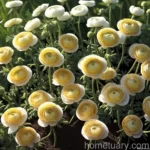
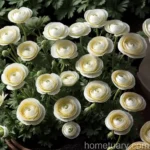
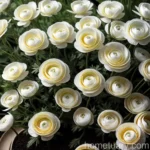
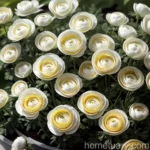
The Ranunculus asiaticus ‘Tomer Red’, also known as the Persian Buttercup, is a stunning flowering plant that has captivated gardeners and plant enthusiasts for centuries. With its distinctive red blooms and delicate petals, this plant adds a touch of elegance and charm to gardens, landscapes, and floral arrangements. In this comprehensive guide, we will delve into the fascinating world of the Ranunculus asiaticus ‘Tomer Red’, exploring its cultural significance, uses, care requirements, propagation techniques, common diseases, and much more.
What is Ranunculus asiaticus ‘Tomer Red’ (Persian Buttercup)?
The Ranunculus asiaticus ‘Tomer Red’ belongs to the family Ranunculaceae and is native to the Eastern Mediterranean region, including countries like Greece, Turkey, and Lebanon. This herbaceous perennial plant is prized for its showy, multi-petaled flowers that come in a variety of vibrant colors, including red, pink, yellow, orange, and white. The Persian Buttercup is known for its rich cultural history, ornamental value, and its use in traditional medicine and culinary practices.
Key Takeaways – Ranunculus asiaticus ‘Tomer Red’ (Persian Buttercup)
Before we delve into the various aspects of this captivating plant, let’s take a look at the key takeaways:
- Plant Name: Ranunculus asiaticus ‘Tomer Red’ (Persian Buttercup)
- Family: Ranunculaceae
- Common Names: Persian Buttercup, Asiatic Buttercup ‘Tomer Red’
- Flower Color: Red, pink, yellow, orange, white
- Cultural Significance: Used in traditional medicine, culinary practices, and floral arrangements
- Ornamental Value: Adds a touch of elegance and charm to gardens and landscapes
- Geographic Origin: Eastern Mediterranean region
- Propagation Techniques: Can be propagated from seeds or bulbs
- Cultural Requirements: Well-draining soil, adequate sunlight, regular watering, and appropriate fertilization
Now that we have established the key points, let’s dive deeper into the various aspects of the Ranunculus asiaticus ‘Tomer Red’, from its cultural significance to its care requirements and propagation techniques.
Culture
The culture of the Ranunculus asiaticus ‘Tomer Red’ extends beyond its botanical characteristics. It holds cultural significance in various traditions, including floral symbolism, medicinal uses, and culinary applications.
Uses
Floral Symbolism
In the language of flowers, the Persian Buttercup is often associated with charm, attractiveness, and radiance. The vibrant and multi-layered petals of the Ranunculus asiaticus ‘Tomer Red’ make it a popular choice for bridal bouquets, floral arrangements, and ornamental garden designs.
Medicinal Uses
In traditional medicine, certain parts of the Ranunculus asiaticus plant have been used to treat various ailments. However, it’s important to note that this plant contains toxic compounds and should not be ingested without proper guidance from a qualified healthcare professional.
Culinary Applications
While caution must be exercised due to its toxicity, the Persian Buttercup has found limited use in culinary practices in certain cultures. It’s important to note that consumption of this plant should be strictly avoided without proper knowledge and guidance.
Water
The Ranunculus asiaticus ‘Tomer Red’ has specific water requirements to thrive and produce stunning blooms. Proper watering practices are essential to ensure the health and vigor of this captivating plant.
Watering Guidelines
- Frequency: The plant generally requires regular watering, especially during the active growing season. However, it’s essential to avoid overwatering, as excessive moisture can lead to root rot and other fungal diseases.
- Soil Moisture: The soil should be kept consistently moist but not waterlogged. Adequate drainage is crucial to prevent waterlogging, particularly in container-grown specimens.
- Leaf Spotting: Overwatering can lead to issues such as leaf spotting and fungal diseases. Careful observation of the plant’s foliage can help in identifying signs of overwatering.
Sunlight
Like many flowering plants, the Ranunculus asiaticus ‘Tomer Red’ has specific sunlight requirements to support healthy growth and abundant flowering. Understanding its sunlight preferences is crucial for successful cultivation.
Sunlight Needs
- Full Sun: The Persian Buttercup thrives in full sunlight, requiring at least 6-8 hours of direct sunlight each day for optimal growth and blooming.
- Partial Shade: In regions with intense summer heat, providing some afternoon shade can help protect the plant from extreme temperatures and prevent stress.
- Leaf Development: Insufficient sunlight can lead to weak, spindly growth and reduced flower production. Adequate exposure to sunlight is essential for robust leaf development and vibrant blooms.
Fertilizer
Appropriate fertilization plays a crucial role in supporting the growth, vigor, and blooming of the Ranunculus asiaticus ‘Tomer Red’. Understanding the plant’s fertilizer requirements is vital for promoting healthy growth and stunning floral displays.
Fertilization Recommendations
- Balanced Fertilizer: A balanced, all-purpose fertilizer with an NPK ratio of 10-10-10 or similar can be applied during the active growing season to provide essential nutrients.
- Application Frequency: Fertilizer can be applied every 4-6 weeks during the growing season to support continuous growth and flowering.
- Dilution and Application: It’s important to dilute the fertilizer according to the manufacturer’s recommendations and apply it to the soil around the base of the plant, ensuring that it is watered in thoroughly.
Soil
The quality and composition of the soil play a pivotal role in the overall health, vigor, and blooming of the Ranunculus asiaticus ‘Tomer Red’. Understanding the plant’s soil preferences is essential for successful cultivation and long-term vitality.
Soil Requirements
- Well-Draining Soil: The Persian Buttercup thrives in well-draining soil that prevents waterlogging and promotes healthy root development. Soggy or poorly-draining soil can lead to root rot and other issues.
- Soil Composition: A rich, loamy soil with good organic content is ideal for promoting vigorous growth and abundant blooming. Amending the soil with organic matter such as compost can improve its overall quality.
Container Gardening
For individuals with limited garden space or those looking to showcase the beauty of the Persian Buttercup on patios, balconies, or indoor settings, container gardening offers a convenient and versatile option.
Container Requirements
- Drainage Holes: Select containers with drainage holes to ensure proper drainage and prevent waterlogging.
- Potting Mix: Use a well-draining potting mix that provides good aeration for the roots. A mix formulated for flowering plants can offer the necessary nutrients and support healthy growth.
Pruning
Proper pruning practices are essential for maintaining the health, shape, and vigor of the Ranunculus asiaticus ‘Tomer Red’. Understanding the plant’s pruning requirements can help prevent issues and promote abundant flowering.
Pruning Guidelines
- Faded Blooms: Regular deadheading, which involves removing faded flowers, can promote continuous blooming and prevent the plant from expending energy on seed production.
- Aesthetic Pruning: Trimming back leggy or overgrown stems can help maintain a tidy and compact appearance, promoting a neater growth habit.
- Pruning Tools: It’s important to use clean, sharp pruning shears to make precise cuts, minimizing the risk of damage and disease transmission.
Propagation
The propagation of the Ranunculus asiaticus ‘Tomer Red’ allows enthusiasts to expand their plant collection, share the beauty of this species, and ensure its preservation for future generations. Understanding propagation techniques is valuable for successful reproduction of the Persian Buttercup.
Propagation Methods
- From Bulbs: The Persian Buttercup can be propagated from bulbs, which are available from reputable nurseries and garden centers. Planting bulbs in well-draining soil in the fall allows them to establish and produce flowers in the following spring.
- From Seeds: While less common, the Persian Buttercup can also be propagated from seeds. This method requires patience and dedication, as it takes time for the plants to mature and produce flowers.
Popularity
The Ranunculus asiaticus ‘Tomer Red’ has gained significant popularity among gardeners, florists, and plant enthusiasts worldwide due to its captivating beauty and versatility. Its popularity is reflected in its widespread cultivation, use in floral designs, and ornamental value in garden settings.
Widespread Cultivation
- Gardens and Landscapes: The Persian Buttercup is a common sight in gardens and landscapes, where it adds a vibrant burst of color during the spring and early summer months.
- Floral Industry: Due to its beautiful and long-lasting blooms, the Ranunculus asiaticus ‘Tomer Red’ is highly sought after by florists and designers for use in bridal bouquets, centerpieces, and other floral arrangements.
Ornamental Value
- Garden Displays: Whether planted en masse or mixed with other spring-blooming bulbs and perennials, the Persian Buttercup creates eye-catching displays in garden borders, rock gardens, and containers.
- Indoor Décor: Its long vase life makes it a popular choice for indoor floral arrangements, brightening up homes and events with its rich color and intricate blooms.
Common Diseases
Despite its ornamental allure and resilience, the Ranunculus asiaticus ‘Tomer Red’ is susceptible to certain diseases and disorders that can impact its health and vitality. Awareness of these common issues is essential for prompt intervention and effective management.
Disease Diagnosis
- Botrytis Blight: This fungal disease can cause browning and decay of flower petals, often exacerbated by excessive moisture and poor air circulation.
- Root Rot: Soggy or waterlogged soil conditions can lead to root rot, which manifests as wilting, yellowing foliage, and overall decline in plant health.
- Powdery Mildew: A white powdery coating on the foliage indicates the presence of powdery mildew, a common fungal infection that can weaken the plant if left unchecked.
Common Pests
In addition to diseases, the Ranunculus asiaticus ‘Tomer Red’ can also fall victim to various pests that may jeopardize its health and floral abundance. Understanding these common pests is crucial for early detection and effective pest management.
Pest Identification
- Aphids: These small, sap-sucking insects can cluster on new growth, causing distorted leaves and excreting honeydew that attracts sooty mold.
- Spider Mites: Visible as tiny red or brown specks on the undersides of leaves, spider mites can cause stippling and webbing, leading to weakened plant vigor.
Botanist’s Tips
As botanists and plant enthusiasts, it’s essential to share valuable tips and insights to help fellow enthusiasts in their journey with the Ranunculus asiaticus ‘Tomer Red’. Here are some expert tips for successful cultivation and enjoyment of this exquisite plant:
Expert Insights
- Adequate Air Circulation: Good air circulation is crucial for preventing fungal diseases such as botrytis blight and powdery mildew. Placing the plants in locations with good airflow can help mitigate these issues.
- Mulching: Applying a layer of organic mulch around the base of the plants can help retain soil moisture, suppress weeds, and insulate the soil, promoting optimal growing conditions.
Fun Facts
The fascinating world of the Ranunculus asiaticus ‘Tomer Red’ is filled with intriguing facts and anecdotes that reflect its cultural significance, botanical allure, and ornamental charm. Here are some fun and interesting tidbits about this captivating plant:
Intriguing Tidbits
- Historical Significance: The Persian Buttercup has been cultivated for centuries and holds historical significance in various cultures, symbolizing charm, radiance, and beauty.
- Traditional Folklore: In certain cultures, the Ranunculus asiaticus is associated with folklore and traditional tales, adding an air of mystique to its already captivating presence.
Links to External Resources
For further exploration of the Ranunculus asiaticus ‘Tomer Red’ and related topics, consider the following external resources:
- Royal Horticultural Society – Ranunculus asiaticus Growing Guide
- University of California Agriculture and Natural Resources – Ranunculus Species
In conclusion, the Ranunculus asiaticus ‘Tomer Red’ (Persian Buttercup) stands as a testament to the enduring allure of botanical beauty and cultural significance. Whether adorning garden borders, floral arrangements, or cultural traditions, this captivating plant continues to captivate and inspire enthusiasts around the world. With a deep understanding of its cultural importance, care requirements, and propagation techniques, we can ensure the continued celebration of the Persian Buttercup’s radiant presence in our lives and landscapes.
Keywords: Persian Buttercup ‘Tomer Red’, Ranunculus asiaticus, Tomer Red Persian Buttercup, Asiatic Buttercup ‘Tomer Red’, Persian Buttercup varieties, Ranunculus asiaticus flowers, Tomer Red flower bulbs, Growing Persian Buttercup, Tomer Red Ranunculus care, Ranunculus asiaticus propagation, Tomer Red Persian Buttercup seeds, Persian Buttercup plant family, Ranunculus asiaticus gardening tips, Tomer Red Ranunculus bulbs, Persian Buttercup flower arrangement, Ranunculus asiaticus cultivation, Tomer Red Persian Buttercup blooms, Growing Ranunculus asiaticus indoors, Tomer Red Persian Buttercup garden design, Persian Buttercup plant care, Ranunculus asiaticus propagation methods, Tomer Red Persian Buttercup petals, Asiatic Buttercup variety characteristics, Persian Buttercup plant characteristics, Tomer Red Ranunculus planting guide, Ranunculus asiaticus geographic distribution, Tomer Red Persian Buttercup flower colors, Growing Persian Buttercup from seeds, Ranunculus asiaticus landscape uses, Tomer Red Ranunculus seasonal availability, Persian Buttercup container gardening, Ranunculus asiaticus diseases and pests, Tomer Red Persian Buttercup flower symbolism, Asiatic Buttercup growing conditions, Persian Buttercup garden maintenance, Ranunculus asiaticus flower meaning, Tomer Red Ranunculus floral arrangements, Persian Buttercup symbolism in different cultures, Ranunculus asiaticus planting instructions, Tomer Red Persian Buttercup medicinal uses, Asiatic Buttercup hybridization techniques, Persian Buttercup plant properties, Tomer Red Ranunculus gardening hacks, Ranunculus asiaticus floral design ideas, Tomer Red Persian Buttercup pollination process, Persian Buttercup plant anatomy, Ranunculus asiaticus climate preferences, Tomer Red Ranunculus ornamental value, Asiatic Buttercup garden border ideas, Persian Buttercup culinary uses