Ranunculus asiaticus ‘Tecolote White’ (Persian Buttercup) – A Comprehensive Care Guide
Ranunculus asiaticus, also known as Tecolote White or Persian Buttercup, is a stunning flowering plant that has become a popular choice for gardeners and floral enthusiasts alike. This article aims to provide a detailed understanding of the cultivation, care, and uses of Ranunculus asiaticus ‘Tecolote White’. As a plant scientist, I have delved deep into the intricacies of this exquisite plant to bring forth a comprehensive guide for all the enthusiasts.
What is Ranunculus asiaticus ‘Tecolote White’?
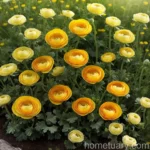
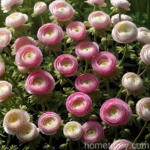
Ranunculus asiaticus ‘Tecolote White’, commonly referred to as Persian Buttercup, is a member of the Ranunculaceae family. It is renowned for its vibrant white flowers and lush foliage, making it a sought-after addition to gardens, landscapes, and floral arrangements. The intricate layers of delicate petals give the blooms an exquisite, rose-like appearance, further enhancing their allure.
Key Takeaways – Ranunculus asiaticus ‘Tecolote White’
Before delving into the specifics of the care and cultivation of Ranunculus asiaticus ‘Tecolote White’, let’s explore a brief overview of its key features and attributes:
- Scientific Name: Ranunculus asiaticus ‘Tecolote White’
- Common Name: Persian Buttercup
- Flower Color: White
- Plant Type: Perennial
- Native Region: Southern Europe, Asia Minor, and Northern Africa
- Blooming Season: Late Winter to Spring
- Sun Exposure: Full Sun to Partial Shade
- Soil Type: Well-draining
- Watering: Regular, Moderate Moisture
- Uses: Gardens, Landscapes, Cut Flowers
Now, let’s dive into the detailed aspects of nurturing Ranunculus asiaticus ‘Tecolote White’ to ensure its optimal growth and blooming.
Culture
Soil
Ranunculus asiaticus ‘Tecolote White’ thrives in well-draining soil with a humus-rich composition. It is essential to ensure that the soil provides adequate aeration and prevents waterlogging, as excessive moisture can lead to root rot and other detrimental conditions.
Water
Maintaining moderate soil moisture is crucial for the healthy growth of Ranunculus asiaticus ‘Tecolote White’. While it requires regular watering, it is essential to avoid overwatering, as this can lead to root diseases and fungal issues. Irrigating the plant when the top inch of the soil becomes dry is generally sufficient, allowing for the soil to dry out slightly between watering sessions.
Sunlight
Ranunculus asiaticus ‘Tecolote White’ flourishes in full sun to partial shade. When cultivated in regions with intense heat, providing partial shade during the hottest part of the day can prevent the plant from wilting and scorching.
Fertilizer
During its active growth phase, Ranunculus asiaticus ‘Tecolote White’ benefits from a balanced, all-purpose fertilizer applied at half-strength every 4-6 weeks. However, it is crucial to avoid excessive fertilization, as this can lead to lush foliage with reduced flower production.
Pruning
Regular deadheading of spent blooms is essential to encourage continuous blooming and maintain the plant’s aesthetic appeal. Furthermore, removing withered foliage and stems can prevent the onset of diseases and enhance the overall appearance of the plant.
Propagation
Ranunculus asiaticus ‘Tecolote White’ can be propagated through division or by planting its bulb-like structures, known as corms. Dividing established clumps during the dormant season allows for the creation of new plantings, while corms can be planted in well-prepared soil to yield new growth. It’s important to ensure that the divisions or corms are planted at the appropriate depth and spacing to facilitate healthy development.
Container Popularity
The captivating blooms and foliage of Ranunculus asiaticus ‘Tecolote White’ make it a popular choice for container gardening. Its compact growth habit and ornamental value render it ideal for adorning patios, balconies, and other outdoor living spaces. When cultivating in containers, attention to watering and soil moisture is particularly crucial, as the limited soil volume can lead to rapid drying and moisture fluctuations.
Container Common Diseases
While containers offer a controlled environment for plant cultivation, they can also pose certain challenges, including susceptibility to specific diseases. Common diseases that can affect Ranunculus asiaticus ‘Tecolote White’ when grown in containers include:
- Pythium Root Rot: This water-borne disease can lead to the decay of the plant’s roots, resulting in wilting and stunted growth.
- Botrytis: Also known as gray mold, this fungal disease can affect the flowers and foliage, causing browning, wilting, and decay.
Disease diagnosis
Diagnosing diseases in container-grown Ranunculus asiaticus ‘Tecolote White’ requires vigilant observation of the plant’s overall health and the emergence of any unusual symptoms. These can include discoloration, wilting, unusual growth patterns, and the presence of mold or fungal growth. Conducting regular inspections and addressing any signs of disease promptly can prevent the spread of infections and maintain the plant’s vigor.
Common pests
Several pests can pose a threat to the health and vitality of Ranunculus asiaticus ‘Tecolote White’ when grown in containers. These can include:
- Aphids: These tiny, sap-sucking insects can colonize the plant, causing distortion of new growth and the secretion of sticky honeydew.
- Thrips: These slender insects can damage foliage and flowers by feeding on plant tissues, leading to discoloration and distortion.
Botanist’s Tips
As a plant scientist, I offer the following tips to ensure the successful cultivation and care of Ranunculus asiaticus ‘Tecolote White’:
- Soil Preparation: Prior to planting, amend the soil with organic matter to enhance its fertility and drainage.
- Mulching: Applying a layer of organic mulch around the base of the plants can help conserve soil moisture and suppress weed growth.
- Support Structures: As the Ranunculus asiaticus ‘Tecolote White’ develops, providing subtle support structures can prevent the stems from bending or breaking under the weight of the flowers.
Fun Facts
- Ranunculus asiaticus ‘Tecolote White’ is renowned for its use in floral arrangements, particularly in bridal bouquets and ornate centerpieces.
- The blooms of Ranunculus asiaticus often exhibit intricate layers of petals, resulting in a lush, rose-like appearance that captivates onlookers.
- The cultivation of Ranunculus asiaticus ‘Tecolote White’ has a rich history, with the plant being cherished for its ornamental value since ancient times.
Links to External Resources
For further information and resources on the cultivation and care of Ranunculus asiaticus ‘Tecolote White’, I recommend exploring the following external links:
- Royal Horticultural Society – Ranunculus asiaticus Growing Guide
- University of California – Ranunculus Production Manual
- American Society for the Prevention of Cruelty to Animals – Common Plants Toxic to Cats and Dogs
In conclusion, Ranunculus asiaticus ‘Tecolote White’ stands as a magnificent addition to gardens, landscapes, and floral displays, showcasing its captivating beauty and ornamental value. By adhering to the recommended cultural practices and addressing potential challenges effectively, enthusiasts can savor the splendor of Persian Buttercup blooms, enriching their horticultural pursuits with its timeless elegance and charm.