Pyrus Communis ‘Kieffer’ (European Pear)
Pyrus communis ‘Kieffer’, commonly known as the European Pear, is a delightful and versatile fruit tree that has been cherished for generations. It holds a.
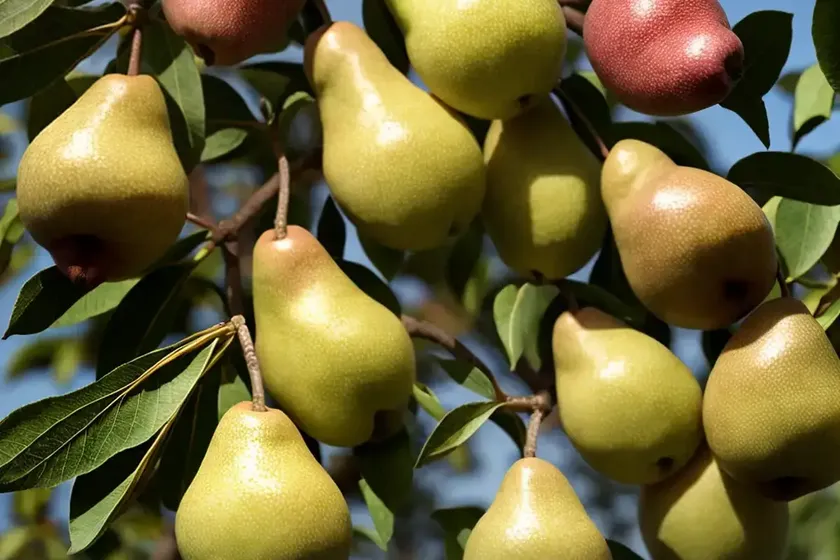
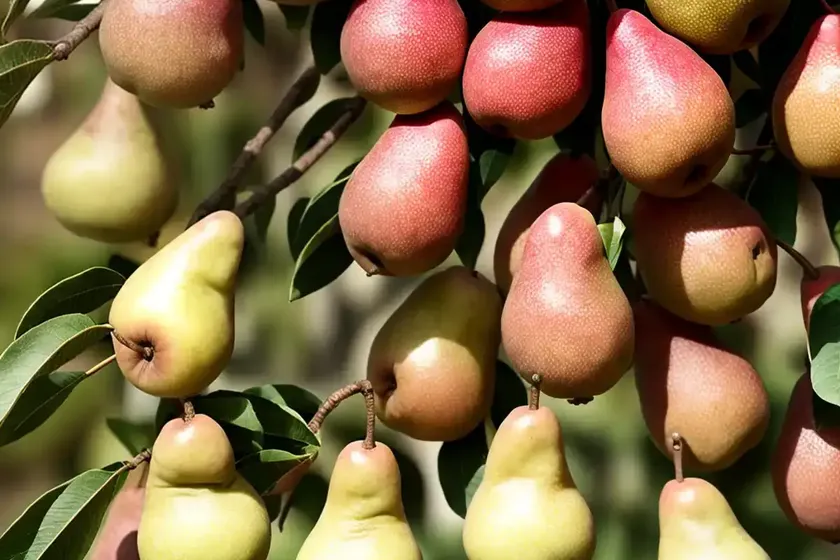
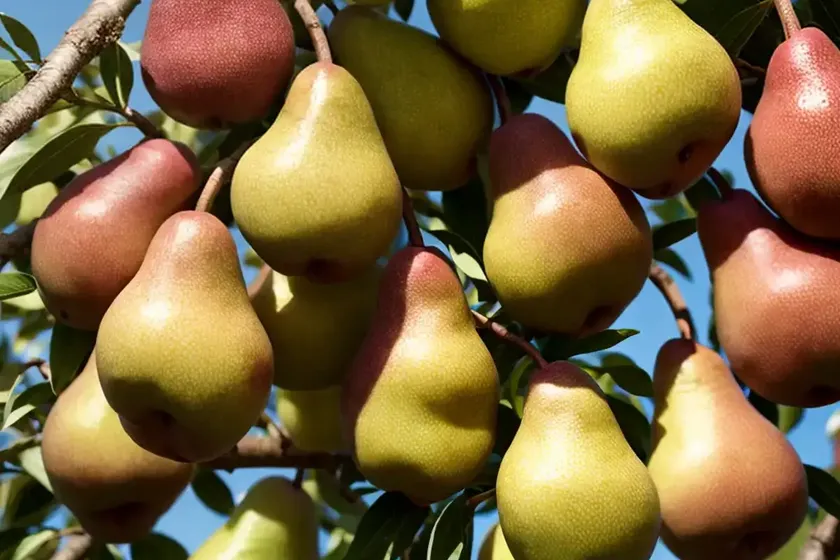
Pyrus communis ‘Kieffer’, commonly known as the European Pear, is a delightful and versatile fruit tree that has been cherished for generations. It holds a special place in the world of horticulture due to its delectable fruit, beautiful blossoms, and the ornamental value it adds to landscapes. In this comprehensive guide, we will delve into the various aspects of Pyrus communis ‘Kieffer’, including its description, cultivation, uses, diseases, pests, and much more.
Pyrus communis ‘Kieffer’ Description
Pyrus communis ‘Kieffer’ is a cultivar of the European Pear (Pyrus communis). It is a deciduous tree that belongs to the Rosaceae family. This sturdy tree can reach a mature height of 15-30 feet and spread to a width of 10-20 feet. The attractive oval-shaped leaves of ‘Kieffer’ are dark green and glossy, providing a lush appearance to the tree during the growing season. In the spring, the tree is adorned with clusters of white blossoms, adding to its aesthetic appeal. The flowers give way to small and round fruits that are slightly textured and have a greenish-yellow skin.
Key Takeaways – Pyrus communis ‘Kieffer’ (European Pear)
- Scientific Name: Pyrus communis ‘Kieffer’
- Common Name: European Pear
- Family: Rosaceae
- Characteristics: Deciduous tree, dark green glossy leaves, white spring blossoms, greenish-yellow fruits.
Cultivation of Pyrus communis ‘Kieffer’
Water
European Pear trees, including Pyrus communis ‘Kieffer’, thrive in well-drained soil but require regular watering, especially during dry periods. Adequate moisture is essential, particularly during the early years of establishment and fruit development. However, it is crucial to avoid waterlogging as excessive moisture can lead to root rot and other diseases.
Sunlight
Pyrus communis ‘Kieffer’ trees flourish in full sun, where they receive at least 6-8 hours of direct sunlight daily. Sunlight is vital for the tree’s growth, fruit development, and overall health.
Fertilizer
Proper fertilization is crucial for the optimal growth and fruit production of Pyrus communis ‘Kieffer’. Using a balanced fertilizer, such as a 10-10-10 NPK formula, in the early spring can help provide essential nutrients to the tree. Additionally, a yearly application of organic matter, such as compost or well-aged manure, can enhance the soil’s fertility and contribute to the tree’s vigor.
Soil
European Pear trees, including ‘Kieffer’, prefer well-drained, loamy soil with a slightly acidic to neutral pH level (pH 6.0-7.0). It is essential to ensure that the soil is rich in organic matter and capable of retaining moisture without becoming waterlogged.
Pruning
Pruning is an essential aspect of caring for Pyrus communis ‘Kieffer’ trees. Proper pruning helps in shaping the tree, promoting air circulation within the canopy, and removing dead or diseased branches. Additionally, it aids in fruit production and overall tree health. Pruning should ideally be done during the dormant season to minimize stress on the tree.
Propagation
The propagation of Pyrus communis ‘Kieffer’ can be achieved through various methods, including:
- Grafting: This is a common propagation method where a scion of ‘Kieffer’ is grafted onto a suitable rootstock, such as Pyrus calleryana.
- Cuttings: Softwood or hardwood cuttings can be used for propagating European Pear trees. However, this method requires precision and attention to specific environmental conditions for successful root development.
Container Popularity
While European Pear trees are often grown in orchards and large landscapes, they can also thrive in containers. Container gardening allows individuals with limited space to enjoy the beauty and fruitfulness of Pyrus communis ‘Kieffer’. When cultivating ‘Kieffer’ Pear trees in containers, it is essential to ensure adequate soil, sunlight, and moisture for the tree’s well-being.
Common Diseases
European Pear trees, including Pyrus communis ‘Kieffer’, are susceptible to several diseases that can affect their health and fruit production. Common diseases that may affect the ‘Kieffer’ Pear tree include:
- Fire Blight: This bacterial disease can cause wilting and blackening of blossoms and shoots, potentially leading to dieback of the tree.
- Pear Scab: A fungal disease that manifests as dark, scab-like lesions on leaves and fruits, affecting the tree’s overall vigor.
- Powdery Mildew: This fungal infection appears as a white powdery coating on the leaves and stems, potentially hindering photosynthesis and nutrient absorption.
Disease Diagnosis
Diagnosing diseases in Pyrus communis ‘Kieffer’ requires careful observation of the tree’s symptoms and, in some cases, laboratory analysis. It is essential to monitor the tree regularly for any signs of disease and promptly address any issues to prevent the spread of pathogens.
Common Pests
European Pear trees, including ‘Kieffer’, can be affected by various pests, including insects and mites. Common pests that may target the ‘Kieffer’ Pear tree include:
- Pear Psylla: These small, jumping insects can cause damage to the tree by feeding on the leaves and secreting honeydew, leading to sooty mold development.
- Pear Rust Mite: These microscopic pests can cause russeting on fruits and affect the overall quality of the harvest.
- Codling Moth: The larvae of this moth species can infest the fruits, leading to internal damage and a decrease in fruit quality.
Botanist’s Tips
As a botanist specializing in fruit trees, I’ve gathered some key tips for successfully cultivating Pyrus communis ‘Kieffer’:
- Pollination: European Pear trees, including ‘Kieffer’, often benefit from cross-pollination with compatible varieties to enhance fruit set and quality. Therefore, it is advisable to plant compatible cultivars in proximity to promote cross-pollination.
- Thinning: Thinning the fruit clusters on ‘Kieffer’ Pear trees can help improve the size and quality of the remaining fruits, reducing the risk of limb damage due to excessive fruit weight.
- Integrated Pest Management (IPM): Employing IPM strategies can be effective in managing pests and diseases while minimizing the use of chemical interventions. This approach involves monitoring, biological control, and judicious use of pesticides when necessary.
Fun Facts
- The European Pear is believed to have originated in the Caucasus region of Western Asia.
- Pyrus communis ‘Kieffer’ is known for its versatility, as it is suitable for fresh consumption, canning, and culinary uses.
- In addition to its delicious fruit, ‘Kieffer’ Pear trees offer beautiful blossoms in the spring, attracting pollinators and adding aesthetic value to gardens and landscapes.
Links to External Resources
For further information on Pyrus communis ‘Kieffer’ and European Pear tree cultivation, diseases, and pests, the following resources can be valuable:
- Royal Horticultural Society – Pears
- University of California Integrated Pest Management – Pear
- Missouri Botanical Garden – Pyrus communis ‘Kieffer’
- Penn State Extension – Growing Pears
In conclusion, Pyrus communis ‘Kieffer’, the European Pear, is a remarkable fruit tree that offers both aesthetic and culinary rewards. By providing adequate care, addressing diseases and pests, and harnessing its beauty and productivity, ‘Kieffer’ Pear trees can be a delightful addition to orchards, gardens, and landscapes.
Remember, the joy of harvesting and savoring the delicious fruits of Pyrus communis ‘Kieffer’ makes the effort of cultivation truly rewarding. Whether enjoyed fresh off the tree or incorporated into a delectable recipe, the fruits of ‘Kieffer’ are a testament to the enduring appeal of the European Pear.


