Pear Tree (Pyrus)
The pear tree, scientifically known as Pyrus, is a perennial fruit tree belonging to the Rosaceae family. This tree is widely cultivated for its edible.
What is a Pear Tree (Pyrus)?
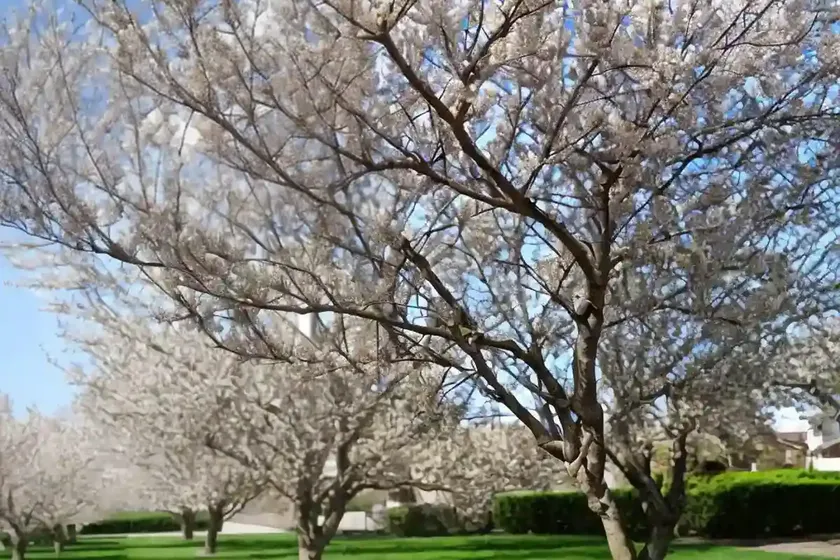
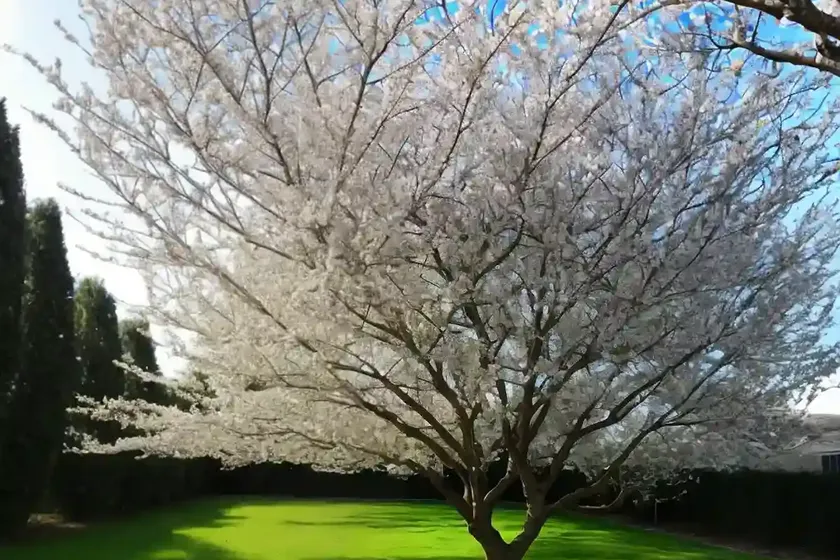
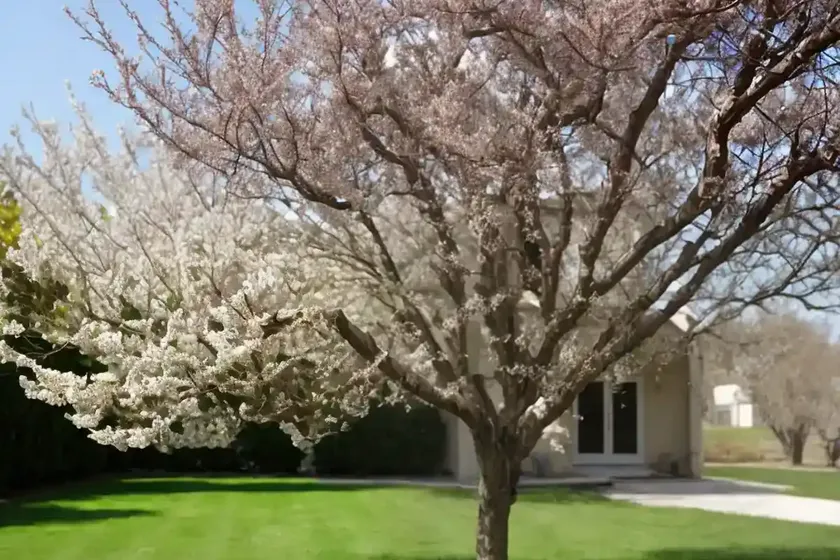
The pear tree, scientifically known as Pyrus, is a perennial fruit tree belonging to the Rosaceae family. This tree is widely cultivated for its edible fruits, which are also known as pears. The genus Pyrus includes several species and a multitude of cultivated varieties that are prized for their tasty fruits and beautiful blossoms. The most commonly cultivated species for its delicious fruits is Pyrus communis, while Pyrus pyrifolia is renowned for its Asian pear variety. In addition to fruit-bearing pear trees, there are also ornamental varieties of pear trees, such as Pyrus calleryana (Bradford Pear), which are grown for their attractive and showy blossoms and foliage.
Key Takeaways – Pear Tree (Pyrus)
Before diving into the detailed aspects of cultivating and caring for a pear tree, it is important to highlight some key takeaways about this remarkable plant:
- Pyrus communis and Pyrus pyrifolia are the most well-known species of pear trees, valued for their delightful fruits and landscape appeal.
- Ornamental pear tree varieties, such as Pyrus calleryana and Pyrus salicifolia, are also popular for their spectacular blossoms and foliage.
- The Bartlett pear tree is a widely cultivated variety known for its delectable, sweet fruits.
- Pear tree care involves proper watering, sunlight exposure, soil requirements, fertilizer application, and regular pruning.
- Pear trees are susceptible to various diseases and pests, warranting vigilant monitoring and prompt intervention.
With these key takeaways in mind, let’s explore the intricate details of cultivating and caring for pear trees to ensure their optimal growth and productivity.
Culture
Cultivating pear trees involves a holistic approach that encompasses various aspects such as watering, sunlight exposure, fertilizer application, soil requirements, maintenance activities, propagation methods, and container gardening. Understanding the culture of pear trees is essential for their successful growth and the attainment of bountiful harvests.
Uses
The uses of pear trees are multifaceted, encompassing both practical and ornamental applications. The primary use of pear trees is for the production of delectable fruits, which are enjoyed fresh and are also used in various culinary creations such as preserves, jams, and pies. In addition to their fruit-bearing capabilities, certain pear tree varieties are grown for their ornamental appeal, featuring exquisite blossoms and vibrant foliage that enhance the visual aesthetics of gardens and landscapes.
Water
Proper watering is crucial for the optimal growth and development of pear trees, particularly during their early years and the fruit development stages. Initially, newly planted pear trees require regular watering to establish strong root systems. As the trees mature, they still necessitate consistent moisture, especially during dry periods. However, it is imperative to avoid overwatering, as excessive moisture can lead to root rot and other detrimental conditions.
Sunlight
Pear trees thrive in locations that offer full sunlight exposure, which is pivotal for promoting robust growth, flowering, and fruit production. When selecting a site for planting pear trees, it is essential to choose an area that receives ample sunlight throughout the day, ideally a minimum of 6-8 hours of direct sunlight.
Fertilizer
Applying appropriate fertilizers is vital for replenishing essential nutrients in the soil and fostering the vigorous growth of pear trees. Prior to planting, it is recommended to conduct a soil test to ascertain the specific nutrient requirements of the selected site. Once the trees are established, regular fertilization should be carried out, focusing on providing a balanced blend of nitrogen, phosphorus, and potassium to support overall tree health and fruit development.
Soil
The selection of suitable soil is a pivotal consideration when cultivating pear trees. These trees flourish in well-drained, loamy soils with a slightly acidic to neutral pH range (6.0-7.0). While pear trees are adaptable to various soil types, including sandy and clay soils, ensuring adequate drainage is critical to prevent waterlogged conditions, which can compromise root health.
Pruning
Pruning is an essential horticultural practice that contributes to the structural integrity, fruitfulness, and aesthetic appeal of pear trees. Proper pruning involves the removal of dead, damaged, or diseased branches, as well as the shaping of the tree to encourage an open canopy structure and facilitate adequate airflow and light penetration. Additionally, routine pruning aids in managing the size of the tree and promoting fruit production.
Propagation
Pear trees are commonly propagated through grafting techniques, which involve joining a scion (desired pear tree variety) with a rootstock. The grafting process enables the propagation of specific pear tree cultivars while conferring attributes such as disease resistance and adaptability to diverse growing conditions. Additionally, pear trees can be propagated from seeds, although this method may result in genetic variability and longer periods to reach fruit-bearing maturity.
Container
Cultivating pear trees in containers is a feasible option, especially for individuals with limited outdoor space or for those who desire the convenience of growing fruit trees on patios, balconies, or other confined areas. When opting for container gardening, it is imperative to select large, well-draining containers and employ appropriate soil mixes to ensure the thriving growth of pear trees.
Popularity
Pear trees have garnered substantial popularity among home gardeners, commercial fruit growers, and landscaping enthusiasts due to their favorable attributes such as delectable fruits, exquisite blossoms, and adaptability to diverse climatic conditions. The enduring appeal of pear trees further contributes to their widespread cultivation and incorporation into various horticultural settings.
Common Diseases
Pear trees are susceptible to a range of diseases, encompassing fungal, bacterial, and viral pathogens that can negatively impact their health and productivity. The identification and prompt management of common pear tree diseases are pivotal for mitigating their detrimental effects and safeguarding the vitality of the trees.
Disease Diagnosis
Diagnosing pear tree diseases involves careful observation of the foliage, fruits, and overall tree vigor, alongside the identification of characteristic symptoms such as leaf spots, cankers, powdery mildew, fire blight, and fruit rots. Upon noticing any signs of disease, it is essential to promptly seek accurate diagnosis and deploy appropriate control measures to prevent the further spread of the pathogens.
Common Pests
In addition to diseases, pear trees are susceptible to various pests that can inflict damage to the foliage, blossoms, and fruits, thereby compromising the overall health of the trees. Common pear tree pests include aphids, pear psylla, codling moths, and spider mites, which necessitate proactive monitoring and integrated pest management strategies for effective control.
Botanist’s Tips
Botanist’s insights and recommendations are invaluable for enhancing the cultivation, care, and maintenance of pear trees, leveraging scientific knowledge and expertise to address various challenges and optimize the growth and productivity of these cherished fruit-bearing trees. The following tips are offered by botanists to guide and empower individuals in their efforts to cultivate healthy and fruitful pear trees:
- Regularly monitor pear trees for signs of diseases and pests, promptly addressing any issues to prevent widespread infestations and mitigate damage.
- Employ proper pruning techniques to promote ideal tree structure, encourage fruit production, and manage vegetative growth.
- Implement integrated pest management practices, encompassing biological controls, cultural interventions, and selective chemical treatments, to effectively manage pests without detrimental effects on beneficial organisms and the environment.
- Emphasize soil health and fertility management through organic amendments and balanced fertilization to provide pear trees with essential nutrients for robust growth and fruit development.
- Foster a deep understanding of the specific pear tree varieties being cultivated, including their growth habits, fruiting characteristics, and environmental requirements, to tailor cultivation practices accordingly.
Fun Facts
- The pear tree (Pyrus) is believed to have originated in the region of western China and has been cultivated for thousands of years, with evidence of pear cultivation dating back to ancient Rome and Greece.
- Pear trees are self-sterile, requiring cross-pollination from compatible pear tree varieties to set fruit, making them ideal candidates for planting multiple trees to ensure successful pollination and fruiting.
- The wood of pear trees is highly prized for its fine grain and pale color, often utilized in woodworking for furniture, carving, and musical instruments due to its aesthetic appeal and workability.
Links to External Resources
For further insights and in-depth information on pear trees, consider exploring the following external resources:
- Pyrus communis – Agricultural Marketing Resource Center
- Ornamental Pear Tree Varieties – The Morton Arboretum
- Pyrus calleryana in Florida – University of Florida IFAS Extension
- Bartlett Pear Tree – Raintree Nursery
- Pyrus pyrifolia Cultivars – Missouri Botanical Garden
- Asian Pear Tree – Penn State Extension


