Pyrus Calleryana ‘Bradford’ (Callery Pear)
As a plant scientist, I’ve had the privilege of working with a wide variety of plant species. The Callery Pear, scientifically known as Pyrus calleryana.
The Plant Scientist’s Guide to Pyrus calleryana ‘Bradford’ (Callery Pear)
As a plant scientist, I’ve had the privilege of working with a wide variety of plant species. The Callery Pear, scientifically known as Pyrus calleryana ‘Bradford’, is a particularly fascinating plant due to its unique characteristics and versatile uses. In this comprehensive guide, we will delve into the various aspects of this beautiful tree, including its culture, uses, maintenance, common diseases, and much more. Whether you’re a seasoned horticulturist or an aspiring gardener, this guide will provide you with valuable insights into the world of Pyrus calleryana ‘Bradford’.
What is Pyrus calleryana ‘Bradford’ (Callery Pear)?
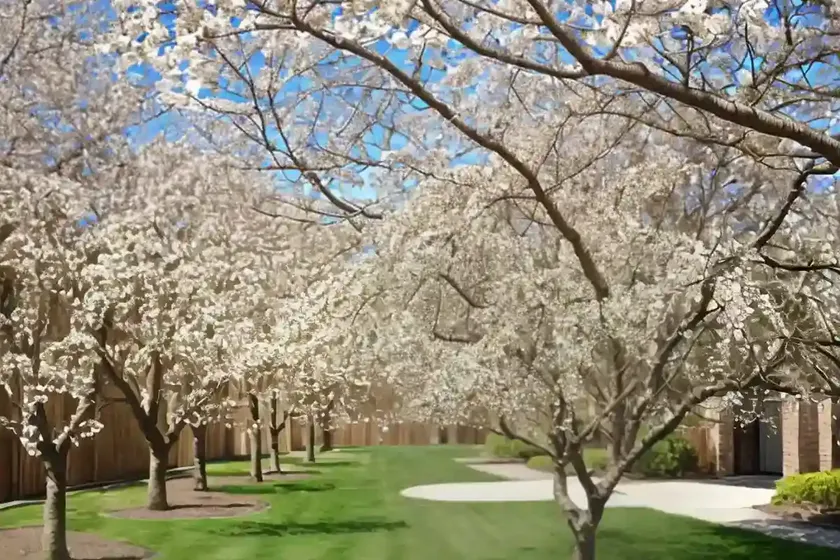
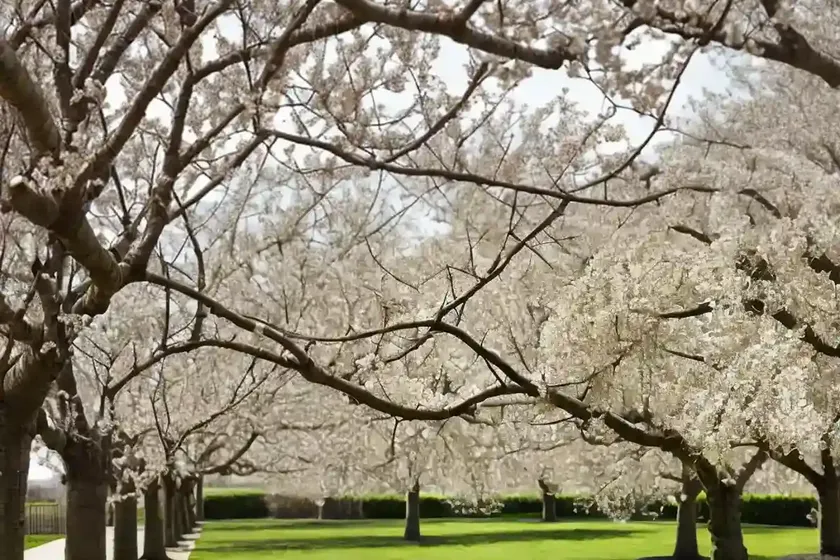
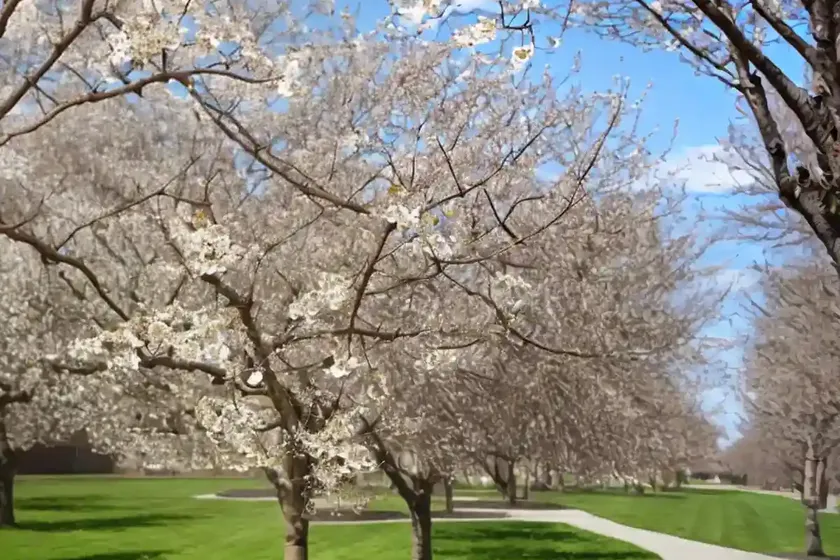
Pyrus calleryana ‘Bradford’, commonly referred to as the Callery Pear, is a deciduous tree that belongs to the Rosaceae family. Originating from China, this tree has gained popularity as an ornamental plant due to its stunning spring blooms, vibrant fall foliage, and overall attractive appearance. The ‘Bradford’ cultivar was introduced in the United States in 1963 and quickly became a popular choice for landscaping and urban environments.
Key Takeaways – Pyrus calleryana ‘Bradford’ (Callery Pear):
As a plant scientist, I understand the value of providing concise and insightful information. Here are some key takeaways about Pyrus calleryana ‘Bradford’ that we’ll explore in detail:
- Culture
- Uses
- Water Requirements
- Sunlight Needs
- Fertilization
- Soil Preferences
- Pruning Techniques
- Propagation Methods
- Popularity and Common Uses
- Common Diseases and Disease Prevention
- Common Pests
- Botanist’s Tips
- Fun Facts
Now, let’s embark on an enlightening journey through the world of Pyrus calleryana ‘Bradford’ and uncover the secrets of this captivating plant.
Culture of Pyrus calleryana ‘Bradford’
Water
One of the fundamental aspects of caring for Pyrus calleryana ‘Bradford’ is ensuring appropriate watering. As with many plants, establishing a balance in water supply is crucial for the tree’s overall health. While the tree does require regular watering, it’s essential to avoid overwatering, which can lead to root rot and other water-related issues. Additionally, adequate moisture is particularly important during the early stages of growth and establishment.
Sunlight
Pyrus calleryana ‘Bradford’ thrives in full sun to partial shade conditions. When selecting a location for planting, it’s advisable to choose an area that receives ample sunlight for optimal growth and blooming. However, the tree is adaptable and can tolerate varying light conditions, making it suitable for a range of environments.
Fertilizer
Proper fertilization is key to supporting the growth and vitality of Pyrus calleryana ‘Bradford’. Applying a balanced fertilizer in the spring can provide essential nutrients that promote healthy foliage, robust blooms, and overall tree vigor. It’s important to follow specific fertilizer guidelines to avoid over-fertilization, which can negatively impact the tree’s well-being.
Soil
The Callery Pear tree thrives in well-draining, loamy soil with a slightly acidic to neutral pH. While the tree demonstrates good adaptability to different soil types, it generally performs best in soil that is rich in organic matter and offers good drainage. Understanding the soil preferences of Pyrus calleryana ‘Bradford’ is essential for creating an environment conducive to its growth and development.
Pruning
Proper pruning plays a significant role in maintaining the health and aesthetic appeal of Pyrus calleryana ‘Bradford’. Regular pruning is beneficial for shaping the tree, removing dead or damaged branches, and promoting strong branch structure. It’s important to employ appropriate pruning techniques and to avoid excessive pruning, particularly during the growing season.
Propagation
The propagation of Pyrus calleryana ‘Bradford’ can be achieved through various methods, including grafting and stem cuttings. Understanding the principles of propagation is valuable for those interested in cultivating new trees or expanding their horticultural knowledge. Proper technique, timing, and environmental conditions are essential considerations for successful propagation.
Popularity and Common Uses
Pyrus calleryana ‘Bradford’ has gained significant popularity as a landscaping tree due to its ornamental features. It is often utilized in urban and residential settings, parks, and along streets for its spring blossoms, fall foliage, and overall visual appeal. The tree’s adaptable nature and relatively low maintenance requirements contribute to its widespread use in diverse landscapes.
Common Diseases and Disease Prevention
Like all plants, Pyrus calleryana ‘Bradford’ is susceptible to certain diseases, including fire blight, powdery mildew, and leaf spots. Implementing preventive measures such as proper sanitation, regular inspections, and appropriate cultural practices can significantly reduce the risk of disease occurrence and promote the tree’s well-being.
Common Pests
Various pests, including aphids, scales, and borers, can pose potential threats to Pyrus calleryana ‘Bradford’. Monitoring for pest activity, implementing integrated pest management strategies, and promptly addressing pest issues are essential components of effective pest control and ensuring the tree’s vitality.
Botanist’s Tips
As a plant scientist, I’ve gathered invaluable insights and tips for caring for Pyrus calleryana ‘Bradford’ based on scientific knowledge and practical experience. These tips encompass best practices for watering, pruning, fertilization, and overall tree maintenance to enhance its health and longevity.
Fun Facts
Discovering the unique and fascinating attributes of Pyrus calleryana ‘Bradford’ adds an element of wonder to the gardening experience. From its spring blooms that attract pollinators to its striking fall coloration, there are many intriguing aspects of this tree that capture the imagination of enthusiasts and nature lovers.
Links to External Resources
To enrich your understanding of Pyrus calleryana ‘Bradford’ and delve further into its cultivation and care, I’ve curated a selection of reputable external resources that provide valuable information, insights, and support for plant enthusiasts and horticulturalists.
By delving into the intricacies of Pyrus calleryana ‘Bradford’ and embracing its remarkable qualities, we can gain a deeper appreciation for the beauty and resilience of this exceptional tree. As a plant scientist, I am dedicated to unravelling the mysteries of the natural world and sharing my knowledge to inspire a greater understanding and admiration for plants such as the Callery Pear.


