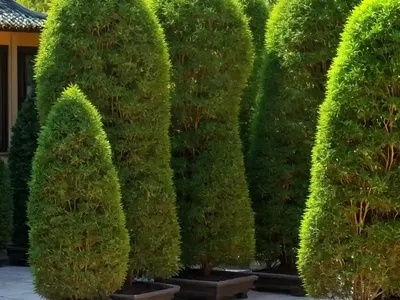
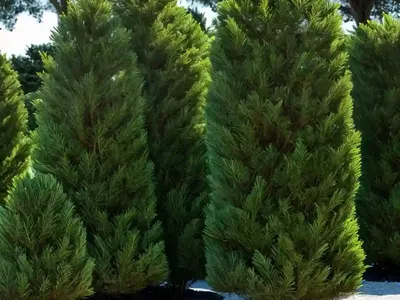
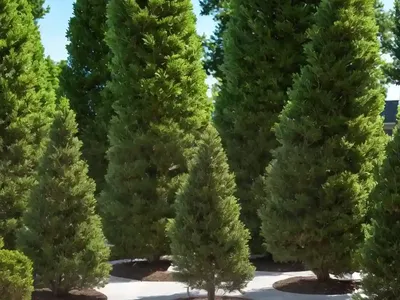
Western Red Cedar (Thuja Plicata ‘Cuprea’)
As a plant scientist, I’m excited to delve into the fascinating world of the western red cedar (Thuja plicata ‘Cuprea’). This ornamental coniferous tree.
Introduction
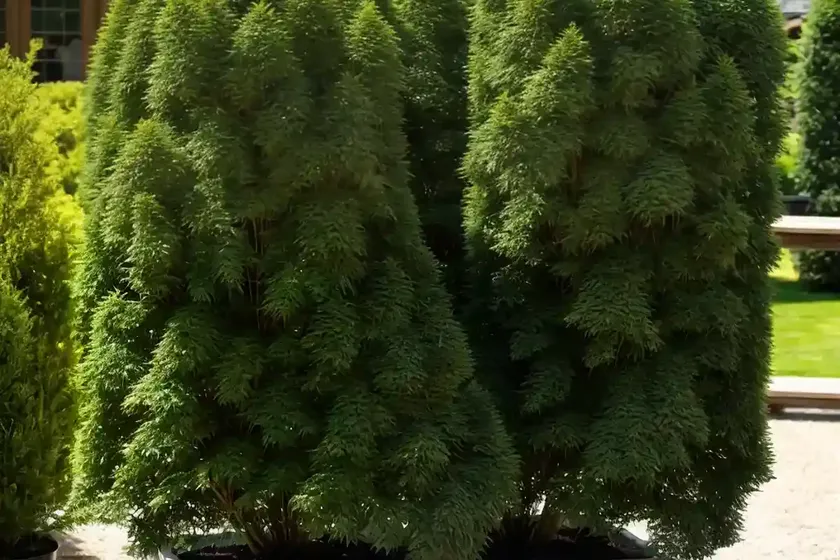
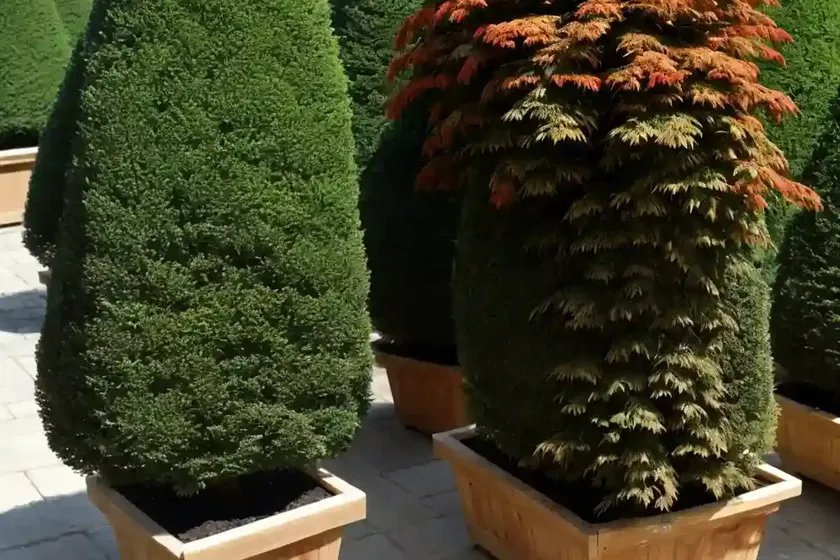
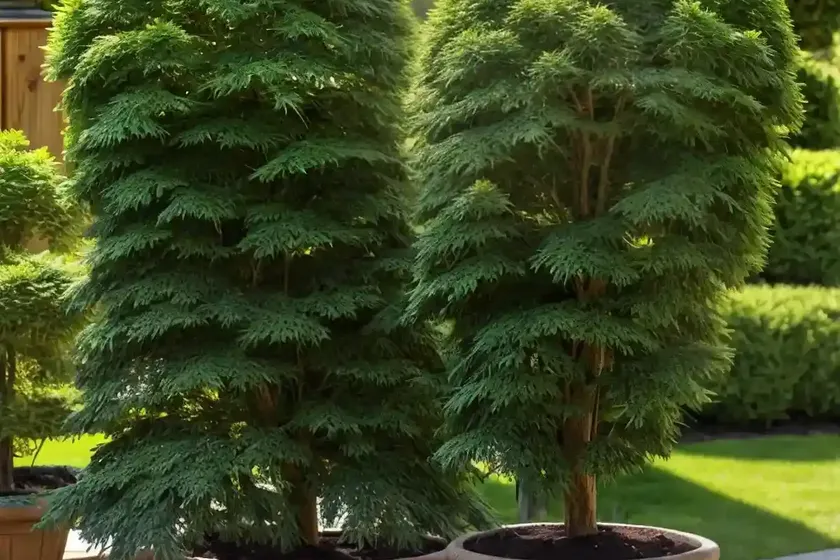
As a plant scientist, I’m excited to delve into the fascinating world of the western red cedar (Thuja plicata ‘Cuprea’). This ornamental coniferous tree belongs to the Cupressaceae family and boasts stunning red foliage, making it a sought-after selection for landscape design and gardening. Throughout this comprehensive guide, we will explore the culture, uses, care tips, and much more related to the majestic Thuja plicata ‘Cuprea’.
What is Western Red Cedar (Thuja plicata ‘Cuprea’)?
The western red cedar, scientifically known as Thuja plicata, is a species of Thuja native to the western North American region, particularly the Pacific Northwest. It is a large evergreen coniferous tree, revered for its remarkable ornamental qualities, including the distinct red foliage exhibited by the ‘Cuprea’ variety. With its striking appearance and exceptional attributes, it is a significant player in the realm of landscaping and garden design.
Key Takeaways – Western Red Cedar (Thuja plicata ‘Cuprea’)
Before we proceed, let’s take a quick glance at some key takeaways about the western red cedar, specifically the ‘Cuprea’ variety:
- Scientific Name: Thuja plicata ‘Cuprea’
- Family: Cupressaceae
- Native Range: Western North America, particularly the Pacific Northwest
- Foliage Color: Striking reddish hue
- Growth Habit: Evergreen tree with a pyramidal to conical shape
- Uses: Ornamental landscaping, privacy hedges, container gardening
Now that we have an overview of the Thuja plicata ‘Cuprea’, let’s delve deeper into various aspects related to its culture, uses, care, and more.
Culture
Understanding the cultural requirements of the western red cedar, particularly the ‘Cuprea’ variety, is crucial for ensuring its optimal growth and overall health. Let’s explore the key cultural factors associated with this captivating conifer.
Water
Thuja plicata ‘Cuprea’ thrives in well-drained soil and benefits from regular watering, especially during its establishment phase. However, it is important to avoid waterlogged conditions, as excessive moisture can lead to root rot and other detrimental issues. Once the tree is well-established, it exhibits a good level of drought tolerance, making it suitable for various landscapes.
Sunlight
Being an evergreen conifer, Thuja plicata ‘Cuprea’ thrives in full to partial sunlight. Providing it with adequate sunlight ensures proper photosynthesis, which is essential for maintaining its vibrant red foliage and overall vigor. In regions with intense heat, some afternoon shade can be beneficial to prevent stress on the tree.
Fertilizer
When it comes to fertilization, the ‘Cuprea’ variety benefits from a balanced, slow-release fertilizer applied in spring. This helps to provide essential nutrients for robust growth and vibrant foliage. It is important to follow the recommended application rates and avoid over-fertilization, which can have adverse effects on the tree’s health.
Soil
The western red cedar, especially the ‘Cuprea’ variety, prefers well-drained soil with a slightly acidic to neutral pH. It is essential to ensure good soil aeration to promote healthy root development. Amending the soil with organic matter can further enhance its overall quality, offering an ideal growing medium for the tree.
Pruning
Pruning plays a significant role in shaping the growth and appearance of Thuja plicata ‘Cuprea’. Regular pruning helps maintain its desired form and can also address any dead or damaged branches. It is recommended to prune the tree during the dormant season to minimize stress and ensure rapid healing of the pruned areas.
Propagation
Propagation of Thuja plicata ‘Cuprea’ can be achieved through various methods, including seed propagation and vegetative propagation techniques such as softwood cuttings. Each method has its own set of requirements and considerations, and the chosen approach depends on the specific goals and circumstances of the propagation endeavor.
Container Popularity
The ‘Cuprea’ variety of western red cedar is well-suited for container gardening, offering a captivating display of its striking red foliage. Its compact size and ornamental appeal make it a popular choice for adding visual interest to patios, decks, and smaller landscapes, where it can thrive in appropriately sized containers with proper care and maintenance.
With a focus on the cultural aspects of Thuja plicata ‘Cuprea’, we have gained valuable insights into the fundamental requirements for cultivating and nurturing this stunning tree. Now, let’s explore the diverse uses and applications of the ‘Cuprea’ variety in the realm of landscaping and garden design.
Uses
The western red cedar, particularly the ‘Cuprea’ variety, offers a multitude of uses, ranging from ornamental landscaping to functional applications such as privacy hedges. Its striking red foliage and elegant form make it a versatile choice for various landscape settings. Let’s delve into the diverse uses of this remarkable tree.
Ornamental Landscaping
Thuja plicata ‘Cuprea’ serves as a captivating focal point in ornamental landscapes, adding a touch of vibrant color and texture. Whether planted as a standalone specimen or incorporated into mixed plantings, its striking red foliage creates visual interest and enhances the overall aesthetic appeal of the landscape.
Privacy Hedges
With its dense foliage and upright growth habit, the ‘Cuprea’ variety is well-suited for creating privacy hedges and windbreaks. Planted in a row and allowed to reach its full height, it forms a formidable barrier while bringing a distinctive touch of elegance to outdoor spaces.
Container Gardening
The compact nature of the ‘Cuprea’ variety makes it an excellent choice for container gardening. It thrives in appropriately sized containers, adding a splash of color and evergreen beauty to patios, balconies, and other confined outdoor areas.
Landscape Design Element
Thuja plicata ‘Cuprea’ can be integrated into various landscape design styles, ranging from formal gardens to naturalistic settings. Its adaptable nature and striking appearance make it a valuable asset for designers seeking to create captivating outdoor environments.
By exploring the diverse uses of Thuja plicata ‘Cuprea’, we appreciate the significant role it plays in enhancing landscapes and contributing to the visual appeal of outdoor spaces. Now, let’s delve into the fascinating world of diagnosing and addressing common diseases that may affect the ‘Cuprea’ variety, ensuring its continued health and vitality.
Common Diseases
As with any plant species, the western red cedar, including the ‘Cuprea’ variety, is susceptible to certain diseases that can impact its growth and overall well-being. It is essential to be aware of these potential issues and take proactive measures to mitigate their effects. Let’s explore some common diseases that can affect Thuja plicata ‘Cuprea and strategies for their diagnosis and management.
Cedar Rust
Cedar rust, caused by various fungal pathogens, can lead to unsightly symptoms such as orange spots on the foliage and premature defoliation. Implementing proper cultural practices and, if necessary, targeted fungicidal treatments can help manage this disease and reduce its impact on the tree.
Canker Diseases
Several canker diseases, caused by fungal pathogens, can affect the branches and trunks of Thuja plicata ‘Cuprea’, leading to dieback and weakening of the tree. Pruning out affected branches and promoting overall tree vigor through proper care can help minimize the risk of canker diseases.
Needle Blight
Needle blight diseases, characterized by the browning and shedding of needles, can affect the visual appeal and health of the ‘Cuprea’ variety. Proper sanitation, including the removal of fallen needles, and promoting good air circulation can assist in reducing the incidence of needle blight diseases.
Root Rot
Excessive moisture and poorly drained soil can predispose Thuja plicata ‘Cuprea’ to root rot, a serious condition that can lead to decline and eventual death of the tree. Ensuring adequate soil drainage and avoiding overwatering are key strategies for preventing root rot in this elegant conifer.
By understanding the common diseases that can impact Thuja plicata ‘Cuprea’, we equip ourselves with the knowledge to detect and address these issues, thereby safeguarding the health and vitality of these remarkable trees. Now, let’s turn our attention to the potential pests that may pose a threat to the ‘Cuprea’ variety and explore effective pest management strategies.
Common Pests
In addition to diseases, Thuja plicata ‘Cuprea’ may encounter various pests that can adversely affect its growth and appearance. Identifying these pests and implementing appropriate pest management measures is essential for preserving the overall health and beauty of these distinguished trees. Let’s delve into some common pests that may target the ‘Cuprea’ variety and strategies for addressing infestations.
Scale Insects
Scale insects, known for their characteristic shell-like coverings, can infest the foliage and twigs of Thuja plicata ‘Cuprea. Implementing horticultural oils or insecticidal soaps during the appropriate times can help control scale insect populations and prevent their detrimental impact on the tree.
Spider Mites
Spider mites, tiny arachnids that feed on plant sap, can cause stippling and discoloration of the foliage, affecting the aesthetic appeal of the ‘Cuprea’ variety. Regular monitoring and, if necessary, targeted miticidal treatments can help manage spider mite infestations and minimize their damage.
Bagworms
Bagworms, characterized by their distinctive spindle-shaped protective coverings, can devour the foliage of Thuja plicata ‘Cuprea’, leading to defoliation and weakening of the tree. Physical removal of bagworms and their protective bags, along with the use of appropriate insecticides when necessary, can help control infestations.
Cypress Tip Moth
The cypress tip moth, whose larvae feed on the new growth of cypress and other conifers, can cause damage to the tips of ‘Cuprea’ variety, affecting its overall appearance and growth. Implementing targeted insecticidal treatments during the appropriate life stages of the moth can assist in managing infestations.
Adelgids
Adelgids, small sap-feeding insects related to aphids, can infest the foliage and twigs of Thuja plicata ‘Cuprea’, leading to deformities and stress on the tree. Implementing appropriate insecticidal treatments can help control adelgid infestations and prevent their detrimental impact on the tree.
By being vigilant and proactive in addressing potential pest issues, we can help safeguard the well-being and aesthetic appeal of the ‘Cuprea’ variety, ensuring that it thrives and flourishes in diverse landscape settings. Now, let’s shift our focus to some fascinating tips and fun facts shared by botanists and enthusiasts, offering valuable insights and intriguing details about Thuja plicata ‘Cuprea’.
Botanist’s Tips
Botanists and plant enthusiasts often share valuable tips and guidance based on their experiences and expertise, offering practical insights into the care and cultivation of Thuja plicata ‘Cuprea’. Let’s explore some noteworthy tips that can help enhance the success of growing and maintaining this captivating coniferous tree.
- Tip 1: Regular monitoring of moisture levels in the soil is crucial, as both overwatering and underwatering can affect the health and vigor of the ‘Cuprea’ variety.
- Tip 2: When planting Thuja plicata ‘Cuprea’ in a landscape, considering its mature size and growth habit is essential for ensuring adequate spacing and optimal visual impact.
- Tip 3: Implementing organic mulching around the base of the tree can help conserve soil moisture, suppress weed growth, and provide valuable nutrients as the mulch decomposes.
- Tip 4: Pruning the ‘Cuprea’ variety with sharp, clean tools and making precise cuts promotes rapid healing and reduces the risk of disease entry points.
- Tip 5: Observing and appreciating the seasonal color changes in the foliage of Thuja plicata ‘Cuprea’ adds a dynamic element to the landscape, offering year-round visual interest.
Fun Facts
Delving into fun facts about Thuja plicata ‘Cuprea’ adds a layer of intrigue and fascination to our exploration of this remarkable tree. Let’s uncover some captivating tidbits that showcase the unique characteristics and allure of the ‘Cuprea’ variety.
- Did you know? The ‘Cuprea’ variety of western red cedar is prized for its exceptional red foliage, adding a bold and captivating element to garden landscapes.
- Did you know? Thuja plicata ‘Cuprea’ is known for its resilience and adaptability, thriving in diverse climatic conditions and soil types.
- Did you know? The elegant form and striking coloration of the ‘Cuprea’ variety make it a sought-after choice for adding visual interest to both formal and informal garden settings.
By immersing ourselves in the valuable tips and intriguing facts surrounding Thuja plicata ‘Cuprea’, we gain a deeper appreciation for its allure and the nuanced care it requires for optimal growth and vitality. Now, let’s explore some external resources that provide additional insights and guidance on the ‘Cuprea’ variety and its cultivation.
Links to External Resources
To further enhance our understanding and knowledge of Thuja plicata ‘Cuprea’ and its care, here are some valuable external resources that offer in-depth information, guidance, and visual inspiration:
- The American Conifer Society: A reputable resource offering comprehensive information on coniferous trees, including valuable insights into different species, cultivars, and care tips.
- The Royal Horticultural Society (RHS): The RHS provides a wealth of knowledge on ornamental trees and shrubs, including detailed guidance on cultivation, pruning, and pest management.
- University Extension Resources: Many university extension programs provide research-based information on landscape plants, offering practical advice on planting, maintenance, and troubleshooting.
Exploring these external resources can further enrich our understanding of Thuja plicata ‘Cuprea’ and offer diverse perspectives on its cultivation and diverse applications in landscaping and gardening.
Conclusion
In conclusion, Thuja plicata ‘Cuprea’ stands as a captivating and versatile tree, showcasing striking red foliage and exceptional ornamental appeal. Through our exploration of its culture, uses, care tips, and more, we have gained valuable insights into the fundamental aspects of cultivating and appreciating this remarkable conifer. By recognizing its cultural requirements, understanding its diverse uses, and being equipped to address potential challenges, we are better prepared to integrate the ‘Cuprea’ variety into diverse landscape settings and relish its enduring beauty.
As a plant scientist deeply passionate about ornamental trees and their significance in horticulture and landscape design, I believe that the western red cedar, particularly the ‘Cuprea’ variety, represents a true gem in the world of coniferous trees, adding color, texture, and enduring elegance to outdoor environments. I hope this comprehensive guide has provided valuable knowledge and inspiration for enthusiasts, gardeners, and landscape professionals alike, encouraging a deeper appreciation for the exceptional qualities of Thuja plicata ‘Cuprea’ and its contribution to the rich tapestry of plant life.