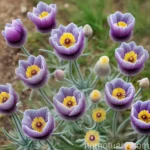
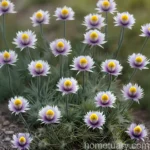
Pulsatilla vulgaris ‘Rote Glocke’ RED CLOCK (Red Pasque Flower)
Pulsatilla vulgaris ‘Rote Glocke’, commonly known as Red Pasque Flower, is a stunning herbaceous perennial that belongs to the Ranunculaceae family. This beautiful and unique plant is native to Europe, where it thrives in rocky and sandy grasslands, preferring calcareous soils. The Red Pasque Flower is cherished for its vibrant, deep red blossoms and feathery foliage, making it a popular choice for gardeners who appreciate its striking appearance and low maintenance requirements. In this comprehensive guide, we will delve into the culture, uses, care requirements, pest control, and propagation of Pulsatilla vulgaris ‘Rote Glocke’, providing valuable insights into the world of this captivating plant.
Key Takeaways – Pulsatilla vulgaris ‘Rote Glocke’ RED CLOCK (Red Pasque Flower)
Before we dive into the specifics, let’s summarize the key takeaways of Pulsatilla vulgaris ‘Rote Glocke’:
- Botanical Name: Pulsatilla vulgaris ‘Rote Glocke’
- Common Name: Red Pasque Flower
- Family: Ranunculaceae
- Growth Habit: Herbaceous perennial
- Flower Color: Deep red
- Foliage: Feathery, finely dissected
- Native Habitat: Europe
- Preferred Soil Type: Calcareous, well-draining
- Sunlight: Full sun to partial shade
- Watering Needs: Moderate
- Special Features: Attracts pollinators, deer resistant
With these key points in mind, let’s explore the fascinating world of Pulsatilla vulgaris ‘Rote Glocke’ in greater detail.
Culture
Uses
Pulsatilla vulgaris ‘Rote Glocke’ is primarily cultivated for its ornamental value. The stunning, deep red flowers and finely dissected foliage make it an eye-catching addition to rock gardens, perennial borders, and naturalistic planting schemes. Moreover, its ability to attract pollinators adds ecological value to gardens, contributing to the overall biodiversity of the landscape.
Water
Proper watering is crucial for the health and vigor of Pulsatilla vulgaris ‘Rote Glocke’. While these plants do not tolerate waterlogged conditions, they also don’t thrive in overly dry soil. Therefore, maintaining a moderate level of moisture is essential, especially during the plant’s active growing season and flowering period. A well-draining soil that prevents water stagnation is recommended to prevent root rot and other moisture-related issues.
Sunlight
Red Pasque Flower plants prefer full sun to partial shade. Providing ample sunlight ensures the development of vibrant flowers and healthy foliage. In hotter climates, providing some afternoon shade can help protect the plants from scorching during the peak of summer.
Fertilizer
Pulsatilla vulgaris ‘Rote Glocke’ generally does not require high levels of fertilization. In fact, excessive fertilization can lead to lush growth that may compromise the plant’s natural form. However, a light application of a balanced, slow-release fertilizer in early spring can promote healthy growth and flowering. Always follow the manufacturer’s recommendations and apply the fertilizer sparingly to prevent overfeeding.
Soil
The Red Pasque Flower thrives in well-drained, calcareous soils that are slightly alkaline. While these plants can adapt to a range of soil types, they perform best in habitats that mirror their native environment. Incorporating organic matter into the soil before planting can improve its structure and enhance moisture retention, promoting optimal growing conditions for Pulsatilla vulgaris ‘Rote Glocke’.
Pruning
Pruning requirements for Pulsatilla vulgaris ‘Rote Glocke’ are minimal. Deadheading the spent flowers can encourage prolonged blooming and prevent self-seeding in the garden. However, it’s essential to allow some seed heads to mature if you wish to propagate the plant through natural self-seeding. Additionally, removing any damaged or diseased foliage can help maintain the plant’s overall health and appearance.
Propagation
Division
Pulsatilla vulgaris ‘Rote Glocke’ can be propagated through division, especially during the plant’s dormant period in early spring or early autumn. Carefully lift the plant and gently tease apart the root clumps, ensuring that each division has sufficient roots and shoots. Replant the divisions in prepared soil and water them thoroughly to encourage establishment.
Seed Propagation
Growing Red Pasque Flower plants from seeds is another viable propagation method. Collect the ripe seed heads in late spring or early summer and store them in a cool, dry place until fall. Sow the seeds directly into well-prepared soil in the garden or in containers. Keep the soil consistently moist, and the seeds should germinate within a few weeks.
Container Popularity
Pulsatilla vulgaris ‘Rote Glocke’ is also well-suited for container gardening. Its compact size and striking blooms make it an excellent choice for adding interest to patios, balconies, and small outdoor spaces. When cultivating Red Pasque Flower in containers, ensure that the potting mix is well-draining, and select a container that allows for adequate root growth. Regular watering and occasional fertilization can help maintain the plant’s health and vitality in a containerized environment.
Common Diseases
Disease Diagnosis
Red Pasque Flower plants are generally resistant to most diseases when provided with adequate growing conditions. However, excessively wet soil can lead to root rot and other fungal issues, especially in poorly draining environments. Watch for signs of wilting, yellowing foliage, or stunted growth, which can indicate underlying problems. Additionally, maintaining good airflow around the plants can help prevent foliar diseases, such as powdery mildew, from taking hold.
Common Pests
Pulsatilla vulgaris ‘Rote Glocke’ is relatively resistant to pests, with deer being one of the few potential nuisances for this plant. However, in some instances, aphids and slugs may pose a threat to the foliage and flowers. Regular monitoring of the plants and the use of appropriate pest control measures, such as physical barriers or organic deterrents, can help manage pest infestations without resorting to chemical interventions.
Botanist’s Tips
- Adequate Drainage: Ensuring well-drained soil is vital for the long-term health of Red Pasque Flower plants. Incorporate perlite or coarse sand into the soil mixture to improve drainage.
- Stimulating Naturalization: Allowing a portion of the flower heads to mature and disperse their seeds can lead to naturalized colonies of Pulsatilla vulgaris ‘Rote Glocke’, creating a stunning display over time.
- Protecting from Frost: In regions where frost is common, applying a layer of mulch around the base of the plant in late autumn can help insulate it from extreme cold and prevent frost heaving.
Fun Facts
- Traditionally, the Red Pasque Flower is associated with folklore and has been revered for its symbolic meanings, including protection, new beginnings, and the arrival of spring.
- The feathery silver-grey seed heads of Pulsatilla vulgaris are an exquisite feature that adds ornamental value to the plant even after the flowers have faded.
- Red Pasque Flower plants are often visited by early pollinators such as bees and butterflies, contributing to the vital role they play in supporting local ecosystems.
Now that we have explored the cultural aspects of Pulsatilla vulgaris ‘Rote Glocke’, let’s delve into additional resources and information to further enrich our understanding of this remarkable plant.
Links to External Resources
- Royal Horticultural Society – Pulsatilla vulgaris
- Missouri Botanical Garden – Red Pasque Flower
- University of Wisconsin Garden Facts – Pulsatilla vulgaris ‘Rote Glocke’
- American Society for the Prevention of Cruelty to Pulsatilla vulgaris – Red Pasque Flower Care Guide
In conclusion, Pulsatilla vulgaris ‘Rote Glocke’ is a captivating perennial that captivates with its vibrant blooms, feathery foliage, and enchanting symbolism. Its straightforward culture, ecological benefits, and resilience make it an appealing choice for various garden settings, from naturalistic landscapes to container gardens. Whether admired for its ornamental value, ecological contributions, or folklore significance, the Red Pasque Flower continues to capture the hearts and minds of plant enthusiasts worldwide. Through this comprehensive guide, we hope to inspire a deeper appreciation for this remarkable plant and provide valuable insights for its successful cultivation and enjoyment in diverse gardening contexts.