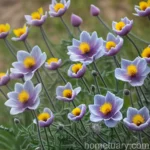
Pulsatilla vulgaris (Pasque Flower): A Complete Guide
Pulsatilla vulgaris, also known as Pasque flower, is a stunning plant with a rich cultural and historical significance. In this comprehensive guide, we will dive into the various aspects of this captivating plant – from its description and care tips to its landscape design and traditional uses. Whether you are a gardening enthusiast, a nature lover, or simply intrigued by the beauty of Pasque flower, this guide will provide you with valuable insights and practical information to cultivate, appreciate, and enjoy this remarkable plant.
What is Pulsatilla vulgaris (Pasque Flower)?
Pulsatilla vulgaris, commonly referred to as Pasque flower, is a perennial herbaceous plant belonging to the family Ranunculaceae. This exquisite flower is native to various regions in Europe, including the United Kingdom, France, and Eastern Europe. It is renowned for its vibrant blossoms, which emerge in early spring, adorning the landscape with a burst of color and vitality.
The pasque flower is deeply rooted in folklore and has been revered for centuries due to its symbolic associations and traditional uses. Its botanical name “Pulsatilla,” derived from the Latin word “pulsare,” means “to sway” or “to shake,” alluding to the trembling movement of its delicate, bell-shaped flowers in the breeze. This captivating plant has also been celebrated for its medicinal properties and ornamental value, making it a cherished addition to gardens, landscapes, and natural habitats.
Key Takeaways – Pulsatilla vulgaris (Pasque Flower)
Before delving into the specific aspects of Pasque flower culture and care, let us explore the key takeaways pertaining to the remarkable Pulsatilla vulgaris:
- Botanical Name: Pulsatilla vulgaris
- Common Name: Pasque Flower
- Family: Ranunculaceae
- Native Range: Europe, including the United Kingdom, France, and Eastern Europe
- Bloom Time: Early spring
- Habitat: Dry, calcareous grasslands, and open woodlands
- Conservation Status: Some varieties may be endangered due to habitat loss and over-collection
- Symbolism: Associated with rebirth, protection, and new beginnings
- Medicinal Uses: Historically used to treat various ailments
- Ornamental Value: Highly prized for its striking flowers and unique foliage
- Cultural Significance: Embedded in folklore and traditional customs
Now that we have acquainted ourselves with the fundamental aspects of Pulsatilla vulgaris, let us explore the detailed care and cultivation practices to ensure the thriving growth of this captivating plant.
Culture
Cultivating Pulsatilla vulgaris requires a comprehensive understanding of its specific cultural needs. From soil preferences to seasonal care, providing the optimal growing conditions is essential for the health and vitality of Pasque flower. Let’s delve into the essential cultural aspects of Pulsatilla vulgaris:
Uses
Pulsatilla vulgaris is revered for both its aesthetic and utilitarian attributes. Understanding its diverse uses can provide valuable insights into its cultural significance and practical applications.
Garden Ornamental:
- Landscape Design: Pasque flower adds a vibrant burst of color to garden beds, rock gardens, and naturalistic landscapes. Its early bloom time makes it a coveted addition for spring displays.
- Ornamental Value: The striking, bell-shaped flowers and finely dissected foliage of Pulsatilla vulgaris contribute to its ornamental appeal, making it a desirable choice for gardeners and landscape designers.
Medicinal Purposes:
- Traditional Medicine: Historically, various parts of the Pasque flower plant have been utilized for their medicinal properties, particularly in herbal remedies for ailments such as coughs and respiratory issues.
- Ethnobotanical Significance: Pasque flower holds cultural importance in traditional medicine practices, reflecting its historical relevance in herbal healing systems.
Water
Proper watering is essential for the health and vigor of Pulsatilla vulgaris, especially during its active growth periods and flowering stage. Balancing moisture levels effectively contributes to the plant’s overall well-being.
- Water Needs: Pasque flower prefers moderate moisture levels, especially during its active growing season. It is crucial to avoid waterlogged conditions, as excessive moisture can lead to root rot and other detrimental issues.
- Seasonal Considerations: Adjust watering frequency based on seasonal fluctuations, ensuring adequate moisture during the growing season and reducing watering during dormancy.
Sunlight
Optimal sunlight exposure plays a pivotal role in the growth and blooming potential of Pulsatilla vulgaris. Understanding its sunlight requirements is crucial for selecting the ideal planting locations and ensuring robust development.
- Sun Exposure: Pasque flower thrives in full to partial sunlight, with a preference for well-drained, sunny locations. Adequate sunlight promotes vigorous growth and profuse flowering, enhancing its aesthetic allure.
Fertilizer
Providing appropriate nourishment through fertilization supports the nutrient requirements of Pulsatilla vulgaris, fostering healthy foliage and prolific blooming.
- Fertilization Practices: Utilize a balanced, low-nitrogen fertilizer in early spring, applying it sparingly to avoid excessive growth at the expense of blooms. Organic and slow-release fertilizers can provide sustained nutrition without overwhelming the plant.
Soil
The soil composition significantly influences the overall health and longevity of Pulsatilla vulgaris. Understanding its soil preferences and implementing suitable amendments are essential for successful cultivation.
- Soil Type: Pasque flower thrives in well-drained, slightly alkaline to neutral soil with a loamy or sandy texture. Good drainage is paramount to prevent waterlogging and mitigate the risk of root rot.
- pH Considerations: Aim for a soil pH range of 6.5 to 7.5, providing the ideal acidic to neutral conditions for robust growth and vibrant blooms.
Pruning
Pruning plays a vital role in maintaining the compact form and enhancing the flowering potential of Pulsatilla vulgaris. Proper pruning practices contribute to the plant’s overall vitality and visual appeal.
- Pruning Techniques: After blooming, consider light pruning to remove spent flowers and encourage new growth. Avoid extensive pruning during the active growing season to prevent stress and potential damage to the plant.
Propagation
Exploring the propagation methods of Pulsatilla vulgaris offers valuable insights into expanding plant populations and nurturing new generations of these captivating flowers.
- Propagation Techniques: Pasque flower can be propagated through seeds and division. Carefully collect and sow seeds in the appropriate season, or divide mature clumps to establish new plantings and enhance naturalization.
Container Popularity
Pulsatilla vulgaris exhibits container-friendly characteristics, making it an appealing choice for container gardening enthusiasts and those with limited outdoor space.
- Container Considerations: Select well-draining containers to accommodate the specific soil and moisture requirements of Pasque flower. Place containers in sunny locations to optimize growth and flowering potential.
Now that we have explored the essential cultural aspects of Pulsatilla vulgaris, let’s delve into its popularity, unique attributes, and potential challenges in cultivation.
Popularity
The increasing popularity of Pulsatilla vulgaris can be attributed to its captivating flowers, cultural significance, and adaptable nature. Its ornamental allure and historical relevance have contributed to its wide recognition among gardening enthusiasts and nature aficionados. Understanding the factors influencing its popularity sheds light on its enduring appeal and relevance in contemporary horticulture.
Common Diseases
Despite its resilience, Pulsatilla vulgaris is susceptible to certain diseases and afflictions that can impact its overall health and vigor. Recognizing common diseases and implementing proactive management strategies are essential for preserving the vitality and beauty of Pasque flower.
Disease Diagnosis
- Botrytis Blight: Fungal infections, such as Botrytis blight, can affect Pulsatilla vulgaris, leading to the development of rot and decay on the foliage and flowers. Timely identification and intervention are crucial to mitigate the impact of fungal diseases.
Common Pests
Pest infestations can pose significant challenges to the well-being of Pulsatilla vulgaris, necessitating vigilant monitoring and appropriate control measures to safeguard the plant from detrimental effects.
- Aphids: These sap-sucking insects can target the tender foliage and shoots of Pasque flower, leading to stunted growth and distortion of plant tissues. Implementing natural predators and horticultural oils can help manage aphid populations effectively.
Botanist’s Tips
Expert insights and botanist-recommended practices provide valuable guidance for cultivating and appreciating Pulsatilla vulgaris, drawing upon the wealth of knowledge and experience in botanical science and horticulture.
Fun Facts
- Did you know that the name “Pasque” is derived from the word “Paschal,” signifying Easter? In various cultures, Pasque flower blooms coincide with the Easter season, contributing to its symbolic association with renewal and rebirth.
Now that we have explored the prevailing popularity and potential challenges associated with Pulsatilla vulgaris cultivation, let us uncover additional facets of this captivating plant, including its biodiversity, traditional uses, and evolutionary adaptations.
Fun Facts, Traditional Uses, and Biodiversity
Uncovering the intriguing aspects of Pulsatilla vulgaris allows for a deeper appreciation of its cultural significance, ecological role, and botanical uniqueness. From folklore to evolutionary adaptations, exploring the multifaceted nature of Pasque flower provides valuable insights into its rich heritage and ecological relevance.
Links to External Resources
Enrich your understanding of Pulsatilla vulgaris and explore additional resources through the following links:
– Royal Horticultural Society – Pulsatilla vulgaris
– The National Gardening Association – Pasque Flower Cultivation Guide
– University of Wisconsin-Madison Extension – Growing Pasque Flowers
– American Society for the Prevention of Cruelty to Plants – Ethnobotanical Importance of Pulsatilla vulgaris
In conclusion, Pulsatilla vulgaris, or Pasque flower, embodies a captivating blend of ornamental allure, cultural significance, and ecological importance. By delving into its diverse facets, from folklore and traditions to horticultural practices and ecological adaptations, we gain a comprehensive understanding of this extraordinary plant. Whether adorning gardens with its vibrant blossoms or inspiring awe through its symbolism and historical uses, Pulsatilla vulgaris continues to captivate and enrich our botanical landscapes and cultural heritage.
As we conclude this comprehensive guide, I encourage you to explore the enchanting world of Pulsatilla vulgaris, embracing its beauty, cultural significance, and ecological relevance. Whether you are a gardening enthusiast, a nature lover, or a student of botanical science, the allure of Pasque flower is sure to leave an indelible impression, fostering a deeper connection to the natural world and the rich tapestry of botanical wonders.
Remember, as you cultivate and appreciate Pulsatilla vulgaris, you become part of its enduring story, perpetuating its legacy and celebrating its timeless charm. From the vibrant spring blooms to the storied traditions and ecological adaptations, Pasque flower invites us to embrace the beauty and wonder of the natural world, nurturing an enduring sense of awe and reverence for our botanical companions.
Join me in celebrating the extraordinary Pulsatilla vulgaris, an ambassador of the past, a beacon of hope for the future, and a testament to the enduring allure of nature’s boundless creativity and resilience.