Prunus ‘Toka’ (Hybrid Plum)
Prunus ‘Toka’, also known as the Hybrid Plum ‘Toka’, is a unique and appealing fruit-bearing tree that belongs to the Prunus genus. This hybrid variety is.
What is Prunus ‘Toka’ (Hybrid Plum)?
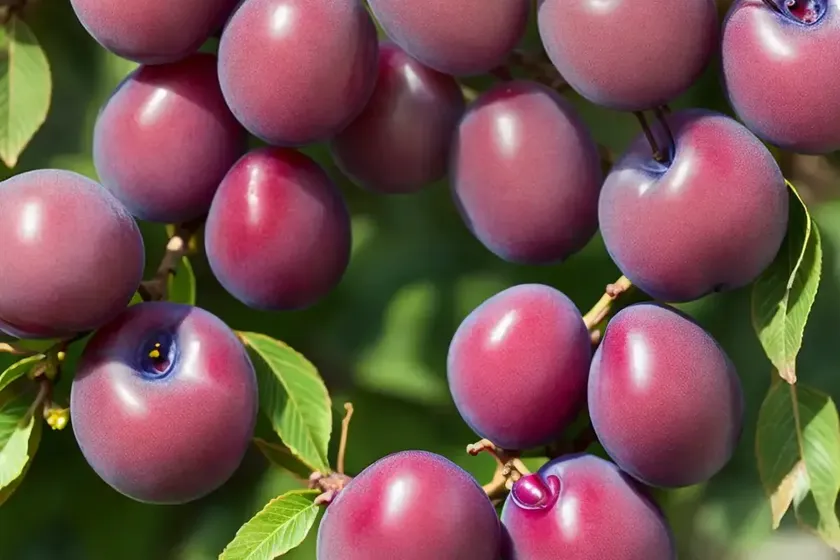
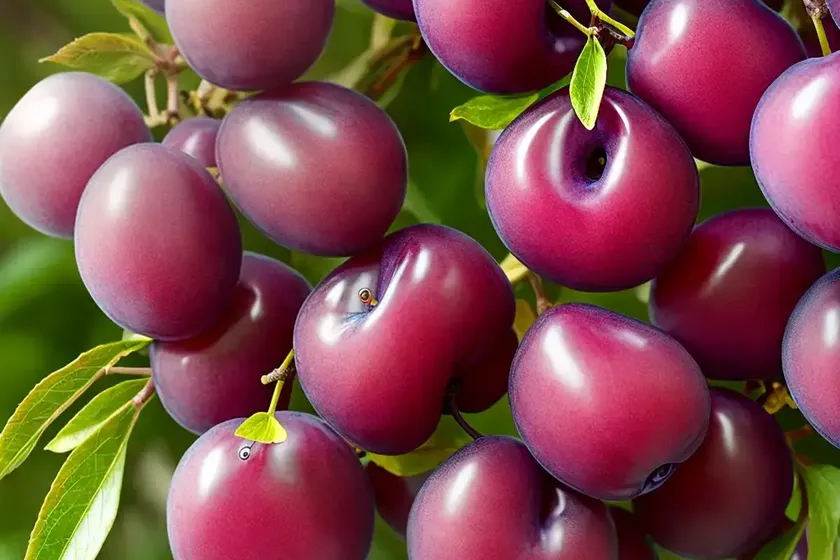
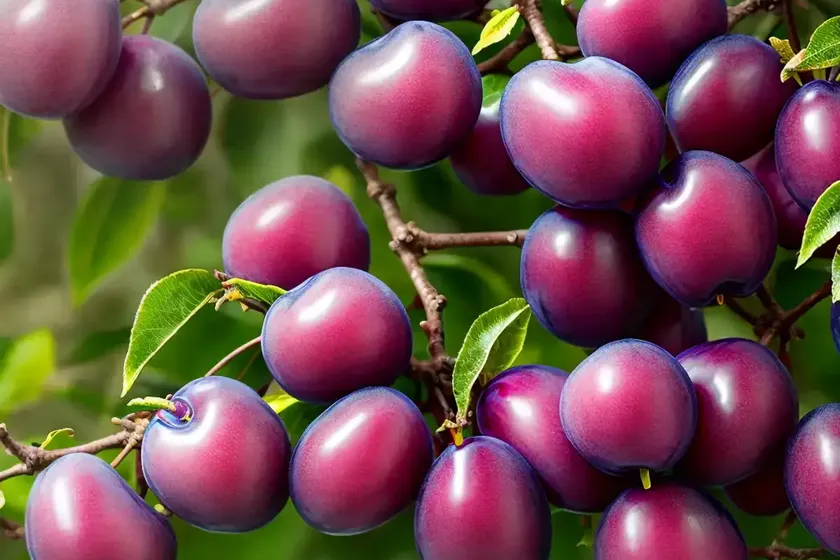
Prunus ‘Toka’, also known as the Hybrid Plum ‘Toka’, is a unique and appealing fruit-bearing tree that belongs to the Prunus genus. This hybrid variety is the result of crossing Prunus salicina, a Japanese plum, with Prunus americana, a species native to North America. The ‘Toka’ plum is celebrated for its exceptional fruit quality and remarkable hardiness, making it a sought-after choice for home gardeners and professional orchardists alike.
Key Takeaways – Prunus ‘Toka’ (Hybrid Plum)
In this comprehensive guide, we will explore the diverse aspects of the Prunus ‘Toka’ (Hybrid Plum), covering its characteristics, cultivation tips, care guide, planting instructions, disease resistance, fruiting season, soil requirements, growth habits, pest control methods, landscape uses, and much more. Whether you’re a seasoned horticulturist or an enthusiastic beginner, this detailed resource will equip you with the knowledge to successfully cultivate and enjoy the Hybrid Plum ‘Toka’ in your own garden or orchard.
Prunus ‘Toka’ Characteristics
The Prunus ‘Toka’ plum possesses a wide array of characteristics that make it a standout choice for fruit cultivation. Understanding these key features is essential for anyone aiming to grow and nurture this remarkable hybrid plum variety. Here are some of the prominent characteristics of Prunus ‘Toka’:
- Plant Type: Deciduous fruit-bearing tree
- Mature Height: 10-15 feet
- Mature Spread: 10-15 feet
- Foliage: Green, glossy, and ovate
- Flowers: Showy, fragrant, and pink-white in color
- Fruit: Medium to large-sized, red-orange skin with golden flesh, juicy, sweet, and flavorful
- Hardiness Zones: 3-7
- Pollination: Self-fertile, but benefits from cross-pollination with other plum varieties
The unique blend of traits exhibited by Prunus ‘Toka’ makes it an attractive addition to orchards, home gardens, and landscapes, offering both aesthetic and culinary benefits.
Hybrid Plum ‘Toka’ Profile
To gain a deeper understanding of the Hybrid Plum ‘Toka’, it’s crucial to delve into its profile, which encompasses its origin, genetic makeup, and cultural significance. Let’s explore the profile of Prunus ‘Toka’ in detail:
- Origin: The ‘Toka’ plum was developed through deliberate hybridization efforts, combining the desirable attributes of Japanese plums and native American plum species. This blending of genetic material has given rise to a fruit tree that showcases the best of both lineages.
- Genetic Makeup: As a hybrid, Prunus ‘Toka’ inherits genetic material from both Prunus salicina and Prunus americana, resulting in a unique genetic composition that influences its appearance, growth habits, and fruiting characteristics.
- Cultural Significance: Prunus ‘Toka’ holds cultural significance as a symbol of innovation and collaboration in horticulture. Its creation represents the pursuit of developing fruit varieties with superior taste, texture, and adaptability, catering to the diverse needs of growers and consumers.
Understanding the profile of the Hybrid Plum ‘Toka’ provides valuable insights into its background and the intentions behind its creation, paving the way for informed cultivation and care practices.
Prunus ‘Toka’ Cultivation Tips
Cultivating Prunus ‘Toka’ successfully requires a solid grasp of the best practices and techniques for its care and maintenance. Whether you’re planting a new tree or tending to an established one, adhering to the following cultivation tips will contribute to the overall health and productivity of your Hybrid Plum ‘Toka’:
Culture
- Climate Preferences: Thrives in regions with cold winters and moderate summers. Suitable for hardiness zones 3-7.
- Soil Requirements: Well-draining, loamy soils with a slightly acidic to neutral pH range. Avoid waterlogged or compacted soils.
- Watering Needs: Regular watering, especially during the growing season and fruit development. Maintain soil moisture without causing waterlogging.
Uses
- Landscape Uses: The ‘Toka’ plum tree can be utilized as a standalone ornamental element in landscapes and gardens, thanks to its attractive flowers, foliage, and fruit. It also serves as a fruitful addition to edible landscapes, providing a source of fresh, flavorful plums.
Sunlight
- Sunlight Requirements: Thrives in full sun conditions, receiving at least 6-8 hours of direct sunlight daily. Ensure proper exposure to sunlight for optimal growth and fruit production.
Fertilizer
- Fertilization Techniques: Apply a balanced fertilizer in early spring before new growth begins. Avoid excess nitrogen, which can promote excessive vegetative growth at the expense of fruit production.
Soil
- Soil Amendment Tips: Incorporate organic matter such as compost or well-rotted manure into the soil prior to planting. This enriches the soil structure and fertility, supporting healthy root development and overall growth.
Pruning
- Pruning Techniques: Conduct annual pruning during the dormant season to shape the tree, remove dead or diseased wood, and promote adequate air circulation and light penetration within the canopy.
Propagation
- Propagation Methods: ‘Toka’ plum trees can be propagated through hardwood cuttings, softwood cuttings, or grafting onto suitable rootstocks. Select healthy, disease-free plant material for successful propagation attempts.
Container
- Container Planting: While Prunus ‘Toka’ is primarily grown in the ground, it can be successfully cultivated in large containers with proper attention to watering, soil quality, and root space. Select a spacious container with adequate drainage for container planting.
The successful cultivation of Prunus ‘Toka’ relies on adhering to these essential tips, ensuring that the tree receives the care and attention it needs to thrive and produce high-quality fruit.
Hybrid Plum ‘Toka’ Care Guide
To provide comprehensive care for your Hybrid Plum ‘Toka’, it’s crucial to follow a structured care guide that encompasses various elements such as watering, disease prevention, pest control, and harvesting. By implementing these care practices, you can optimize the health and productivity of your ‘Toka’ plum tree.
Watering Needs
- Watering Schedule: Develop a consistent watering schedule, especially during dry periods and hot weather. Deep, thorough watering is preferable to frequent shallow watering, promoting deep root establishment and drought resistance.
Disease Resistance
- Disease Prevention Methods: Monitor the tree for signs of common plum diseases such as brown rot, plum pox virus, and bacterial canker. Implement cultural practices such as proper sanitation, adequate air circulation, and disease-resistant cultivars to mitigate disease risks.
Fruiting Season
- Harvesting Tips: The fruiting season for ‘Toka’ plums typically occurs in mid to late summer, with the fruit reaching optimal ripeness. Harvest the plums when they attain a rich, uniform color and yield slightly to gentle pressure. Harvested plums can be enjoyed fresh or utilized in various culinary applications.
Soil Requirements
- Soil Amendment Tips: Regularly monitor and supplement the soil with organic matter and essential nutrients to maintain optimal fertility. Conduct soil tests periodically to assess pH levels and nutrient availability, making adjustments as necessary.
Growth Habits
- Sunlight Requirements: Ensure that the ‘Toka’ plum tree continues to receive adequate sunlight for vigorous growth and fruit production. Prune and thin the canopy as needed to prevent overcrowding and shading of lower branches.
Pest Control Methods
- Pest Control: Keep a vigilant eye out for common plum pests such as plum curculio, aphids, and codling moths. Employ integrated pest management strategies that encompass cultural, mechanical, and biological control methods to minimize pest damage.
By integrating these care guidelines into your routine, you can contribute to the sustained well-being and productivity of your Hybrid Plum ‘Toka’, ensuring that it continues to thrive and delight with its bountiful harvests.
Prunus ‘Toka’ Planting Instructions
When it comes to planting Prunus ‘Toka’, adhering to proper planting instructions is paramount for establishing a healthy and robust tree from the outset. Whether you’re starting with a bare root tree or a container-grown specimen, the following planting guidelines will set the stage for successful establishment and growth.
- Planting Time: Spring is generally the most favorable time for planting ‘Toka’ plum trees, allowing the tree to acclimate and establish before the onset of harsh winter conditions.
- Site Selection: Choose a planting site with well-draining soil, ample sunlight, and adequate space for the mature size of the tree. Ensure good air circulation to prevent fungal diseases.
- Planting Hole: Dig a planting hole that is wide and deep enough to accommodate the root system without cramping or bending the roots. Roughen the sides of the hole to encourage root penetration into the surrounding soil.
- Backfilling: Once the tree is positioned in the planting hole, backfill with the native soil while incorporating organic matter for added fertility. Tamp the soil gently to remove air pockets and ensure good root-to-soil contact.
- Watering and Mulching: After planting, thoroughly water the tree to settle the soil around the roots. Apply a layer of organic mulch around the base of the tree to conserve soil moisture and suppress weed growth.
Following these planting instructions sets the stage for a strong and resilient start for your Prunus ‘Toka’ plum tree, equipping it to thrive and flourish in its new environment.
Hybrid Plum ‘Toka’ Watering Needs
Proper watering is a critical aspect of caring for Prunus ‘Toka’, as it directly impacts the tree’s health, growth, and fruit production. Understanding the specific watering needs of the ‘Toka’ plum tree allows you to optimize its moisture requirements and safeguard against water-related stress or deficiencies.
- Watering Schedule: Develop a consistent watering schedule that caters to the moisture needs of the ‘Toka’ plum, particularly during dry spells and the active growing season. Young trees and newly planted specimens require more frequent watering to support establishment.
- Deep Watering: Encourage deep root development by providing thorough, deep watering sessions rather than frequent shallow watering. This promotes strong, resilient roots capable of accessing subsurface moisture.
- Mulching: Apply a layer of organic mulch around the base of the tree, extending to the drip line. This mulch layer helps retain soil moisture, regulate soil temperature, and reduce weed competition, all of which support the tree’s overall water retention capacity.
- Monitoring Soil Moisture: Regularly monitor the soil moisture levels around the ‘Toka’ plum tree, especially during periods of intense heat or drought. Adjust your watering frequency and volume based on the specific moisture requirements of the tree and the surrounding environmental conditions.
By catering to the watering needs of your Hybrid Plum ‘Toka’ with diligence and care, you can contribute to its sustained health, vigor, and productivity, ensuring a bountiful harvest of delectable plums.
Prunus ‘Toka’ Pruning Techniques
Pruning plays a pivotal role in the care and maintenance of Prunus ‘Toka’, influencing its growth habits, structural integrity, and fruit-bearing capacity. Employing appropriate pruning techniques helps shape the tree, remove diseased or damaged wood, and foster an open, well-ventilated canopy conducive to fruit production.
Early Spring Pruning
- Timing: Conduct early spring pruning before the onset of new growth, ideally while the tree is still in its dormant state. Avoid pruning during periods of active growth or during freezing temperatures.
- Objective: The primary objectives of early spring pruning include the removal of dead, broken, or crossing branches, shaping the tree to encourage balanced growth, and creating an open canopy that facilitates sunlight penetration and air circulation.
- Techniques: Utilize clean, sharp pruning tools to make precise cuts, minimizing the risk of tearing or damaging the bark. Remove any competing or poorly positioned branches to maintain a well-spaced framework and foster optimal fruit development.
Summer Pruning
- Timing: Pruning during the summer months can also be beneficial for managing overgrowth, controlling the size of the tree, and enhancing light exposure to interior branches.
- Thinning and Heading Back: Employ thinning cuts to selectively remove excess growth, crowded shoots, or water sprouts. Use heading back cuts to shorten overly vigorous branches, redirect growth, and encourage the development of lateral fruiting wood.
Pruning Frequency
- Annual Maintenance: Schedule regular annual pruning sessions to address the tree’s evolving growth patterns, maintain its desired shape and size, and rejuvenate older wood to stimulate new growth and fruiting potential.
Properly executed pruning techniques are instrumental in shaping the growth and productivity of your Prunus ‘Toka’ plum tree, promoting its overall vigor, longevity, and fruit quality.
Hybrid Plum ‘Toka’ Disease Resistance
Ensuring that Prunus ‘Toka’ exhibits strong disease resistance is fundamental in preserving the health and productivity of the tree, minimizing the occurrence and impact of common plum diseases. Implementing proactive disease prevention practices and recognizing potential disease threats go a long way in safeguarding the well-being of your ‘Toka’ plum tree.
Common Diseases
- Brown Rot: Caused by the fungus Monilinia fructicola, brown rot affects the blossoms, twigs, and fruit of plum trees, resulting in characteristic brown, moldy decay.
- Plum Pox Virus: Plum pox virus poses a serious threat to plum trees, causing mottling, distortion, and premature drop of leaves, as well as severe fruit malformation and decline in yield.
- Bacterial Canker: Xanthomonas arboricola pv. pruni is responsible for bacterial canker, which manifests as sunken cankers on branches, trunk, and stems, often accompanied by gumming and dieback.
Disease Prevention Methods
- Sanitation: Maintain good sanitation practices by promptly removing and disposing of fallen leaves, fruit, and pruned branches. This minimizes the presence of disease inoculum and breaks the disease cycle.
- Adequate Air Circulation: Create an open, well-ventilated canopy through proper pruning and thinning, reducing the favorable conditions for fungal diseases such as brown rot.
- Disease-Resistant Varieties: When selecting plum trees for planting, opt for known disease-resistant cultivars that exhibit inherent genetic resistance to prevalent plum diseases, enhancing their ability to withstand potential infections.
Vigilant Monitoring
- Early Detection: Regularly inspect the ‘Toka’ plum tree for signs of disease, including unusual discoloration, spotting, or abnormalities in the foliage, stems, and fruit. Early detection facilitates timely intervention and management of potential disease outbreaks.
By integrating these disease prevention methods into your overall care regimen, you can bolster the disease resistance of your Hybrid Plum ‘Toka’, creating an environment conducive to sustained health and vitality.
Prunus ‘Toka’ Fruiting Season
The fruiting season of Prunus ‘Toka’ presents an opportune period for reaping the rewards of your diligent care and cultivation efforts. Understanding the timing and nuances of the fruiting season enables you to optimize the harvest, enjoy flavorful plums, and plan for subsequent care and maintenance activities.
Harvesting Tips
- Optimal Ripeness: In mid to late summer, the plums of ‘Toka’ reach their peak of ripeness, marked by rich coloration, slight softening to touch, and the characteristic sweet aroma that signals readiness for harvest.
- Gentle Handling: When harvesting plums, employ gentle handling to prevent bruising or damaging the delicate fruit. Use shears or clippers to cleanly detach plums from the tree without causing undue stress or injury to the branches.
Culinary Applications
- Fresh Consumption: Enjoy the freshly harvested ‘Toka’ plums as a delectable and nutritious snack, savoring their juicy sweetness and rich flavor straight from the tree.
- Culinary Versatility: Explore various culinary applications for ‘Toka’ plums, including baking, preserving, and creating jams, compotes, and desserts that showcase the fruits’ natural taste and texture.
Post-Harvest Care
- Storage and Preservation: After harvesting, store ripe plums in a cool, humid environment to preserve their freshness and extend their shelf life. Alternatively, process surplus plums into value-added products for long-term enjoyment.
By aligning your harvest practices with the peak fruiting season of Prunus ‘Toka’ and making the most of the abundant yield, you can relish the fruits of your labor while setting the stage for continued success in the seasons to come.
Hybrid Plum ‘Toka’ Pollination Requirements
Understanding the pollination requirements of Prunus ‘Toka’ is crucial for maximizing fruit set and ensuring robust, consistent yields. While ‘Toka’ plum trees possess some self-fertility, they benefit from cross-pollination with compatible plum varieties to optimize the pollination process and enhance fruit development.
Cross-Pollination Options
- Compatible Pollinators: Identify and incorporate compatible pollinator plum varieties that bloom concurrently with the ‘Toka’ plum, facilitating effective cross-pollination and augmenting fruit set.
- Timing: Select pollinator trees that synchronize with the flowering period of ‘Toka’, allowing for the transfer of pollen between the trees’ blossoms during the critical window of receptivity.
Pollinator Placement
- Proximity: Plant compatible pollinator plum trees in close proximity to the ‘Toka’ plum, ensuring that the transfer of pollen occurs efficiently and consistently during the overlapping bloom periods.
- Diversity: Incorporate a diverse range of plum varieties in the vicinity of the ‘Toka’ plum to foster a robust and resilient pollination environment, reducing dependency on a single pollination source.
Fostering Pollinators
- Attract Beneficial Insects: Cultivate a pollinator-friendly environment by incorporating flowering plants, shrubs, and perennials that attract beneficial pollinators such as bees, butterflies, and native pollinating insects.
- Pollination Support: Promote pollination success by minimizing the use of pesticides that may harm pollinators, providing nesting and foraging habitats for native bees, and creating a biodiverse ecosystem conducive to natural pollination processes.
By addressing the pollination requirements of your Hybrid Plum ‘Toka’ and optimizing the pollination environment, you can enhance the fruiting potential and yield of the tree, ensuring consistent and abundant harvests of premium-quality plums.
Prunus ‘Toka’ Climate Preferences
The climate preferences of Prunus ‘Toka’ play a pivotal role in determining the tree’s adaptability, performance, and overall health and vigor. Understanding the specific climate requirements of the ‘Toka’ plum tree guides your selection of planting sites, care practices, and overall cultivation approach, facilitating its successful integration into diverse climatic conditions.
Hardiness Zones
- Ideal Zones: Prunus ‘Toka’ thrives in hardiness zones 3-7, exhibiting remarkable tolerance to cold temperatures and harsh winter conditions prevalent in these regions.
- Adaptability: The ‘Toka’ plum tree demonstrates adaptability to a range of climates within its ideal hardiness zones, showcasing resilience in the face of seasonal fluctuations and regional climate patterns


