Prunus Salicina ‘Ozark Premier’ (Japanese Plum)
Prunus salicina, also known as the Japanese Plum, is a deciduous tree belonging to the Rosaceae family. Among its many cultivars, the ‘Ozark Premier’ is.
Introduction to Prunus salicina ‘Ozark Premier’
Prunus salicina, also known as the Japanese Plum, is a deciduous tree belonging to the Rosaceae family. Among its many cultivars, the ‘Ozark Premier’ is particularly popular for its fruit quality and overall characteristics. This article delves deeply into the cultivation, care, and management of Prunus salicina ‘Ozark Premier’, providing insights for both amateur gardeners and seasoned plant enthusiasts.
Key Takeaways – Prunus salicina ‘Ozark Premier’ (Japanese Plum)
- Plant Name: Prunus salicina ‘Ozark Premier’ (Japanese Plum)
- Common Names: Japanese Plum, Chinese Plum
- Botanical Classification: Kingdom: Plantae, Order: Rosales, Family: Rosaceae, Genus: Prunus, Species: Prunus salicina
- Hardiness Zones: 5-9
- Mature Height: 15-20 feet
- Mature Spread: 15-20 feet
- Sunlight: Full sun
- Soil: Well-drained, fertile soil
- Water: Regular watering, especially during fruit development
- Fertilizer: Balanced fertilizer in spring
- Pruning: Minimal pruning, primarily for shaping and maintenance
- Propagation: Seed, grafting
- Container: Suitable for growing in containers
- Common Diseases: Brown rot, bacterial canker
- Common Pests: Aphids, scales
What is Prunus salicina ‘Ozark Premier’?
Prunus salicina ‘Ozark Premier’, commonly known as the Japanese Plum, is a deciduous fruit tree renowned for its exquisite and flavorful plums. Originating from East Asia, specifically China, it has been cultivated for centuries for its succulent fruits and ornamental value. The ‘Ozark Premier’ variety is highly esteemed for its vigorous growth, high productivity, and exceptional fruit quality.
Culture
Uses
- Fruit Production: The primary use of Prunus salicina ‘Ozark Premier’ is for fruit production. The tree yields abundant, juicy plums that are ideal for fresh consumption, preserves, and culinary purposes.
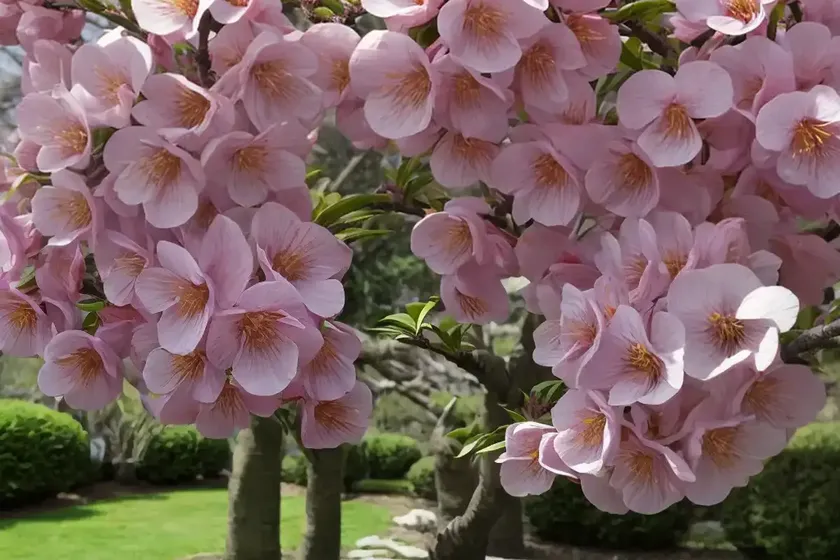
- Ornamental Purpose: In addition to its fruit-bearing capabilities, the Japanese Plum is also cultivated for its ornamental value. When in bloom, the tree showcases an impressive display of fragrant, white flowers, adding aesthetic appeal to gardens and landscapes.
Water
Proper watering is essential for the healthy growth and development of Prunus salicina ‘Ozark Premier’. As a general guideline:
- Established Trees: Once established, the tree typically requires regular watering during dry periods, especially when the fruits are developing.
- Young Trees: Newly planted trees need consistent moisture to aid in their establishment and initial growth.
Sunlight
Prunus salicina ‘Ozark Premier’ thrives in full sun, necessitating at least 6-8 hours of direct sunlight daily. Adequate sunlight is pivotal for fruit production, overall vigor, and disease resistance. Planting the tree in a location with ample sunlight exposure is crucial for optimal performance.
Fertilizer
Appropriate fertilization supports the healthy growth of Prunus salicina ‘Ozark Premier’ and encourages prolific fruiting. Consider the following fertilization recommendations:
- Spring Application: Apply a balanced, slow-release fertilizer in early spring before new growth begins to provide essential nutrients for the upcoming growing season.
- Frequency: Repeat the fertilization process annually to sustain the tree’s nutritional requirements.
Soil
The soil quality profoundly influences the growth and productivity of Prunus salicina ‘Ozark Premier’. Important soil considerations include:
- Drainage: Well-drained soil is critical to prevent waterlogging, which can lead to root rot and other issues.
- pH Level: The optimal soil pH ranges between 6.0 and 7.0, ensuring proper nutrient uptake by the tree.
- Texture: A fertile, loamy soil with good nutrient-holding capacity is conducive to the tree’s development.
Pruning
Pruning is an integral aspect of Japanese Plum tree care, contributing to its structural development, fruit production, and overall health. The key aspects of pruning Prunus salicina ‘Ozark Premier’ include:
- Minimal Pruning: Japanese Plum trees generally require minimal pruning, mainly for removing dead, damaged, or diseased branches, and shaping the canopy.
- Timing: The ideal time for pruning is during the dormant season, preferably in late winter to early spring before the onset of new growth.
- Pruning Techniques: Employ proper pruning techniques to maintain an open center or modified central leader structure, facilitating adequate light penetration and air circulation.
Propagation
Prunus salicina ‘Ozark Premier’ can be propagated via various methods, including seed propagation and grafting:
- Seed Propagation: While possible, growing Japanese Plum trees from seeds is not commonly practiced due to variability in seed-grown plants and the extended time to reach fruit-bearing maturity.
- Grafting: Grafting onto suitable rootstocks is the preferred method of propagation. It allows for the production of true-to-type plants with desired characteristics and reduces the time to fruiting.
Container Popularity
The compact size and adaptable nature of Prunus salicina ‘Ozark Premier’ make it a favored choice for container cultivation. Growing the tree in containers offers several advantages:
- Space Flexibility: Ideal for smaller yards, patios, or balconies where space is limited.
- Portability: Containers allow for easy relocation of the tree, enabling gardeners to optimize sunlight exposure and protection from harsh weather conditions.
- Ornamental Value: The Japanese Plum’s aesthetic appeal, from its spring bloom to fruiting, enhances the visual appeal of container gardens.
Common Diseases
Brown Rot (Monilinia fructicola)
Brown rot is a prevalent fungal disease that affects various stone fruits, including Prunus salicina ‘Ozark Premier’. The disease manifests as brown, rotten spots on the fruits, leading to significant yield losses. Effective disease management strategies involve:
- Sanitation: Promptly remove and destroy infected fruits and debris to minimize disease spread.
- Fungicidal Sprays: Application of appropriate fungicides during the growing season can help control and prevent brown rot.
Bacterial Canker (Pseudomonas syringae)
Bacterial canker, caused by Pseudomonas syringae, is a bacterial disease that affects Japanese Plum trees, resulting in sunken, necrotic lesions on the bark and cankers on branches. Control measures include:
- Pruning: Prune and dispose of affected branches during the dormant season to reduce disease inoculum.
- Copper-based Sprays: Application of copper-based fungicides during dormant and pre-bloom stages can aid in managing bacterial canker.
Common Pests
Aphids
Aphids are notorious pests that can infest Japanese Plum trees, causing damage by feeding on the sap and excreting honeydew, which promotes the growth of sooty mold. Control measures include:
- Biological Control: Encourage natural predators such as ladybugs and lacewings that feed on aphids.
- Horticultural Oils: Application of horticultural oils can effectively control aphid populations while minimizing harm to beneficial insects.
Scales
Scale insects are another common pest that affects Prunus salicina ‘Ozark Premier’, damaging the tree by piercing and sucking plant juices. Managing scale infestations entails:
- Pruning: Removing heavily infested branches during the dormant season can help reduce the scale population.
- Natural Enemies: Encourage natural predators, such as parasitic wasps, to aid in controlling scale insect populations.
Botanist’s Tips
- Varietal Selection: When choosing a cultivar of Prunus salicina, consider the specific cultivar traits and climatic adaptation to ensure optimal performance in the intended growing environment.
- Pollination: Adequate cross-pollination is crucial for fruit set in Japanese Plum trees. Planting compatible cultivars within close proximity enhances pollination and fruiting.
- Fruit Thinning: Thinning excess fruits after fruit set ensures larger and higher quality plums, prevents branch damage due to heavy fruit loads, and promotes annual fruiting.
Fun Facts
- The Japanese Plum (Prunus salicina) is considered a culturally significant fruit in various East Asian countries, often associated with auspicious symbolism and traditions.
- The flowers of Prunus salicina ‘Ozark Premier’ are highly attractive to pollinators, contributing to the local ecosystem’s biodiversity and vitality.
Links to External Resources
- Gardening Know How – Japanese Plum Care
- University of California, Agriculture and Natural Resources – Brown Rot Management
- The Spruce – How to Grow Japanese Plum Trees
In conclusion, Prunus salicina ‘Ozark Premier’ (Japanese Plum) is a captivating and rewarding tree to cultivate, offering delectable fruits and ornamental beauty. By understanding and implementing the recommended practices for its culture, care, and management, one can enjoy the bountiful harvest and enduring charm of this esteemed fruit-bearing tree.


