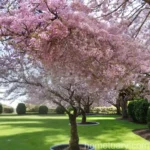
Prunus incisa ‘Kojo-No-Mai’ (Flowering Cherry): A Complete Guide
Plant Name: Prunus incisa ‘Kojo-No-Mai’ (Flowering Cherry)
What is Prunus incisa ‘Kojo-No-Mai’?
Prunus incisa ‘Kojo-No-Mai’ is a beautiful and popular ornamental flowering cherry tree that belongs to the Rosaceae family. It is commonly known as the ‘Flowering Cherry’ and is highly valued for its stunning display of blossoms, making it a favorite choice for gardens, parks, and urban landscapes.
Prunus incisa ‘Kojo-No-Mai’ features
- The Prunus incisa ‘Kojo-No-Mai’ is a deciduous shrub or small tree with a spreading, horizontal, tiered, and weeping growth habit. It typically reaches a height of 6-8 feet and a spread of 6-10 feet.
- This variety is known for its abundant clusters of pale pink, semi-double flowers that emerge in early spring. The delicate blooms create a breathtaking display, attracting birds, bees, and other pollinators.
Flowering Cherry varieties
- There are several varieties of flowering cherries, each with its unique characteristics and visual appeal. Some popular varieties include Prunus serrulata, Prunus subhirtella, and Prunus avium.
Japanese Cherry ‘Kojo-No-Mai’
- Prunus incisa ‘Kojo-No-Mai’ is often referred to as the ‘Japanese Cherry,’ reflecting its origins in Japan, where it is highly esteemed for its beauty and cultural significance.
Key Takeaways – Prunus incisa ‘Kojo-No-Mai’ (Flowering Cherry)
Before delving into the details of the care and cultivation of Prunus incisa ‘Kojo-No-Mai,’ let’s highlight some key takeaways about this stunning flowering cherry tree.
Prunus incisa ‘Kojo-No-Mai’ care tips
- Requires well-draining soil and regular watering, particularly during the growing season.
- Thrives in full sun or partial shade, preferably in a sheltered location.
- Pruning is necessary to maintain its shape and encourage healthy growth.
- Disease resistance and pest tolerance make it a low-maintenance ornamental tree.
- The beautiful blossoms in spring and colorful foliage in fall make it a year-round visual delight.
Culture
Uses
The Prunus incisa ‘Kojo-No-Mai’ is primarily cultivated for its ornamental value. Its exquisite blossoms make it an ideal choice for enhancing the beauty of gardens, landscapes, and public spaces. Additionally, the tree’s attractive foliage and architectural interest contribute to its popularity as a specimen tree or part of a mixed border planting.
Water
Proper watering is crucial for the health and vitality of Prunus incisa ‘Kojo-No-Mai.’ During its active growing period, usually from early spring to late summer, it requires regular and consistent moisture. However, it’s important to avoid waterlogging the soil, as this can lead to root rot and other issues.
Sunlight
This flowering cherry tree thrives in full sun to partial shade. It prefers a location with adequate sunlight to promote healthy growth and prolific flowering. In regions with hot summers, providing some protection from intense midday sun can prevent stress on the plant.
Fertilizer
A balanced fertilizer applied in early spring can support the vigorous growth and blooming of Prunus incisa ‘Kojo-No-Mai.’ Look for a formulation with a higher phosphorus content to encourage abundant flower production. It’s important not to over-fertilize, as excessive nutrients can lead to excessive leaf growth at the expense of flowers.
Soil
Well-draining and fertile soil with a slightly acidic to neutral pH (around 6.0 to 7.0) is ideal for the optimal growth of Prunus incisa ‘Kojo-No-Mai.’ Amending the soil with organic matter such as compost or well-rotted manure can improve its structure and nutrient content.
Pruning
Pruning is an essential aspect of maintaining the health, shape, and aesthetic appeal of Prunus incisa ‘Kojo-No-Mai.’ Regular pruning, preferably in late spring or early summer after the flowering period, helps to remove dead or damaged branches, control the size, and shape the tree to showcase its natural form.
Propagation
Container
Prunus incisa ‘Kojo-No-Mai’ is well-suited for cultivation in containers, making it an excellent choice for small gardens, patios, and urban spaces. When grown in containers, it’s important to ensure that the soil remains consistently moist but not waterlogged. A well-draining potting mix is essential to prevent root rot.
Popularity
The popularity of Prunus incisa ‘Kojo-No-Mai’ as an ornamental tree lies in its stunning visual appeal, adaptability to various growing conditions, and minimal maintenance requirements. Its moderate size makes it suitable for a wide range of garden settings, from compact urban spaces to larger landscapes.
Common Diseases
This flowering cherry variety exhibits good resistance to most common diseases. However, occasional issues such as leaf spot, powdery mildew, and canker may arise in suboptimal growing conditions or during periods of stress. Proper cultural care and monitoring can help mitigate these concerns.
Disease Diagnosis
Being vigilant for any signs of disease, such as unusual spots or discoloration on the leaves, can aid in early diagnosis and prompt treatment if necessary. Regular inspections of the tree allow for timely intervention to prevent the spread of diseases and maintain its overall health.
Common Pests
Prunus incisa ‘Kojo-No-Mai’ is relatively resistant to pest infestations. However, aphids, scale insects, and caterpillars may occasionally pose a threat. Natural predators and beneficial insects can help keep pest populations in check, reducing the need for chemical interventions.
Botanist’s Tips
- When selecting a site for planting Prunus incisa ‘Kojo-No-Mai,’ consider its mature size and ensure that it has ample space to grow and spread without obstruction.
- Regularly monitor the tree for any signs of stress, disease, or pest activity, and address any issues promptly to prevent them from escalating.
- Prune the tree selectively to maintain its graceful form and enhance its overall appearance without compromising its natural beauty.
Fun Facts
- The delicate blossoms of Prunus incisa ‘Kojo-No-Mai’ are a celebrated symbol of the fleeting beauty of spring in Japanese culture, where cherry blossom viewing, known as hanami, holds profound cultural significance.
- Some cultivars of Prunus incisa ‘Kojo-No-Mai’ showcase striking variations in foliage color, with leaves transitioning from hues of green to vibrant reds and oranges in the autumn, adding to the tree’s year-round visual appeal.
Links to External Resources
- Royal Horticultural Society – Prunus incisa ‘Kojo-no-mai’
- University of Florida IFAS Extension – Flowering Cherry Trees for Florida Landscapes
In conclusion, Prunus incisa ‘Kojo-No-Mai’ is a captivating ornamental tree that captivates with its exquisite blossoms, graceful form, and year-round visual interest. Its adaptable nature, disease resistance, and low maintenance needs make it an excellent choice for enhancing diverse garden settings and urban landscapes. By providing the right cultural care and attention, this flowering cherry tree can thrive and brighten the outdoors with its awe-inspiring beauty.
Remember, appreciation for nature’s wonders, such as the Prunus incisa ‘Kojo-No-Mai,’ adds enriching experiences and enduring memories to our lives. Whether in a private garden or a public park, the charm of this flowering cherry tree leaves a lasting impression and a reminder of the ephemeral splendor of nature.
So, if you’re considering adding a touch of elegance and natural beauty to your outdoor space, the Prunus incisa ‘Kojo-No-Mai’ might just be the perfect choice!
References
[1] Royal Horticultural Society. (n.d.). Prunus incisa ‘Kojo-no-mai’. Retrieved from https://www.rhs.org.uk/Plants/58387/i-Prunus-incisa-i-Kojo-no-mai/Details
[2] University of Florida IFAS Extension. (n.d.). Flowering Cherry Trees for Florida Landscapes. Retrieved from https://edis.ifas.ufl.edu/ep057