Prunus Domestica ‘Stanley’ (European Plum)
As a plant scientist specializing in fruit trees, I am excited to delve into the fascinating world of the Prunus domestica ‘Stanley,’ also known as the.
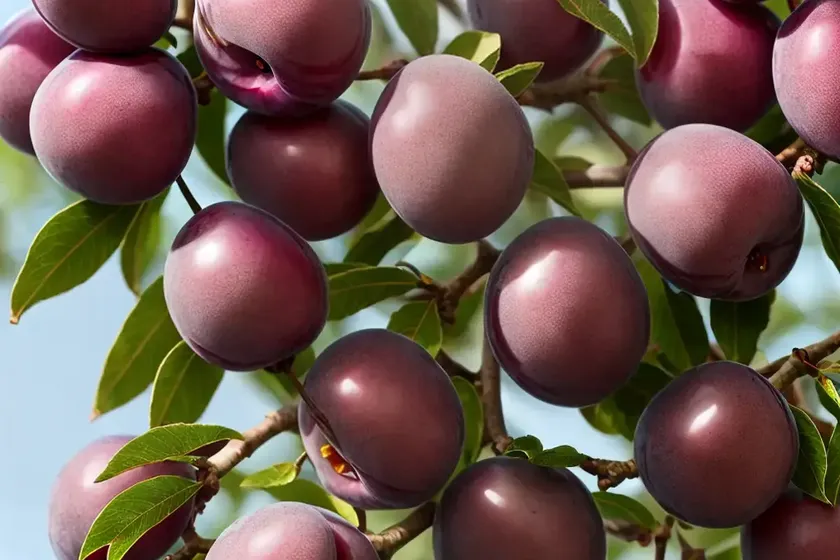
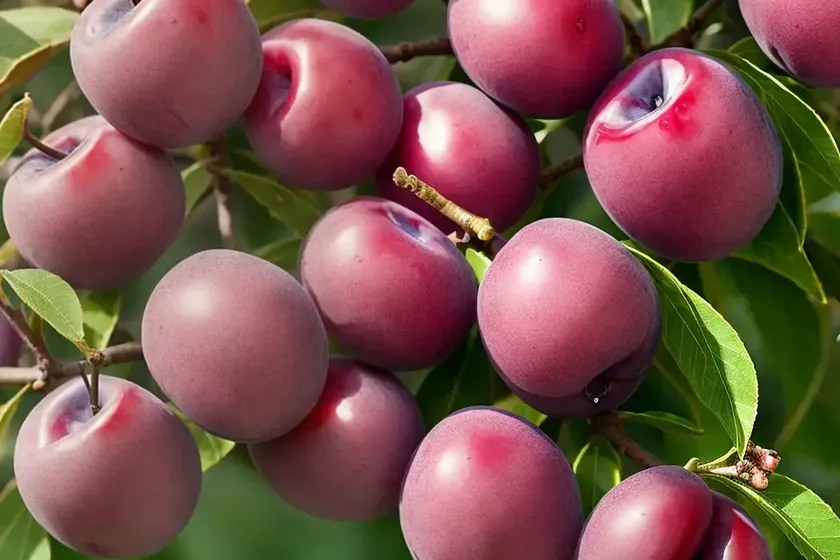
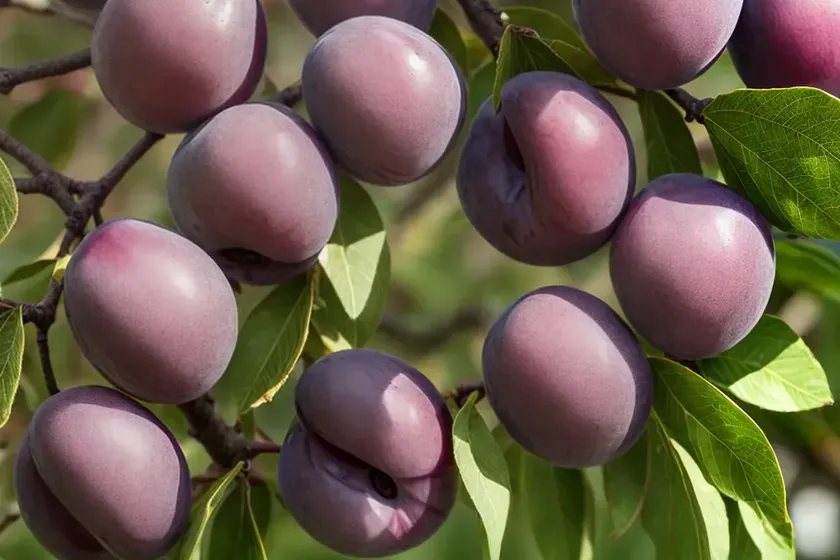
As a plant scientist specializing in fruit trees, I am excited to delve into the fascinating world of the Prunus domestica ‘Stanley,’ also known as the European Plum. In this comprehensive guide, we will explore the cultural significance, growth habits, care tips, and various uses of this remarkable fruit tree. Whether you are a gardening enthusiast, a professional horticulturist, or simply intrigued by the world of plants, join me in unraveling the wonders of the Prunus domestica ‘Stanley.’
What is Prunus domestica ‘Stanley’ (European Plum)?
Prunus domestica ‘Stanley’ is a cultivar within the species Prunus domestica, commonly referred to as the European Plum. The ‘Stanley’ variety is renowned for its exceptional fruit quality, making it a sought-after choice for home gardens and commercial orchards alike. This deciduous fruit tree belongs to the family Rosaceae and is characterized by its luscious, oblong fruits and stunning spring blossoms. Native to Europe and Southwest Asia, the European Plum has garnered global popularity for its delectable fruits and ornamental value.
Key Takeaways – Prunus domestica ‘Stanley’ (European Plum)
Before we delve into the intricacies of growing and caring for the Prunus domestica ‘Stanley,’ let’s briefly overview the key takeaways of this remarkable fruit tree.
-
Description: The ‘Stanley’ cultivar features dark blue to purple fruits with yellow-green flesh and an incomparable sweet-tart flavor.
-
Characteristics: Known for its medium to large fruit size and exceptional fruit quality, the European Plum ‘Stanley’ boasts a delightful taste and firm texture.
-
Cultivation: Suitable for USDA hardiness zones 5-8, the Stanley plum tree thrives in moderate climates with adequate sun exposure and well-drained soil.
-
Care Tips: Pruning, fertilizing, and adequate watering are essential for maintaining the health and productivity of Prunus domestica ‘Stanley.’
-
Disease Resistance: While susceptible to certain diseases and pests, the ‘Stanley’ cultivar exhibits moderate resistance to common plum tree afflictions.
-
Propagation: Propagation methods for the European Plum ‘Stanley’ include budding, grafting, and seed sowing, offering diverse options for expanding its presence in orchards and gardens.
Now, let’s embark on a comprehensive journey to discover the captivating world of Prunus domestica ‘Stanley,’ addressing its cultural significance, growth requirements, common uses, and essential care guidelines.
Culture
Understanding the cultural requirements of the Prunus domestica ‘Stanley’ is fundamental for fostering its growth and maximizing fruit production. From soil preferences to climate suitability, let’s explore the various aspects of nurturing this remarkable fruit tree.
Uses
The European Plum ‘Stanley’ embodies a multifaceted utility, catering to culinary, ornamental, and even medicinal purposes. Its uses encompass the following domains:
-
Culinary Uses: The fruits of Prunus domestica ‘Stanley’ are prized for their exceptional flavor and versatility in the kitchen. From fresh consumption to culinary preparations such as jams, preserves, and baked goods, the Stanley plum’s delectable fruits offer a myriad of culinary possibilities.
-
Ornamental Value: Beyond its valuable fruits, the Stanley plum tree adorns landscapes with its captivating spring blossoms, adding ornamental charm to gardens and orchards.
-
Medicinal Applications: In traditional medicine, various parts of the European Plum tree, including the fruits, leaves, and bark, have been utilized for their potential health benefits, ranging from digestive support to skin treatments.
Water
Adequate water supply is pivotal for the optimal growth and fruit development of Prunus domestica ‘Stanley.’ While the Stanley plum tree exhibits moderate drought tolerance once established, consistent and thorough watering is essential, particularly during the critical stages of flowering, fruit set, and fruit expansion. Implementing a deep watering regimen, especially during dry periods, ensures that the tree’s water requirements are met, promoting healthy foliage and robust fruit production. Additionally, proper irrigation practices contribute to the prevention of fruit disorders and irregular fruit development, further underscoring the significance of adequate water management for the European Plum ‘Stanley.’
Sunlight
Sunlight is a primary catalyst for the flourishing growth and fruiting potential of the Prunus domestica ‘Stanley.’ As a sun-loving fruit tree, the Stanley plum thrives in locations that receive full sun exposure, defined as at least 6-8 hours of direct sunlight per day. Optimal sunlight availability fosters the tree’s photosynthetic capacity, promoting vigorous growth, abundant flowering, and the development of high-quality fruits. Inadequate sunlight can result in diminished fruit production, reduced fruit quality, and increased susceptibility to diseases, emphasizing the pivotal role of sunlight in the cultivation of the European Plum ‘Stanley.’
Fertilizer
Strategic fertilization plays a pivotal role in bolstering the growth, productivity, and overall health of Prunus domestica ‘Stanley.’ As a deciduous fruit tree with specific nutritional requirements, the Stanley plum benefits from well-timed applications of balanced fertilizers, tailored to supplement its essential nutrient needs. Incorporating a comprehensive fertilizer regimen, comprising nitrogen, phosphorus, potassium, and micronutrients, supports the tree’s vigor, enhances fruit set and development, and fortifies its natural defense mechanisms against diseases and environmental stressors. As we delve deeper into the care guidelines for the European Plum ‘Stanley,’ we will explore the optimal fertilizer practices for nurturing this esteemed fruit tree.
Soil
The soil environment plays a foundational role in shaping the growth, nutrient uptake, and overall vitality of Prunus domestica ‘Stanley.’ This robust fruit tree favors well-drained soil with a slightly acidic to neutral pH range, ideally between 6.0 and 6.5. Ensuring adequate soil drainage is imperative for preventing waterlogged conditions, which can compromise the root health and respiratory functions of the Stanley plum tree. Moreover, the incorporation of organic matter, such as compost or well-rotted manure, enriches the soil structure, promotes beneficial microbial activity, and facilitates the availability of essential nutrients for the European Plum ‘Stanley.’ By cultivating an optimal soil environment, gardeners and orchardists can fortify the tree’s resilience, optimize its fruiting potential, and mitigate the risk of soil-borne diseases.
Pruning
Pruning constitutes a fundamental aspect of enhancing the structural integrity, fruiting capacity, and overall aesthetic appeal of the Prunus domestica ‘Stanley.’ Through strategic pruning practices, gardeners and horticulturists can shape the tree’s canopy, manage its growth habits, and maximize sunlight penetration, thereby optimizing fruit production and quality. Furthermore, pruning serves as a mechanism for removing diseased, damaged, or crowded branches, fostering air circulation, and reducing the tree’s susceptibility to pests and diseases.
Propagation
The propagation of Prunus domestica ‘Stanley’ presents an array of techniques, each offering distinct advantages and considerations for expanding the presence of this esteemed fruit tree. From conventional methods such as budding and grafting to the propagation of the Stanley plum tree from seeds, diverse options cater to the specific needs and preferences of orchard managers, nurseries, and home gardeners. Understanding the nuances of each propagation method enables practitioners to propagate and disseminate the European Plum ‘Stanley’ effectively, contributing to the preservation and proliferation of its valuable genetic traits.
Container
While the European Plum ‘Stanley’ thrives in traditional orchard settings and home gardens, the prospect of container cultivation introduces unique considerations for nurturing this fruit tree in confined spaces or urban environments. Container gardening enables enthusiasts and urban gardeners to cultivate the Stanley plum tree on patios, balconies, or small yards, expanding the accessibility of this esteemed cultivar. However, successful container cultivation necessitates careful attention to pivotal factors such as container size, soil composition, moisture management, and root space, ultimately influencing the vitality and fruiting potential of Prunus domestica ‘Stanley’ in containerized settings.
Popularity
The enduring popularity of Prunus domestica ‘Stanley’ reflects its exceptional fruit quality, adaptability to diverse climates, and cultural significance in culinary and horticultural traditions. From the allure of its delectable fruits to the ornamental splendor of its blossoms, the Stanley plum tree has secured a distinguished status in home gardens, commercial orchards, and the broader horticultural landscape. Moreover, the perennial demand for the European Plum ‘Stanley’ underscores its enduring appeal, inspiring horticulturists, chefs, and fruit enthusiasts alike to embrace this esteemed fruit tree and savor its multifaceted virtues.
Common Diseases
Despite its inherent resilience, the Prunus domestica ‘Stanley’ is susceptible to various diseases that can compromise its health and fruiting potential. Ranging from fungal infections to bacterial afflictions, prudent disease management strategies are essential for safeguarding the vitality and productivity of the Stanley plum tree. By familiarizing ourselves with the common diseases that affect the European Plum ‘Stanley’ and implementing proactive disease prevention and control measures, we can fortify this esteemed fruit tree against potential threats, ensuring its sustained vigor and bountiful fruit harvests.
Disease Diagnosis
Accurate diagnosis of diseases afflicting the Prunus domestica ‘Stanley’ is paramount for implementing targeted control measures and mitigating the impact of pathogenic threats. By recognizing the key symptoms and characteristics of common plum tree diseases such as brown rot, plum pox virus, and bacterial canker, horticulturists and orchard managers can promptly address these issues, curbing their spread and minimizing their detrimental effects on the Stanley plum tree’s health and productivity.
Common Pests
Pest infestations pose a significant challenge to the well-being and fruit production of Prunus domestica ‘Stanley.’ Ranging from insect pests such as plum curculio and aphids to vertebrate pests like birds and rodents, the Stanley plum tree must contend with an array of potential adversaries. Entrenched in a proactive and integrated pest management approach, utilizing cultural, mechanical, and biological control methods offers a holistic strategy for mitigating pest pressures and safeguarding the European Plum ‘Stanley’ from detrimental infestations.
Botanist’s Tips
Delving into the world of Prunus domestica ‘Stanley,’ we uncover a constellation of insights and recommendations essential for the successful cultivation, care, and preservation of this esteemed fruit tree. From optimizing its growth environment to leveraging effective disease and pest management tactics, the following botanist’s tips provide valuable guidance for nurturing the European Plum ‘Stanley’ and unlocking its full horticultural potential.
-
Optimal Pollinator Selection: Pairing the Stanley plum tree with suitable pollinators enhances its fruit set and ensures abundant harvests. Identifying compatible pollination partners tailored to the ‘Stanley’ cultivar’s flowering period and compatibility cultivates a dynamic ecosystem that underpins successful fruit production.
-
Pruning Techniques for Fruitfulness: Employing prudent pruning techniques, including the removal of water sprouts, deadwood, and excessive vertical growth, stimulates the European Plum ‘Stanley’ to allocate its resources toward fruit production and strengthens the structural integrity of the tree.
-
Integrated Pest and Disease Management: Adopting an integrated approach encompassing cultural practices, biological controls, and selective pesticide applications represents a sustainable strategy for mitigating pest and disease pressures while preserving beneficial organisms and ecosystem balance.
-
Soil Health and Nutrient Management: Nurturing a balanced soil ecosystem through organic amendments, mulching, and judicious fertilization fosters the root health, nutrient uptake, and overall vitality of the Stanley plum tree, supporting its long-term productivity and resilience.
With these expert recommendations in mind, practitioners can elevate their cultivation endeavors and derive maximum benefits from nurturing the Prunus domestica ‘Stanley,’ adorning landscapes with its splendid fruits and contributing to the preservation of horticultural heritage.
Fun Facts
Unveiling the captivating allure of the European Plum ‘Stanley’ unveils a tapestry of fascinating facts and anecdotes, underscoring its cultural, culinary, and botanical significance. From historical anecdotes to contemporary applications, the following fun facts shed light on the intriguing facets of the Stanley plum tree, inviting us to appreciate its multifaceted appeal and enriching our understanding of this esteemed fruit tree.
-
Historical Heritage: Prunus domestica ‘Stanley’ traces its lineage to the rich tapestry of horticultural history, with its cultivation dating back centuries and spanning diverse cultural landscapes, from Europe to North America and beyond.
-
Culinary Versatility: Renowned for its exceptional flavor and firm texture, the fruits of the European Plum ‘Stanley’ render themselves to an array of culinary creations, from delectable preserves and desserts to savory accompaniments, accentuating its multifaceted culinary appeal.
-
Enigmatic Blossoms: The resplendent spring blossoms of the Stanley plum tree are celebrated for their ornamental splendor, accentuating landscapes with their delicate white petals, and symbolizing the transformative beauty of the natural world.
-
Medicinal Traditions: In traditional medicinal practices, various parts of the European Plum tree have found application for their purported health benefits, reflecting the longstanding symbiosis between humans and plants in the realm of healing and wellness.
These fun facts offer a glimpse into the captivating narrative of the Prunus domestica ‘Stanley,’ enriching our appreciation for its diverse attributes and entwining it within the tapestry of horticultural heritage and botanical wonder.
Links to External Resources
In the pursuit of comprehensive knowledge and practical insights into the cultivation and care of Prunus domestica ‘Stanley,’ the following external resources serve as valuable repositories of information, expertise, and horticultural wisdom. Nurturing a fruitful engagement with these resources enriches our understanding of the Stanley plum tree, equipping us with the knowledge and techniques essential for fostering its growth, preserving its heritage, and savoring its bountiful fruits.
- University of California Cooperative Extension: Prunes and Plums
- Washington State University Extension: Growing Tree Fruits
- Royal Horticultural Society: Plum Growing Guide
- The Ohio State University Extension: European Plum Production
- North Carolina State University Cooperative Extension: Fruit Tree Cultivars
As we conclude our comprehensive exploration of Prunus domestica ‘Stanley’ and its multifaceted realm, may these external resources serve as beacons of knowledge and inspiration, empowering us to embark on a journey of discovery and growth alongside this esteemed fruit tree.
In the wondrous continuum of horticultural exploration, the European Plum ‘Stanley’ emerges as an emblem of culinary allure, botanical wonder, and rich cultural heritage. By cultivating a deep understanding of its growth habits, care requirements, and ecological significance, we rekindle the timeless bond between humanity and the bountiful gifts of the plant kingdom, enriching our lives with the enduring splendor of Prunus domestica ‘Stanley.’
References:
- Melvin, L. “Prunus domestica Plums.” Gardening Solutions – University of Florida, Institute of Food and Agricultural Sciences, 2021, gardeningsolutions.ifas.ufl.edu/plants/edibles/fruits/plums.html.
- Peck, G., and Naranjo, S. “Home Fruit Production: European Plum.” University of Florida IFAS Extension, 2016, edis.ifas.ufl.edu/publication/HS100.
- Smith, F., and Finke, M. “European Plum Prunus domestica L.” The Center for Landscape Conservation and Ecology, University of Florida IFAS Extension, 2012, 2021, landscapeplants.ifas.ufl.edu/plant/AEER.
- Willson, K., et al. “1. Prunus domestica.” Fire Effects Information System (FEIS), U.S. Department of Agriculture, Forest Service, Rocky Mountain Research Station, Fire and Environmental Research Applications Team, 1991, www.fs.fed.us/database/feis/plants/tree/prudom/all.html.


