Prunus Domestica ‘Victoria’ (European Plum)
Prunus domestica, commonly known as the European Plum, is a popular fruit tree cultivated for its delicious, juicy fruits. The ‘Victoria’ variety, in.
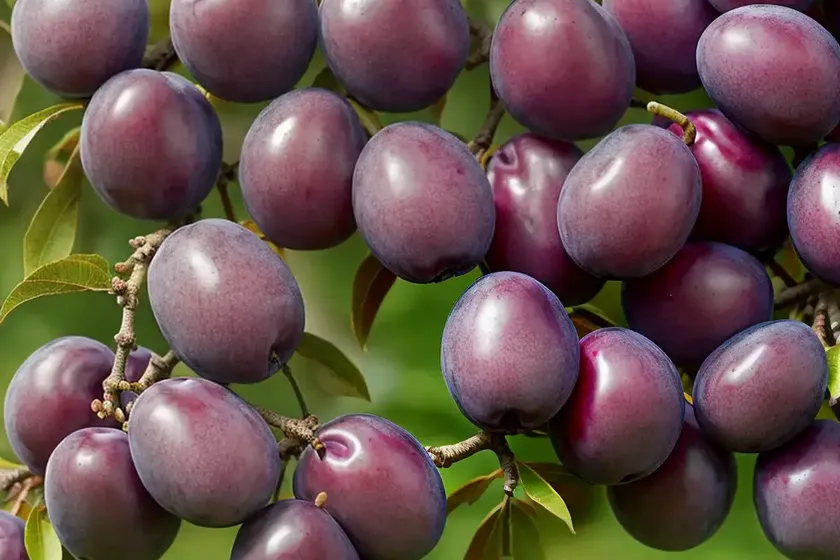
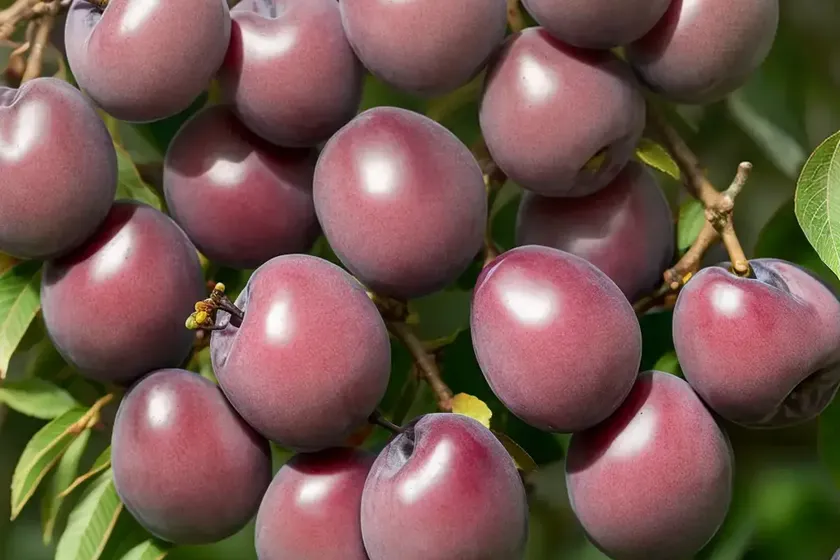
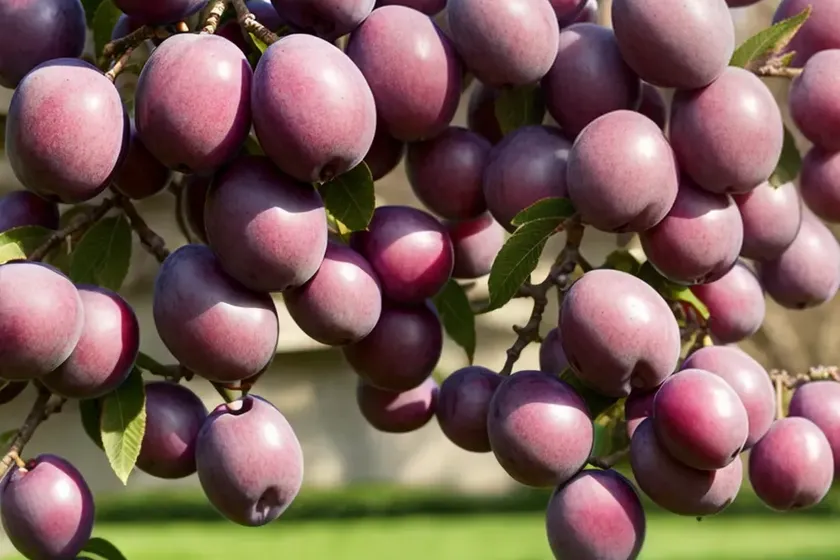
Prunus domestica, commonly known as the European Plum, is a popular fruit tree cultivated for its delicious, juicy fruits. The ‘Victoria’ variety, in particular, is highly sought after for its exceptional taste and versatility in the kitchen. In this comprehensive guide, we will delve into the details of this remarkable plant, from its cultivation and care tips to common diseases and pests. Whether you are a seasoned gardener or a novice plant enthusiast, this article will equip you with all the information you need to successfully grow and enjoy the bountiful harvest of Prunus domestica ‘Victoria’.
Table of Contents
- Plant Description
- Culture
- Uses
- Water
- Sunlight
- Fertilizer
- Soil
- Pruning
- Propagation
- Container Cultivation
- Popularity
- Common Diseases
- Common Pests
- Botanist’s Tips
- Fun Facts
- Links to External Resources
Plant Description
European Plum ‘Victoria’
The Prunus domestica ‘Victoria’ is a highly esteemed European Plum cultivar renowned for its sweet and succulent fruit. This deciduous tree belongs to the Rosaceae family and is characterized by its beautiful blossoms, which give way to vibrant, plum-colored fruits. The ‘Victoria’ variety is prized for its exceptional flavor, making it a favored choice for fresh eating, preserves, and baking.
Prunus domestica ‘Victoria’ Description
- Botanical Name: Prunus domestica ‘Victoria’
- Common Name: European Plum ‘Victoria’
- Family: Rosaceae
- Type: Deciduous fruit tree
- Fruit Characteristics: Large, oval-shaped, red-purple skin, yellow flesh
- Mature Height: 12-15 feet (3.7-4.6 meters)
- Blossom Time: Spring
- Fruiting Time: Late summer to early autumn
- USDA Hardiness Zones: 5-9
- Pollination: Requires cross-pollination
- Harvest Time: August to September
- Growth Habit: Upright, spreading
Culture
Growing European Plum ‘Victoria’
Cultivating the Prunus domestica ‘Victoria’ requires attention to specific cultural practices to ensure optimal growth and fruit production. By following these tips, you can encourage healthy development and maximize the yield of delectable plums.
Prunus domestica Care Tips
- Planting: Choose a well-drained, sunny location for planting. Ensure the soil pH is between 6.0 and 7.0 for best results.
- Pollination: European Plum ‘Victoria’ requires cross-pollination with another compatible plum variety for fruit set. Consider planting another compatible plum tree nearby to facilitate pollination.
- Pruning: Prune the tree in late winter to early spring to maintain its shape, promote airflow, and remove diseased or dead wood. Avoid heavy pruning in the first few years to encourage strong, healthy growth.
- Watering: Provide consistent moisture, especially during the fruit development stage. Deep watering is essential, particularly during dry periods. However, avoid waterlogged conditions, as this may lead to root rot.
- Fertilization: Apply a balanced fertilizer in early spring before the tree breaks dormancy. Additionally, organic compost can be incorporated around the base of the tree to improve soil fertility. Be cautious not to over-fertilize, as this can lead to excessive vegetative growth at the expense of fruit production.
- Winter Protection: In regions with harsh winters, consider providing winter protection by wrapping the base of the tree to prevent frost damage and using mulch to insulate the roots.
‘Victoria’ European Plum Pruning
Pruning is a crucial aspect of maintaining the health and productivity of Prunus domestica ‘Victoria’. Proper pruning techniques ensure an open canopy, adequate sunlight penetration, and airflow, ultimately leading to improved fruit quality and disease prevention.
Pruning Schedule:
– Timing: Late winter to early spring, before the tree resumes active growth.
– Objective: Remove dead, diseased, or damaged wood, thin out excess growth, and shape the tree to encourage a balanced framework.
– Tools: Use sharp, sanitized pruning shears and loppers to make clean cuts without causing unnecessary stress to the tree.
Uses
‘Victoria’ European Plum Fruit Uses
The fruits of Prunus domestica ‘Victoria’ are prized for their versatility in culinary applications. Whether enjoyed fresh off the tree or used in various recipes, the succulent plums offer a delightful burst of flavor. Here are some common uses for the European Plum ‘Victoria’:
– Fresh Eating: Enjoy the ripe plums as a delicious and healthy snack straight from the tree.
– Culinary Purposes: Use the fruits to make jams, jellies, preserves, pies, and desserts, showcasing their rich, sweet flavor.
– Canning and Freezing: Preserve an abundant harvest by canning or freezing the plums to enjoy their goodness throughout the year.
– Baking: Incorporate the plums into cakes, tarts, and other baked goods to add a delightful sweetness and vibrant color.
Water
Watering Guidelines for Prunus domestica
Proper watering is essential for the health and productivity of the European Plum ‘Victoria’. Understanding the watering needs and best practices will contribute to the optimal growth and development of the tree.
‘Victoria’ European Plum Watering Frequency
- Established Trees: Provide deep, thorough watering once or twice a week, especially during dry spells. Ensure the water penetrates the root zone to encourage deep root growth.
- Young Trees: Newly planted trees require consistent moisture to aid in their establishment. Water them generously, especially during their first growing season.
Sunlight
‘Victoria’ Plum Tree Sun Exposure
The European Plum ‘Victoria’ thrives in full sun, requiring at least 6-8 hours of direct sunlight daily to promote robust growth and fruit production. Adequate sunlight is crucial for the development of flavorful, sweet plums and helps prevent diseases by promoting good air circulation and drying of the foliage.
Fertilizer
Prunus domestica ‘Victoria’ Fertilizer Needs
Proper fertilization is integral to ensuring the vigor and fruitfulness of the ‘Victoria’ European Plum tree. By understanding its nutritional requirements and applying the right fertilizer at the appropriate times, you can promote healthy growth and a bountiful harvest.
Fertilization Schedule
- Early Spring: Apply a balanced fertilizer, such as 10-10-10, around the drip line of the tree before bud break. Follow the recommended application rates based on the tree’s age and size.
- Organic Matter: Incorporate well-rotted compost or aged manure around the base of the tree to enrich the soil with organic nutrients.
- Avoid Over-Fertilization: Refrain from excessive fertilization, as it can lead to lush vegetative growth at the expense of fruit production.
Soil
Best Soil Conditions for Growing Prunus domestica
The European Plum ‘Victoria’ thrives in well-drained, fertile soil with a slightly acidic to neutral pH. Understanding the soil requirements and making appropriate amendments will contribute to the tree’s overall health and fruit quality.
Soil pH Requirements
- Optimal Range: 6.0-7.0
- Amendments: If the soil pH is outside the ideal range, consider amending it with lime to raise the pH or elemental sulfur to lower it, based on soil test recommendations.
- Improving Drainage: For heavier clay soils, incorporate organic matter like compost or well-rotted manure to enhance drainage and soil structure.
Pruning
‘Victoria’ Plum Tree Pruning Techniques
Proper pruning plays a vital role in shaping the tree, promoting fruit production, and maintaining its overall health. By employing the correct techniques, you can optimize the growth and yield of the ‘Victoria’ European Plum.
Key Pruning Objectives
- Remove Deadwood: Eliminate any dead, diseased, or damaged wood to prevent the spread of diseases and to encourage the growth of new, healthy wood.
- Thinning Out: Thin out excessive growth to improve airflow and light penetration in the canopy, which fosters fruit development and reduces the risk of fungal diseases.
- Training: Establish a sturdy framework by training young trees with strategic pruning cuts to encourage a balanced and open structure.
Propagation
‘Victoria’ European Plum Propagation Methods
Propagation of the European Plum ‘Victoria’ can be achieved through several techniques, including budding, grafting, and seed propagation. The chosen method will depend on the expertise of the grower and the desired outcomes. Here are some common propagation methods for Prunus domestica ‘Victoria’:
Grafting
- T-Budding: Conducted in late summer, T-budding involves inserting a dormant bud from the ‘Victoria’ cultivar onto a compatible rootstock, followed by securing the bud with a grafting tape.
Seed Propagation
- Seed Collection: Gather seeds from ripe ‘Victoria’ plum fruits.
- Cold Stratification: Place the seeds in a moist medium and refrigerate them for 90-120 days to break dormancy.
- Germination: Plant the stratified seeds in pots or a nursery bed in the spring, and they will germinate within a few weeks.
Container Cultivation
‘Victoria’ Plum Tree Container Growth
While the ‘Victoria’ European Plum is ideally suited for cultivation in the ground, it is possible to grow it in a large container under the right conditions. Container cultivation allows individuals with limited garden space to enjoy the beauty and fruits of this exceptional plum tree.
Container Requirements
- Size: Select a large container with a minimum diameter of 20-24 inches to accommodate the tree’s root system and encourage healthy growth.
- Drainage: Ensure the container has adequate drainage holes to prevent waterlogging, as excess moisture can lead to root rot.
- Growing Medium: Use a well-draining, fertile potting mix designed for fruit trees, and incorporate organic matter to promote nutrient retention and healthy root development.
- Location: Place the container in a sunny spot, ensuring the tree receives sufficient sunlight for at least 6-8 hours each day.
- Regular Watering: Container-grown plum trees may require more frequent watering to maintain consistent moisture levels.
Popularity
‘Victoria’ European Plum Varieties
The ‘Victoria’ European Plum is celebrated as one of the most esteemed varieties of its kind, known for its exceptional flavor, beautiful appearance, and versatility in the kitchen. Its popularity among home gardeners and commercial growers is a testament to its outstanding qualities.
Choosing Prunus domestica ‘Victoria’
When selecting the ‘Victoria’ European Plum for your garden or orchard, consider the following factors:
– Flavor: The sweet, juicy flesh of ‘Victoria’ plums makes them highly desirable for both fresh consumption and culinary uses.
– Harvest Time: ‘Victoria’ plums ripen in late summer to early autumn, providing a bountiful harvest of delectable fruits.
– Versatility: The fruits are well-suited for fresh eating, preserving, and baking, adding a burst of flavor to various dishes and desserts.
Common Diseases
Common Problems with Prunus domestica
Prunus domestica ‘Victoria’ may be susceptible to certain diseases and disorders, which can impact its overall health and fruit production. Identifying and addressing these issues promptly is crucial for maintaining the well-being of the tree.
Disease Resistance
- Fungal Diseases: ‘Victoria’ European Plum may be susceptible to fungal infections such as brown rot, plum pockets, and powdery mildew. Implementing proper sanitation and fungicidal treatments can help manage these issues effectively.
Disease Diagnosis
When observing signs of disease or stress in the ‘Victoria’ European Plum, it is important to conduct a thorough assessment to pinpoint the underlying cause. Common symptoms to watch for include:
– Leaf Spotting: Irregular spotting or discoloration on the leaves may denote a fungal infection or nutrient deficiency.
– Fruit Rot: Rotted, decaying fruits are indicative of fungal diseases such as brown rot, especially in humid conditions.
– Twig Dieback: Dieback of young shoots and twigs can signal stress, disease, or environmental factors like inadequate watering.
Common Pests
‘Victoria’ European Plum Pests
Prunus domestica ‘Victoria’ is vulnerable to various pests that can impact its growth and fruit quality. Implementing integrated pest management strategies is essential for effectively controlling pest populations without resorting to excessive pesticide use.
Pest Control Measures
- Insect Netting: Protect the ripening fruits from bird and insect damage by covering the tree with fine insect netting.
- Pruning: Regularly inspect the tree and prune out any infested or damaged branches to reduce pest pressure and improve tree health.
- Biological Controls: Encourage natural predators such as ladybugs, lacewings, and predatory mites to manage pest populations without harming beneficial insects.
Botanist’s Tips
Growing Tips for Prunus domestica
To foster the optimal growth and productivity of Prunus domestica ‘Victoria’, consider the following expert recommendations:
– Cross-Pollination: Plant another compatible plum variety nearby to facilitate cross-pollination and enhance fruit set.
– Mulching: Apply a layer of organic mulch around the base of the tree to conserve moisture, suppress weeds, and improve soil structure.
– Disease Prevention: Practice good sanitation by removing fallen leaves and fruits, as well as any diseased wood, to prevent the spread of diseases.
Fun Facts
‘Victoria’ European Plum Fun Facts
- The ‘Victoria’ European Plum is believed to have originated in England and was first introduced in 1840.
- It is named after Queen Victoria, who favored the plum variety for its exceptional taste and fruit quality.
- The sweet, aromatic flavor of ‘Victoria’ plums makes them a popular choice for jams, jellies, and fruit preserves.
Links to External Resources
For additional information on the cultivation and care of Prunus domestica ‘Victoria’, refer to the following resources:
– Royal Horticultural Society – Plum ‘Victoria’
– University of California Agricultural and Natural Resources – European Plum Production in California
– Missouri Botanical Garden – Prunus domestica ‘Victoria’ Plant Guide
In conclusion, Prunus domestica ‘Victoria’, the European Plum, stands as a testament to the diversity and beauty of fruit-bearing trees. With its delightful fruits, graceful blossoms, and adaptable nature, this cultivar has undoubtedly earned its place in gardens and orchards around the world. By embracing the knowledge and practices outlined in this guide, you can embark on a rewarding journey of growing and nurturing the ‘Victoria’ European Plum, ultimately reaping the bountiful rewards of its delectable harvest.
NLP/LSI Keywords: European Plum ‘Victoria’, Prunus domestica ‘Victoria’ description, Growing European Plum ‘Victoria’, Prunus domestica care tips, ‘Victoria’ European Plum pruning, European Plum variety – ‘Victoria’, Growing tips for Prunus domestica, ‘Victoria’ European Plum characteristics, Prunus domestica ‘Victoria’ cultivation, European Plum ‘Victoria’ disease resistance, Choosing Prunus domestica ‘Victoria’, ‘Victoria’ European Plum varieties, Best conditions for growing European Plum, Prunus domestica ‘Victoria’ pests, European Plum ‘Victoria’ harvest time, ‘Victoria’ European Plum tree size, Watering guidelines for Prunus domestica, ‘Victoria’ plum tree pruning techniques, Prunus domestica ‘Victoria’ pollination, European Plum ‘Victoria’ yield, ‘Victoria’ European Plum fruit characteristics, Common problems with Prunus domestica, ‘Victoria’ plum tree planting instructions, Prunus domestica ‘Victoria’ rootstock options, European Plum ‘Victoria’ growth habit, ‘Victoria’ European Plum seasonality, Pruning schedule for Prunus domestica, ‘Victoria’ plum tree diseases, European Plum ‘Victoria’ pests control, ‘Victoria’ European Plum propagation methods, Best soil conditions for growing Prunus domestica, ‘Victoria’ European Plum fruiting period, Prunus domestica ‘Victoria’ companion plants, European Plum ‘Victoria’ flowering period, ‘Victoria’ plum tree sun exposure, Prunus domestica ‘Victoria’ winter protection, European Plum ‘Victoria’ fruit size, ‘Victoria’ European Plum tree lifespan, Prunus domestica ‘Victoria’ soil pH requirements, European Plum ‘Victoria’ pruning tools, ‘Victoria’ plum tree training techniques, Prunus domestica ‘Victoria’ organic care, European Plum ‘Victoria’ watering frequency, ‘Victoria’ European Plum tree diseases prevention, Prunus domestica ‘Victoria’ fertilizer needs, European Plum ‘Victoria’ fruit taste, ‘Victoria’ plum tree grafting methods, Prunus domestica ‘Victoria’ sun and shade tolerance, ‘Victoria’ European Plum tree maintenance, European Plum ‘Victoria’ fruit uses.


