Prunus Insititia (Damson Plum)
Prunus insititia, commonly known as the Damson Plum, is a small deciduous tree belonging to the Rosaceae family. This fruit-bearing tree is native to.
Introduction to Prunus insititia (Damson Plum)
Prunus insititia, commonly known as the Damson Plum, is a small deciduous tree belonging to the Rosaceae family. This fruit-bearing tree is native to Western Asia and Eastern Europe and is cultivated for its small, tart fruits. The Damson Plum has been cultivated for centuries and holds cultural, culinary, and medicinal significance in various regions.
In this comprehensive guide, we will delve into the various aspects of Prunus insititia, including its culture, uses, maintenance, and common diseases and pests. Whether you are a horticulture enthusiast, a professional arborist, or a home gardener, this guide will provide valuable insights into understanding, growing, and caring for the Damson Plum tree.
Key Takeaways – Prunus insititia (Damson Plum)
Before we delve into the intricate details of Prunus insititia, let’s summarize some key takeaways about this fascinating plant.
Culture
- Origin: Western Asia and Eastern Europe
- Family: Rosaceae
- Type: Deciduous fruit tree
- Cultivation: Widely cultivated for its small, tart fruits
- Cultural Significance: Historically and culturally significant in various regions
Uses
- Culinary: Commonly used in jams, preserves, wines, desserts, and various culinary preparations
- Medicinal: Traditional medicinal uses in some cultures
- Cultural: Symbolic significance in folklore and traditions
Maintenance
- Water: Moderate water requirements; prone to waterlogging
- Sunlight: Prefers full sun for optimal fruit production
- Fertilizer: Balanced fertilization during the growing season
- Soil: Well-drained, fertile soil is ideal for healthy growth
- Pruning: Pruning techniques for shaping and maintaining tree health
- Propagation: Methods for propagating Prunus insititia
Now that we have an overview of the key aspects, let’s delve deeper into the specific elements of growing and caring for the Damson Plum.
Plant Name: Prunus insititia (Damson Plum)
What is Prunus insititia?
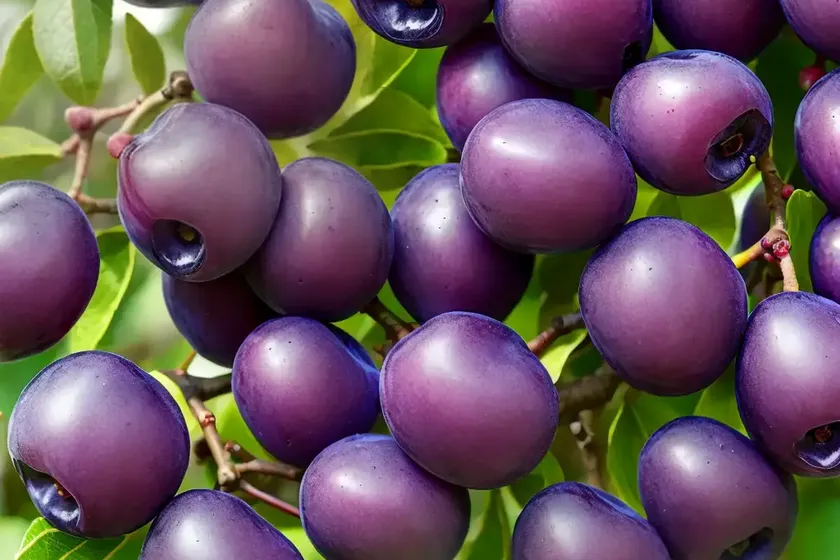
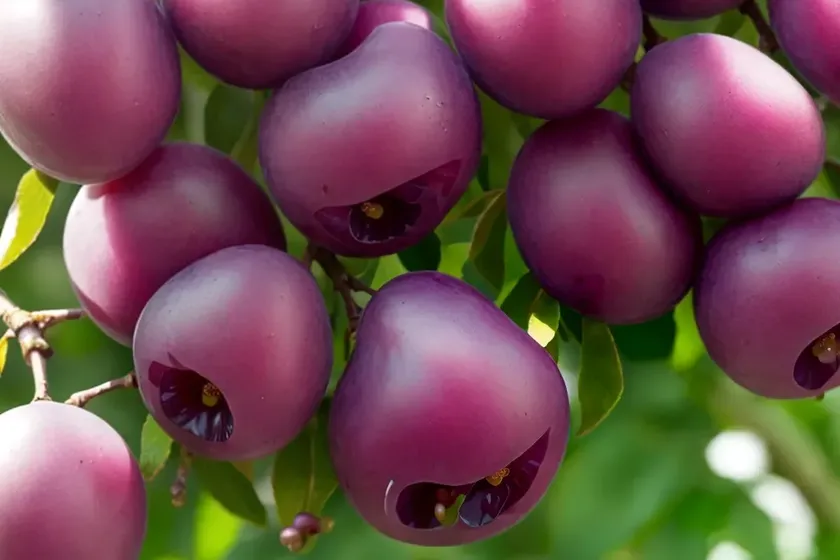
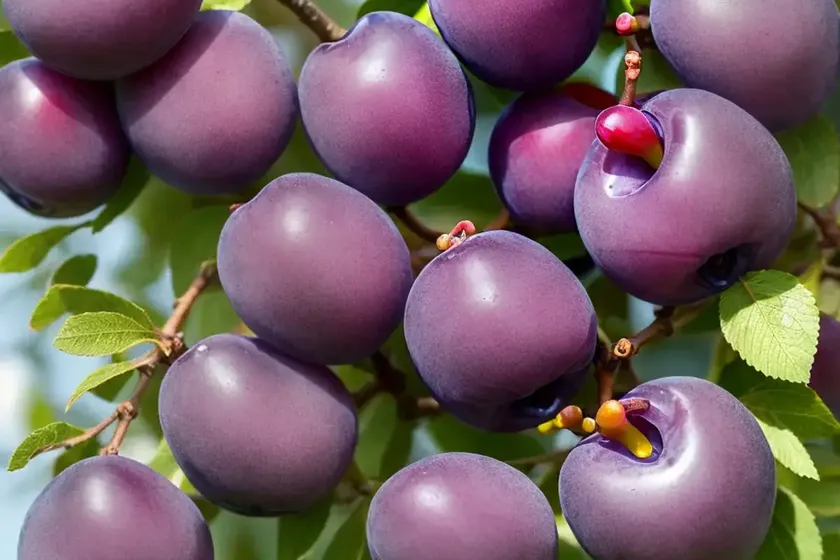
Prunus insititia, commonly referred to as the Damson Plum, is a species of plum that is widely cultivated for its small, tart fruits. This deciduous tree typically reaches a height of 10 to 20 feet, with a spreading canopy of dark green foliage. The fruits are typically dark blue to purple in color, with a noticeable astringent taste.
The Damson Plum has several varieties and cultivars, each with its unique characteristics and uses. Let’s explore the essential aspects of cultivating and maintaining Prunus insititia.
Prunus insititia Varieties and Cultivars
Prunus insititia boasts various varieties and cultivars, each offering distinct characteristics in terms of fruit size, flavor, and adaptability to different climates. Here are some popular varieties of Damson Plum:
Prunus insititia Varieties:
| Variety | Characteristics |
|---|---|
| Merryweather | Large, oval fruits; suitable for cooking |
| Shropshire Prune | Small, oval fruits; rich flavor |
| Farleigh | Small, round fruits; excellent for preserves |
These varieties showcase the diversity within the Prunus insititia species and provide options for growers based on their specific preferences and climatic conditions.
Damson Plum Tree: Growth and Characteristics
Growth Characteristics:
- Height: 10 to 20 feet
- Foliage: Dark green, deciduous leaves
- Fruit: Small, tart, dark blue to purple plums
- Flowering: Clusters of white flowers in spring
The growth and fruiting characteristics of the Damson Plum make it an attractive choice for home gardens, orchards, and landscape plantings.
Cultivation and Environment
Suitable Climate for Prunus insititia:
- Hardiness Zones: 5-9
- Climate: Thrives in temperate climates with distinct seasons
- Pollination: Cross-pollination enhances fruit yield
Prunus insititia adapts well to diverse environmental conditions, but it thrives in regions with moderate climates, adequate rainfall, and well-defined seasonal changes.
Damson Plum: Uses and Culinary Significance
The Damson Plum is valued for its diverse uses in culinary applications, traditional medicine, and cultural traditions. Let’s explore its versatile utility:
Culinary Uses of Damson Plum:
- Jams and Preserves: Ideal for making flavorful jams and preserves
- Wines and Liqueurs: Favored for producing unique wines and liqueurs
- Desserts and Baking: Adds tangy flavor to desserts and baked goods
- Medicinal Value: Traditional uses in herbal remedies
The culinary versatility of the Damson Plum makes it a sought-after fruit for various preparations, ranging from sweet preserves to tangy sauces.
Damson Plum Tree Care: Maintenance and Best Practices
Caring for Prunus insititia involves understanding its specific requirements related to water, sunlight, soil, fertilization, and pruning. Let’s delve into the essential aspects of tree care.
Water
- Watering Frequency: Regular watering during the growing season
- Avoid Waterlogging: Well-drained soil to prevent waterlogging
- Mulching: Mulch to retain moisture and regulate soil temperature
The Damson Plum tree requires consistent moisture, especially during the fruiting and growing periods, while also necessitating proper drainage to prevent water-related stress.
Sunlight
- Sun Exposure: Full sun (6-8 hours of direct sunlight daily)
- Fruit Production: Optimal sunlight for fruit development and sweetness
Adequate sunlight is crucial for the healthy growth and fruit production of the Damson Plum tree, ensuring the development of flavorful and abundant fruits.
Fertilizer
- Balanced Fertilization: Use a balanced fertilizer during the growing season
- Avoid Excess Nitrogen: Moderate nitrogen to prevent excessive foliage growth
- Organic Amendments: Incorporate organic matter for soil enrichment
Careful fertilization practices support the growth and fruiting of Prunus insititia while maintaining the overall health of the tree.
Soil
- Well-Drained Soil: Essential for preventing waterlogged conditions
- pH Level: Slightly acidic to neutral soil pH (6.0-7.0)
- Soil Amendment: Incorporate organic matter for soil fertility
The choice of soil and its quality directly impacts the growth, fruiting, and overall health of the Damson Plum tree.
Pruning Techniques for Damson Plum
Pruning Objectives:
- Shape and Structure: Establish a balanced and open canopy
- Fruit Production: Encourage fruiting wood and airflow
- Disease Management: Remove diseased or damaged branches
Pruning plays a crucial role in maintaining the overall health, productivity, and aesthetic appeal of the Damson Plum tree.
Propagation of Prunus insititia
Propagation Methods:
- Seed Propagation: Growing from seeds, which may show variation
- Grafting: Utilizing grafting techniques for consistent characteristics
- Cuttings: Propagating from hardwood or softwood cuttings
The propagation of Damson Plum allows for the expansion of its cultivation while preserving desirable traits and characteristics.
Common Diseases of Prunus insititia
The health of the Damson Plum tree can be affected by various diseases, necessitating proper diagnosis and management.
Common Diseases:
- Silver Leaf Disease: Fungal infection causing leaf discoloration
- Brown Rot: Fungal infection impacting fruits and blossoms
- Canker Diseases: Bark and wood infections leading to dieback
Proactive disease management and timely interventions are essential for preserving the health and productivity of Prunus insititia.
Pest Management for Damson Plum
Common Pests:
- Plum Fruit Moth: Larvae infest fruits, causing damage
- Aphids: Suck sap from leaves and shoots
- Plum Sawfly: Larvae defoliate the tree’s foliage
Vigilant monitoring and integrated pest management practices help in mitigating the impact of pests on Damson Plum trees.
Now that we have gained insights into various aspects of Prunus insititia, let’s explore some additional details, fun facts, and botanist’s tips related to this remarkable fruit tree.
Botanist’s Tips, Fun Facts, and Additional Insights
Botanist’s Tips for Growing Damson Plum
- Cross-Pollination: Planting compatible varieties for enhanced fruiting
- Pruning Frequency: Regular pruning for maintaining tree health and productivity
- Soil Preparation: Adequate soil enrichment and drainage for healthy growth
These tips offer valuable guidance for growers aiming to cultivate vigorous and fruit-bearing Damson Plum trees.
Fun Facts about Prunus insititia
- Historical Significance: Prunus insititia has a rich historical and cultural heritage, dating back centuries.
- Culinary Diversity: Widely used in an array of culinary preparations, from jams to desserts.
- Cultural Significance: Holds symbolic and traditional importance in various cultures and folklore.
The Damson Plum’s cultural, historical, and culinary significance adds to its allure and appeal as a fruit tree.
Links to External Resources
For further exploration and detailed information, here are some valuable external resources related to Damson Plum:
- Royal Horticultural Society – Growing Damson Trees
- University of California – Prunus insititia Fact Sheet
- Missouri Botanical Garden – Prunus insititia Overview
- Purdue University Extension – Damson Plum Production Guide
These resources offer comprehensive insights, research-based information, and practical guidelines for cultivating and caring for Prunus insititia.
Conclusion
In conclusion, Prunus insititia, or the Damson Plum, embodies a rich tapestry of cultural, culinary, and horticultural significance. From its historical legacy to its diverse culinary uses and maintenance practices, the Damson Plum holds a revered place among fruit trees.
Whether you are contemplating adding a Damson Plum tree to your orchard, interested in exploring its culinary potential, or seeking to understand its botanical intricacies, this guide serves as a valuable resource to deepen your knowledge and appreciation of Prunus insititia.
In your journey with the Damson Plum, remember to embrace the art of cultivation, care, and appreciation for this remarkable fruit tree. As you delve into the world of Prunus insititia, may the tangy sweetness of its fruits and the cultural heritage it embodies enrich your horticultural endeavors.
Happy Growing!
As a plant scientist, I aimed to provide a comprehensive and detailed guide to Prunus insititia (Damson Plum) covering various aspects such as culture, uses, maintenance, and external resources. I trust that this guide will serve as a valuable reference for horticulture enthusiasts, arborists, and individuals passionate about plant science. If there are any questions or specific topics that you would like to explore further, feel free to reach out and expand your knowledge of this remarkable fruit tree.


