Prunus Domestica ‘Green Gage’ (European Plum)
Prunus domestica ‘Green Gage’, commonly known as the European Plum, is a delightful and versatile fruit tree. This species is renowned for its delicious.
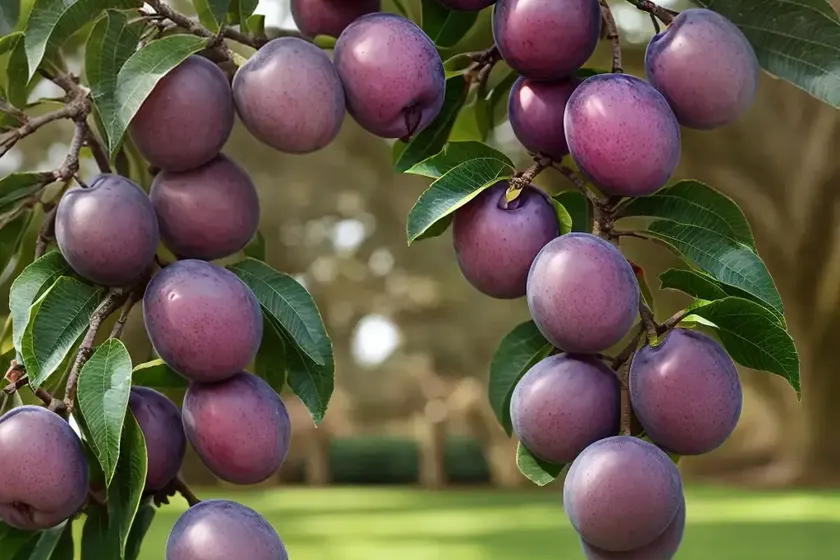
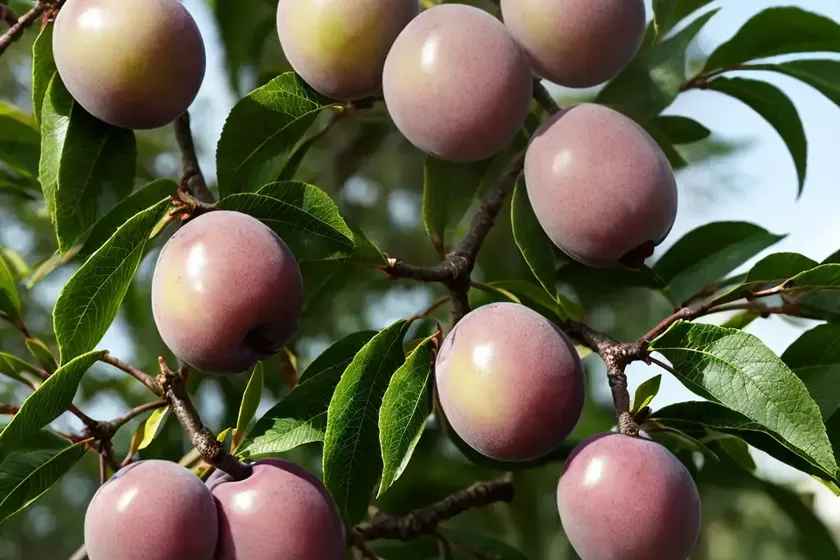
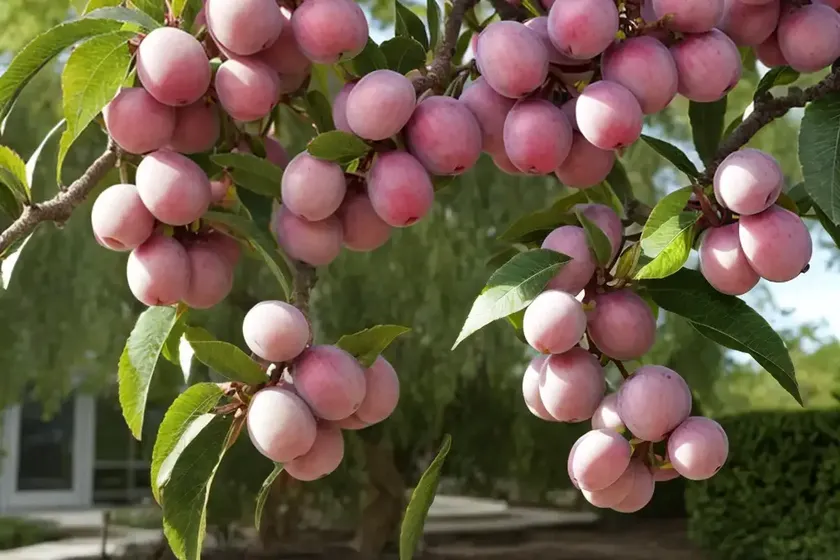
Prunus domestica ‘Green Gage’, commonly known as the European Plum, is a delightful and versatile fruit tree. This species is renowned for its delicious plums and lovely spring blossoms, making it a highly sought-after addition to gardens and orchards. In this comprehensive guide, we will explore everything you need to know about the Prunus domestica ‘Green Gage’, from its characteristics and uses to its cultivation, maintenance, and potential challenges.
What is Prunus domestica ‘Green Gage’?
Prunus domestica ‘Green Gage’ is a variety of European Plum that is particularly esteemed for its exceptional fruit quality. The distinctive greenish-yellow plums are sweet, juicy, and possess a rich flavor, making them highly prized for both fresh consumption and culinary uses. This plum tree is also valued for its ornamental appeal, as it produces beautiful white blossoms in spring, adding a touch of elegance to the landscape.
Key Takeaways
Before delving into the details of Prunus domestica ‘Green Gage’, here are the key takeaway points for this European Plum variety:
- European Plum ‘Green Gage’ is renowned for its exceptional fruit quality and ornamental value.
- It is prized for its sweet, juicy, and flavorful greenish-yellow plums.
- The tree produces beautiful white blossoms in spring.
- Prunus domestica ‘Green Gage’ is highly versatile and can be used for fresh consumption, cooking, and making preserves.
- Proper cultivation and maintenance are essential for ensuring optimal growth, fruit production, and overall health of the tree.
Now, let’s delve into the various aspects of Prunus domestica ‘Green Gage’, including its culture, uses, water and sunlight requirements, fertilizer needs, soil preferences, pruning techniques, propagation methods, popular varieties, common diseases and pests, and valuable tips from botanists.
Culture of Prunus domestica ‘Green Gage’
Cultivating Prunus domestica ‘Green Gage’ requires attention to specific cultural practices to ensure its optimal growth and fruit production. By understanding its cultural requirements, you can create an environment that allows the tree to thrive and yield an abundant harvest of delicious plums.
Uses
Prunus domestica ‘Green Gage’ serves various purposes and has multiple uses, including:
- Fresh Consumption: The plums can be enjoyed fresh, offering a delightful burst of sweetness with every bite.
- Culinary Use: The plums are well-suited for a wide range of culinary applications, including baking, cooking, and making preserves, jams, and chutneys.
- Ornamental Value: Beyond its fruit-bearing capabilities, the tree enhances the aesthetic appeal of gardens and landscapes with its elegant spring blossoms.
- Medicinal Applications: European Plums are recognized for their potential health benefits, including their fiber content and potential role in promoting digestive health.
Water
Adequate water is essential for the healthy growth of Prunus domestica ‘Green Gage’. Ensuring proper watering practices is crucial, especially during its initial establishment and fruit development stages. Here are key points to consider regarding watering:
- Establishment: Newly planted trees require regular watering to support root development and establishment. Inadequate moisture during this phase can hinder the tree’s ability to thrive.
- Fruit Development: Consistent and sufficient water supply is crucial during the fruit development period to promote healthy plum growth and flavor.
Sunlight
Prunus domestica ‘Green Gage’ thrives in locations with full sun exposure. Adequate sunlight is vital for maximizing fruit production and ensuring the overall health and vigor of the tree. Here are some key considerations related to sunlight requirements:
- Optimal Exposure: The tree should be positioned in a location that receives full sunlight, typically requiring at least 6-8 hours of direct sunlight daily.
- Shelter from Shade: Ensure that the tree is not shaded by nearby structures or taller trees, as this could obstruct its access to essential sunlight.
Fertilizer
Appropriate fertilization is crucial for promoting healthy growth, fruit development, and overall vitality of Prunus domestica ‘Green Gage’. Selecting the right type of fertilizer and applying it at the appropriate times can significantly impact the tree’s productivity. Consider the following aspects related to fertilizing the European Plum tree:
- Type of Fertilizer: Use a balanced fertilizer specifically formulated for fruit trees, ensuring that it provides essential nutrients such as nitrogen, phosphorus, and potassium.
- Application Timing: Fertilize the tree in early spring, before the start of new growth, and again in late spring or early summer to support the development of young fruits.
Soil
Prunus domestica ‘Green Gage’ thrives in well-draining, loamy soil with good fertility. Understanding its soil preferences and ensuring optimal soil conditions are crucial for promoting vigorous growth and bountiful fruit production. Consider the following factors related to soil requirements:
- Well-Draining Soil: Avoid waterlogged or compacted soil, as this can impede root growth and lead to poor tree performance.
- Fertility: Enrich the soil with organic matter such as compost or well-rotted manure to improve its fertility and structure.
Pruning
Pruning is an essential aspect of maintaining the health, shape, and productivity of Prunus domestica ‘Green Gage’. Proper pruning practices are vital for managing the tree’s growth, promoting fruit production, and preventing disease. Here are important considerations related to pruning the European Plum tree:
- Timing: Conduct major pruning during the dormant season, typically in late winter or early spring before new growth begins.
- Objective: Prune to remove dead, diseased, or damaged wood, improve air circulation, and shape the tree to a desirable form. Also, thin out excess branches to promote better fruit development.
Propagation
Prunus domestica ‘Green Gage’ can be propagated by various methods, including seed propagation, cuttings, and grafting. Each propagation technique has its advantages and challenges, and selecting the most suitable approach depends on specific factors such as time, resources, and desired outcomes. Here are essential considerations related to propagating European Plum trees:
- Seed Propagation: Growing plums from seeds is possible, but it may not produce trees with similar characteristics to the parent tree.
- Cuttings: Softwood or hardwood cuttings can be used to propagate European Plum trees, with varying success rates depending on the specific conditions and techniques employed.
- Grafting: Grafting onto rootstock is a common method for propagating Prunus domestica ‘Green Gage’, as it allows for the production of trees with consistent fruit quality and desirable traits.
Popularity of Prunus domestica ‘Green Gage’
Prunus domestica ‘Green Gage’ has garnered widespread popularity among gardeners, orchardists, and fruit enthusiasts due to its exceptional fruit quality and ornamental appeal. Its versatility and adaptability to diverse climates make it a sought-after choice for home gardens, commercial orchards, and landscaping projects. The European Plum tree’s popularity is further enhanced by the wide range of delicious culinary creations that can be made from its fruit, ranging from delectable preserves to mouthwatering desserts.
Container Cultivation
While Prunus domestica ‘Green Gage’ is typically grown in orchards or garden beds, it is also possible to cultivate it in containers, especially if space is limited or if specific growing conditions need to be managed. Container cultivation offers the advantage of greater control over soil quality, drainage, and mobility, allowing individuals to enjoy the beauty and bounty of this plum tree in varied settings, including patios, balconies, and urban gardens.
Common Diseases of Prunus domestica ‘Green Gage’
Like all plants, Prunus domestica ‘Green Gage’ is susceptible to certain diseases that can impact its growth and productivity. Familiarizing yourself with the common diseases affecting this European Plum variety is crucial for implementing preventive measures and timely interventions to safeguard the tree’s health.
Disease Diagnosis
Identifying diseases affecting Prunus domestica ‘Green Gage’ and providing prompt treatment is vital for preventing substantial damage and preserving the tree’s vitality. Common diseases that may afflict the European Plum tree include:
- Brown Rot: This fungal disease can cause fruit rot, blossom blight, and twig cankers, often leading to significant fruit loss if left unchecked.
- Plum Pox Virus: Also known as Sharka disease, this viral infection can result in deformed, discolored fruits, stunted growth, and reduced overall vigor of the tree.
- Leaf Curl: Leaf curl disease can cause distortion and discoloration of the leaves, compromising the tree’s ability to photosynthesize and produce healthy, robust fruit.
- Mildew: Powdery mildew can affect the leaves, shoots, and fruits of Prunus domestica ‘Green Gage’, potentially reducing its vigor and overall fruit quality.
Common Pests Affecting Prunus domestica ‘Green Gage’
Prunus domestica ‘Green Gage’ may also face challenges from pests that can compromise its growth and fruit production. Recognizing and addressing pest issues in a timely manner is crucial for mitigating their impacts and maintaining the tree’s health.
Botanist’s Tips
To support the successful cultivation of Prunus domestica ‘Green Gage’, I have compiled a list of valuable tips based on insights from experienced botanists and orchard professionals. These tips encompass various aspects of growing and caring for the European Plum tree, helping you ensure its optimal health, productivity, and longevity.
- Soil Management: Prioritize soil health and fertility by regularly incorporating organic matter and conducting soil tests to assess its nutrient composition.
- Pruning Best Practices: Learn proper pruning techniques to maintain an open canopy structure, remove dead or diseased wood, and support consistent fruit production.
- Pest and Disease Monitoring: Routinely inspect the tree for signs of pests, diseases, or nutrient deficiencies, and take proactive measures to address any identified issues.
- Seasonal Care: Adhere to specific care practices throughout the year, such as winter protection, spring fertilization, summer irrigation, and fall clean-up, to support the tree’s overall welfare.
Fun Facts about Prunus domestica ‘Green Gage’
- The ‘Green Gage’ plum is named after Sir William Gage, who first brought it to England in the 18th century.
- Despite their small size, Green Gage plums are known for their intense and complex flavor, making them a favorite among fruit enthusiasts and culinary professionals.
- The plum tree is part of the Rosaceae family and is related to other popular fruit-bearing species such as cherries, apricots, and peaches.
Links to External Resources
For further information on Prunus domestica ‘Green Gage’ and its cultivation, care, and uses, consider exploring the following external resources:
- University of California: Backyard Orchard Culture – European Plums.
- Royal Horticultural Society: Growing Plums.
- The American Plum Line Dataset.
In conclusion, Prunus domestica ‘Green Gage’ stands as a captivating and rewarding addition to orchards, gardens, and landscapes, offering delectable fruit, ornamental beauty, and an enriching cultivation experience. By understanding and addressing its specific cultural needs, potential challenges, and optimal care practices, you can savor the abundant harvests and visual splendor that this European Plum variety bestows. Whether you are an avid fruit grower, an aspiring orchardist, or a gardening enthusiast, the Prunus domestica ‘Green Gage’ plum tree holds the promise of delightful flavors, natural beauty, and the fulfillment of a thriving and flourishing tree in your own backyard.


