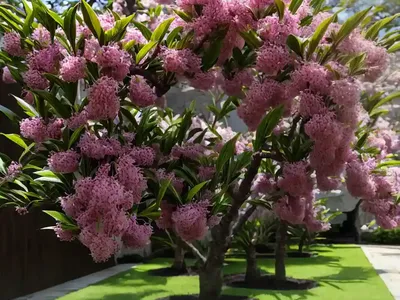
Cherries, Prunus - Flowering Cherry Tree
Prunus ‘Umineko’ (Japanese Flowering Cherry)
As a plant scientist, I am excited to share an in-depth guide about Prunus ‘Umineko’ (Japanese Flowering Cherry). This exquisite tree is celebrated for its.
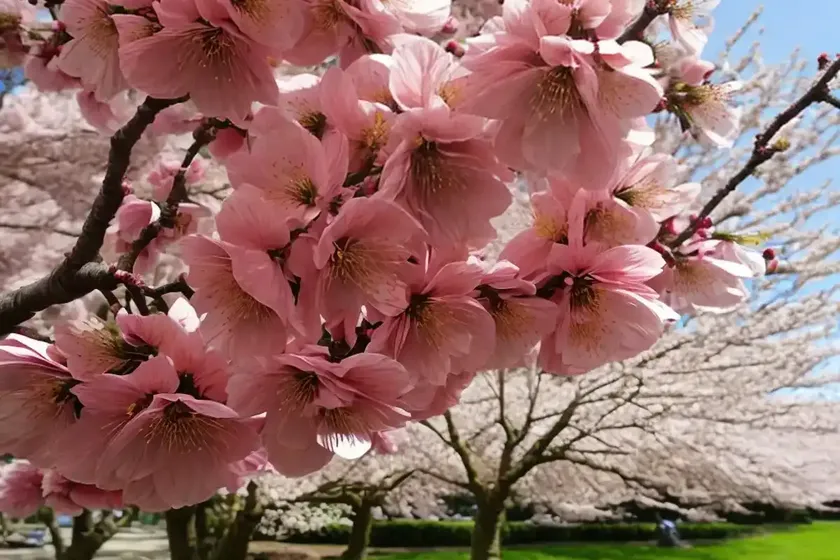
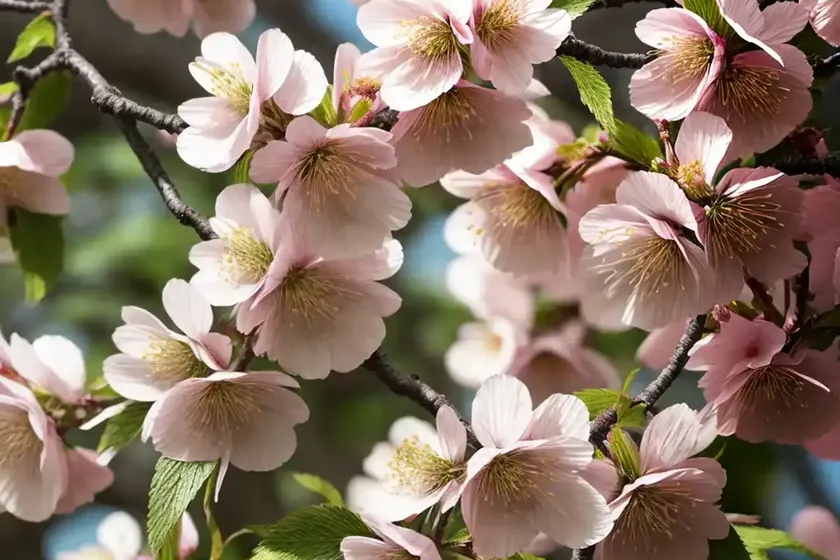
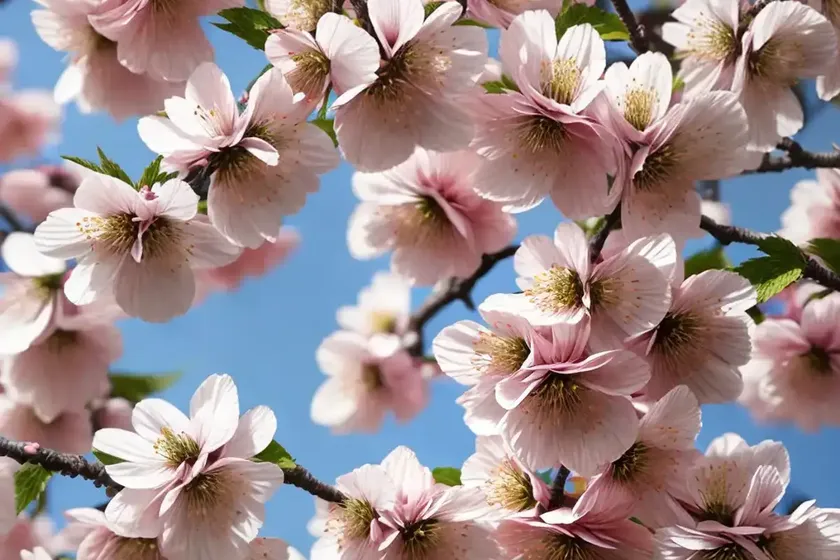
As a plant scientist, I am excited to share an in-depth guide about Prunus ‘Umineko’ (Japanese Flowering Cherry). This exquisite tree is celebrated for its stunning blossoms and has captivated the hearts of many avid gardeners and nature enthusiasts worldwide. In this guide, we will explore the characteristics, cultural significance, care tips, landscape uses, and much more about the Prunus ‘Umineko’. Let’s dive into the world of this mesmerizing Japanese flowering cherry tree.
What is Prunus ‘Umineko’?
Prunus ‘Umineko’ is a type of Japanese flowering cherry tree that belongs to the Prunus genus within the Rosaceae family. Also known as Umineko Cherry, this beautiful tree is characterized by its elegant and abundant blossoms, making it a highly prized ornamental tree in gardens, parks, and landscapes.
Prunus ‘Umineko’ Characteristics
- Scientific Classification:
- Kingdom: Plantae
- Order: Rosales
- Family: Rosaceae
- Genus: Prunus
-
Species: Prunus ‘Umineko’
-
Average Height: 15-25 feet (4.5-7.5 meters)
-
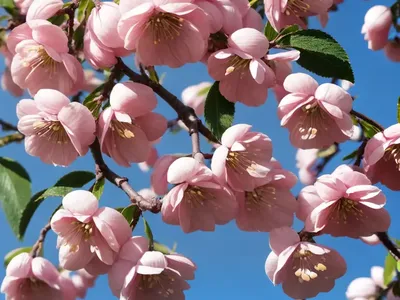
Blossom Color: Delicate white to pale pink
-
Blossoming Season: Early to mid-spring
-
Foliage: Deciduous, elliptic leaves with finely serrated edges
-
Fruit: Small, spherical cherries that are not typically ornamental
-
Growth Pattern: Upright, spreading
The Prunus ‘Umineko’ tree, with its graceful branching and enchanting blossoms, is a symbol of renewal, beauty, and the ephemeral nature of life. Its cultural significance and stunning blooms make it a popular choice for gardens, public spaces, and even ceremonial plantings.
Key Takeaways – Prunus ‘Umineko’ (Japanese Flowering Cherry)
Culture
In Japanese culture, the cherry blossom holds deep cultural significance and is revered as a symbol of both the fleeting nature of life (mono no aware) and the beauty of the moment. The annual tradition of hanami, or cherry blossom viewing, is a centuries-old practice that celebrates the transient beauty of these delicate flowers.
Uses
-
Ornamental Purposes: The Prunus ‘Umineko’ is primarily cultivated for its ornamental value, adding elegance and charm to gardens, parks, and landscapes.
-
Cultural Celebrations: These trees are often planted in public spaces to celebrate the arrival of spring and to symbolize new beginnings.
Water
Proper watering is essential, especially during the establishment phase. A consistent watering schedule to keep the soil evenly moist is recommended. However, it’s important to avoid overwatering, as excessive moisture can lead to root rot and other issues.
Sunlight
Prunus ‘Umineko’ thrives in full sun to partial shade. Planting in a location that receives ample sunlight, particularly during the blooming season, will promote healthy growth and abundant blossoms.
Fertilizer
A balanced, slow-release fertilizer formulated for flowering trees can provide the necessary nutrients for healthy growth and prolific blossoms. It’s essential to follow the recommended application rates and timing to avoid overfeeding or nutrient deficiencies.
Soil
Well-draining, slightly acidic soils are ideal for Prunus ‘Umineko’. Amending the soil with organic matter can improve its structure and fertility, creating a favorable environment for the tree’s roots.
Pruning
Pruning can help maintain the tree’s shape, remove dead or diseased branches, and promote robust flowering. It’s crucial to prune at the right time and with proper techniques to prevent damage and encourage balanced growth.
Propagation
Propagating Prunus ‘Umineko’ can be achieved through methods such as softwood cuttings, grafting, or seed propagation. Each technique has its requirements and challenges, and selecting the most suitable method depends on the desired outcomes and available resources.
Container Popularity
As a compact and visually stunning tree, Prunus ‘Umineko’ is well-suited for container gardening, allowing individuals with limited space to enjoy its enchanting blossoms on patios, balconies, or in small gardens.
Common Diseases
Like many ornamental trees, Prunus ‘Umineko’ is susceptible to certain diseases, including fungal infections such as powdery mildew and leaf spot diseases. Proper cultural practices and proactive measures can help mitigate the risk of these issues.
Disease Diagnosis
Early detection and accurate diagnosis of diseases are essential for implementing effective management strategies. Recognizing the symptoms and understanding the underlying causes of diseases can guide targeted interventions to safeguard the tree’s health.
Common Pests
Pests such as aphids, scale insects, and caterpillars may infest Japanese flowering cherry trees. Monitoring for pest activity and implementing appropriate pest control measures can help minimize damage and preserve the tree’s vitality.
Botanist’s Tips
-
Regular monitoring and observation of Prunus ‘Umineko’ can provide valuable insights into its health and growth patterns.
-
Incorporating diverse plant species in the vicinity of Prunus ‘Umineko’ can enhance ecological balance and create a more vibrant and resilient garden or landscape.
Fun Facts
-
The cherry blossom holds great cultural significance in Japan and is an enduring symbol of beauty, transience, and the arrival of spring.
-
The practice of hanami, or cherry blossom viewing, is deeply rooted in Japanese tradition and continues to be a cherished annual event.
Now that we have explored the fundamental aspects of Prunus ‘Umineko’, let’s delve deeper into each of these topics to gain a comprehensive understanding of this captivating Japanese flowering cherry tree.
External Resources
For additional information and in-depth insights into Prunus ‘Umineko’ and related topics, you can explore the following external resources:
-
Cultural Significance of Japanese Flowering Cherry Trees – Smithsonian Magazine
-
Pruning Techniques for Ornamental Trees – University of California Agriculture and Natural Resources
These resources offer valuable information and diverse perspectives, enriching our understanding of Prunus ‘Umineko’ and its cultural, horticultural, and ecological dimensions.
As we continue our exploration, we will delve into the nuances of each aspect, from care tips and landscape uses to disease prevention and ornamental features, to provide a comprehensive guide for enthusiasts, horticulturists, and nature lovers who admire the beauty and elegance of Prunus ‘Umineko’ (Japanese Flowering Cherry).
Now, let’s embark on this captivating journey into the world of Prunus ‘Umineko’ and deepen our appreciation for this remarkable tree.