Primula elatior (Oxlip): A Comprehensive Guide for Cultivation and Care
As a plant scientist specializing in the study and cultivation of Primula elatior, commonly known as Oxlip, I am delighted to share with you my knowledge and expertise in this comprehensive guide. Primula elatior is a captivating and versatile plant that has captured the interest of botanists, gardeners, and nature enthusiasts for centuries. In this guide, we will delve into the various aspects of this enchanting plant, including its characteristics, cultural significance, uses, and tips for successful cultivation.
What is Primula elatior (Oxlip)?
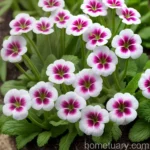
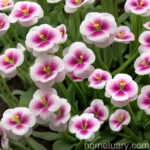
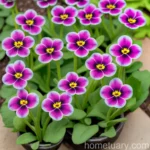
Primula elatior, or Oxlip, is a perennial herbaceous plant belonging to the Primulaceae family. This elegant and understated plant is native to Europe and can be found in woodlands, meadows, and damp grasslands. It typically blooms in the spring, gracing its surroundings with clusters of delicate, nodding, pale yellow flowers that exude a sweet and subtle fragrance, attracting early pollinators.
Key Takeaways – Primula elatior (Oxlip)
Before we delve into the specifics of cultivating and caring for Oxlip plants, let’s begin by summarizing some key takeaways about this enchanting species:
- Plant Name: Primula elatior (Oxlip)
- Family: Primulaceae
- Native Habitat: Woodlands, meadows, damp grasslands of Europe
- Flowering Season: Spring
- Flower Color: Pale yellow
- Fragrance: Sweet and subtle
- Cultural Significance: Folklore and traditional medicinal uses
- Growth Habit: Clump-forming herbaceous perennial
Now that we have a basic understanding of Oxlip, let’s explore the various aspects of its cultivation and care, from soil and sunlight requirements to propagation techniques and common pests and diseases.
Culture
Cultivating Primula elatior requires an understanding of its cultural requirements, including its preferred growing conditions, habitat, and soil needs. By providing the right environment for Oxlip, you can ensure its optimal growth and floral display.
Habitat and Natural Conditions
Oxlip is naturally found in woodlands, meadows, and damp grasslands, thriving in partial shade and moist, well-drained soil. It is essential to replicate these natural conditions when cultivating Oxlip in a garden or landscape setting.
Growing Conditions
When selecting a site for planting Oxlip, consider the following factors:
- Light: Partial shade to full shade. Oxlip thrives in dappled sunlight or filtered light, making it an ideal choice for shaded garden areas.
- Soil: Moist, humus-rich, and well-draining soil. Oxlip prefers slightly acidic to neutral soil pH.
- Moisture: Consistent moisture during the growing season, but avoid waterlogged conditions.
- Temperature: Cool to moderate temperatures. Oxlip may struggle in hot, dry climates and prefers cooler environments.
By creating an environment that mimics the plant’s natural habitat, you can promote healthy growth and abundant flowering in Primula elatior.
Uses
Primula elatior holds cultural, horticultural, and ecological significance, with various uses ranging from traditional medicine to ornamental gardening. Understanding the diverse uses of Oxlip can deepen your appreciation for this multifaceted plant.
Ornamental Garden Plant
One of the primary uses of Primula elatior is its role as an ornamental garden plant. Its delicate and graceful appearance makes it a coveted addition to woodland gardens, shaded borders, and naturalistic landscapes. When massed together, Oxlip can create a captivating carpet of spring blooms, adding a touch of ethereal beauty to the garden.
Traditional Medicine
In traditional herbal medicine, certain species within the Primula genus, including Primula elatior, have been used for their medicinal properties. While the usage of Oxlip specifically may not be as prevalent in modern herbal remedies, it is worth noting the historical significance of the Primula genus in traditional medicine.
Ecological Importance
As a native plant species in Europe, Oxlip plays a role in supporting local ecosystems and wildlife. Its early flowering period provides a vital nectar source for pollinators, including bees and butterflies, contributing to the overall biodiversity of its habitat.
Understanding the multifaceted uses of Oxlip encourages a holistic perspective on its significance, beyond its aesthetic appeal in the garden.
Water
Proper watering is crucial for the health and vitality of Primula elatior. As a plant scientist, I emphasize the importance of understanding the water needs of Oxlip to maintain an optimal balance of moisture in its growing environment.
Watering Guidelines
When watering Oxlip, consider the following guidelines:
- Moisture: Consistently moist soil during the growing season, especially in spring and early summer when the plant is actively growing and flowering.
- Avoid Waterlogging: While Oxlip prefers moist conditions, it is essential to avoid waterlogged soil, as excessive moisture can lead to root rot and other issues.
- Mulching: Applying a layer of organic mulch, such as leaf litter or well-rotted compost, can help retain soil moisture and regulate the soil temperature around the plant’s root zone.
By adhering to these watering guidelines, you can provide an optimal growing environment for Primula elatior, ensuring its long-term health and well-being.
Sunlight
Understanding the sunlight requirements of Primula elatior is essential for successful cultivation. Oxlip’s preference for partial to full shade distinguishes it as an ideal choice for shaded and woodland garden settings.
Sunlight Preferences
Consider the following sunlight preferences for Oxlip:
- Partial Shade: Oxlip thrives in dappled sunlight and filtered light, making it an excellent choice for planting under the canopy of deciduous trees or in partially shaded garden areas.
- Avoid Direct Sun: While some morning sunlight may be beneficial, Oxlip generally prefers to avoid direct, intense sunlight, especially during the hottest part of the day.
- Adaptation: In the right conditions, Oxlip can adapt to a range of light intensities, making it a versatile choice for shaded landscapes.
By selecting appropriate planting locations and providing the right balance of light, you can ensure the healthy growth and flowering of Primula elatior in your garden.
Fertilizer
Applying the correct fertilizer can support the growth and flowering of Primula elatior. As a plant scientist, I recommend using a balanced and organic approach to fertilizing Oxlip, taking into account its specific nutrient needs.
Fertilization Tips
Consider the following tips for fertilizing Oxlip:
- Organic Matter: Incorporate well-rotted organic matter, such as compost or leaf mold, into the soil before planting to provide a nutrient-rich foundation for the roots.
- Balanced Fertilizer: Use a balanced, slow-release fertilizer with a formulation such as 10-10-10 or 5-5-5, applying it sparingly in early spring as new growth emerges.
- Avoid Excess Nitrogen: While Oxlip benefits from a modest amount of nitrogen, excessive nitrogen levels can lead to lush foliage at the expense of flowering. Use fertilizers with a balanced nutrient profile to support overall plant health.
By adopting a mindful and organic approach to fertilization, you can promote the vigorous growth and abundant flowering of Primula elatior without risking nutrient imbalances or overstimulation.
Soil
Understanding the soil requirements of Primula elatior is fundamental to its successful cultivation. Oxlip thrives in specific soil conditions that mimic its natural habitat, and as a plant scientist, I emphasize the importance of creating an optimal soil environment for this enchanting plant.
Soil Requirements
Consider the following soil requirements for cultivating Oxlip:
- Moisture Retention: Well-draining soil that retains moisture without becoming waterlogged is essential for Oxlip. Incorporate organic matter into the soil to improve its moisture retention capabilities.
- pH Level: Oxlip prefers slightly acidic to neutral soil with a pH range of 6.0 to 7.0. Test the soil pH and amend it if necessary to create an ideal growing environment for the plant.
- Texture: A loamy soil texture with a good balance of sand, silt, and clay promotes healthy root development and overall plant growth.
By addressing these soil requirements, you can establish an optimal foundation for the growth and vitality of Primula elatior in your garden or landscape.
Pruning
Pruning is an important aspect of Oxlip care, aiding in the plant’s vigor, appearance, and flowering performance. Understanding the principles of pruning can empower gardeners to maintain healthy and attractive stands of Primula elatior.
Pruning Guidelines
Consider the following guidelines for pruning Oxlip:
- Deadheading: Remove spent flowers to encourage continuous blooming and prevent the plant from diverting energy into seed production.
- Foliage Maintenance: Trim away yellowing or damaged foliage to promote a tidy appearance and reduce the risk of disease or pest issues.
- Division: Every few years, consider dividing mature clumps of Oxlip to rejuvenate the plant, manage its size, and propagate new specimens.
By incorporating these pruning practices into your Oxlip care routine, you can promote the plant’s overall health and vigor while enhancing its visual appeal in the garden.
Propagation
Expanding your Oxlip collection or sharing this delightful plant with fellow enthusiasts can be achieved through successful propagation techniques. Understanding the various methods of propagating Primula elatior empowers you to grow and propagate this captivating species with confidence.
Propagation Methods
Consider the following propagation methods for Oxlip:
- Division: In early spring or after flowering, carefully divide established clumps of Oxlip, ensuring that each division has viable roots and shoots. Replant the divisions in prepared soil to establish new plants.
- Seeds: Collect ripe seeds from Oxlip plants and sow them in pots or trays filled with a well-draining seed-starting mix. Maintain consistent moisture and provide indirect light until the seeds germinate and establish seedlings.
By employing these propagation methods, you can expand your Oxlip collection and share the beauty of Primula elatior with other gardening enthusiasts.
Container Popularity
The enchanting beauty and adaptability of Primula elatior make it a popular choice for container gardening, bringing its delicate blooms and lush foliage to patios, balconies, and shaded outdoor spaces.
Container Considerations
When growing Oxlip in containers, consider the following factors:
- Pot Size: Select a pot or container that provides ample room for the plant’s root system to spread while ensuring good drainage.
- Growing Medium: Use a high-quality, well-draining potting mix formulated for acid-loving plants to provide a suitable growing medium for Oxlip.
- Placement: Position the container in a shaded or partially shaded location, protecting the plant from intense midday sun while providing adequate light for growth and flowering.
By embracing container gardening with Primula elatior, you can introduce a touch of natural elegance to outdoor living spaces, enhancing the beauty and charm of your patio or garden.
Common Diseases
Understanding the potential diseases that can affect Oxlip is crucial for proactive disease management and prevention. As a plant scientist, I emphasize the importance of vigilance and proper cultural practices to minimize the risk of disease issues in Primula elatior.
Disease Prevention
To protect Oxlip from common diseases, consider the following preventive measures:
- Air Circulation: Ensure adequate air circulation around the plants to reduce humidity and minimize the risk of fungal diseases, such as powdery mildew or leaf spot.
- Watering Practices: Avoid overhead watering and excessive moisture around the foliage to prevent the development of fungal infections.
- Sanitation: Remove and dispose of any diseased or damaged plant material to prevent the spread of pathogens.
By implementing these preventive strategies, you can help safeguard the health and vitality of Primula elatior in your garden, reducing the likelihood of disease issues.
Disease Diagnosis
When encountering signs of potential disease in Oxlip, accurate diagnosis is essential for implementing effective treatment and management strategies. As a plant scientist, I recommend familiarizing yourself with the common symptoms and indicators of diseases that may affect Primula elatior.
Common Disease Symptoms
Look out for the following common disease symptoms in Oxlip:
- Powdery Mildew: White powdery patches on the leaves and stems.
- Leaf Spot: Circular or irregular dark spots on the foliage, often with a concentric ring pattern.
- Root Rot: Wilting, yellowing, or browning of the foliage, accompanied by rotting or decaying roots.
By promptly identifying and diagnosing disease symptoms, you can take proactive steps to address the underlying issues and prevent the spread of diseases within your Oxlip population.
Common Pests
While Primula elatior is generally resistant to most pests, occasional pest encounters may occur, requiring vigilant monitoring and targeted pest management strategies.
Pest Vigilance
Be on the lookout for the following common pests that may affect Oxlip:
- Slugs and Snails: These mollusks can feed on the foliage and flowers of Oxlip, leaving behind irregular holes and damage.
- Aphids: Small, soft-bodied insects that may congregate on the tender shoots and buds of Oxlip, leading to distorted growth and honeydew secretion.
- Botrytis Cinerea: While technically a fungal pathogen, Botrytis cinerea can pose a threat to Oxlip by causing gray mold on the flowers and foliage.
By remaining vigilant and employing targeted pest control measures, you can mitigate pest pressure and protect the health and beauty of Primula elatior in the garden.
Botanist’s Tips
Incorporate the following botanist’s tips for successfully cultivating and caring for Primula elatior:
- Mulching: Apply a layer of organic mulch around Oxlip plants to retain moisture, suppress weeds, and insulate the soil.
- Companion Planting: Pair Oxlip with other shade-loving plants, such as ferns, hostas, and woodland bulbs, to create visually appealing woodland garden displays.
- Native Plant Landscapes: Consider incorporating Oxlip into native plant landscapes and woodland restoration projects to support local biodiversity and conservation efforts.
By integrating these botanist’s tips into your Oxlip care routine, you can enhance the health and beauty of your garden while contributing to ecological sustainability.
Fun Facts
To further deepen your appreciation for Primula elatior, consider the following fun and intriguing facts about this captivating plant:
- Folklore and Mythology: Oxlip features prominently in European folklore and mythology, with tales and traditions associating it with various cultural symbols and beliefs.
- Natural Habitat: Primula elatior has a preference for shaded woodland environments, where it thrives in the dappled light and rich humus of the forest floor.
- Pollinator Attraction: Oxlip’s pale yellow flowers act as beacons for early spring pollinators, serving as an important nectar and pollen resource for bees and other insects.
Exploring the fun and fascinating aspects of Primula elatior can enrich your connection to this extraordinary plant, fostering a deeper sense of wonder and admiration.
Links to External Resources
As you continue to explore the world of Primula elatior, I encourage you to consult the following external resources for additional insights and information:
- Royal Horticultural Society – Primula elatior
- Missouri Botanical Garden – Primula elatior
- The American Primrose Society
These reputable sources can provide valuable guidance and support as you deepen your knowledge and appreciation of Oxlip and its diverse characteristics.
In conclusion, Primula elatior (Oxlip) stands as a captivating and versatile plant with rich cultural, horticultural, and ecological significance. By understanding its cultural requirements, uses, and care guidelines, you can cultivate and cherish this enchanting plant in your garden while contributing to the preservation of its natural beauty and heritage.
As a plant scientist dedicated to the study and conservation of Primula elatior, I hope this comprehensive guide has inspired and empowered you to embark on a rewarding journey of Oxlip cultivation and appreciation in your own gardening endeavors.

Image Source: Pixabay