Petunia ‘Supertunia Bermuda Beach’)
Petunia ‘Supertunia Bermuda Beach’ is a stunning and versatile plant that adds color and vibrancy to any garden or landscape. Its beautiful flowers and.
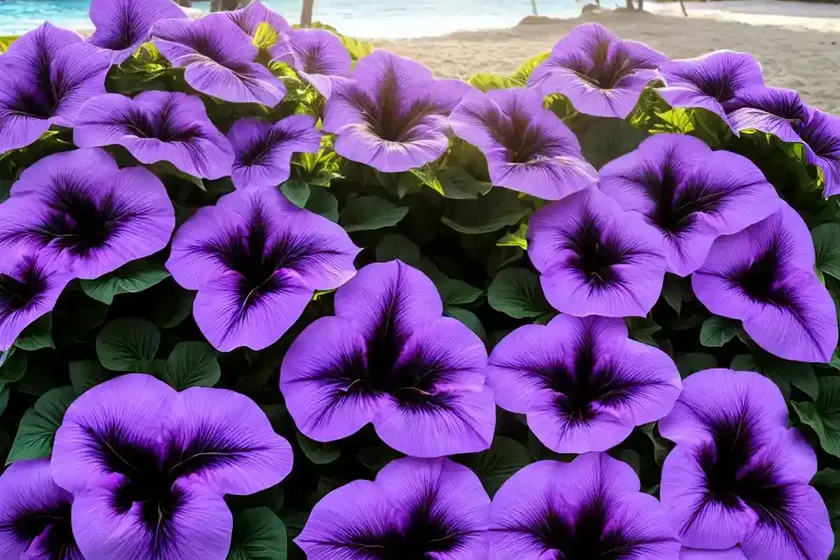
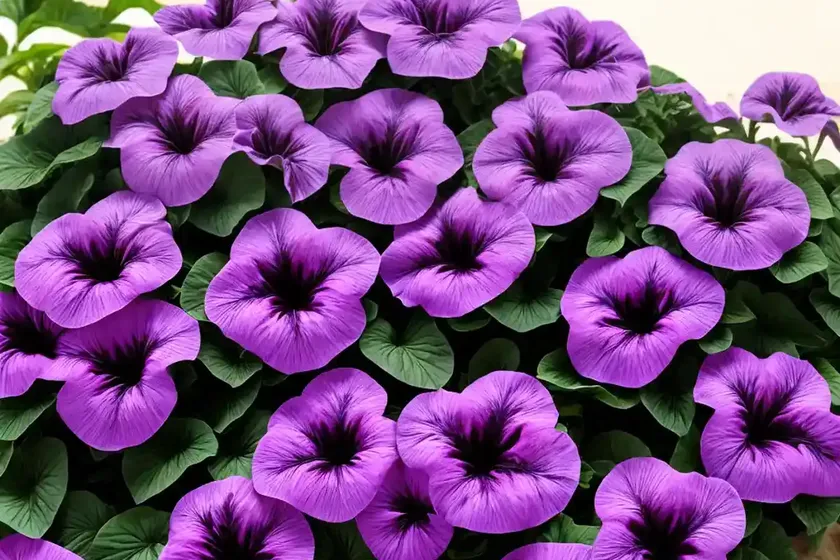
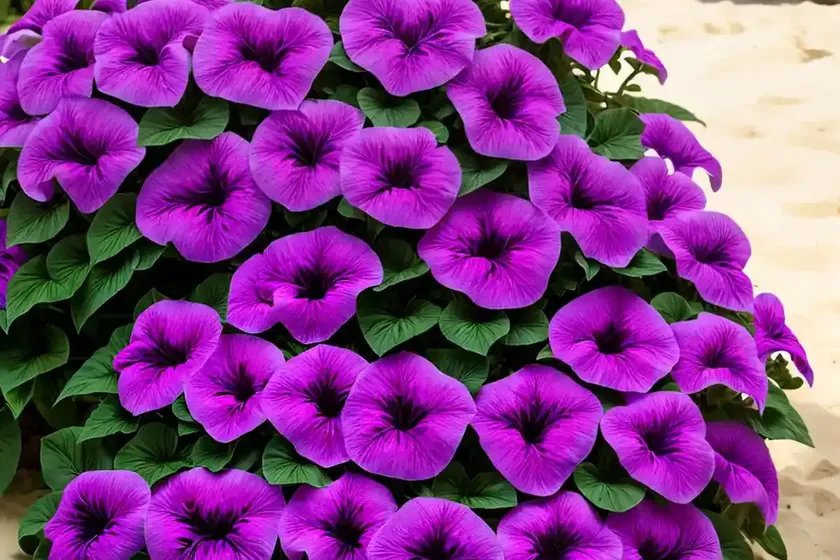
Petunia ‘Supertunia Bermuda Beach’ is a stunning and versatile plant that adds color and vibrancy to any garden or landscape. Its beautiful flowers and easy maintenance make it a popular choice among gardeners. In this comprehensive guide, we will explore everything you need to know about Petunia ‘Supertunia Bermuda Beach’, from its characteristics and cultural needs to its uses, propagation, and common diseases and pests.
What is Petunia ‘Supertunia Bermuda Beach’?
Petunia ‘Supertunia Bermuda Beach’ is a hybrid petunia known for its abundant, colorful blooms and trailing growth habit. It is a member of the Solanaceae family, which includes popular flowering plants such as tomatoes, peppers, and tobacco. This particular variety is beloved for its ability to thrive in various growing conditions and its exceptional performance in containers, hanging baskets, borders, and as ground cover.
The ‘Supertunia Bermuda Beach’ cultivar is characterized by its stunning bicolor flowers, which feature a mix of vibrant pink and creamy yellow tones. The flowers bloom profusely throughout the growing season, creating a show-stopping display of color and attracting pollinators such as bees and butterflies.
Key Takeaways
- Plant Name: Petunia ‘Supertunia Bermuda Beach’
- Family: Solanaceae
- Bloom Color: Pink and creamy yellow
- Growth Habit: Trailing
- Uses: Containers, hanging baskets, borders, ground cover
With its striking appearance and versatile uses, Petunia ‘Supertunia Bermuda Beach’ is a valuable addition to any garden or landscape. Let’s delve deeper into its cultural requirements, uses, and maintenance to help you successfully cultivate and enjoy this beautiful plant.
Culture
Cultivating Petunia ‘Supertunia Bermuda Beach’ to its full potential involves understanding and meeting its specific cultural needs. By providing the right growing conditions, you can ensure that the plant thrives and produces an abundance of stunning flowers.
Water
Proper watering is crucial for the health and vitality of Petunia ‘Supertunia Bermuda Beach’. As a general rule, the plant prefers consistently moist soil but should not be allowed to sit in waterlogged conditions. When watering, aim to keep the soil evenly moist, especially during hot and dry periods. To prevent issues such as root rot, it’s essential to strike a balance between providing adequate moisture and avoiding waterlogged soil.
Sunlight
Petunia ‘Supertunia Bermuda Beach’ thrives in full sun, requiring at least 6-8 hours of direct sunlight per day for optimal growth and flowering. In locations with intense heat, some afternoon shade can be beneficial to prevent the plant from becoming stressed. When choosing a planting site or positioning containers, prioritize locations that receive ample sunlight to promote healthy and vigorous growth.
Fertilizer
Regular fertilization is essential to support the continuous growth and blooming of Petunia ‘Supertunia Bermuda Beach’. A balanced, water-soluble fertilizer with a formulation such as 10-10-10 or 20-20-20 can be applied every 2-4 weeks during the growing season. Alternatively, incorporating a slow-release fertilizer into the soil at the time of planting provides a consistent source of nutrients over an extended period.
Soil
Well-draining, nutrient-rich soil is important for the successful cultivation of Petunia ‘Supertunia Bermuda Beach’. A high-quality potting mix or garden soil with added organic matter, such as compost or peat moss, creates an ideal growing medium. Additionally, maintaining a slightly acidic to neutral pH level (around 6.0-7.0) supports the plant’s nutrient uptake and overall health.
Pruning
Regular pruning and deadheading contribute to the overall appearance and longevity of Petunia ‘Supertunia Bermuda Beach’. By removing spent flowers and trimming back leggy or overgrown stems, you can encourage the plant to produce new blooms and maintain a compact, tidy growth habit. This practice also prevents the plant from diverting energy into seed production, promoting continuous flowering throughout the season.
Uses
Petunia ‘Supertunia Bermuda Beach’ offers a wide range of uses in garden and landscape settings, making it a versatile and valuable addition to any outdoor space. Whether used as a focal point in containers or as a ground cover in flower beds, this plant has the ability to enhance the visual appeal of its surroundings.
Container Planting
The trailing growth habit and abundant blooms of Petunia ‘Supertunia Bermuda Beach’ make it a natural choice for container planting. Whether showcased alone in a hanging basket or combined with other complementary flowering plants in a mixed container, its vibrant colors and vigorous growth create a stunning display. When selecting a container, ensure that it provides adequate drainage and sufficient space for the plant’s roots to spread and develop.
Hanging Baskets
The cascading nature of Petunia ‘Supertunia Bermuda Beach’ lends itself beautifully to hanging baskets, where the plant’s trailing stems can spill over the edges, creating a lush and colorful arrangement. When positioned in a location that receives ample sunlight, hanging baskets filled with this stunning petunia variety can serve as eye-catching focal points on patios, porches, and balconies.
Ground Cover
In garden beds and along walkways, Petunia ‘Supertunia Bermuda Beach’ functions as an effective ground cover, forming a dense mat of vibrant flowers and foliage. Its trailing growth habit allows it to spread and fill in gaps, suppressing weed growth and providing an attractive, low-maintenance covering for bare ground. When mass-planted as a ground cover, it can create a striking visual impact and contribute to a cohesive landscape design.
Propagation
Propagating Petunia ‘Supertunia Bermuda Beach’ allows you to expand your plant collection, share its beauty with others, and fill additional areas of your garden with its colorful blooms. There are several methods of propagation that can be used to create new plants from existing ones, each with its own set of benefits and considerations.
Stem Cuttings
Propagating Petunia ‘Supertunia Bermuda Beach’ from stem cuttings is a straightforward and effective method of creating new plants. Select a healthy, non-flowering stem from the parent plant and use a sharp, clean pair of garden shears to take a 4-6 inch cutting. Remove lower leaves from the cutting to expose a node, which will be the point of root formation. Plant the cutting in a well-draining rooting medium, such as a mix of perlite and peat moss, and keep it consistently moist in a warm, bright location. Over time, the cutting will develop roots and can be transplanted into a larger container or into the garden.
Seed
Growing Petunia ‘Supertunia Bermuda Beach’ from seed allows you to produce a large number of plants and explore the potential for developing new variations. Start by collecting mature seeds from the plant, taking care to dry them thoroughly before storing. When ready to sow, plant the seeds in a sterile, well-draining seed starting mix and cover them lightly. Place the trays or containers in a warm, bright location and keep the soil consistently moist. As the seeds germinate and grow into seedlings, they can be transplanted into individual containers or directly into the garden.
Division
If you have an established clump of Petunia ‘Supertunia Bermuda Beach’ that has become overgrown or requires rejuvenation, division is a suitable propagation method. Using a sharp knife or garden spade, carefully separate sections of the plant, ensuring that each division has a healthy portion of roots and foliage. Transplant the divisions into prepared soil, keep them well-watered, and provide protection from intense sunlight until they become established.
By utilizing these propagation methods, you can increase the number of Petunia ‘Supertunia Bermuda Beach’ plants in your garden or produce them for sharing with friends and fellow gardening enthusiasts.
Popularity
Petunia ‘Supertunia Bermuda Beach’ has gained popularity among gardeners and landscapers due to its captivating appearance, versatility, and ease of cultivation. Its striking bicolor flowers and trailing growth habit make it an appealing choice for a variety of outdoor applications, from container plantings to ground cover. Additionally, its low-maintenance nature and ability to thrive in different climate zones contribute to its widespread popularity.
Container Gardening
The use of Petunia ‘Supertunia Bermuda Beach’ in container gardening has significantly contributed to its popularity, as it allows the plant to be showcased in a variety of settings, from small urban balconies to expansive garden landscapes. Its ability to thrive and bloom profusely in containers elevates the visual appeal of outdoor living spaces and provides an opportunity for individuals with limited garden space to enjoy its beauty.
Landscape Plantings
In larger garden and landscape settings, Petunia ‘Supertunia Bermuda Beach’ is utilized for its ground cover capabilities and ability to form colorful borders and edgings. Whether integrated into flower beds, interplanted with other annuals and perennials, or used to decorate pathways and garden borders, its vibrant display of flowers enhances the overall aesthetic and contributes to creating visually stunning landscapes.
Petunia ‘Supertunia Bermuda Beach’ has become a favorite among those seeking to add color, vibrancy, and visual interest to their outdoor spaces. Its ability to thrive in various settings, coupled with its adaptability to different uses, has solidified its position as a sought-after plant for both beginner and experienced gardeners.
Common Diseases
While Petunia ‘Supertunia Bermuda Beach’ is relatively resilient, it is susceptible to certain diseases that can affect its overall health and appearance. Understanding these common diseases and their symptoms enables you to take proactive measures to prevent and manage them, ensuring that your plants remain vigorous and vibrant.
Disease Diagnosis
The following are some of the most common diseases that can affect Petunia ‘Supertunia Bermuda Beach’, along with their identifiable symptoms:
-
Powdery Mildew: Powdery mildew presents as a powdery, white fungal growth on the leaves and stems of the plant. It can lead to leaf distortion and premature leaf drop, weakening the plant’s overall health.
-
Botrytis Blight: Also known as gray mold, botrytis blight manifests as a gray, fuzzy growth on the flowers and foliage of the plant. Infected tissues may become mushy and decay, and a distinct musty odor can be present.
-
Root and Stem Rots: Various fungal pathogens can cause root and stem rots in Petunia ‘Supertunia Bermuda Beach’. Affected plants may exhibit wilted, discolored foliage and show signs of root decay upon inspection.
-
Virus Diseases: Viral diseases can cause a range of symptoms in petunias, such as mottled or distorted foliage, stunted growth, and reduced flowering. Aphids and other insect vectors can transmit viruses to the plants.
Disease Prevention
To prevent and manage common diseases affecting Petunia ‘Supertunia Bermuda Beach’, several cultural and preventative practices can be implemented:
-
Proper Air Circulation: Ensuring good air circulation around the plants inhibits the development and spread of fungal diseases such as powdery mildew and botrytis blight.
-
Hygienic Practices: Regularly removing and disposing of diseased plant material, such as infected leaves and flowers, minimizes the presence of pathogens and reduces the risk of disease spread.
-
Avoid Overheads Irrigation: Watering the plants at the base, rather than using overhead irrigation, helps to keep the foliage dry and reduces the likelihood of fungal diseases taking hold.
-
Monitoring and Early Intervention: Regularly inspecting plants for signs of disease allows for early detection and intervention, which can prevent the spread of pathogens and minimize the impact on plant health.
By being vigilant and implementing proactive measures, you can minimize the risk of common diseases affecting Petunia ‘Supertunia Bermuda Beach’ and ensure that your plants remain healthy and vibrant throughout the growing season.
Common Pests
In addition to diseases, Petunia ‘Supertunia Bermuda Beach’ may encounter various pests that can compromise its growth and flowering. Familiarizing yourself with these common pests and their control methods empowers you to protect your plants and maintain their vitality.
Pest Control
Several pests are known to target Petunia ‘Supertunia Bermuda Beach’, with some of the most common ones including:
-
Aphids: These small, soft-bodied insects feed on the sap of the plant, causing distorted growth and the secretion of honeydew, which can lead to sooty mold.
-
Spider Mites: Tiny arachnids that feed on the undersides of leaves, spider mites can cause stippling, discoloration, and webbing on the foliage, leading to reduced plant vigor.
-
Whiteflies: Whiteflies are small, winged insects that congregate on the undersides of leaves and feed on plant sap, potentially causing yellowing, wilting, and reduced photosynthetic capacity.
Integrated Pest Management
Implementing an integrated pest management (IPM) approach allows for the effective control of pests while minimizing the impact on non-target organisms and the surrounding environment. Key components of an IPM program for Petunia ‘Supertunia Bermuda Beach’ include:
-
Monitoring: Regularly inspecting plants for signs of pest activity, such as the presence of insects, feeding damage, or stippling on the foliage.
-
Cultural Practices: Encouraging natural predators of pests, such as ladybugs and lacewings, and implementing practices that deter pest activity, such as maintaining proper plant spacing and cleanliness.
-
Mechanical Control: Using methods such as hand-picking pests, spraying plants with a strong stream of water, or applying insecticidal soap to control populations and reduce pest numbers.
-
Chemical Control: In cases where pests reach damaging levels and non-chemical methods are ineffective, targeted applications of insecticidal products may be considered as part of an overall control strategy.
By incorporating these pest control measures into your gardening practices, you can effectively manage common pests that affect Petunia ‘Supertunia Bermuda Beach’ and safeguard the health and vigor of your plants.
Botanist’s Tips
To help you achieve optimal results when growing Petunia ‘Supertunia Bermuda Beach’, here are some expert tips from botanists and experienced growers:
-
Deadhead Regularly: Remove spent flowers regularly to encourage continuous blooming and maintain a tidy appearance. Deadheading also prevents the plant from diverting energy into seed production.
-
Monitor Moisture Levels: Keep an eye on soil moisture and aim to provide consistent, even moisture to prevent the plant from drying out or becoming waterlogged.
-
Provide Support if Needed: In instances where the plant’s trailing growth habit needs support, such as when grown in containers or hanging baskets, consider using stakes or trellises to assist the plant in growing upright.
-
Increase Air Circulation: Proper air circulation around the plant helps prevent the development and spread of fungal diseases, particularly in humid environments.
-
Inspect Regularly: Conduct regular inspections of your Petunia ‘Supertunia Bermuda Beach’ plants to identify and address any disease or pest issues promptly.
By applying these botanist-approved tips, you can enhance the health and performance of Petunia ‘Supertunia Bermuda Beach’ in your garden, ensuring that it thrives and continues to produce an abundance of colorful blooms.
Fun Facts
Discover some interesting and lesser-known facts about Petunia ‘Supertunia Bermuda Beach’ that add to its charm and appeal:
-
Butterfly Magnet: The colorful blooms of Petunia ‘Supertunia Bermuda Beach’ are highly attractive to butterflies, adding a delightful element of wildlife interaction to your garden.
-
Multiple Blooming Cycles: When provided with the right growing conditions and care, this petunia variety can produce multiple blooming cycles throughout the growing season, ensuring a continuous display of flowers.
-
Fragrance: Some cultivars of Petunia ‘Supertunia Bermuda Beach’ boast a sweet, pleasant fragrance, adding an olfactory dimension to their already captivating visual appeal.
-
Drought Tolerance: While preferring consistently moist soil, this petunia variety exhibits a degree of drought tolerance and can endure brief periods of dryness without significant impact.
These fun and intriguing facts contribute to the allure of Petunia ‘Supertunia Bermuda Beach’ and provide additional reasons to appreciate and cultivate this exceptional plant in your garden.
Links to External Resources
To further expand your knowledge and resources related to Petunia ‘Supertunia Bermuda Beach’, consider exploring the following reputable sources:
- The American Horticultural Society
- National Gardening Association
- American Society for Horticultural Science
By consulting these external resources, you can access valuable information and insights from organizations and institutions dedicated to horticulture and plant science.
In summary, Petunia ‘Supertunia Bermuda Beach’ stands out as a captivating, versatile plant with a wide range of uses and a captivating appearance. By understanding its cultural requirements, uses, propagation methods, and methods for preventing diseases and managing pests, you can successfully cultivate and enjoy the beauty of this remarkable petunia variety in your garden and landscape. Whether showcased in containers, hanging baskets, or as ground cover, Petunia ‘Supertunia Bermuda Beach’ adds vibrant color and visual interest to its surroundings, making it a valuable addition to any outdoor space.
Remember that with proper care and attention, your Petunia ‘Supertunia Bermuda Beach’ plants can provide you with a season-long spectacle of stunning flowers, attracting pollinators and delighting all who encounter them. Incorporate these insights and tips into your gardening practices to ensure that your Petunia ‘Supertunia Bermuda Beach’ plants thrive and flourish, enhancing the beauty of your garden for years to come.


