Primula Capitata (Round-Headed Himalayan Primrose) Care Guide
Primula capitata, known as the Round-Headed Himalayan Primrose, is a delightful and vibrant flowering plant that belongs to the Primulaceae family. This plant is native to the Himalayas and is often admired for its beautiful round clusters of flowers. In this comprehensive care guide, we will explore the cultural aspects, uses, and maintenance requirements of the Primula capitata. Whether you are a seasoned gardener or just starting, this guide will provide you with valuable insights into nurturing and enjoying the beauty of this stunning botanical specimen.
What is Primula capitata?
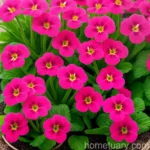
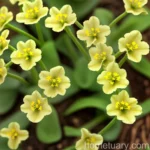
Primula capitata is a perennial herbaceous plant that is renowned for its distinctive round-shaped clusters of flowers. This charming plant displays rosettes of narrow, tongue-shaped leaves and produces spherical flower heads comprised of numerous small, tubular blooms. The flowers appear in an array of captivating colors, including shades of purple, lilac, and white, making it a favorite among gardeners and floral enthusiasts.
Key Takeaways – Primula capitata
Before delving into the specifics of caring for Primula capitata, let’s briefly highlight the key takeaways of this enchanting plant:
- Scientific Name: Primula capitata
- Common Name: Round-Headed Himalayan Primrose
- Family: Primulaceae
- Origin: Native to the Himalayas
- Characteristics: Round clusters of tubular flowers in various colors, tongue-shaped leaves
- Uses: Ornamental, medicinal, wildlife attraction
- Cultural Significance: Symbolism, literature, arts
- Cultivation: Outdoor and indoor settings, suitable for containers and landscapes
- Maintenance: Moderate care requirements, suitable for beginner gardeners
- Challenges: Susceptible to certain pests and diseases
Culture
Uses
Medicinal Uses
Primula capitata, like many other Primula species, has been traditionally used in folk medicine for its medicinal properties. Its leaves and roots are known to have expectorant and diuretic properties. Additionally, the plant has been used to alleviate coughs, colds, and asthma. Its medicinal uses have made it a valuable plant in herbal remedies and traditional medicine practices.
Wildlife Attraction
Primula capitata’s vibrant flowers are known to attract pollinators, including bees and butterflies, making it a welcome addition to any wildlife-friendly garden. The round clusters of flowers provide a source of nectar and contribute to the overall biodiversity of the garden.
Ornamental Purposes
With its striking floral display and attractive foliage, Primula capitata is widely cultivated for ornamental purposes. The plant adds a touch of elegance to garden borders, rock gardens, and containers, enhancing the visual appeal of any outdoor or indoor space.
Water
Watering Needs
Like many primroses, Primula capitata prefers consistently moist soil. While it does not thrive in waterlogged conditions, it is important to ensure that the soil remains evenly moist, especially during the growing season. Adequate watering is essential for the plant’s overall health and the promotion of prolific flowering.
Drought Tolerance
Despite its preference for moist soil, Primula capitata exhibits moderate drought tolerance once established. However, prolonged dry periods can lead to stress and may affect the plant’s overall vigor and flowering performance.
Sunlight
Sunlight Requirements
Primula capitata thrives in partially shaded to dappled sunlight conditions. It prefers locations with morning sun and filtered light during the afternoon. In hotter climates, providing the plant with some protection from direct sun exposure during the peak hours of the day can help prevent heat stress and dehydration.
Indoor Cultivation
When grown indoors, it is essential to place Primula capitata in a well-lit area with indirect sunlight. South or west-facing windows are often ideal for providing the plant with the necessary light levels for robust growth and flowering.
Fertilizer
Fertilizing Guidelines
To support healthy growth and prolific flowering, it is beneficial to fertilize Primula capitata with a balanced, water-soluble fertilizer during the growing season. A general-purpose fertilizer with balanced N-P-K (nitrogen, phosphorus, potassium) ratios can be applied at half-strength every 4-6 weeks. This helps provide the necessary nutrients for robust foliage and plentiful blooms.
Foliage Characteristics
The lush, tongue-shaped leaves of Primula capitata contribute to its overall appeal. The leaves are often slightly textured and can range in color from deep green to lighter shades, providing an attractive backdrop to the plant’s colorful flowers.
Soil
pH Preference
Primula capitata thrives in slightly acidic to neutral soil conditions, with a pH range of 5.5 to 7.0 being optimal. It is essential to ensure that the soil is well-draining to prevent waterlogged conditions, while also retaining sufficient moisture for the plant’s needs.
Best Soil
A well-aerated, humus-rich soil mix is ideal for Primula capitata. Incorporating organic matter such as compost, leaf mold, or peat moss can improve soil structure and moisture retention, creating an optimal growing medium for the plant.
Pruning
Pruning Tips
Pruning Primula capitata is relatively minimal and primarily focuses on removing spent flowers and any dead or withered foliage. Regular deadheading of faded blooms can encourage prolonged flowering and help maintain the plant’s aesthetic appeal. In early spring, any damaged or old leaves can be trimmed to promote fresh growth and rejuvenate the plant.
Propagation
Seeding
Growing Primula capitata from Seeds
Primula capitata can be propagated from seeds, offering an opportunity to expand your plant collection or share its beauty with others. To grow Primula capitata from seeds, follow these steps:
- Start by sowing the seeds in a well-draining seed-starting mix or a moist, soilless medium.
- Lightly press the seeds into the surface of the growing medium and cover them with a thin layer of vermiculite or fine-grade compost.
- Ensure that the growing medium remains consistently moist but not waterlogged.
- Place the seed tray in a warm location with indirect light until germination occurs.
- Once the seedlings have developed several true leaves, they can be carefully transplanted into individual pots or a suitable outdoor location.
Cutting Propagation
In addition to seed propagation, Primula capitata can also be propagated from leaf cuttings. This method involves taking leaf cuttings with a small portion of the leaf stem attached and encouraging them to root in a suitable growing medium.
Container Gardening
Popularity in Containers
Primula capitata is well-suited for container gardening, making it an excellent choice for those with limited outdoor space or for individuals who wish to showcase its beauty on patios, balconies, or windowsills. When cultivating Primula capitata in containers, consider the following guidelines:
- Select a container with adequate drainage holes to prevent waterlogging.
- Use a well-draining potting mix that retains moisture without becoming waterlogged.
- Position the container in a partially shaded location, protecting the plant from intense midday sun.
- Monitor the soil moisture regularly, particularly during warmer periods, to ensure consistent hydration for the plant.
Companion Plants
When designing container gardens, consider pairing Primula capitata with other shade-loving companions to create visually appealing and harmonious arrangements. Suitable companion plants include:
- Hostas (Hosta spp.)
- Heucheras (Heuchera spp.)
- Ferns (various species)
- Tiarellas (Tiarella spp.)
- Astilbes (Astilbe spp.)
Common Diseases
Disease Diagnosis
While Primula capitata is relatively resilient, it can be susceptible to certain diseases and pests. Common issues that may affect the plant include:
- Powdery Mildew: This fungal disease can manifest as a powdery white coating on the leaves, affecting the overall health and appearance of the plant.
- Botrytis Blight: Also known as gray mold, this fungal disease can lead to the development of discolored, mushy areas on the plant, particularly during periods of high humidity.
- Root Rot: Prolonged waterlogged conditions can lead to root rot, causing the plant to exhibit wilting, yellowing leaves, and overall decline.
Disease Management
To mitigate the risk of diseases, it is essential to provide optimal growing conditions for Primula capitata. This includes:
- Proper Air Circulation: Ensure that the plant has adequate airflow around it to prevent the buildup of humidity and reduce the risk of fungal diseases.
- Moderate Watering: Avoid overwatering, which can lead to waterlogged conditions and increase the likelihood of root rot and certain fungal infections.
- Sanitation: Remove and dispose of any diseased plant material to prevent the spread of pathogens and maintain a healthy growing environment.
Common Pests
Insect Control
In addition to diseases, Primula capitata may encounter certain pests that can impact its vitality and appearance. Common pests that may affect the plant include:
- Aphids: These small, sap-sucking insects can congregate on the tender growth of Primula capitata, causing distortion and stunted growth.
- Spider Mites: These tiny arachnids can create fine webbing on the plant and cause stippling or yellowing of the foliage as they feed on the plant’s juices.
- Slugs and Snails: These mollusks can feed on the leaves and flowers of Primula capitata, leaving behind irregular holes and damage.
Pest Management
To manage pests effectively, consider employing preventive measures and targeted controls:
- Natural Predators: Encourage beneficial insects such as ladybugs and lacewings, which prey on aphids and other small pests, to help maintain a balanced ecosystem in the garden.
- Horticultural Oils: Using horticultural oils or insecticidal soaps can help control spider mites and aphids, effectively reducing their populations without harming beneficial insects.
- Cultural Practices: Employ cultural practices such as removing debris, weeds, and mulch to minimize the habitat for slugs and snails, reducing their impact on Primula capitata.
Botanist’s Tips
Fun Facts
- In its natural habitat, Primula capitata can be found inhabiting alpine meadows, where it thrives in cool, high-altitude environments.
- The distinctive round clusters of flowers of the Primula capitata serve as a valuable nectar source for pollinators, contributing to the biodiversity of its native regions.
- The plant’s ability to tolerate cooler temperatures makes it well-suited for cultivation in regions with mild to moderate climates, as well as in cool greenhouse environments.
Links to External Resources
For more information on Primula capitata and related topics, consider exploring the following resources:
- Royal Horticultural Society – Primula capitata
- Missouri Botanical Garden – Primula capitata
- American Primrose Society
Conclusion
Primula capitata, the Round-Headed Himalayan Primrose, is a captivating plant that offers beauty, versatility, and cultural significance. Whether grown for its ornamental appeal, medicinal properties, or wildlife-friendly attributes, this charming plant has much to offer to gardening enthusiasts and nature lovers alike. By understanding its cultural requirements, uses, and maintenance guidelines, you can cultivate and appreciate the unique allure of Primula capitata, enriching your outdoor or indoor spaces with its captivating presence. With the knowledge and insights provided in this care guide, you are equipped to embark on a rewarding journey of nurturing and enjoying the splendor of Primula capitata, enhancing the beauty and biodiversity of your garden or living environment.