Rosa, Rosa - Grandiflora Rose, Rosa - Shrub Rose
Rosa Anna’s Promise (Grandiflora Rose)
Rosa Anna’s Promise, a stunning Grandiflora Rose, is admired and cherished for its enchanting beauty and delightful fragrance. As a plant scientist, I am.
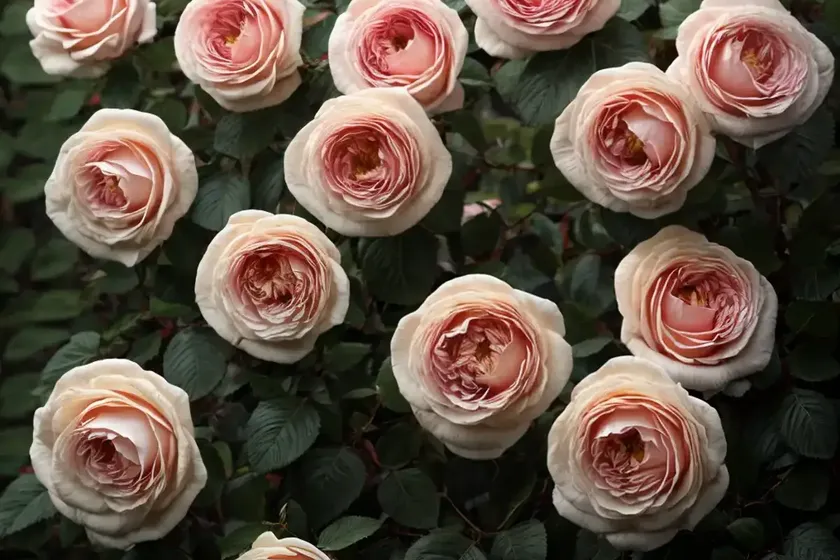


Rosa Anna’s Promise, a stunning Grandiflora Rose, is admired and cherished for its enchanting beauty and delightful fragrance. As a plant scientist, I am excited to share an in-depth care guide for this remarkable rose variety, covering every aspect from cultivation and propagation to pest management and common diseases. Whether you’re a seasoned gardener or a novice enthusiast, this comprehensive resource will equip you with the knowledge and skills needed to ensure the optimal growth and flourishing of the Rosa Anna’s Promise in your garden.
What is Rosa Anna’s Promise?
Rosa Anna’s Promise is an exquisite Grandiflora Rose known for its large, full blooms, captivating fragrance, and vigorous growth habit. This rose variety was introduced by renowned hybridizer Tom Carruth in 2012. The “promise” in its name serves as a tribute to the Alzheimer’s Association, with a portion of the sales proceeds from each plant going towards supporting Alzheimer’s research.
The Grandiflora roses, a cross between hybrid tea and floribunda roses, are characterized by their tall, elegant stems and clusters of striking blooms. Rosa Anna’s Promise exemplifies the classic appeal of Grandiflora roses while offering modern disease resistance and exceptional garden performance.
Key Takeaways – Rosa Anna’s Promise (Grandiflora Rose)
Before delving into the specifics of caring for Rosa Anna’s Promise, here are the key takeaways highlighting its distinct characteristics, growth requirements, and care essentials:
- Plant Type: Grandiflora Rose
- Height: 4-5 feet (1.2-1.5 meters)
- Spread: 2-3 feet (0.6-0.9 meters)
- Bloom Size: Large, about 4-5 inches (10-12 centimeters) in diameter
- Bloom Type: Fully double, cupped
- Fragrance: Strong, fruity fragrance with hints of apple and rose
- Blooming Season: Repeat bloomer with flushes throughout the growing season
- Hardiness Zones: 5-9
- Disease Resistance: Excellent resistance to common rose diseases
- Charm: A contribution from the sales of Rosa Anna’s Promise supports Alzheimer’s research
- Use: Ideal for beds, borders, and cutting gardens
Now that we have familiarized ourselves with the captivating essence of Rosa Anna’s Promise, let’s explore the plant’s cultural requirements and the fundamental aspects of its care.
Culture
Cultivating Rosa Anna’s Promise involves a balanced approach to meet its requirements for moisture, sunlight, soil, and nutrition. Understanding and addressing these cultural requirements will contribute to the plant’s overall health, vigor, and abundant blooming.
Uses
Rosa Anna’s Promise holds immense versatility and can be utilized in various garden settings and purposes. Its uses include:
- Landscape Ornament: The radiant blooms and tall, erect growth make it an excellent choice for enhancing landscape aesthetics. Whether planted in clusters or as individual specimens, it adds a touch of elegance to any garden.
- Cut Flowers: The abundant blooms with a strong, delightful fragrance make Rosa Anna’s Promise an ideal choice for captivating cut flower arrangements, bringing an enchanting charm indoors.
- Supporting Alzheimer’s Research: A unique aspect of this rose is its contribution to a noble cause. With a portion of the sales supporting Alzheimer’s research, planting Rosa Anna’s Promise becomes a gesture of support for a meaningful mission.
The versatile uses of this Grandiflora Rose make it an invaluable addition to any garden space, fulfilling both aesthetic and philanthropic purposes.
Water
Watering Requirements
Proper watering is crucial for the overall health and vitality of Rosa Anna’s Promise. Here are essential guidelines for watering this exquisite rose variety:
- Establishment Phase: Newly planted Rosa Anna’s Promise should be watered regularly to help establish a strong root system. Provide ample water, ensuring that the soil remains consistently moist but not waterlogged.
- Mature Plants: Once established, moderate and consistent watering is recommended. Water deeply at the base of the plant, allowing the soil to dry slightly between watering intervals. Frequent, shallow watering should be avoided to encourage deep root growth and plant resilience.
It’s important to monitor the moisture levels in the soil, especially during periods of intense heat or prolonged dry spells. Maintaining adequate soil moisture will promote healthy growth and abundant flowering.
Sunlight
Sun Exposure
Rosa Anna’s Promise thrives in locations that offer ample sunlight, although it can also tolerate partial shade. Here’s a detailed overview of its sunlight requirements:
- Ideal Exposure: Plant Rosa Anna’s Promise in a location that receives at least 6-8 hours of direct sunlight daily. This ensures robust growth and profuse blooming throughout the growing season.
- Partial Shade: While preferential to full sun, Rosa Anna’s Promise can also tolerate partial shade, especially in regions with intense afternoon sun. In such cases, provide 4-6 hours of direct sunlight for satisfactory growth and blooming.
Striking a balance between sunlight and shade will enable the plant to unleash its full potential, yielding an abundance of vibrant blooms and thriving foliage.
Fertilizer
Nutrient Requirements
Fertilization plays a pivotal role in sustaining the vigor and blooming capacity of Rosa Anna’s Promise. Here are the key aspects of fertilizing this Grandiflora Rose:
- Fertilizer Type: Apply a balanced, slow-release fertilizer formulated specifically for roses. Opt for a formulation with a nutrient ratio of 10-10-10 or similar, designed to meet the specific needs of flowering roses.
- Frequency: Begin fertilizing in early spring as new growth emerges. Repeat applications every 4-6 weeks throughout the growing season, concluding fertilization by mid-summer to avoid encouraging tender growth susceptible to winter damage.
- Application Technique: Spread the fertilizer evenly around the base of the plant, ensuring it is well watered before and after application to facilitate nutrient uptake.
Proper fertilization will fortify the plant with essential nutrients, resulting in robust growth, prolific flowering, and overall resilience.
Soil
Soil Preferences
The soil in which Rosa Anna’s Promise is planted significantly influences its growth, health, and blooming capacity. Consider the following soil preferences when cultivating this charming rose variety:
- Well-Draining Soil: Plant Rosa Anna’s Promise in well-draining, loamy soil to prevent waterlogging and root suffocation. Amending heavy or compacted soils with organic matter, such as compost or well-rotted manure, will enhance drainage and aeration.
- Soil pH: The ideal soil pH for Rosa Anna’s Promise ranges between 6.0 and 6.5, slightly acidic to neutral. Conduct a soil test if necessary to assess and adjust the pH to the recommended range before planting.
Fostering an optimal soil environment will optimize the plant’s growth and blooming potential, ensuring its sustained vitality and vigor.
Pruning
Pruning Techniques
Pruning is an essential aspect of maintaining the health, shape, and flowering performance of Rosa Anna’s Promise. Here are the key guidelines for pruning this Grandiflora Rose:
- Pruning Time: Perform major pruning in late winter or early spring when the plant is still dormant. This is an opportune time to remove dead or diseased wood, shape the plant, and encourage new growth.
- Deadheading Blooms: Throughout the blooming season, regularly deadhead spent blooms to promote continuous flowering and prevent seed production, redirecting the plant’s energy towards new bloom production.
- Pruning Cuts: Make clean, slanting cuts at a 45-degree angle just above an outward-facing bud or a five-fingered leaf. This encourages outward growth and proper branching, preventing the development of a dense, congested center.
Pruning practices are instrumental in enhancing the overall appearance and vitality of the plant, ensuring a bountiful display of blooms and healthy foliage.
Propagation
Propagation Methods
For those interested in propagating Rosa Anna’s Promise to expand their rose garden or share its beauty with others, the following propagation methods can be employed:
- Softwood Cuttings: In late spring to early summer, take 6-8 inch cuttings from new, flexible stems. Remove the lower leaves, dip the cut end in rooting hormone, and plant the cuttings in a well-draining potting mix. Keep the soil consistently moist and provide bright, indirect light until the cuttings develop roots.
- Division: Divide mature Rosa Anna’s Promise plants in early spring before new growth emerges. Carefully dig out the root ball and separate it into sections, each containing healthy roots and shoots. Replant the divisions in prepared soil, ensuring adequate watering and care as they establish.
Mastering the art of propagation allows you to multiply the beauty of Rosa Anna’s Promise, creating new plants through reliable and effective methods.
Container Popularity
Container Gardening with Rosa Anna’s Promise
While Rosa Anna’s Promise excels in traditional garden beds, it can also thrive and enchant in container gardens. Here’s how to effectively cultivate and care for this Grandiflora Rose in containers:
- Container Selection: Choose a spacious container with adequate drainage holes to accommodate the root system and ensure good drainage, preventing waterlogged soil.
- Potting Mix: Use a high-quality potting mix formulated for roses or flowering plants. Ensure the mix offers proper aeration and moisture retention to support healthy growth.
- Watering and Fertilization: Container-grown roses may require more frequent watering, especially during hot, dry periods. Additionally, regular fertilization is essential to replenish nutrients in the confined environment.
With proper care and attention, Rosa Anna’s Promise can thrive beautifully in containers, gracing balconies, patios, and other confined garden spaces with its radiant blooms and captivating fragrance.
Common Diseases
Rosa Anna’s Promise exhibits excellent resistance to various common rose diseases, signifying its overall robustness and vigor. Despite its resilience, being vigilant and proactive in disease management is crucial to safeguard its health and vitality. Here are some common rose diseases and their diagnosis:
Disease Diagnosis
Common Rose Diseases
- Powdery Mildew: Characterized by a white, powdery growth on leaves and stems, powdery mildew can hinder plant growth and weaken the foliage. Ensure good air circulation, and consider fungicidal treatments if the infection persists.
- Black Spot: Identified by the appearance of dark, circular spots on the leaves, black spot can lead to defoliation and weakened plant vigor. Remove and dispose of infected leaves, and apply fungicides as needed to control the spread.
- Botrytis Blight: Also known as gray mold, botrytis blight manifests as brown, water-soaked spots on the petals and foliage, potentially causing flower and bud rot. Remove affected plant parts, and improve air circulation to prevent moisture-related diseases.
Vigilance, proper cultural practices, and timely intervention are instrumental in preventing and managing common rose diseases, ensuring the sustained health and beauty of Rosa Anna’s Promise.
Common Pests
While Rosa Anna’s Promise is generally resistant to many pests, occasional infestations may occur, necessitating prompt identification and intervention. Here are some common pests that may affect this Grandiflora Rose:
- Aphids: These small, soft-bodied insects congregate on new growth, sucking sap from the plant and excreting honeydew. Blast them off with a strong stream of water or use insecticidal soaps to control their population.
- Japanese Beetles: Recognizable by their metallic-green bodies, Japanese beetles feast on rose foliage, causing extensive damage. Handpick and destroy the beetles, or employ organic insecticides to manage infestations.
- Spider Mites: These tiny arachnids cause stippling and discoloration of leaves, often leading to leaf drop. Rinse the foliage regularly to deter mite populations, and use miticides if necessary to suppress their activity.
Understanding the behavior and characteristics of common rose pests is crucial in implementing effective pest management strategies, safeguarding the plant’s health and vitality.
Botanist’s Tips
As a botanist deeply enamored with the captivating allure of Rosa Anna’s Promise, I offer the following tips to enhance the care and maintenance of this remarkable Grandiflora Rose:
- Regular Monitoring: Routinely inspect the plant for signs of pests, diseases, or nutrient deficiencies, addressing any issues promptly to maintain its well-being.
- Mulching: Apply a layer of organic mulch around the base of the plant to conserve moisture, suppress weed growth, and provide a steady supply of nutrients as it decomposes.
- Supportive Structures: Install sturdy supports or trellises to uphold the tall stems of Rosa Anna’s Promise, preventing them from leaning or breaking under the weight of the blooms.
- Balanced Pruning: Strike a balance between stimulating new growth and maintaining the plant’s shape, avoiding excessive pruning that may compromise its blooming potential.
- Water Management: Implement efficient watering practices, ensuring that the plant receives adequate moisture while preventing waterlogged conditions that can lead to root rot.
Incorporating these botanist’s tips into your care routine will foster the optimal growth and flourishing of Rosa Anna’s Promise, ensuring an abundant display of vibrant blooms and sustaining its health and vitality.
Fun Facts
To further enhance your appreciation for Rosa Anna’s Promise, here are some delightful fun facts about this extraordinary Grandiflora Rose:
- Rosa Anna’s Promise was awarded the prestigious All-America Rose Selection (AARS) award in 2011, recognizing its exceptional performance and beauty in domestic gardens.
- The fruity fragrance of Rosa Anna’s Promise has been likened to that of apples and rose, imbuing the garden with a delightful, enticing aroma.
- This rose variety offers a captivating color display, with each bloom unfurling soft apricot tones that transition to a soft pink blush, adding an enchanting allure to garden landscapes.
- The tall, elegant stems of Rosa Anna’s Promise make it an ideal candidate for landscape design, serving as a focal point or an essential component of mixed perennial borders.
- Supporting the cause of Alzheimer’s research through the purchase of Rosa Anna’s Promise represents a heartfelt gesture, aligning the beauty of the plant with a noble mission to make a difference.
These fun facts shed light on the unique and endearing qualities of Rosa Anna’s Promise, adding depth to its allure and significance in garden settings.
Links to External Resources
For further exploration and in-depth understanding of Rosa Anna’s Promise and Grandiflora Rose cultivation, care, and gardening applications, consider the following external resources:
- American Rose Society: A valuable hub for rose enthusiasts, offering a wealth of information on rose varieties, care tips, and community engagement.
- Royal Horticultural Society – Roses: An authoritative resource providing comprehensive guidance on growing and caring for roses in various garden settings.
- University of California Integrated Pest Management – Roses: An essential source of information on pests, diseases, and integrated pest management strategies for roses, ensuring sustainable garden practices.
- North Carolina State University Extension – Rose Gardening: A detailed extension guide covering all aspects of rose gardening, from selection and planting to maintenance and pest management.
By exploring these external resources, you can augment your knowledge and expertise in cultivating and caring for Rosa Anna’s Promise and other Grandiflora roses, refining your gardening skills and enhancing your appreciation for these captivating plants.
In conclusion, the enchanting allure and extraordinary qualities of Rosa Anna’s Promise make it a treasured addition to any garden, enriching the landscape with its radiant blooms, captivating fragrance, and meaningful contributions. By embracing the comprehensive care guidelines and integrating the insights and recommendations shared in this guide, you can foster the optimal growth, health, and flourishing of Rosa Anna’s Promise, ensuring its enduring beauty and allure in your garden oasis.


