Prague Viburnum (Viburnum ‘Pragense’): A Complete Guide
As a plant scientist, I have always been fascinated by the diverse range of plant species and their unique characteristics. In this comprehensive guide, we will delve into the world of Prague viburnum (Viburnum ‘Pragense’), exploring its cultural aspects, uses, growth requirements, and potential challenges. By the end of this article, you will gain a deep understanding of this remarkable shrub and be equipped with the knowledge to cultivate it successfully.
What is Prague Viburnum (Viburnum ‘Pragense’)?
The Prague viburnum, scientifically known as Viburnum ‘Pragense’, is a deciduous shrub renowned for its ornamental qualities and its ability to thrive in various environmental conditions. This plant belongs to the Adoxaceae family and is a hybrid between Viburnum rhytidophyllum and Viburnum utile. Its elegant foliage, fragrant flowers, and colorful berries make it a popular choice among gardeners and landscapers.
Key Takeaways
Before we delve deeper into the intricacies of Prague viburnum care, let’s briefly summarize its key takeaways.
- Scientific Name: Viburnum ‘Pragense’
- Family: Adoxaceae
- Type: Deciduous shrub
- Uses: Ornamental, landscaping
- Notable Features: Fragrant flowers, colorful berries, dense foliage
- Hardiness: Suitable for USDA hardiness zones 5-8
- Growth Habit: Upright, multi-stemmed
- Size: Can reach a height and spread of 6-10 feet
- Soil Requirements: Well-drained, fertile soil
- Light: Prefers full sun to partial shade
- Watering: Regular watering, especially during the establishment phase
- Pruning: Responds well to regular pruning
- Propagation: Can be propagated through softwood cuttings or by layering
- Pests and Diseases: Relatively resistant to pests and diseases
- Wildlife Attraction: The plant’s flowers and berries attract birds and pollinators
Now that we have established an overview of Prague viburnum, let’s delve into the specifics of its cultural requirements and uses.
Culture
Cultivating Prague viburnum successfully requires an understanding of its cultural needs, including water, sunlight, fertilizer, soil, and pruning. By meeting these requirements, you can ensure the optimal growth and development of this captivating shrub.
Water
Watering Requirements: Prague viburnum, particularly during the early stages of growth, necessitates consistent moisture. Adequate watering is crucial, especially during hot and dry periods, to promote healthy development and flowering. However, it is important to avoid waterlogging, as excessively wet soil can lead to root rot and other related issues.
Drought Tolerance: While Prague viburnum appreciates regular watering, it also possesses a degree of drought tolerance once established. Its deep, fibrous root system enables it to withstand periods of reduced water availability, making it suitable for various climatic conditions.
Sunlight
Sun Exposure: Prague viburnum thrives in locations with full sun to partial shade. While it can adapt to partial shade, providing it with ample sunlight fosters robust growth and a profusion of blooms and berries. When planted in shadier areas, the plant may exhibit reduced flowering and a less dense growth habit.
Fertilizer
Fertilization: To support the growth and vitality of Prague viburnum, applying a balanced fertilizer in spring can be beneficial. A slow-release fertilizer that provides essential nutrients over an extended period is preferable, as it promotes steady growth without the risk of excessive vegetative flushes.
Organic Matter: Incorporating organic matter into the soil, such as compost or well-rotted manure, can enrich the soil structure and foster a favorable environment for the shrub’s roots, contributing to its overall health and vigor.
Soil
Soil Requirements: Prague viburnum prospers in well-drained, humus-rich soil. It is imperative to ensure that the soil provides adequate drainage, as waterlogged conditions can lead to root suffocation and subsequent decline. Additionally, a slightly acidic to neutral soil pH level is conducive to the plant’s well-being.
Mulching: Applying a layer of mulch around the base of the shrub serves multiple purposes, including moisture retention, weed suppression, and soil temperature moderation. Organic mulches, such as wood chips or shredded bark, can be utilized to enhance the growing conditions for Prague viburnum.
Pruning
Pruning Techniques: Regular pruning is instrumental in shaping and maintaining the desired form of Prague viburnum. This shrub responds well to pruning, which can be conducted to control its size, rejuvenate older branches, and promote a bushy, compact growth habit.
Pruning Time: The ideal time for pruning Prague viburnum is after the flowering period. This timing allows for the removal of spent blooms and the adjustment of the plant’s structure without compromising the following year’s floral display.
Uses
Landscape Ornamentation
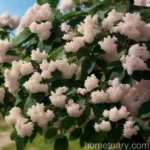
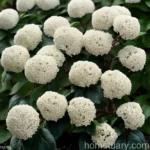
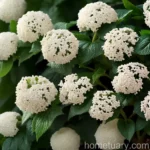
Ornamental Qualities: Prague viburnum is esteemed for its ornamental attributes, including glossy, dark green foliage, fragrant white flowers, and clusters of vibrant berries. These features make it an excellent candidate for enhancing the visual appeal of gardens, landscapes, and naturalized settings.
Hedging: Due to its dense growth habit and attractive foliage, Prague viburnum is well-suited for creating hedges and screens. When planted closely together, its branches intertwine to form a cohesive barrier, providing privacy and an aesthetic backdrop.
Wildlife Habitat: The flowers of Prague viburnum entice pollinators, including bees and butterflies, while its berries serve as a valuable food source for birds during the fall and winter months. By incorporating this shrub into a garden or natural habitat, you can contribute to the ecological diversity of the area.
Propagation
Softwood Cuttings
Propagation Method: Prague viburnum can be propagated through softwood cuttings, which are taken from the current season’s growth. Utilizing a rooting hormone to encourage the development of roots, these cuttings are placed in a suitable growing medium and provided with consistent moisture and warmth until they establish themselves.
Layering
Air Layering: Another method of propagation involves air layering, wherein a small incision is made on a healthy branch, and the wounded area is covered with a rooting medium and enclosed in a protective casing. Over time, roots develop at the incision site, and the rooted portion can be detached and transplanted as a new individual.
Seed Propagation
Seed Collection: While Prague viburnum is primarily propagated through vegetative means, collecting and sowing its seeds can also yield new plants. However, it is essential to note that cultivated forms may not breed true from seed, potentially resulting in variations from the parent plant.
Container Popularity
Prague viburnum’s suitability for container cultivation renders it an appealing choice for individuals with limited garden space or those seeking to introduce ornamental elements to patios, balconies, and other confined areas. When grown in containers, it is important to attend to its specific requirements, including adequate drainage, appropriate soil composition, and regular maintenance.
Container Common Diseases
While container-grown Prague viburnum is generally less susceptible to soil-borne diseases and certain pests, it can still encounter issues related to environmental stress, inadequate watering, and nutrient deficiencies. Being vigilant about the plant’s well-being and promptly addressing any signs of decline can contribute to its longevity and vitality.
Disease Diagnosis: Upon observing symptoms such as leaf discoloration, wilting, or unusual growth patterns, it is advisable to assess the plant for potential diseases and nutritional imbalances. Diagnosing the issue accurately enables the implementation of targeted remedies, reducing the impact on the shrub’s health.
Common Pests
Prague viburnum exhibits a commendable resistance to most common pests, including aphids, scale insects, and spider mites, due to its robust constitution and the presence of natural defense mechanisms. However, periodic inspections are warranted to detect any early signs of pest activity and prevent population escalation.
Integrated Pest Management: Employing natural predators, such as ladybugs and lacewings, can help maintain pest populations at bay without resorting to chemical interventions. Additionally, practicing good garden hygiene and minimizing conditions conducive to pest proliferation can contribute to a balanced and pest-resistant environment.
Botanist’s Tips
Prague Viburnum in Winter
Winter Hardiness: Prague viburnum demonstrates remarkable resilience in cold climates, enduring the winter months with fortitude. Its persistent foliage and colorful berries provide visual interest during this season, contributing to the overall allure of the landscape.
Winter Care: While Prague viburnum is well-adapted to winter conditions, providing a layer of mulch around its base can insulate the root system and shield it from fluctuating temperatures. This measure helps conserve soil moisture and protects the plant’s roots from potential frost damage.
Prague Viburnum Flowering Season
Floral Display: The flowering season of Prague viburnum typically occurs in spring, where it showcases an abundance of delicate white blooms with a sweet fragrance. This captivating floral display attracts pollinators and serves as a herald of the forthcoming berry production.
Bloom Duration: The flowering period of Prague viburnum persists for several weeks, enriching the surrounding environment with its charm and elegance. The extended duration of its floral presentation contributes to its desirability as an ornamental addition to landscapes.
Fun Facts
Fragrance and Wildlife Attraction
Aromatic Appeal: The flowers of Prague viburnum exude a delightful fragrance, which not only captivates human admirers but also entices pollinators to partake in the plant’s reproductive process. This aromatic quality adds an extra dimension of sensory allure to the shrub’s ornamental value.
Wildlife Benefits: Prague viburnum serves as a magnet for various wildlife, with its berries providing sustenance for birds and small mammals during the autumn and winter seasons. By fostering a biodiverse habitat, this shrub contributes to the ecological balance of its surroundings.
As we celebrate the multifaceted appeal of Prague viburnum, it is important to appreciate its role in promoting biodiversity and enriching the natural landscape.
Links to External Resources
For further insights into Prague viburnum (Viburnum ‘Pragense’), its care, and cultivation, the following external resources provide valuable information and guidance:
- Prague Viburnum Care Guide – Royal Horticultural Society
- Viburnum ‘Pragense’ Characteristics and Uses – Missouri Botanical Garden
- Prague Viburnum Pruning Techniques – University of Maryland Extension
- Viburnum ‘Pragense’ Wildlife Benefits – National Wildlife Federation
By consulting these resources, enthusiasts and horticulturalists can gain comprehensive insights and practical advice for incorporating Prague viburnum into their outdoor spaces and promoting its well-being.
In conclusion, Prague viburnum (Viburnum ‘Pragense’) encompasses a rich tapestry of attributes, from its ornamental allure to its ecological contributions. By understanding its cultural requirements, propagation methods, and landscape uses, individuals can harness the full potential of this remarkable shrub, enhancing their outdoor environments and fostering biodiversity.
By celebrating the natural splendor of Prague viburnum, we recognize the significance of plant diversity and the myriad ways in which it enriches our lives and the world around us.
Disclaimer: The information provided in this article is for educational and informational purposes only. It is not intended as a substitute for professional horticultural advice. Readers are encouraged to consult with local horticulture experts and extension services to obtain tailored guidance for their specific gardening needs and environmental conditions.