The Versatile Speedwell (Veronica ‘White Jolanda’)
Plants have a fascinating way of beautifying our surroundings, adding vibrancy and natural elegance to our lives. Among the diverse array of plants that grace our gardens, the speedwell (Veronica ‘White Jolanda’) stands out. This versatile perennial is not just a visual treat, but also serves a multitude of purposes, making it an invaluable addition to any landscape.
In this comprehensive guide, we will delve into the intriguing world of the speedwell (Veronica ‘White Jolanda’). From its cultural significance to its growth requirements and maintenance, we will explore every aspect of this charming plant. You will also gain insights into its common diseases, pests, and how to propagate and care for it. So, let’s embark on this botanical journey and discover the enchanting features and attributes of the speedwell (Veronica ‘White Jolanda’).
What is Speedwell (Veronica ‘White Jolanda’)?
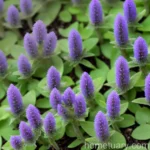
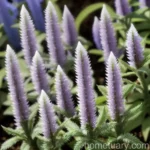
The speedwell, scientifically known as Veronica ‘White Jolanda,’ is a perennial flowering plant renowned for its delicate, pure white flowers. Belonging to the Veronica genus, this resilient plant is popular for its low-maintenance nature and ornamental appeal. Its lush foliage and graceful blossoms make it a favorite among gardeners and landscapers worldwide.
Key Takeaways – Speedwell (Veronica ‘White Jolanda’)
Before we delve into the specifics, let’s take a moment to understand the key takeaways when it comes to the care and cultivation of speedwell (Veronica ‘White Jolanda).
- Speedwell (Veronica ‘White Jolanda’) Characteristics:
- Botanical Name: Veronica ‘White Jolanda’
- Flower Color: Pure white
- Plant Type: Perennial
- Sun Exposure: Full sun to partial shade
- Watering: Moderate
- Soil Type: Well-drained, fertile soil
- Height: 10 to 12 inches
- Spread: 12 to 15 inches
- USDA Hardiness Zones: 4 to 8
-
Bloom Time: Late spring to early summer
-
Speedwell (Veronica ‘White Jolanda’) Highlights:
- Versatile perennial with delicate white flowers
- Low-maintenance and easy to grow
- Ideal for borders, rock gardens, and containers
- Attracts pollinators like bees and butterflies
- Resistant to pests and diseases
- Well-suited for a variety of landscape designs
Now that we have an overview of the speedwell (Veronica ‘White Jolanda’), let’s delve deeper into its culture, uses, and various care requirements.
Culture
Uses
The speedwell (Veronica ‘White Jolanda’) is a versatile plant with a wide range of uses, making it an invaluable addition to any garden or landscape setting.
-
Ornamental Purposes: The plant’s elegant, pure white flowers and lush foliage make it a stunning addition to borders, rock gardens, and mixed perennial beds. Its low-growing habit and compact structure also make it suitable for containers and window boxes.
-
Wildlife Attraction: The nectar-rich flowers of the speedwell attract pollinators such as bees and butterflies, making it a valuable addition to wildlife-friendly gardens and butterfly habitats.
-
Ground Cover: With its spreading nature, the speedwell can be used as a ground cover to fill in bare areas and suppress weed growth. Its dense foliage provides effective coverage while adding visual interest to the landscape.
-
Cut Flowers: The long-lasting cut flowers of Veronica ‘White Jolanda’ are perfect for floral arrangements and bouquets, bringing a touch of elegance indoors.
Water
Proper watering is essential for the health and vigor of the speedwell (Veronica ‘White Jolanda’). While the plant is relatively tolerant of varying moisture conditions, maintaining consistent moisture levels is crucial, especially during the establishment phase and periods of drought.
- Watering Guidelines:
-
Initial Establishment: Water newly planted speedwell regularly to help the roots establish. Provide sufficient water to keep the soil consistently moist, but not waterlogged.
-
Established Plants: Once the speedwell is established, aim to provide about 1 inch of water per week, either through rainfall or supplemental irrigation. Adjust watering frequency based on environmental conditions and soil moisture levels.
-
Avoid Overwatering: While the speedwell appreciates adequate moisture, it is susceptible to root rot if the soil remains waterlogged for prolonged periods. Ensure that the soil has good drainage to prevent water accumulation around the roots.
Sunlight
The speedwell (Veronica ‘White Jolanda’) thrives in locations with ample sunshine, although it can tolerate partial shade, especially in regions with hot summers.
- Sun Exposure:
-
Full Sun: Plant speedwell in an area that receives at least 6 to 8 hours of direct sunlight per day for optimal growth and abundant flowering.
-
Partial Shade: In regions with intense heat, providing some afternoon shade can help protect the plant from the scorching sun and prevent wilting during the hottest part of the day.
Fertilizer
Appropriate fertilization ensures that the speedwell (Veronica ‘White Jolanda’) receives essential nutrients for healthy growth and abundant flowering. While the plant is relatively low-maintenance, providing balanced fertilization can enhance its vigor and overall performance.
- Fertilizing Guidelines:
-
Spring Feeding: In early spring, apply a balanced, slow-release fertilizer around the base of the speedwell. Use a fertilizer with an N-P-K ratio of 10-10-10 or similar, following the manufacturer’s recommendations for application rates.
-
Avoid Excessive Nitrogen: Excessive nitrogen can lead to lush foliage at the expense of flowers. Choose a fertilizer with a balanced formulation to promote overall plant health and floral abundance.
-
Top-Dressing: Additionally, top-dressing with organic compost or well-rotted manure in early spring can enrich the soil and provide a steady source of nutrients as it decomposes.
Soil
The choice of soil and its preparation are critical factors in ensuring the speedwell (Veronica ‘White Jolanda’) thrives in its environment. Well-drained, fertile soil provides the ideal growing conditions for this perennial.
- Soil Requirements:
-
Well-Drained Soil: Ensure the planting site has well-drained soil to prevent waterlogging, which can lead to root rot and other moisture-related issues.
-
Soil pH: The speedwell prefers a neutral to slightly acidic soil with a pH range of 6.0 to 7.0. Conduct a soil test to determine the pH and make amendments if necessary to achieve the optimal range.
-
Soil Preparation: Prior to planting, amend the soil with organic matter such as compost or peat moss to improve its fertility, texture, and moisture-retaining capacity.
Pruning
Pruning plays a vital role in maintaining the health, appearance, and longevity of the speedwell (Veronica ‘White Jolanda’). Proper pruning practices help remove spent blooms, control the plant’s size, and promote new growth.
- Pruning Guidelines:
-
Deadheading: Regularly deadhead the faded flowers to encourage continuous blooming throughout the growing season. Snip off the spent flower stalks just above a set of leaves or nodes to promote new flower production.
-
Shearing: After the initial flush of blooms, consider lightly shearing the plant to promote a compact, bushy growth habit and encourage the development of new flowering shoots.
-
Fall Cleanup: In late fall or early spring, cut back any remaining dead foliage to allow for new growth. Removing old, withered leaves helps prevent disease and pest issues while improving the overall appearance of the plant.
Propagation
Propagating the speedwell (Veronica ‘White Jolanda’) allows you to expand your garden, share the plant with others, or rejuvenate older specimens. This versatile perennial can be propagated through several methods, including division and softwood cuttings.
- Propagation Techniques:
-
Division: Divide established speedwell plants in early spring or early fall. Carefully lift the plant, separate the clumps into smaller sections, and replant them in prepared soil. Water thoroughly to help the divisions establish.
-
Softwood Cuttings: In early summer, take softwood cuttings from healthy, non-flowering shoots. Dip the cut ends in rooting hormone and place the cuttings in a well-draining rooting medium. Provide warmth, humidity, and gentle moisture to encourage root development.
Container Popularity
As a versatile and compact perennial, the speedwell (Veronica ‘White Jolanda’) is well-suited for container gardening. Its low-growing, spreading habit and elegant white flowers make it a popular choice for adding visual interest to outdoor containers and window boxes.
- Container Gardening Tips:
-
Choice of Container: Select a well-draining container that is slightly larger than the current root ball of the speedwell. Opt for a container with drainage holes to prevent waterlogging.
-
Soil Mix: Use a well-balanced, lightweight potting mix with good drainage properties. Incorporate organic matter like compost or peat moss to improve the soil structure and fertility.
-
Placement: Position the container in a location that receives adequate sunlight, ideally 6 to 8 hours of direct sun per day. Water the plant regularly to maintain even moisture levels in the container.
Common Diseases
While the speedwell (Veronica ‘White Jolanda’) is relatively resistant to diseases, it can occasionally fall victim to certain issues that affect its health and appearance. Recognizing these common diseases and their symptoms is crucial in implementing timely interventions.
Disease Diagnosis
-
Powdery Mildew: This fungal disease appears as a powdery, white coating on the leaves and stems of the speedwell. It thrives in humid conditions and can lead to leaf distortion and reduced vigor. To prevent powdery mildew, ensure good air circulation and avoid overhead watering.
-
Leaf Spot: Leaf spot diseases manifest as dark, water-soaked lesions on the foliage of the speedwell. These spots may increase in size and ultimately cause premature leaf drop. Maintain proper sanitation and remove infected leaves to prevent the spread of this fungal disease.
-
Root Rot: Excessive moisture and poorly drained soil can lead to the development of root rot in speedwell plants. This condition causes wilting, yellowing foliage, and decline in overall plant health. Improve soil drainage and avoid overwatering to prevent root rot.
Pest Control
Despite its resilience, the speedwell (Veronica ‘White Jolanda’) may encounter certain pests that can affect its growth and vitality. Identifying these common pests and taking appropriate control measures is essential in safeguarding the plant’s well-being.
-
Aphids: These tiny, sap-sucking insects may cluster on the tender shoots and undersides of the leaves, causing distortion and yellowing of the foliage. Use a strong spray of water to dislodge aphids from the plant or apply insecticidal soap as a targeted control measure.
-
Spider Mites: Spider mites are common pests that feed on the sap of speedwell leaves, leading to stippling, discoloration, and webbing on the foliage. Regularly spray the plant with water to reduce mite populations and mitigate their damaging effects.
Botanist’s Tips
To ensure the successful growth and maintenance of the speedwell (Veronica ‘White Jolanda’), consider the following botanist’s tips that encompass various aspects of plant care and cultivation.
-
Regular Monitoring: Keep a close eye on the plant for signs of stress, disease, or pest infestation. Early detection allows for prompt intervention and effective management of potential issues.
-
Mulching: Apply a layer of organic mulch around the base of the speedwell to conserve soil moisture, suppress weed growth, and insulate the roots. Use materials such as shredded bark, straw, or compost for effective mulching.
-
Companion Planting: Pair the speedwell with complementary plants that share similar cultural requirements and create harmonious garden compositions. Consider incorporating other pollinator-friendly perennials and ornamental grasses into the planting scheme.
-
Regular Feeding: Provide a light application of balanced fertilizer during the growing season to support the plant’s nutritional needs and encourage steady growth and flowering.
-
Seasonal Care: Tailor your care practices to accommodate the changing seasons, ensuring that the speedwell receives the necessary attention during periods of growth, dormancy, and inclement weather.
Fun Facts
-
In folklore, speedwell was often associated with protection and healing. It was believed to have magical properties and was used in various rituals and herbal remedies.
-
The genus name “Veronica” is derived from the Latin term “vera icon,” which translates to “true image” and alludes to the legendary story of Saint Veronica, who offered her veil to Jesus to wipe his face as he carried the cross. The imprint of his face was miraculously transferred to the cloth, and the speedwell plant was said to have sprung from the spots where drops of his sweat and blood fell.
Links to External Resources
For further information on the care, cultivation, and botanical significance of the speedwell (Veronica ‘White Jolanda’), explore the following resources:
- Royal Horticultural Society – Speedwell
- Missouri Botanical Garden – Veronica
- University of Maryland Extension – Perennials: Veronica
Conclusion
The speedwell (Veronica ‘White Jolanda’) stands as a testament to nature’s beauty and resilience. Its timeless elegance, ease of care, and multifaceted uses make it an invaluable addition to gardens, landscapes, and floral arrangements. Understanding the cultural requirements, uses, and botanical attributes of the speedwell empowers gardeners and enthusiasts to cultivate and appreciate this captivating perennial to its fullest potential. By incorporating the insights and recommendations shared in this guide, you can embark on a fulfilling journey of nurturing and celebrating the enchanting qualities of the speedwell (Veronica ‘White Jolanda’) in your own green space.